

If your service business shows up in Google Maps through local SEO but calls feel random, citations are often the silent problem. A citation is any online mention of your business details in local search results, and in 2026, consistency matters more than volume for appearing in the Map Pack.
Think of local citation building like keeping your business ID card identical everywhere. When it matches, Google (and customers) trust it. When it’s messy, rankings slip, calls go to the wrong number, or duplicates steal your reviews.
Step 1: Run a fast citation audit (with a scoring rubric)

Start by auditing NAP data across every place your business appears online (business directories, niche sites, and general web mentions). Then score what you find so you know what to fix first.
A simple rubric keeps the team aligned:
| Audit factor | Score 0 | Score 5 | Score 10 |
|---|---|---|---|
| NAP match (name, address, phone) | Wrong | Close, minor mismatch | Exact match |
| Duplicate listings | Many | One duplicate | None found |
| Listing completeness | Bare-minimum | Some fields filled | Photos, services, hours, URL |
| Category accuracy | Wrong | Okay | Best-fit primary + relevant secondary |
| Freshness | Outdated | Updated within 12 months | Updated within 90 days |
Quick audit flow (30 to 60 minutes):
- Search your brand name, phone, and address on major search engines to identify duplicate listings.
- Check top results, then go deeper with “site:directory.com + phone”.
- Log mismatches, duplicates, and missing listings.
- Prioritize anything that impacts calls, directions, or reviews first; resolving discrepancies helps improve local search engine rankings.
For a broader checklist mindset, see this local citation building checklist.
Step 2: Lock a standard NAP format and naming rules
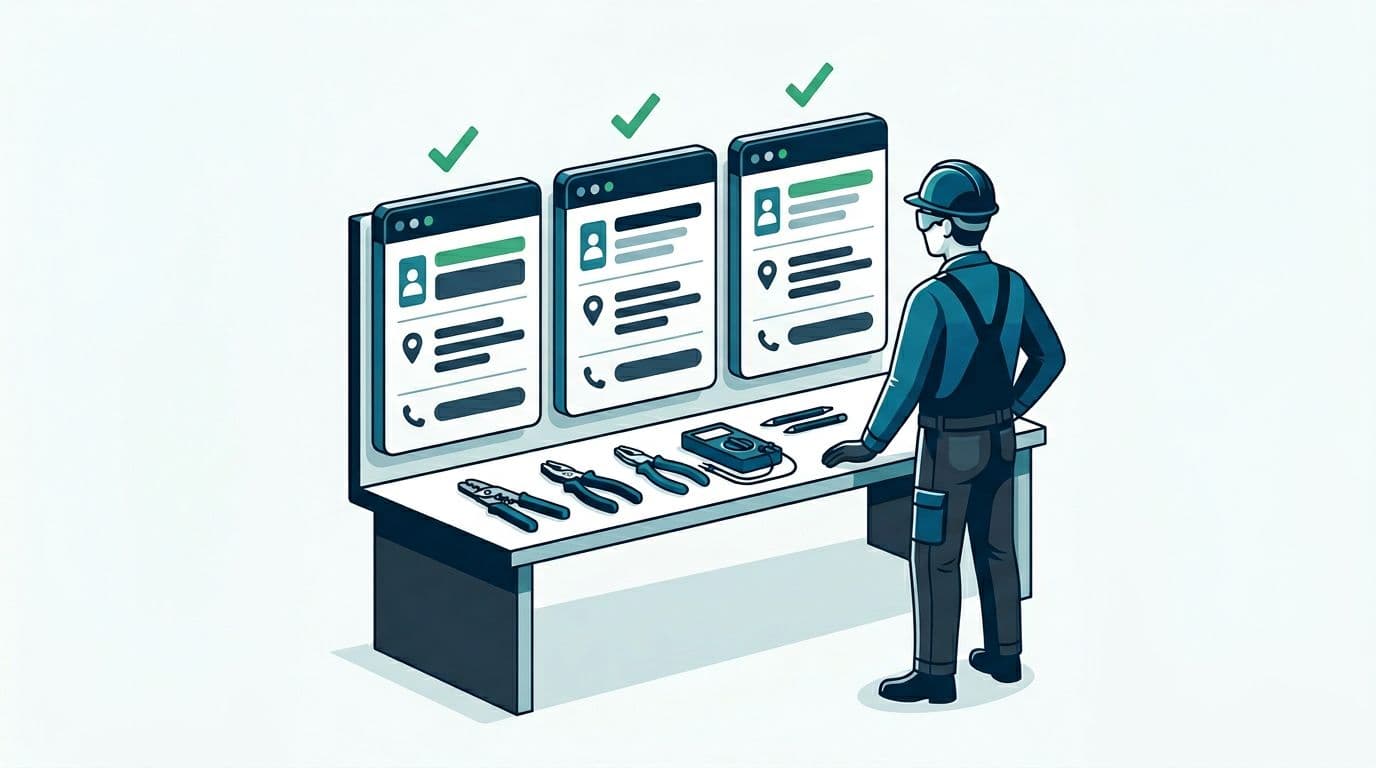
Pick one “source of truth” as the master record for your business information and never freestyle it again. In 2026, tiny differences still create messy entity signals.
NAP (name address phone number) format rules that prevent drift:
- Business name: Use your real-world name (no extra keywords like “Best Plumber Near Me”).
- Address: Choose one format and stick to it (Street vs St, Suite vs Ste). Don’t mix.
- Phone: Use one primary local number everywhere (avoid swapping numbers by channel).
- Website URL: Prefer one canonical version (https, with or without www, pick one).
- Categories: Keep your primary category consistent, then add 2 to 5 secondary categories where allowed.
Service-area businesses (SABs) need extra care. Keeping your business information consistent across your Google Business Profile and other citations creates the necessary trust signals for local SEO. If you hide your address in Google Business Profile, don’t publish a different address on half your citations. Either commit to a visible address across the ecosystem, or keep it consistently hidden where possible and focus on service areas and city signals.
For a clear refresher on what counts as a citation and where they show up, use this LocaliQ guide to local citations.
Step 3: Build citations in tiers (so you don’t waste time)
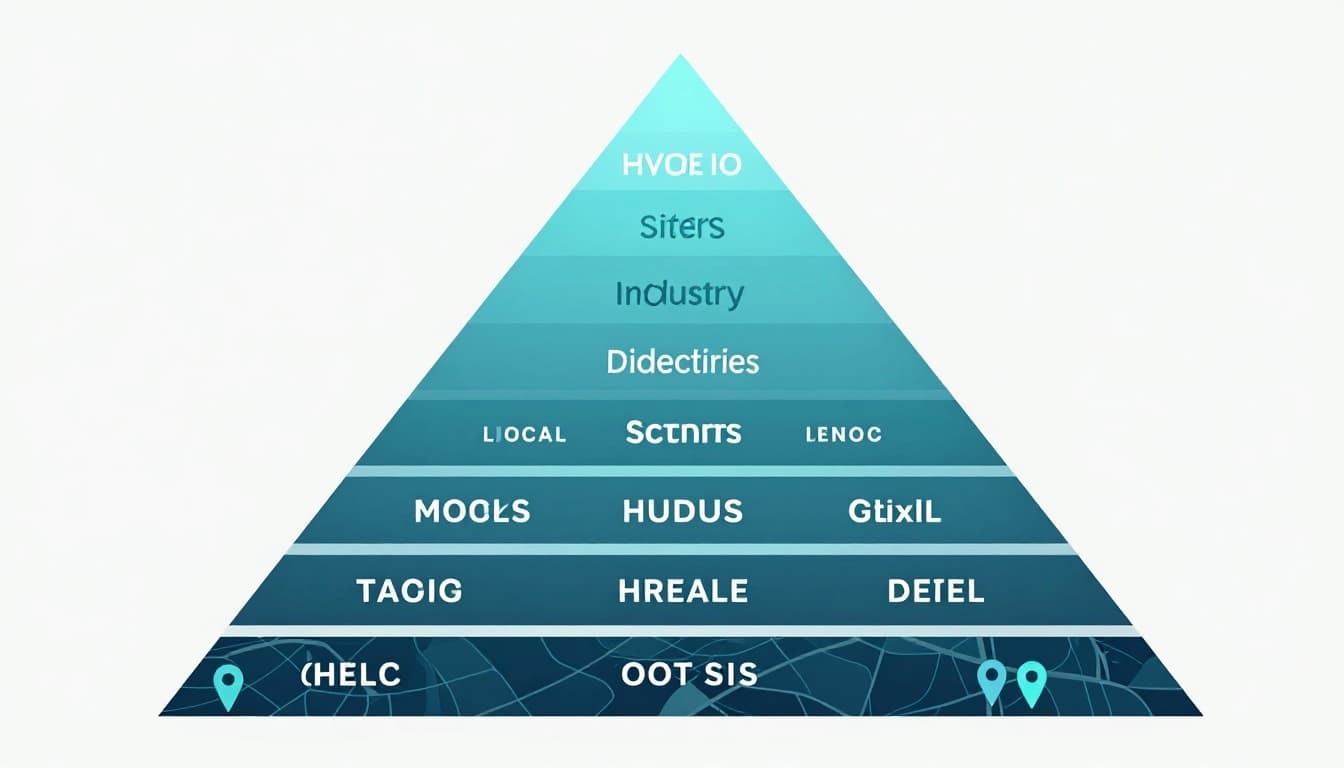
In March 2026, the pattern is clear: quality beats bulk submissions, and unstructured mentions (news stories, community posts, local blogs) help both rankings and AI-based discovery.
Prioritize manual citation building with this order:
- Core citations: Major map and directory ecosystems (start here, always).
- Industry citations: industry-specific listings and business directories customers actually use.
- Local citations (key to local citation building): Chamber of commerce, neighborhood sites, sponsor pages, local business groups.
- Unstructured citations: Local press, event pages, partnerships, “best of” roundups, community forums.
If you want a simple way to explain this to your team, this citation tiers and KPIs overview is a helpful reference.
For a real example of local visibility work in action, see this pet grooming local SEO case study.
Step 4: Fix duplicates with a merge and suppression playbook
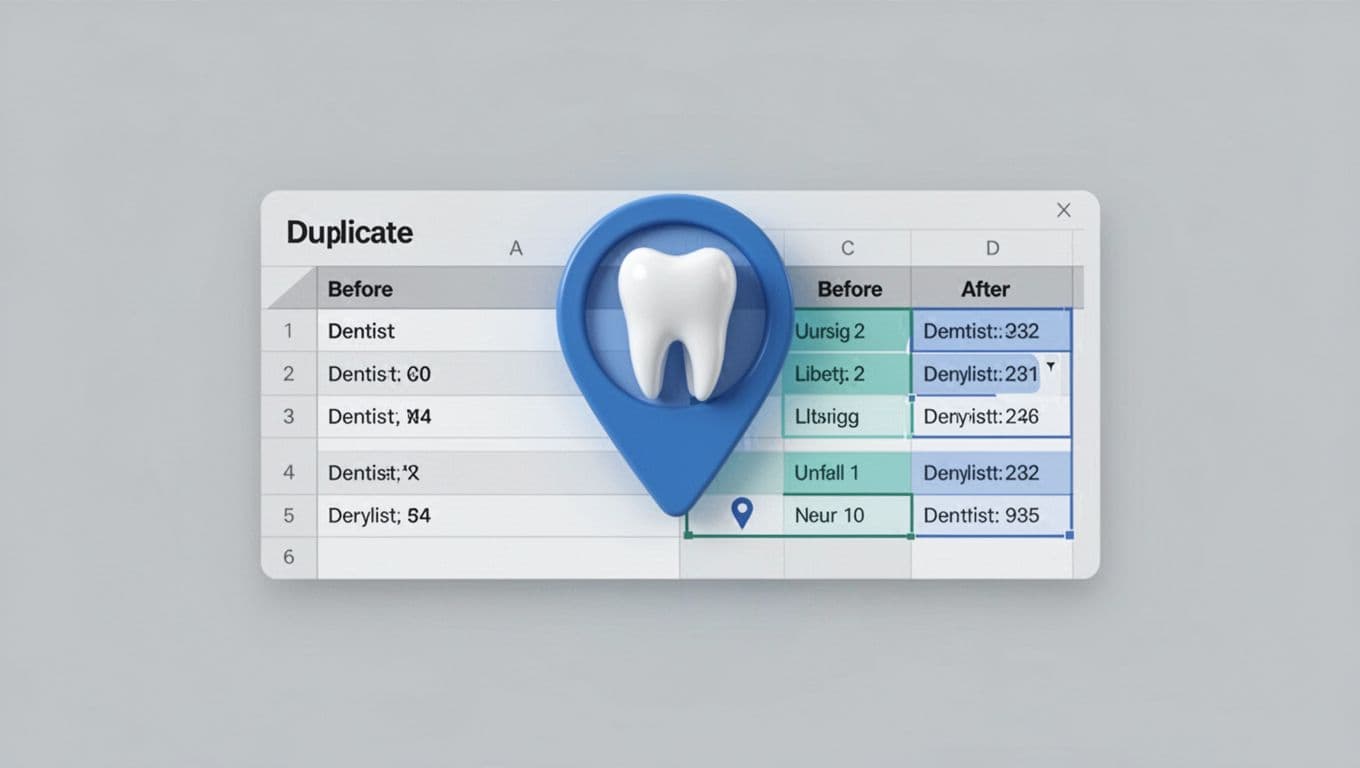
Duplicate listings usually come from old addresses, call-tracking experiments, or someone creating a “new” profile instead of claiming the old one. These fragmented profiles split reviews and confuse search engines, which often lower the visibility of businesses with multiple conflicting profiles because they lack a single verified entity.
A practical citation cleanup playbook:
- Find them: Search phone numbers, old addresses, and practitioner names.
- Claim the correct listing: Use the most complete, most reviewed profile as the “keeper”.
- Update the keeper first: Fix NAP, categories, URL, hours, photos.
- Request merge or removal: Each platform differs, but most support merge, remove, or “mark as closed”.
- Suppress where needed: If you can’t remove it, correct it to match, then minimize damage.
If two listings have different phone numbers, treat it as urgent. Calls and reviews will fragment fast.
Step 5: Multi-location and practitioner listings without cannibalizing

For multi-location brands, each branch requires separate business listings with its own consistent NAP and citation set to avoid cannibalization. Don’t reuse one phone number across all locations if customers call branches directly.
Naming conventions that stay clean and improve online visibility:
- Locations:
Brand Name, City(keep it consistent everywhere). - Practitioners (medical, legal, dental):
First Last, Credential(tie to the right location with the same address and main phone when appropriate).
Also, avoid creating practitioner listings on sites that treat them like separate businesses unless patients or clients search by the person’s name. When you do create them, connect them clearly back to the parent practice and correct address to boost local rankings and local SEO performance.
Step 6: Tracking and QA (screenshots, logs, indexation checks)
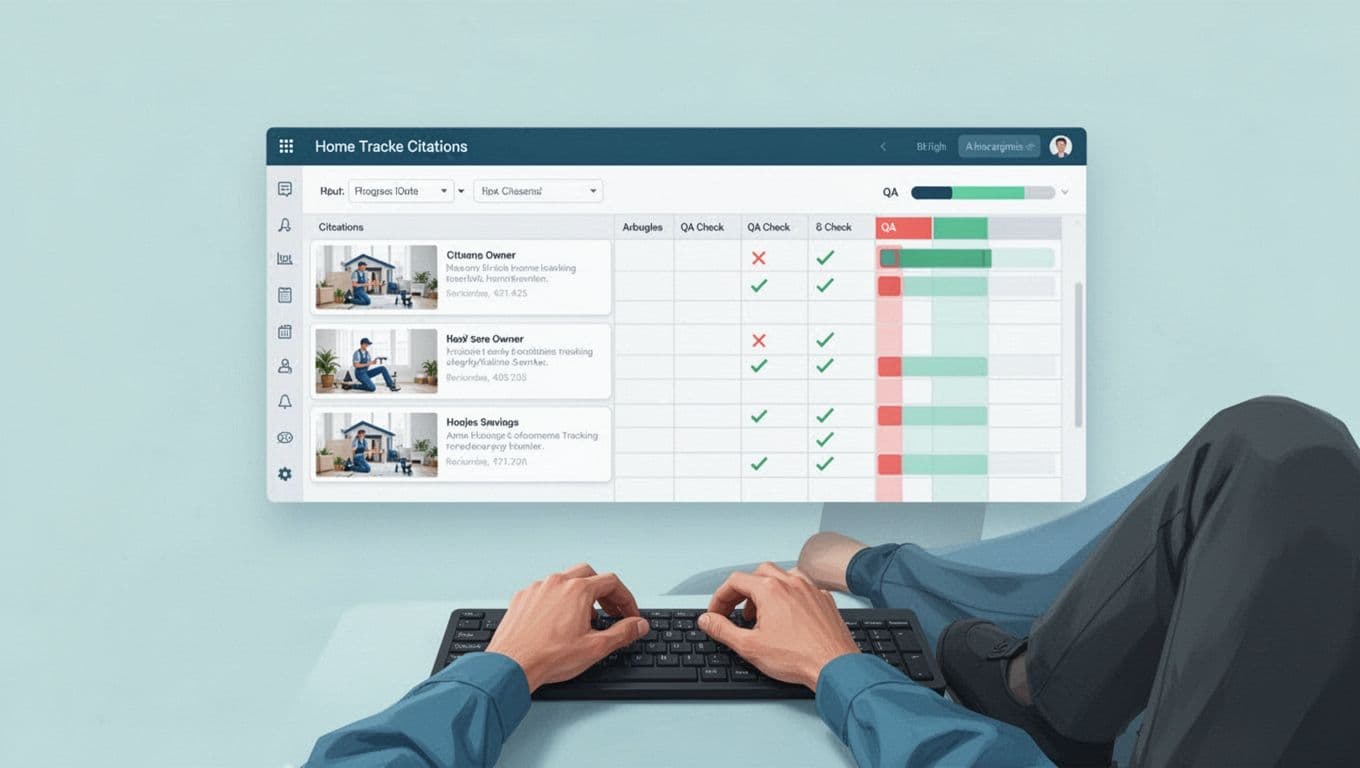
If it isn’t logged, it didn’t happen. Build one sheet that stores every login, owner, listing URL, and proof.
Here’s a “downloadable-style” template you can copy into Google Sheets:
| Tier | Source | Listing URL | NAP match (Y/N) | Status | Proof (screenshot file) | Last checked | Notes |
|---|---|---|---|---|---|---|---|
| Core | Google Business Profile | Add URL | Y | Live | File link | 2026-03-01 | Primary category set |
| Core | Apple Maps | Add URL | Y | Live | File link | 2026-03-01 | Photos added |
| Core | Bing Places | Add URL | Y | Pending | File link | 2026-03-01 | Awaiting approval |
| Core | Yelp | Add URL | N | Needs fix | File link | 2026-03-01 | Old phone showing |
For QA, store a submission report for your business listings with:
- A screenshot of the live listing (showing NAP and categories if visible).
- A screenshot of the edit confirmation screen or email.
- A quick indexation check later (some listings get indexed, some don’t, still log it).
This approach ensures long-term record keeping and smooth management of business directories like Yelp.
Step 7: Maintenance cadence and monitoring alerts (2026-ready SOP)

Citations decay as data aggregators often push outdated info, users suggest edits, and platforms auto-fill fields. This makes active citation management a necessity. Set a cadence that matches how often your business changes.
A simple SOP that holds up in 2026:
- Weekly: check Google Business Profile for suggested edits and category changes.
- Monthly: review your top 10 citations for NAP drift and duplicate listings.
- Quarterly: re-run the audit scoring rubric, then fix the lowest scores first.
- After any change (move, rebrand, new phone): update core listings within 48 hours, then work down the tiers.
Set alerts wherever the platform allows it (email notifications, owner approvals). Also, keep one owner email for listings, so access doesn’t vanish when staff changes.
Step 8: Common citation pitfalls to avoid this year
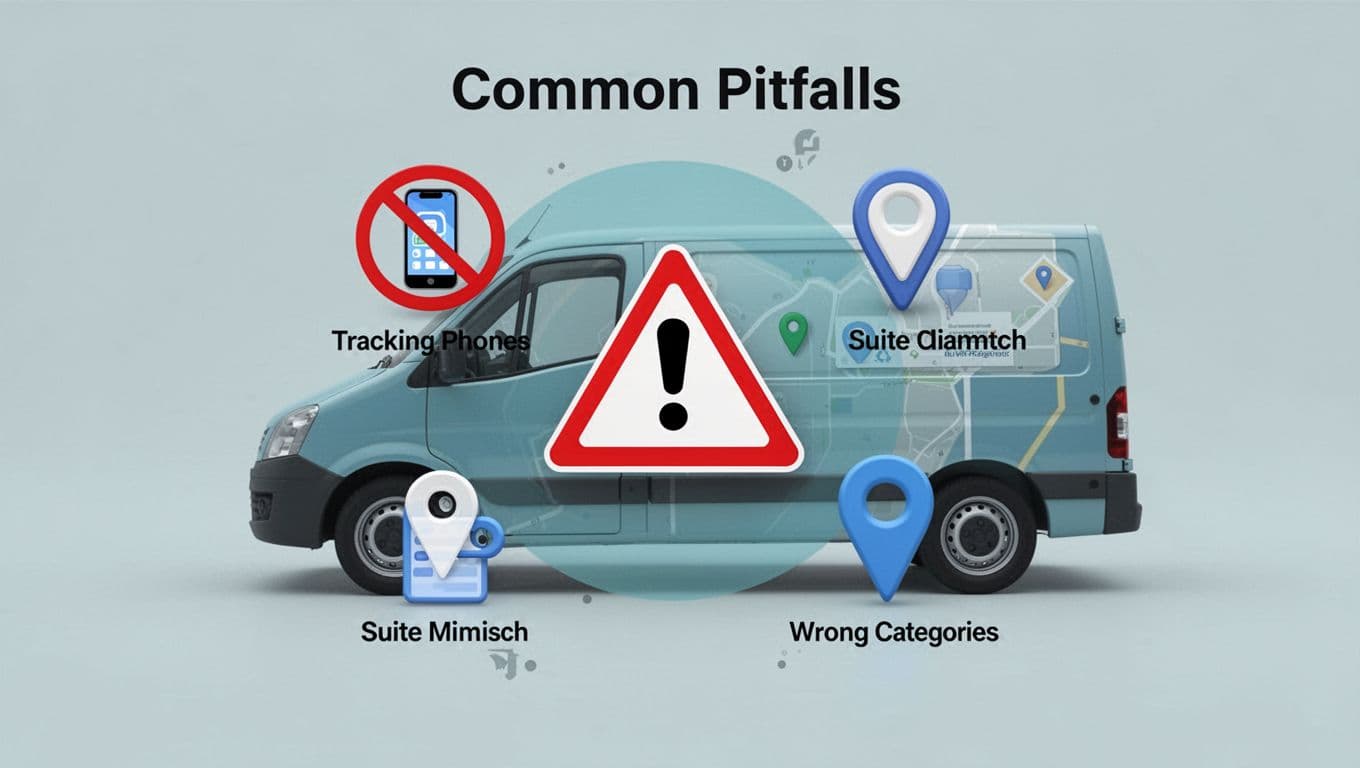
Most citation problems aren’t advanced. They’re small, repeated errors.
One mismatch is noise, many mismatches become a pattern Google can’t trust.
Watch these issues:
- Tracking numbers: Use tracking on your website if needed, not as your primary citation phone. If you must track, keep one canonical number and use platform-supported secondary fields only.
- Suite numbers: Pick one format (Suite 200 vs Ste 200) and keep it identical.
- SAB address hiding: Don’t publish a hidden address on random directories unless you’re ready to standardize it across all your business information.
- Category drift: Wrong primary categories cause weak relevance in local search results and impact the health of your business listings, especially for “near me” searches.
- Inconsistent abbreviations: St vs Street seems minor, but it multiplies fast across 30 listings, leading to poor local SEO outcomes.
Conclusion
Strong local citation building is a foundational pillar for increasing domain authority and improving local rankings. It’s boring on purpose. It’s careful formatting, smart tier priorities, ruthless duplicate cleanup, and steady maintenance. While automated tools exist, the best results often come from high-quality directory submissions and careful manual submission of data. Once your NAP stays consistent, every other local effort performs better, including reviews and location pages. If you want help turning this into an owned system, explore ClickyOwl SEO services and get a repeatable process in place.