

One weak image can make a strong local business look small, dated, or hard to trust. In local search, that often costs the click before your phone ever rings.
For plumbers, HVAC companies, roofers, landscapers, dentists, lawyers, and similar brands, images now shape rankings, map visibility, click-through rate, and conversions. Good local SEO image optimization turns photos into proof, and proof wins more jobs.
The businesses pulling ahead in 2026 usually are not using fancier visuals. They are using clearer, faster, better-placed ones.
Why images now affect local rankings and calls
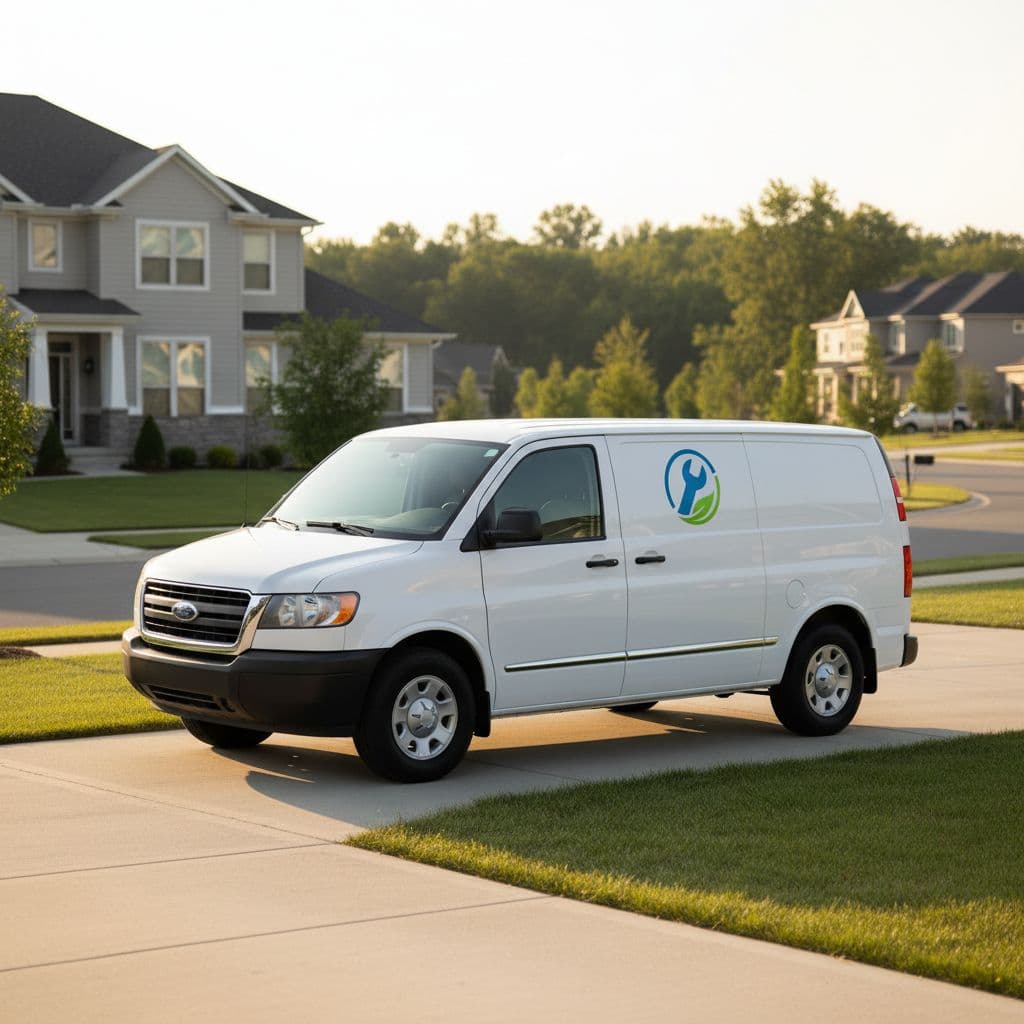
Local search has become more visual and more trust-driven. When someone searches for “emergency plumber near me” or “dentist in Tampa,” they often judge the business before reading much copy. They scan the profile photo, job images, exterior shots, and service page visuals. If those images feel fake, old, or generic, the click goes elsewhere.
That matters because search engines are also looking for signs that a business is real, active, and locally relevant. Fresh images of your team, trucks, office, tools, and finished work support that story. They also help users stay on the page longer, which gives your page a better chance to turn visits into calls or form fills.
For small service brands, a real photo library does more work than most owners expect. A roofer can show a finished ridge line on a real home. An HVAC company can show a tech testing a condenser. A landscaper can show the crew, the trailer, and the final yard. A lawyer can show the actual office, meeting room, and front desk. A dentist can show treatment rooms, staff, and the exterior so new patients know they found the right place.
Stock photos still have a place in some ad creative, but they are weak local proof. A smiling family in a perfect kitchen does not tell Google or a customer that you fixed a water heater in their city last week. Real work photos do.
The strongest local image is the one that proves you are nearby, active, and trustworthy in two seconds.
Google Business Profile deserves extra attention here because it often shapes first impressions before your website gets a visit. If your profile photos are stale, sparse, or mismatched, start with this Google Business Profile optimization guide. Keep your logo, cover image, team shots, exterior, interior, and recent job photos updated so your map listing feels alive.
This is also where SEO meets the rest of your marketing. The same image set can support Social Media Marketing, local landing pages, email, and even Performance Marketing ads. Better images do not only help rankings. They raise trust across every touchpoint.
How to optimize every upload before it slows your site
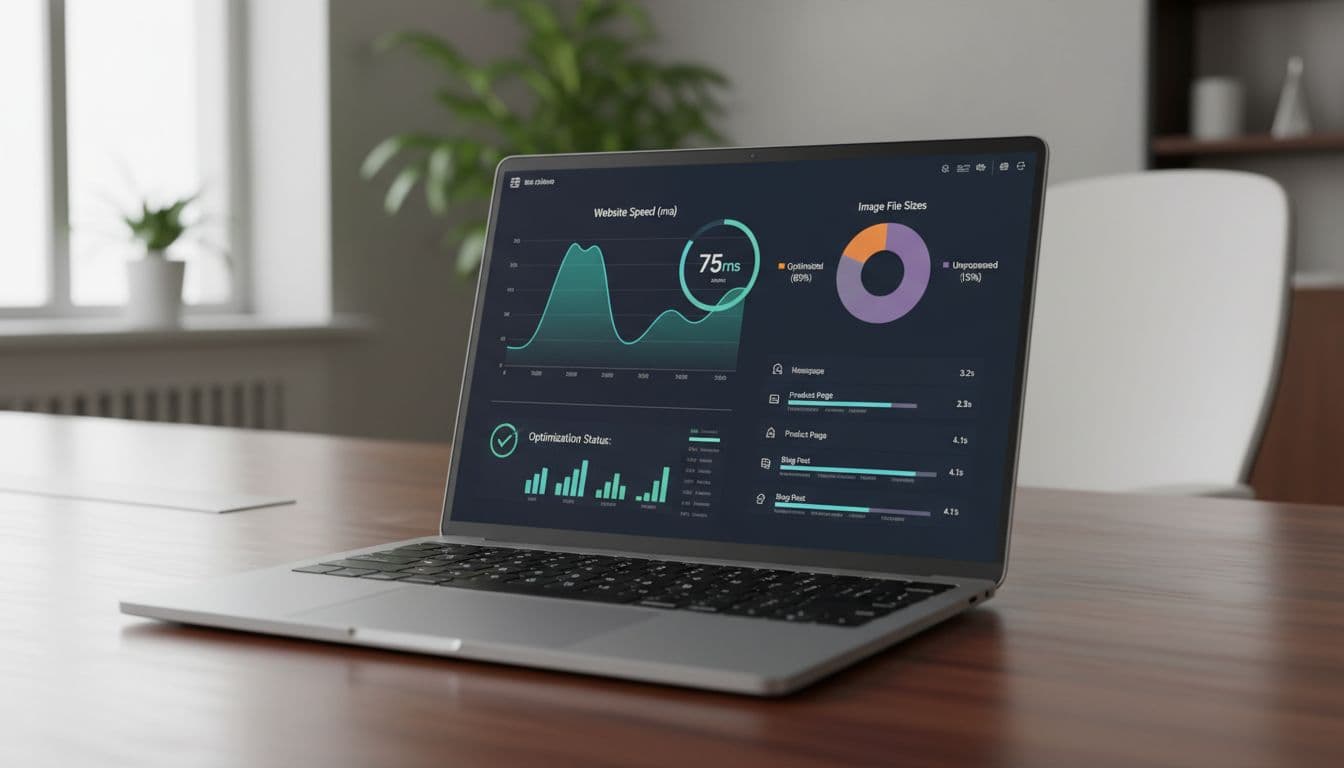
A good local image starts before the upload. If your phone saves a file as IMG_4938.jpg, you still have work to do. Rename it, resize it, compress it, and place it on the right page with helpful text around it.
The file name should describe what is in the photo and, when it fits, where it happened. Keep it plain. Use hyphens. Skip filler words. A strong file name for a real job image might be water-heater-repair-midtown-atlanta.jpg. A weak one is best-plumber-atlanta-cheap-fast.jpg. That second example looks spammy because it is.
Alt text matters for accessibility first. Screen readers use it, and search engines use it as added context. Write it like you are describing the image to a person who cannot see it. Good alt text for that same image could be “Technician repairing a leaking water heater in Midtown Atlanta.” Bad alt text looks like a keyword pile.
Captions are optional, but they help when the image needs extra context. A caption can tell the user what changed, where the work happened, or why the image matters. Captions also get read more often than many owners think, so use them when they add value.
Image size is where a lot of local sites lose ground. Owners upload giant originals from a new phone, then trust the website to shrink them. The page still loads the full file. That hurts mobile speed, and local searches are mostly mobile. As tips on optimizing images for local search point out, resize the image before upload instead of relying on the browser to do the work.
As a practical starting point, many service sites do well with content images in the 800 to 1200 pixel range, while hero images often need more width but tighter compression. These small business image SEO best practices are a helpful benchmark if you need one. Use WebP by default when your site supports it. Keep PNG for cases like transparent graphics. AVIF can be excellent too, but only if your setup handles it cleanly.
This is where SEO and Website Development overlap. A page cannot rank or convert well if images drag down load time. Fast pages keep users engaged, improve mobile experience, and help your tap-to-call buttons show up faster. For local service businesses, speed is not a technical side issue. It affects leads.
If you already map services and locations with a local SEO keyword research template, use that same structure when naming images for service and city pages. The image should support the page topic, not drift into random terms.
Here are a few practical examples:
| Page use | Filename | Alt text | Caption |
|---|---|---|---|
| Plumber service page | water-heater-repair-midtown-atlanta.jpg | Technician repairing a leaking water heater in Midtown Atlanta | Same-day water heater repair for a Midtown Atlanta homeowner |
| HVAC city page | ac-install-phoenix-residential-home.webp | HVAC technician installing a new AC unit at a home in Phoenix | New AC system installed before peak summer heat in Phoenix |
| Dentist location page | teeth-whitening-room-tampa-dental-office.jpg | Treatment room prepared for teeth whitening at a Tampa dental office | Private whitening room at our Tampa office |
| Lawyer office page | personal-injury-law-firm-chicago-office-exterior.jpg | Exterior of a personal injury law office in Chicago | Street-facing office entrance in downtown Chicago |
The takeaway is simple. Match the image to the page, write like a human, and keep the file light.
One warning matters here. Do not force a city into every image. A staff headshot used across the whole site does not need five different local versions. Name that file for what it is, such as licensed-plumbing-team.jpg, and keep moving.
Where images belong on service pages and local landing pages

A lot of businesses do the hard part, they gather real photos, then hide them on one gallery page. That is a missed chance. The best images belong on the pages that drive calls.
Start with your money pages. If water heater repair, AC replacement, roof repair, dental implants, or personal injury leads the way, those pages should carry the strongest proof. Put a real job image near the top, a team or process image in the middle, and a trust-building visual near the call-to-action. When a visitor reaches the form or phone number, the page should already feel credible.
City pages need special care. If you serve ten nearby areas, do not clone the same gallery across all ten pages and swap only the city name. That feels thin to users and weak to search engines. Use images that honestly support the area page. That might mean a crew photo in a nearby neighborhood, a truck at a known local street, or a finished project from that city. When the image is not tied to one place, keep the description generic instead of pretending.
Before-and-after images work especially well for roofers, cleaners, remodelers, landscapers, and restoration companies. They show change fast, which helps conversion rate. Keep them honest. Use the same angle when you can, avoid heavy filters, and place them near copy that explains the service result.
Professional services need a different mix. Dentists and lawyers may not have dramatic before-and-after visuals, and they should protect patient and client privacy. In those cases, office exterior shots, team photos, consultation rooms, branded materials, and community images can still build strong local trust. The point is to remove doubt. People want proof that the office is real, easy to find, and staffed by people they can picture meeting.
Your contact page also deserves real imagery. An exterior photo helps new visitors recognize the building. An interior shot can reduce first-visit friction for anxious patients or clients. Even service businesses that travel to customers can use photos of branded vans, equipment, or warehouse space to show they are established.
Google Business Profile, service pages, city pages, contact pages, and local blog posts should all work together. A post about “spring AC tune-up in Scottsdale” with real project photos can support long-tail traffic and reinforce your service area. For a broader strategy, image placement works best inside professional local SEO services, because the page, the profile, the reviews, and the internal links all support each other.
If you want more examples of image naming and format choices for local brands, this guidance on image optimization for local business websites is a useful reference. Still, the core rule is simple: each important page should carry visuals that help a buyer trust that page faster.
What works in 2026, what is outdated, and what to ignore
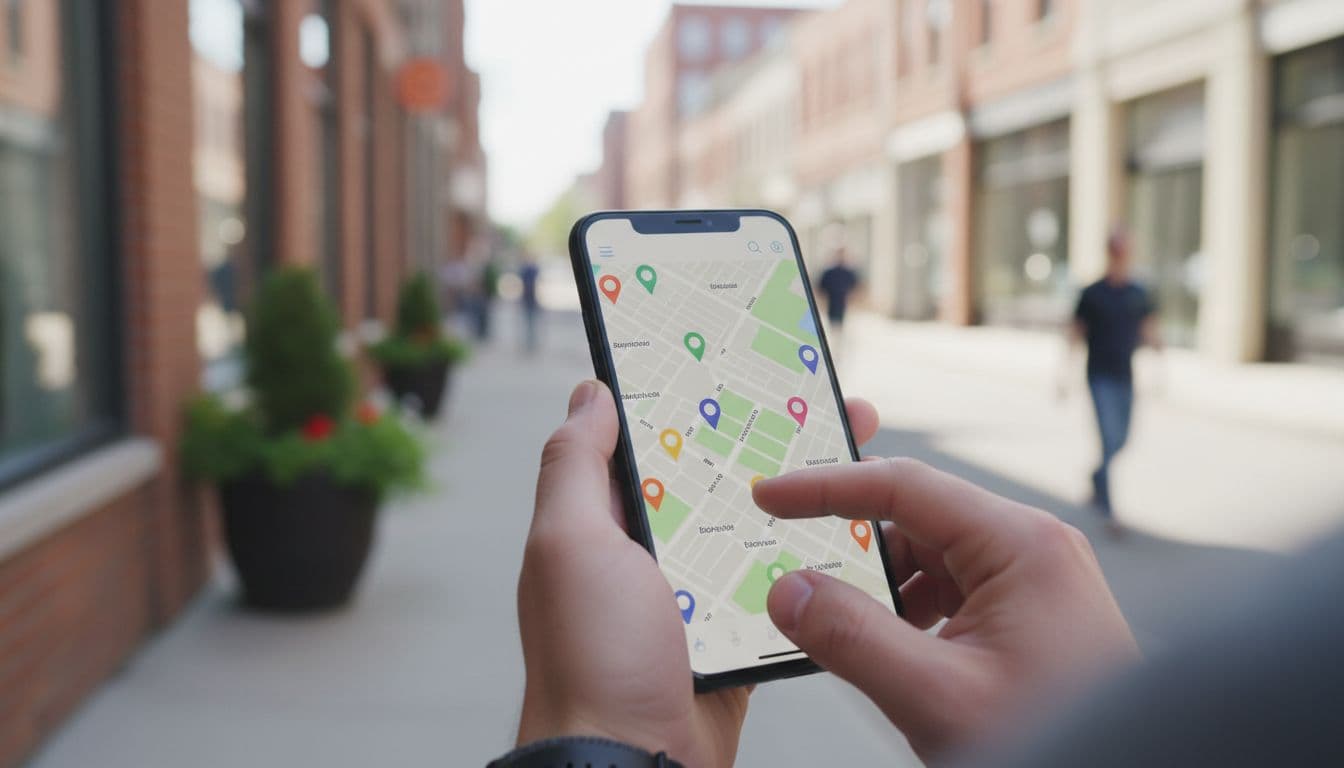
Small business owners hear a lot of half-true image advice. Some of it is old. Some of it was never right. In 2026, the pattern is clear: real photos, fast delivery, useful labels, and local relevance still work. Thin tricks do not.
This quick table sorts the signal from the noise:
| Best practice | Outdated tactic | Myth |
|---|---|---|
| Use real job, team, office, and vehicle photos | Rely on stock images for every service page | Any image will help local rankings |
| Compress and resize before upload | Upload giant originals and let the site shrink them | More megapixels mean better SEO |
| Write short, honest alt text | Stuff service and city terms into every alt attribute | Alt text exists only for rankings |
| Add location terms only when they are true | Rename the same photo for every city page | Geotagging alone will lift map rankings |
| Update Google Business Profile photos often | Upload once and ignore images for a year | Quantity matters more than relevance |
Geotagging is a good example. Some businesses still act like hidden location data will push them into the map pack by itself. Real-world proof matters more. If a photo truly came from a job in that city, fine. If it did not, fake location signals do not help and can make the rest of the page less trustworthy.
Another myth says image work is a minor DIgital Marketing task you can hand off later. That mindset hurts growth. Image quality touches SEO, Social Media Marketing, Website Development, and Performance Marketing at the same time. A sharp, compressed, well-labeled job photo can improve a landing page, a map listing, an ad, and a remarketing campaign.
Mobile presentation matters too. Most local buyers see your images on a phone first. So crop with mobile in mind. Keep the main subject centered. Test how the page loads on a weaker connection. If your contact button jumps down the screen while a large image loads, you have a conversion problem, not only a design problem.
Freshness still counts, especially on your profile and recent project pages. New photos tell buyers the business is active. They also give you more ways to match search intent across seasons. An HVAC company should show tune-ups in spring, installs in summer, and heating calls in winter. A landscaper should swap in seasonal yard work. A roofer can publish storm-response images when that need spikes.
If your site still runs on oversized files and generic stock art, fix those basics before you chase harder tactics. When you want a second set of eyes on slow pages, weak service photos, or a thin local content setup, Get In Touch With Us for a practical review.
Conclusion
The local businesses winning more clicks in 2026 are doing one thing better than their competitors: they are showing proof. Their images are real, fast, well-labeled, and placed on the pages that matter most.
Start with your top service pages and your Google Business Profile. Replace stock photos, compress every upload, and write alt text that sounds like a person wrote it. When your visuals support trust, page speed, and local relevance at the same time, they stop being decoration and start helping the business grow.