

A customer finds you on Google, scans your profile, and decides in seconds whether you’re a fit. For many service businesses, your Google Business Profile description is the first plain-English proof that you do the job they need in the place they need it.
In 2026, that short paragraph carries more weight than many owners think. If it’s vague, stuffed with search terms, or sounds like generic ad copy, people move on. If it’s clear, local, and credible, you earn the click or call.
Why the description matters more for service businesses
Service businesses often compete in a crowded map pack. People compare plumbers, cleaners, electricians, HVAC companies, and lawyers without ever visiting a website first. Your description helps them sort the real options from the vague ones.
It also helps Google understand your business in plain terms. Your main category, services, reviews, and location data still do most of the heavy lifting. Still, the business description adds context, especially when it matches the rest of your profile and site.
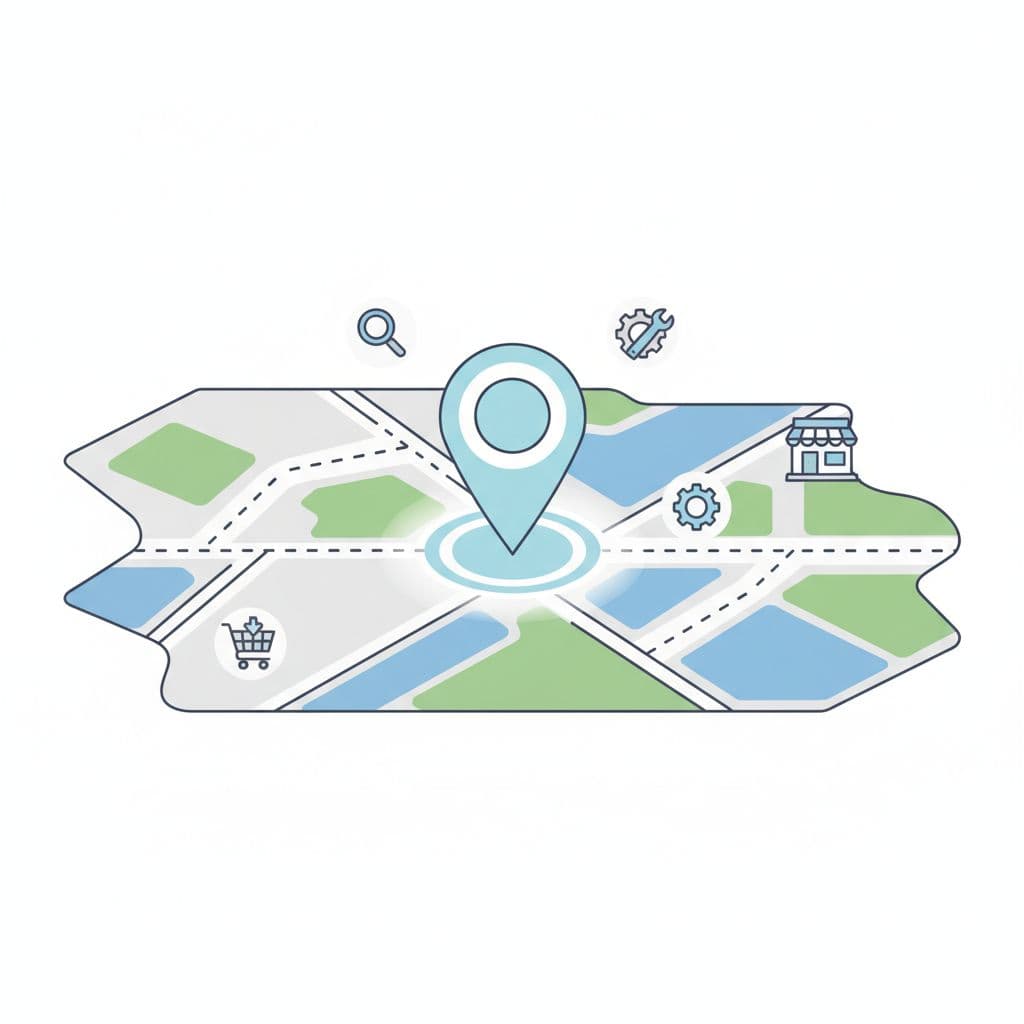
For service-area businesses, this matters even more. If you travel to customers, your profile should clearly reflect where you work and what you handle. Google’s business representation guidelines still push the same core standard in 2026: be accurate, helpful, and honest.
That means your description should answer four quick questions. What do you do? Who do you help? Where do you work? Why should someone trust you? Most weak profiles miss at least two of those.
A strong description also supports the rest of your local presence. When your wording lines up with your service list, reviews, and service pages, your message feels more believable. That’s one reason a clear profile description works best as part of a broader local SEO strategy, not as a stand-alone fix.
A simple formula for a strong profile description
You don’t have much room, so every phrase needs a job. Start with your main service, then name your service area, then add a few real services, and close with trust signals that a customer can believe.
Write it like a front-desk answer: “This is what we do, this is where we work, and this is why customers feel good calling us.”
Start with what you do and where you work
Lead with your clearest service. “We provide residential plumbing repairs in Denver” is better than “We are a full-service home solutions company.” People don’t search for “solutions.” They search for clogged drains, water heaters, and leak repair.
Next, mention your city or true service area. If you serve several nearby towns, name the main city first and keep the list tight. Don’t force every suburb into one paragraph. That reads poorly, and it doesn’t build trust.
After that, add two to four services that match what you actually want more calls for. Use plain language, not category jargon. “AC repair, furnace installation, and seasonal maintenance” works because customers understand it fast.
Add trust signals, not hype
This is where many profiles go off track. Owners stuff in “best,” “cheap,” “top-rated,” and every service keyword they can think of. That doesn’t sound convincing. It sounds like a rush job.
Instead, add proof-based signals such as licensed technicians, insured crews, family-owned history, same-day availability, background-checked staff, or clear estimates. Pick the ones you can support on your website and in real customer experience.
Keep your claims modest and true. If you say “24/7 emergency service,” answer the phone at 2 a.m. If you say “commercial and residential,” both should appear in your actual work and service pages. For a broader profile checklist, this 2026 best-practices guide is a useful reference.
A simple template looks like this:
“We provide [main service] for [customer type] in [city or service area]. Our team handles [service 1], [service 2], and [service 3]. Customers choose us for [trust signal], [process benefit], and [credible differentiator].”
Examples of Google Business Profile descriptions that work
The best examples sound plain because plain language converts. Each one below says what the business does, where it works, and why someone should feel comfortable reaching out.

Plumbing company
“We provide residential plumbing repair and water heater service across Charlotte and nearby communities. Our team handles leak detection, drain cleaning, fixture installs, and emergency plumbing calls. Homeowners choose us for licensed technicians, clear estimates, and fast response times.”
This works because it is direct, local, and easy to scan.
HVAC contractor
“We install, repair, and maintain air conditioners, furnaces, and heat pumps for homes and small businesses in Mesa and surrounding areas. Customers call us for certified technicians, honest repair advice, and dependable same-day service when available.”
This version avoids fluff and still sounds reassuring.
House cleaning service
“We offer recurring home cleaning, deep cleaning, move-out cleaning, and short-term rental turnover service in Tampa, St. Petersburg, and nearby neighborhoods. Clients count on us for reliable scheduling, background-checked cleaners, and clear communication from booking to follow-up.”
This one earns trust without sounding stiff.
Landscaping company
“We design and maintain residential landscapes in Frisco, Plano, and nearby North Texas communities. Our services include lawn care, irrigation repair, planting, mulch, and seasonal cleanups. Property owners choose us for detailed estimates, dependable crews, and tidy job sites.”
It names real services instead of hiding behind broad terms like “outdoor solutions.”
Electrical contractor
“We provide residential and light commercial electrical services in Columbus, including panel upgrades, EV charger installation, lighting, and troubleshooting. Customers trust our licensed electricians for safe work, straightforward pricing, and clean, organized service visits.”
This description focuses on the work people actually hire for.
You can adapt any of these by swapping in your service, city, and proof points. Keep the voice natural. If the line sounds like something a happy customer would repeat to a neighbor, you’re close. If it sounds like ad copy from a billboard, tighten it.
Make your description match the rest of your marketing
A strong description works best when the same message shows up everywhere else. If your profile says “emergency roof repair in Atlanta” but your homepage talks about “property care solutions,” you create friction. People hesitate when your wording changes from one touchpoint to the next.
That gap often appears when DIgital Marketing, SEO, Performance Marketing, Social Media Marketing, and Website Development are handled by different people. Fix it with one shared message set: your core services, top locations, main trust signals, and the exact language customers use on calls and in reviews.
Then audit the basics. Your Google description should match your service menu, key website pages, and review themes. If customers praise quick response, say that. If they praise careful cleanup, use that. If nobody mentions “luxury solutions,” don’t write it.
This is also where professional support can help. If your profile, services, and site all say different things, it may be time for Google Business Profile optimization services. If you want help aligning the profile with your website and local messaging, Get In Touch With Us.
Final thoughts
When someone sees your business in Google Maps, the description has one job. It should make the next step feel safe, clear, and worth taking.
The best version isn’t clever. It’s clear, local, and believable. Rewrite yours with one lead service, one real service area, a few specific offerings, and one or two trust signals that you can prove.