

One website link can waste a strong local lead. If your Google Business Profile website link sends people to the wrong page, rankings may hold, but calls and form fills often drop.
That matters more in 2026 because local visitors move fast. They tap from Maps, scan for proof, and decide in seconds. The businesses that win don’t always have the fanciest profile, they have the cleanest path from search to action.
Why this one link matters more for fit than raw ranking
Your website link in Google Business Profile is not a magic ranking switch. Current local search patterns still lean on relevance, distance, and prominence far more than that single field. Yet the link still matters because it helps Google connect your profile to the right page, and it helps customers land where their intent already points.
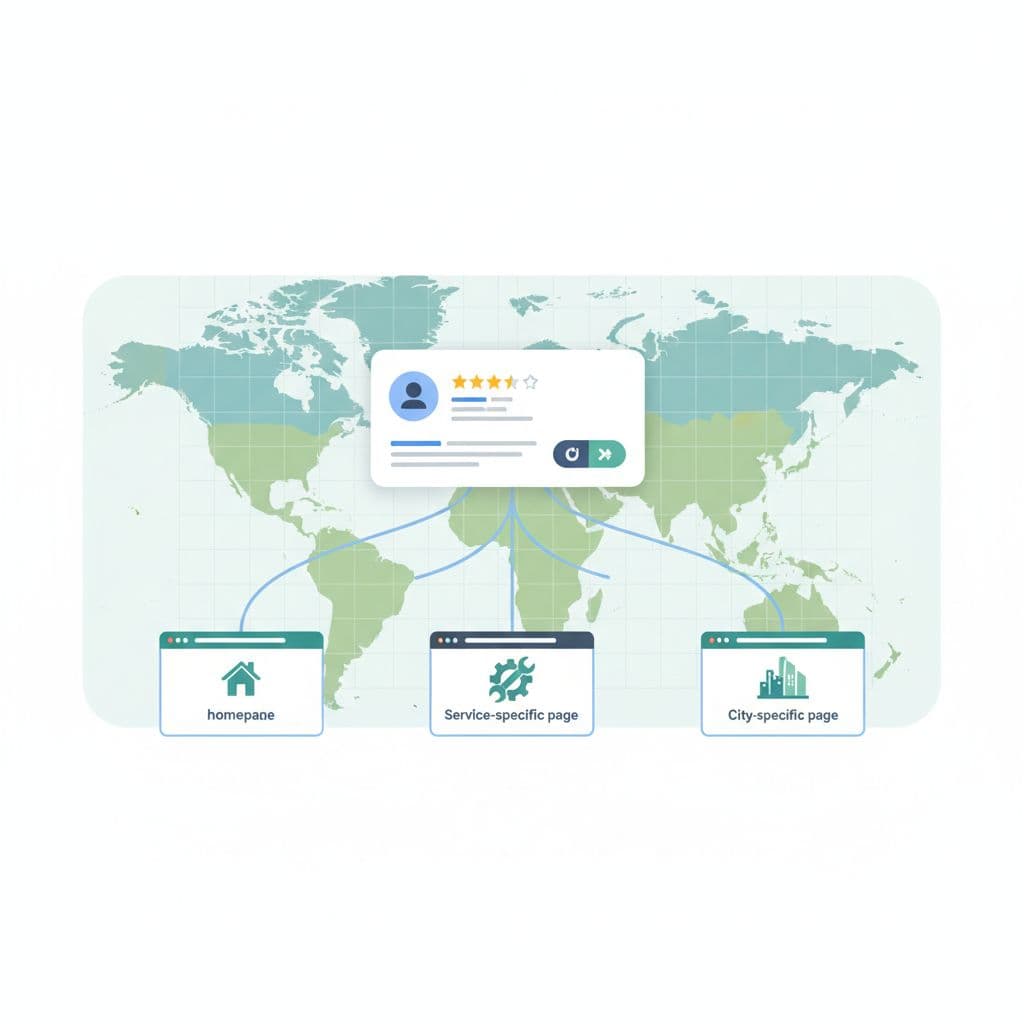
Many owners still send every profile visit to the homepage. That works only when the homepage is clear, local, fast, and built to convert. Often it isn’t. A generic page forces visitors to hunt for the service, city, phone number, and trust signals they wanted to confirm. Each extra tap adds friction.
A tighter match usually performs better. If someone finds your profile after searching for “emergency plumber near me,” a page about emergency plumbing with local proof feels right away more useful than a broad homepage. The same goes for roof repair, AC replacement, pest control, or junk removal. When the page reflects the searcher’s goal, people stay longer and contact faster.
The link works best as a match signal and a conversion path, not as a shortcut to rank.
This is also why thin pages rarely help. A city page with swapped place names and no proof won’t carry much weight. A service page without a phone number, service area, or reviews won’t convert well either. The page has to deserve the click.
If you want a deeper profile-level tune-up, this Google Business Profile optimization guide covers the parts outside the website field. For a broader outside view, this Google Business Profile guide for 2026 is useful context.
Homepage, city page, location page, or service page?
The right destination depends on how your business is set up and what people expect after the click.
| Destination page | Best fit | Main upside | Main risk |
|---|---|---|---|
| Homepage | One location, narrow service set, strong homepage | Simple and safe | Too broad for high-intent searches |
| City page | Service-area business targeting one city or metro | Strong local relevance | Thin doorway-style content |
| Location page | Multi-location business with separate offices | Best match for each profile | Weak pages if locations look duplicated |
| Service page | One high-value service drives most leads | Highest intent match | Misses local trust if page feels generic |
A homepage is still fine in some cases. A single-location electrician with one office, one brand, and a homepage that shows services, local coverage, reviews, and a clear call button may not need anything more complex. If the homepage answers the visitor’s first questions, keep it simple.
A city page makes more sense for many service-area businesses. Picture a mobile locksmith that works across one metro and doesn’t want people reading a generic brand pitch first. A city-focused page can match the search better, as long as it includes real local details, service coverage, testimonials, pricing cues, and fast contact options. If it reads like spun copy, it will feel fake to both users and search engines.
A location page is usually the best choice for multi-location businesses. If an HVAC company has offices in Denver, Aurora, and Lakewood, each profile should point to its own location page. That page should show the exact address, hours, phone, staff photos, reviews, and the services offered from that office. When every profile points to the same homepage, users lose trust and attribution gets muddy.
Service-specific landing pages work best when one offer dominates lead value. A water damage company, garage door repair shop, or tree removal service may see far more conversions by linking to the service page that matches the profile’s main category and review themes. That page still needs local proof. Add nearby project photos, clear service areas, response times, and a strong mobile call button.
Single-location example: a plumber in Tampa with strong pages for drain cleaning and water heater repair should link based on intent. If most profile traffic comes from branded searches, the homepage may work. If the profile is built around drain cleaning, the drain cleaning page is often better.
Multi-location example: a dental group should never send every office profile to one corporate page. Each office profile should land on its own location page, even if the brand and services are similar.
Service-area example: a garage door company with no walk-in office should usually skip a weak contact page. A strong city or service page will do more work because it answers the local searcher’s question faster.
How link choice affects conversions, user experience, and attribution
The biggest gains usually show up in conversions. People arriving from Maps are often close to a decision. They want proof, speed, and a clear next step. If the landing page matches the profile and search intent, they don’t need to wander.
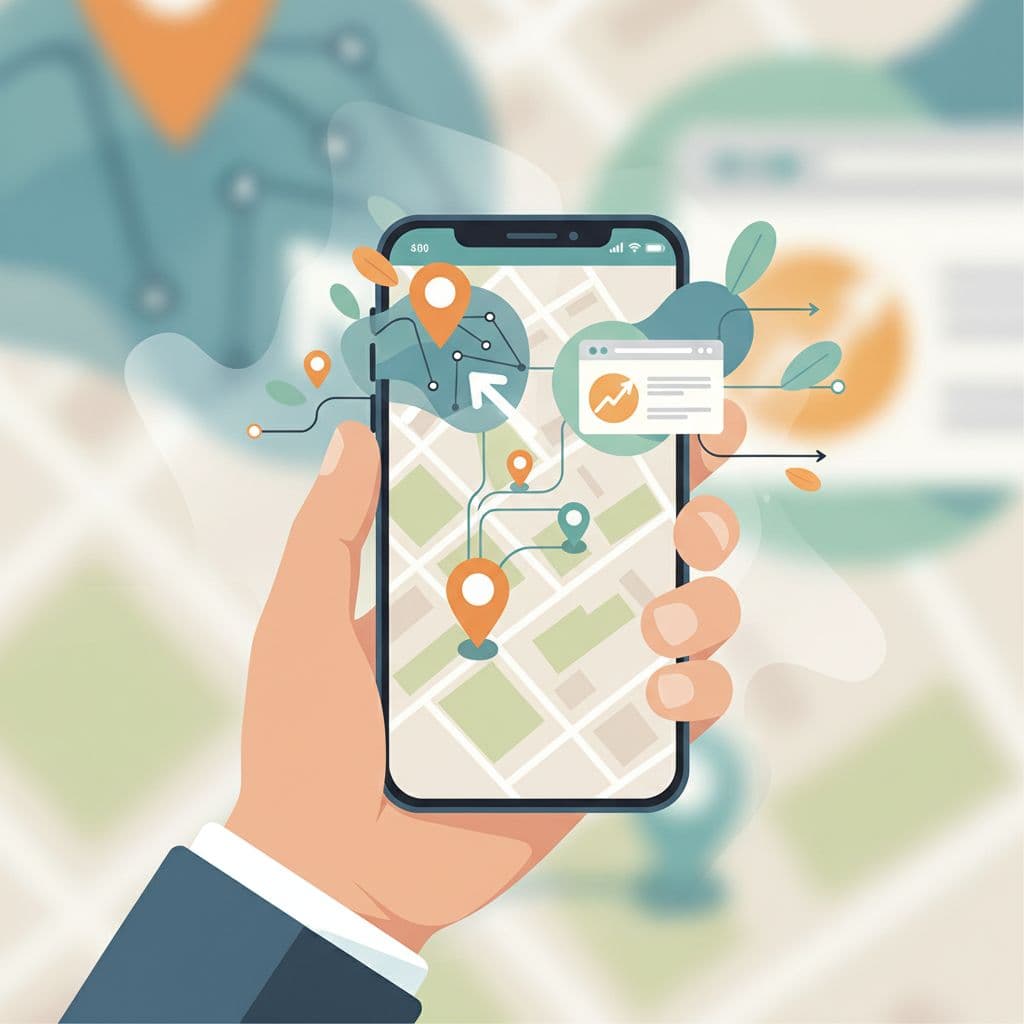
That same fit also helps user experience. A profile for a local service should not drop people onto a page built for investors, national traffic, or every service under the sun. Mobile speed matters too. If the right page loads slowly, the right strategy still loses.
Attribution is where many businesses miss the plot. Add UTM parameters to the GBP website URL so GA4, call tracking, and your CRM can separate profile traffic from other organic visits. Use a unique tagged URL for each profile. For multi-location brands, don’t reuse one generic tagged link across every office. You won’t know which profile drove the lead.
This choice should also line up with the rest of your funnel. Some teams still dump it into a bucket labeled “DIgital Marketing” admin work. That misses the point. The landing page decision touches SEO, Performance Marketing, Social Media Marketing, and Website Development because all of them shape the same visit. If paid search sends users to a service page that converts well, your GBP may benefit from the same destination, with its own tracking.
Fresh profile upkeep still matters. Reviews, recent photos, accurate categories, and steady updates often influence local visibility more than the link itself. This advice on managing a Google Business Profile is a good reminder that the page link works best inside a complete local setup.
Use this framework before you change the link:
- Start with intent. Match the page to the searcher’s likely goal, brand research, service research, or location lookup.
- Match the profile’s scope. A single office points to one page, while each location profile needs its own destination.
- Check the page honestly. It should load fast, show trust, work on mobile, and make contact easy.
- Tag the URL and review results. Look at calls, forms, bounce rate, and assisted conversions after the change.
A short checklist helps keep the basics tight.

- Pick the narrowest page that fully answers the visitor’s need.
- Keep NAP details and service areas consistent with the profile.
- Put the primary call action above the fold on mobile.
- Add reviews, project proof, and local cues to the destination page.
- Use one tracked link per profile, not one link for the whole company.
- Revisit the choice when services, locations, or categories change.
If your pages and profiles aren’t lined up, stronger local SEO services can help. If you need someone to fix the profile, page structure, and tracking together, Get In Touch With Us.
Conclusion
The best Google Business Profile link is rarely the default one. It’s the page that matches what the searcher wanted before they tapped.
For a single-location business, that may be the homepage. For multi-location brands, it’s usually a true location page. For many service-area companies, a city or service page will convert better. When the profile and page agree, local intent turns into better visits, cleaner tracking, and more leads.