


Build an ecommerce loyalty program around one achievable reward, a simple earning rule, and a reason to buy again. Customers need to understand the value before they’ll bother collecting points.
For Kolkata stores, that means clear rupee values, mobile-friendly redemption, and rewards that protect your contribution margin. Start with a practical test of customer loyalty, such as whether customers make a second purchase after delivery.
Key takeaways: Make the first reward reachable, explain exclusions upfront, and judge success through additional profitable orders rather than registrations.
Choose Your Ecommerce Loyalty Program Model

Choose loyalty programs that match purchase frequency. Consumables support repeat-purchase rewards, while occasional purchases may suit referrals or access benefits.
Points and cash-back rewards
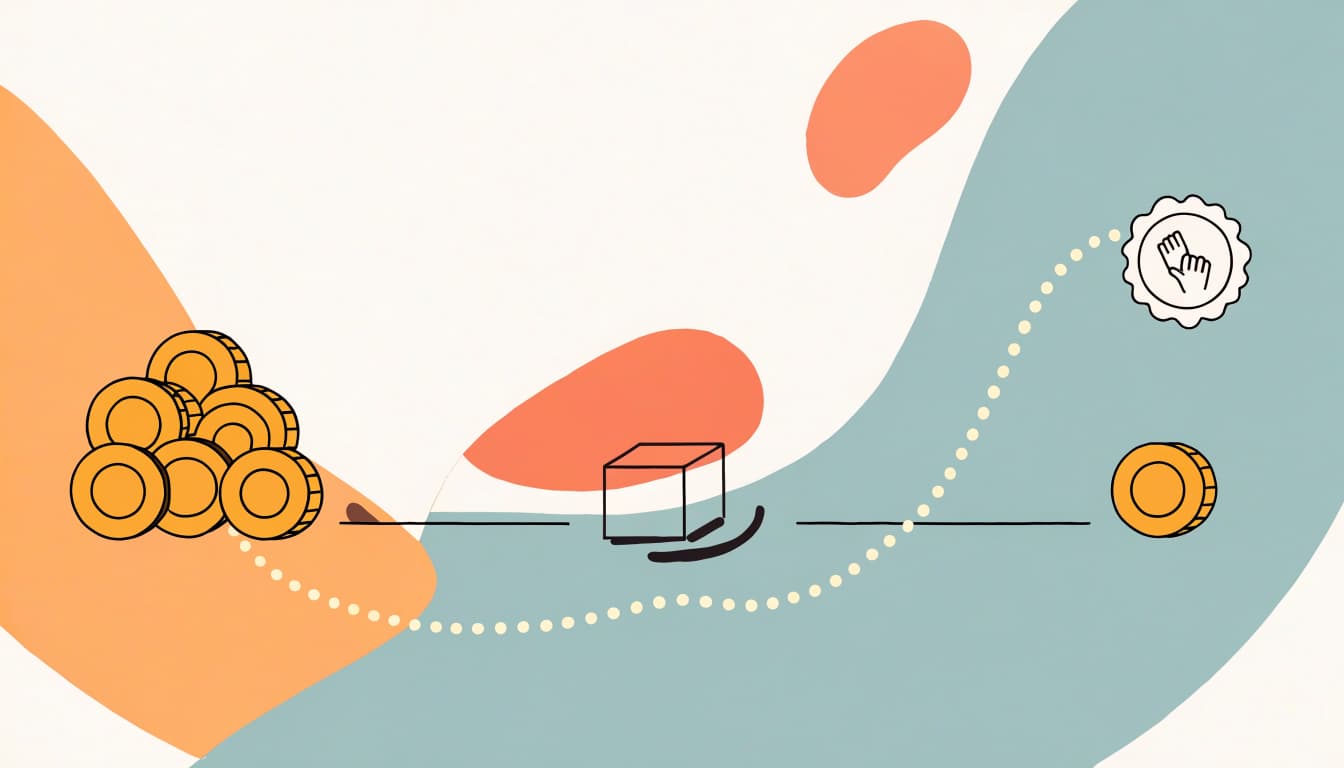
A points-based loyalty program might award 1 point per $1, with 100 points worth $10. That promises a 10% reward value, so don’t copy it without calculating costs.
H&M’s US example uses 1 point per $1, with 200 points worth $5 and 12-month validity. Kohl’s reports issuing over $25 billion in Kohl’s Cash across 20 years.
Starbucks previously offered 2 Stars per $1 on eligible payments, with 25 Stars unlocking customization. Its 2026 rewards redesign changed earning rules and personalization, including a 1-Star-per-dollar base for Green members.
Tiers, paid memberships, and other models

A tiered loyalty program rewards annual spending or activity. Sephora’s Insider, VIB, and Rouge VIP tiers illustrate this approach; Rouge requires $1,000 in annual spending.
A paid loyalty program needs recurring value. Tomlinson’s Pet Club charges $10 annually for 10% off pet food; Mirenesse’s Gold membership costs $18 monthly. Amazon Prime members can add US RxPass access to eligible generic medicines for $5 monthly.
A value-based loyalty program connects purchases with causes. A referral program rewards successful introductions and can help satisfied customers become brand advocates. Coalition programs share rewards across participating businesses. Star Alliance illustrates earning and redeeming across member airlines.
For a small store, non-points loyalty benefits such as previews or useful member services can avoid constant discounting.
Set Rewards Your Margins Can Support

Set a budget for your rewards program before buying software. Include discounts, delivery subsidies, platform fees, and support time.
Write one clear earn-and-redeem rule
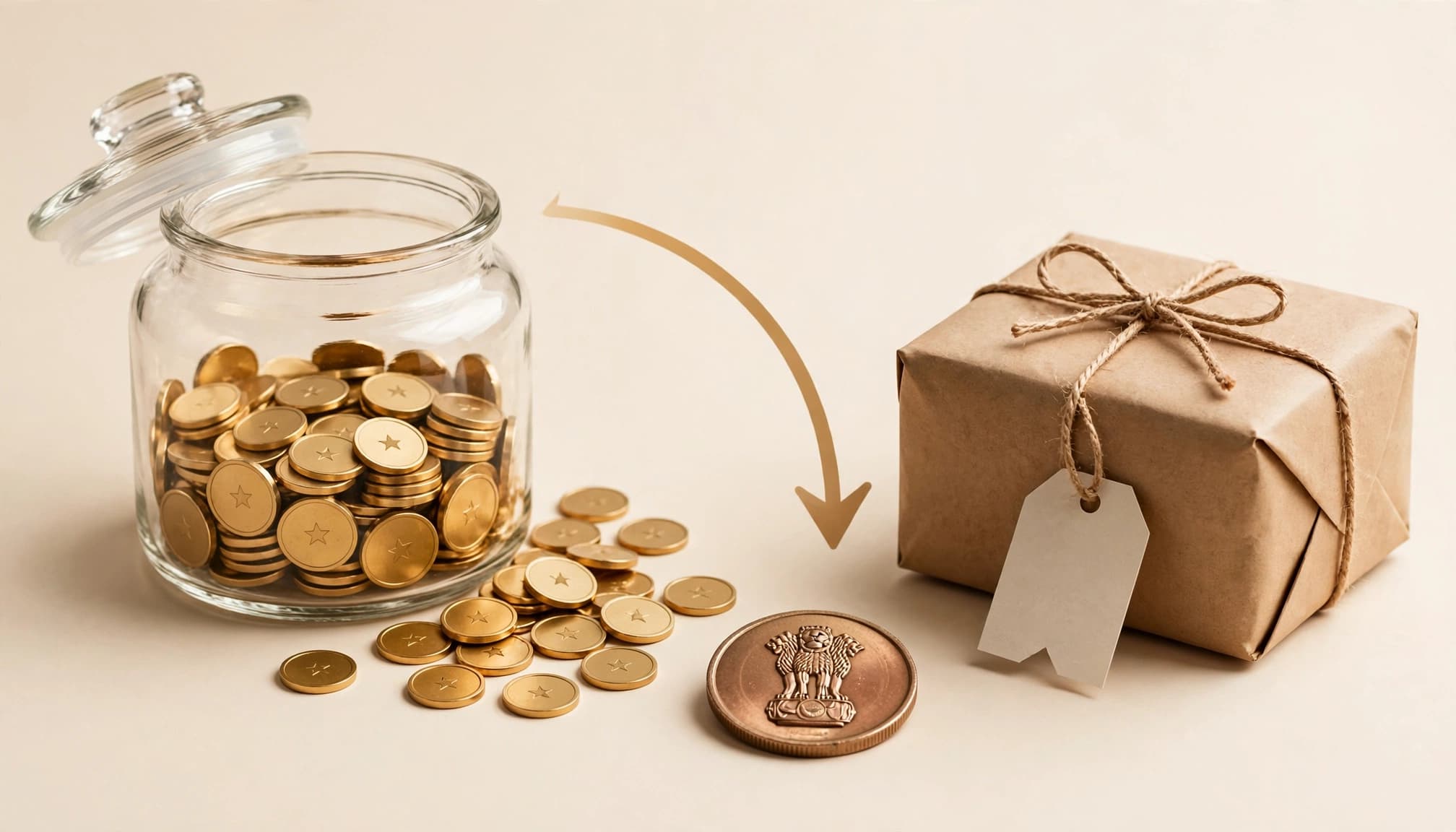
Give customers one clear earn and redeem rule. A starting structure for an Indian store could award 1 point per ₹20 of eligible spending. Make each point worth ₹1, redeemable after customers accumulate 100 points. This offers 5% back and requires ₹2,000 in spending before the first ₹100 reward.
Use eligible merchandise spending after discounts, excluding shipping and taxes.
On ₹1,000 in eligible revenue at a 40% gross margin, gross profit is ₹400. Subtract ₹100 for payment and fulfillment costs, then ₹50 for rewards. That leaves ₹250 before overhead and acquisition costs.
If customers rarely spend ₹2,000 within their normal buying cycle, lower the threshold or offer a cheaper first benefit.
Define returns, expiry, and outstanding points
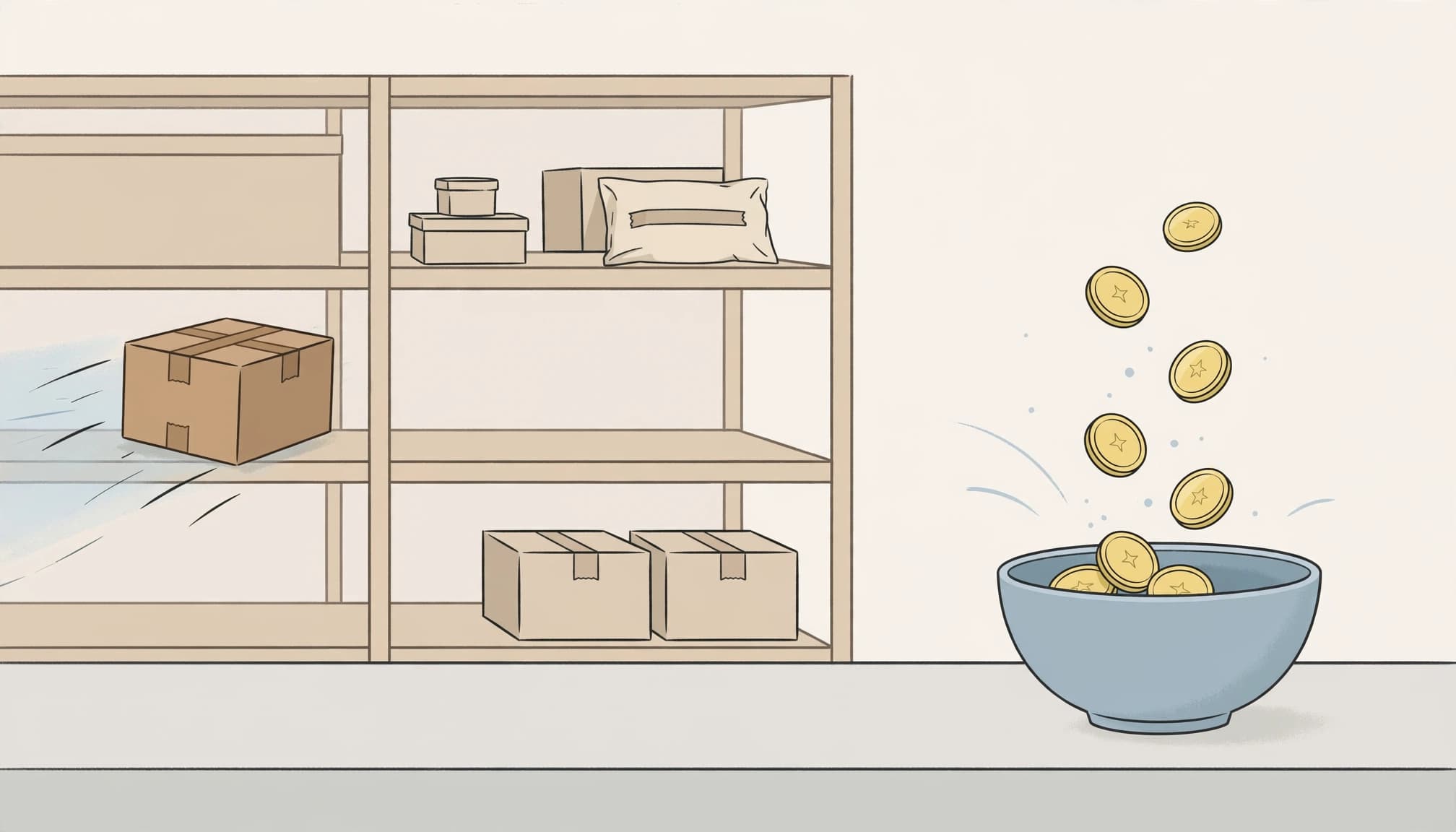
Keep points pending until delivery or the return window closes. Reverse earned points on refunded items. Explain whether redeemed points return after a cancellation.
Publish expiry dates, stacking restrictions, and how you’ll treat pre-launch orders. A one-time welcome credit is easier to explain than reconstructing years of purchases.
Track outstanding rewards monthly. At ₹1 per point, 10,000 outstanding points promise ₹10,000 in face-value benefits. A 70% redemption forecast implies ₹7,000 in expected use, but face value isn’t automatically the accounting liability. An accountant should determine recognition under applicable standards.
Before changing programs, notify members and preserve balances through a documented conversion or redemption window.
Choose Software and Test the Purchase Journey

Your loyalty software must handle the complete order lifecycle, including cancellations, partial refunds, and cash-on-delivery failures. A reward widget alone won’t cover those jobs.
Compare platforms by workflow and total cost

Smile.io, Yotpo, and LoyaltyLion are established Shopify options. Smile advertises a free plan, paid entry from $15 monthly, and Growth at $199 monthly in its published plan comparison.
Compare loyalty programs by points, referrals, VIP tiers, customer-account access, and email integrations. Also budget for order limits, paid feature upgrades, currency conversion, and implementation.
For WooCommerce, a points-and-rewards extension may fit better than a Shopify-focused service. Your developer must account for theme compatibility, checkout behavior, refund events, and plugin updates.
If your store sells online and in person, check that your omnichannel loyalty setup supports balances and redemption across both channels. Prioritize reliable exports so customer balances remain portable if you change loyalty platforms.
Launch with a controlled test

Use this launch sequence:
- Install the app or extension and configure eligible spending, pending points, reward value, and expiry.
- Connect customer accounts, order events, and permission-based messaging.
- Test mobile checkout, partial returns, cancellations, coupon stacking, and failed payments.
- Invite a small customer group before opening enrollment publicly.
For cash-on-delivery orders, release points after successful delivery and collection. Otherwise, failed deliveries can create spendable rewards without collected revenue.
Record balances before every configuration change. Give support staff the same written rules customers see, including how to correct missing points. Prioritize reliable exports so customer balances remain portable if you change your loyalty platform.
Remove Enrollment and Redemption Friction

Let shoppers join through an existing customer account or a short form. Avoid demanding birthdays, addresses, and preferences before showing the benefit.
Keep loyalty accessible in the browser. A separate app download adds friction unless customers already have a strong reason to use it.
Show loyalty members their balance, its rupee value, and their progress toward redemption. At checkout, provide an obvious reward selector so they can redeem points without finding and copying codes.
Stamp Me reports that signup rewards can build registrations three times faster. Treat that as a vendor-reported observation, not a forecast. Offer a small credit without encouraging duplicate accounts.
Coordinate reward reminders with your post-purchase email flow. Use purchase behavior or preferences to guide relevant personalization. Recent, frequent buyers may value previews; customers overdue for replenishment need a timely reminder.
An order acquired through SEO or advertising doesn’t establish marketing consent. Membership and purchase information are first-party data, and should support messaging only when permission allows it. Separate membership from promotional permission, including WhatsApp messages. Honor unsubscribes and suppress customers with unresolved complaints or refunds.
Finally, reward messaging can’t repair payment failures or surprise delivery fees. Address those through ecommerce checkout optimization before adding more offers.
Measure Profitable Repeat Purchases

Set a baseline for customer retention using comparable customer groups and a consistent buying window. Separate first-time buyers, repeat customers, and acquisition channels.
Use these calculations consistently:
| Metric | Calculation |
|---|---|
| Repeat purchase rate | Customers with at least two completed purchases ÷ purchasing customers × 100 |
| Average order value | Net sales ÷ completed orders |
| Redemption rate | Points redeemed ÷ points issued for the same tracked cohort × 100 |
| Program ROI (return on investment) | (Incremental contribution before program costs − program costs) ÷ program costs × 100 |
For cash-on-delivery stores, count delivered, paid orders and track return-to-origin separately.
Growave’s study of more than 100 Shopify brands, summarized in Shopify’s loyalty guide, found redeemers made 2.5 times as many repeat purchases and had 23% higher AOV. Redeemers may already be enthusiastic customers, so this doesn’t prove rewards caused the difference.
Antavo’s 2025 report found 83% positive ROI among owners measuring it; tiered programs reported 1.8 times the ROI. Deloitte reports 72% say programs encourage spending. Capital One Shopping reports 76% spend more and 84% are more likely to stay.
These figures aren’t Kolkata benchmarks. Customer acquisition cost estimates range from $21 to over $300 by industry. HBR’s five-to-25-times acquisition-cost comparison dates to 2014.
Where volume allows, hold back a random eligible group from promotions. For smaller lists, compare several similar cohorts and change one variable at a time. Estimate customer lifetime value using collected revenue after product, fulfillment, and retention costs.
Frequently Asked Questions

How much should a small store budget?
Add software, implementation, reward redemption, delivery subsidies, and support. A free app still creates reward costs. Set a monthly spending ceiling and include outstanding points in planning.
When does a paid membership break even?
Subtract expected benefit and servicing costs from the fee. A ₹500 fee minus ₹100 benefit costs and ₹50 servicing leaves ₹350 before overhead. If those costs exceed the fee, divide the shortfall by contribution per additional order to calculate required incremental purchases.
How soon should results appear?
Evaluate after customers have had a realistic chance to reorder. Grocery replenishment and occasional clothing purchases need different windows. Enrollment arrives sooner than reliable retention evidence.
What’s the most common launch mistake?
Making rewards difficult to reach or redeem. Another is treating setup as the whole job. Ongoing refunds, balance corrections, customer explanations, and program changes require an owner and a documented process.
Build a Reward Customers Can Reach

Your ecommerce loyalty program should make the next purchase easier to justify without consuming its profit. Start with one clear reward and test the full redemption journey.
Expand only when completed orders show additional contribution, not merely more activity.