
Franchise SEO got harder in 2026 because Google often answers local questions before people click. If your locations look inconsistent, weak, or generic, both searchers and AI systems move on fast.
That means multi-location SEO now depends on two things at once: strong brand authority and sharp local relevance. The brands that win look trusted at the corporate level and useful at the store level.
Why franchise SEO changed in 2026
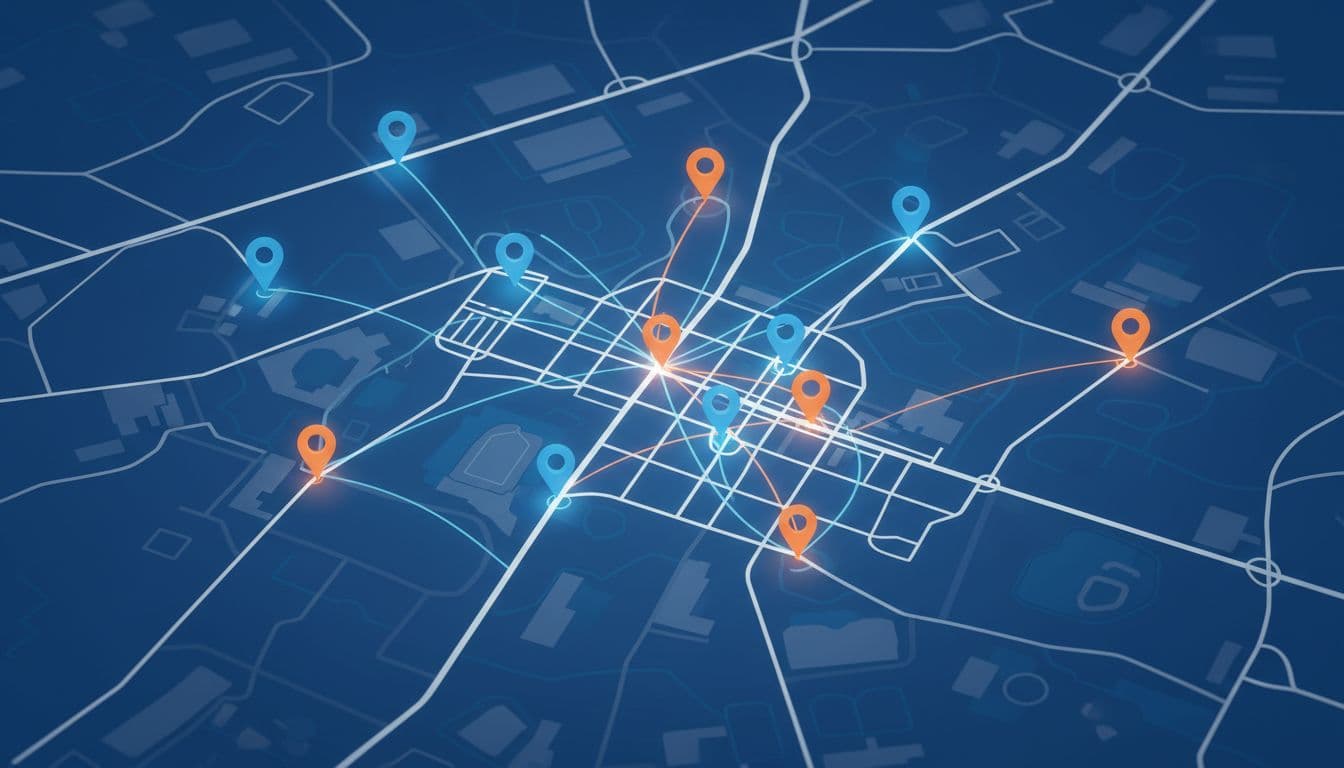
Many local searches now end as zero-click visits to Maps, AI answers, or business profiles. So your franchise can't rely on rankings alone. It has to show clear, consistent facts everywhere.
Brand authority tells Google and AI tools that your chain is real and trusted. Local relevance tells them which store matches the search. Recent 2026 reporting still shows a lot of local searches lead to store visits within 24 hours, so those details affect revenue fast.
If you want a better read on how Google's answer boxes change local visibility, this AI Overviews SEO playbook is a useful companion.
Brand authority helps the chain get trusted. Local relevance helps the right store get shown.
Scale Google Business Profile management without losing local trust

For 20 locations, spreadsheets are annoying. For 200, they break. A central system matters because Google Business Profile errors spread fast, and wrong hours or duplicate listings cost calls.
Corporate should control naming, primary categories, service lists, booking links, and photo standards. Meanwhile, local managers should handle holiday hours, store photos, short updates, and on-the-ground changes. That mix keeps brand rules tight without making every profile stale.
Also watch for common franchise mistakes: duplicate profiles, wrong categories, call tracking numbers replacing the main location number, and franchisees editing fields without a clear policy. Use bulk updates where possible, then review weak markets with geo-grid rank tracking and GBP action data.
Create local landing pages people would actually use
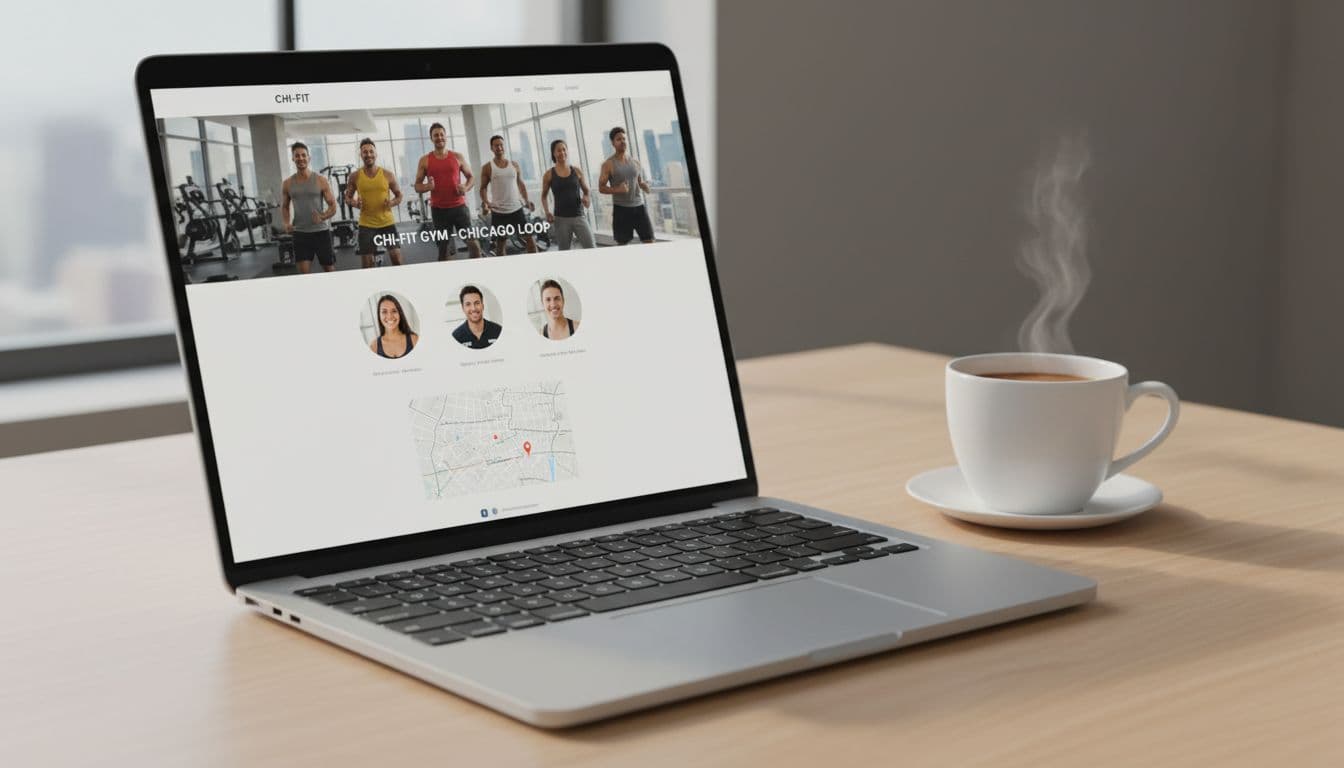
Every location needs its own page on the main domain. That page should help a real person choose that store, not exist only to chase rankings. A dental chain with 40 clinics should not publish 40 copies of the same city page with the place name swapped.
What each page should include
- Accurate name, address, phone, hours, and a matching map
- Unique photos, staff details, or store-specific proof
- Local FAQs, parking notes, service areas, or nearby landmarks
- A clear next step, such as call, book, or get directions
Keep the page focused. Corporate pages should target broad service topics. Location pages should target local intent. If you add service-in-city pages, do it only where demand is clear and the page can be truly unique.
This is also where local content matters. Highlight community events, seasonal demand, neighborhood tips, or store-level promotions. That gives the page its own reason to rank.
Use internal links to connect corporate and local pages
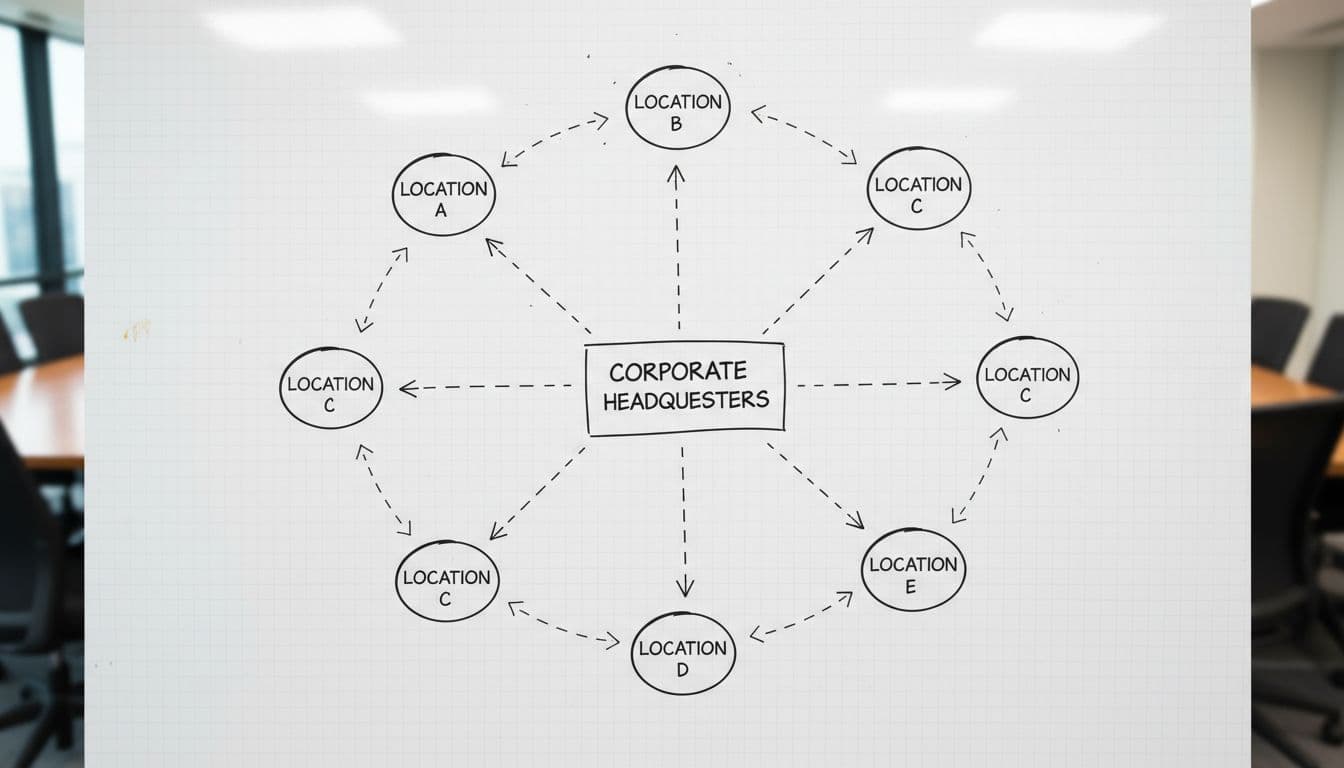
A lot of franchise sites hide their best local pages three clicks deep. That wastes authority and hurts user flow. Your internal linking should move people from brand pages to local pages without friction.
Link from each core service page to relevant location pages. Then link each location page back to its matching service page. If you have many stores, add sensible city or state hubs so users can browse by area. This also helps search engines understand the relationship between the brand and each branch.
Strong site structure depends on solid Website Development. If templates block local content, bury store pages, or create messy URLs, SEO suffers no matter how good the copy is.
Reviews, citations, and schema build local authority
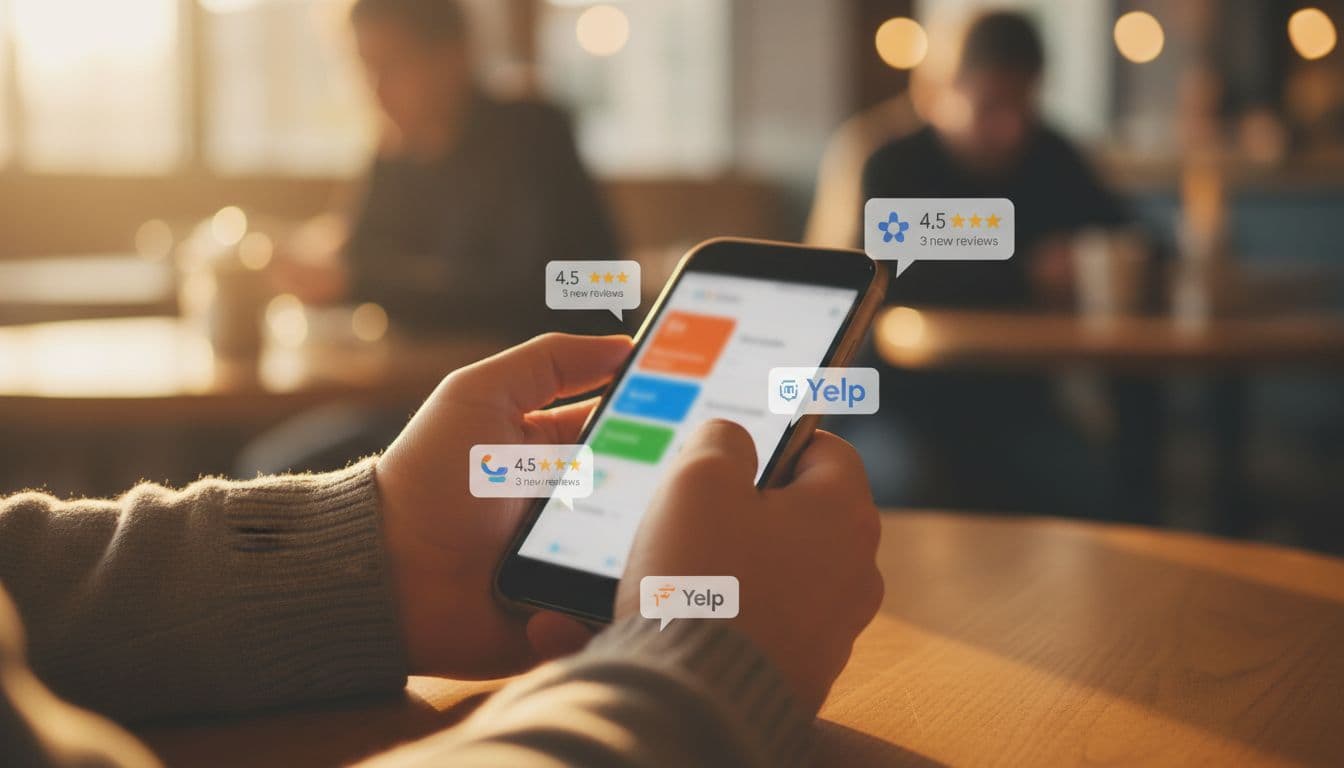
Reviews are one of the clearest local trust signals in 2026. Ask for them soon after the visit, because timing matters. Then reply to every review in a consistent brand voice, but mention the local issue or praise so the response doesn't sound robotic.
Keep your citations in sync too. Your website, Google Business Profiles, Apple Maps, Bing, Yelp, and major directories should show the same core details. Even small mismatches create doubt.
Keep every signal consistent
Add LocalBusiness schema to each location page with matching NAP, hours, and other visible details. That helps search engines and AI tools verify the store. A practical guide to local business schema markup can help if your team is rolling this out across many pages.
Measure each location like its own market
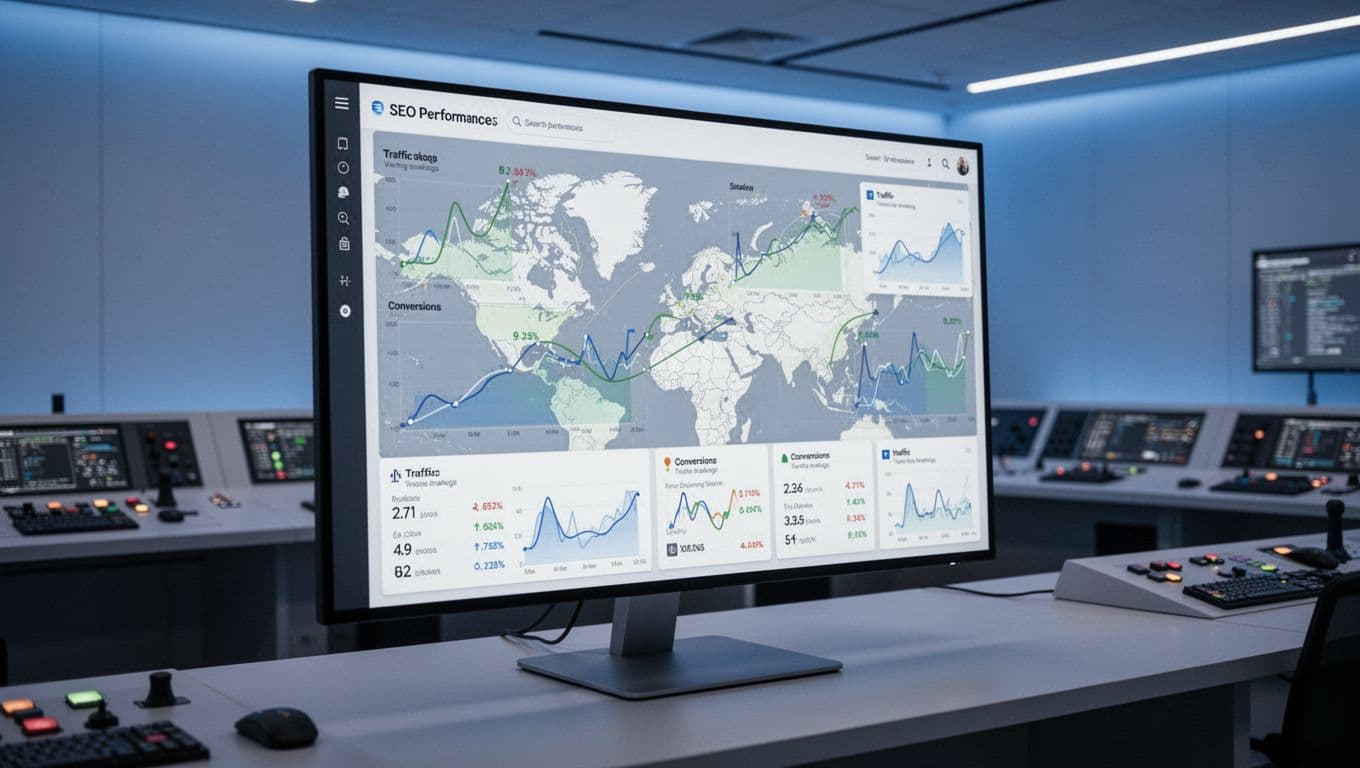
Total traffic can hide weak stores. So measure each location on its own, then compare markets side by side. A simple stack is GA4, Search Console, GBP insights, and one local rank tracker.
Franchise growth gets easier when DIgital Marketing, SEO, Performance Marketing, Social Media Marketing, and Website Development all use the same location names, landing pages, and reporting periods.
Here are the numbers worth checking every month:
| Metric | Why it matters |
|---|---|
| Local pack rank | Shows visibility in the places people decide fast |
| GBP actions | Tracks calls, clicks, and direction requests |
| Organic sessions and leads | Tells you which location pages bring real demand |
| Review rating and volume | Shows trust and helps explain market differences |
Also watch brand search volume and AI result visibility where you can. If one location gets traffic but few calls, the problem may be conversion, not rank. If your team has outgrown manual reporting, Get In Touch With Us for help building a cleaner franchise search system.
Conclusion
Franchise SEO works best when every location feels local without feeling disconnected from the brand. That's the balance that matters in 2026.
When profiles, pages, reviews, citations, links, and reporting all support the same story, search engines trust you more and customers choose faster. Build that system once, then make every new location fit it.