

A bad Local Services Ads lead still hurts. The difference in 2026 is that LSA invalid lead disputes no longer work like the old manual appeal process.
If you’re a local service business owner, the job now is simple: rate bad leads fast, document what happened, and keep your settings tight. That sounds small, but it changes how you recover wasted spend and improve lead quality over time.
What changed with Local Services Ads lead disputes in 2026
Google’s current system is built around automation. While Google’s Local Services Help still talks about lead credits and disputes, most advertisers now deal with an automated review model instead of a manual case-by-case appeal. Recent reporting on the shift to automation also points to the same reality, as shown in this breakdown of automated LSA reviews.

That means you usually can’t argue a bad lead with a person anymore. Instead, you rate the lead, choose the closest reason, and let Google’s system decide whether a credit applies. Current 2026 reports say the review often happens within about 72 hours of the charge, and approved credits usually show on billing within 30 days.
The bigger surprise is what no longer gets credit. Many location mismatches and service mismatches are now treated as account setup issues, not invalid leads. If your ad reached someone outside your service area, or you forgot to remove a job type, the system may charge you anyway.
Google is judging lead validity, not whether the lead was ideal for your business.
That makes settings and daily lead review far more important than they were a few years ago.
The step-by-step workflow for a bad LSA lead
When a weak lead comes in, speed matters. A consistent process beats a heroic cleanup at the end of the month. If you want a second source on the newer review flow, this 2026 LSA lead credit guide lines up with what many advertisers now see inside their accounts.
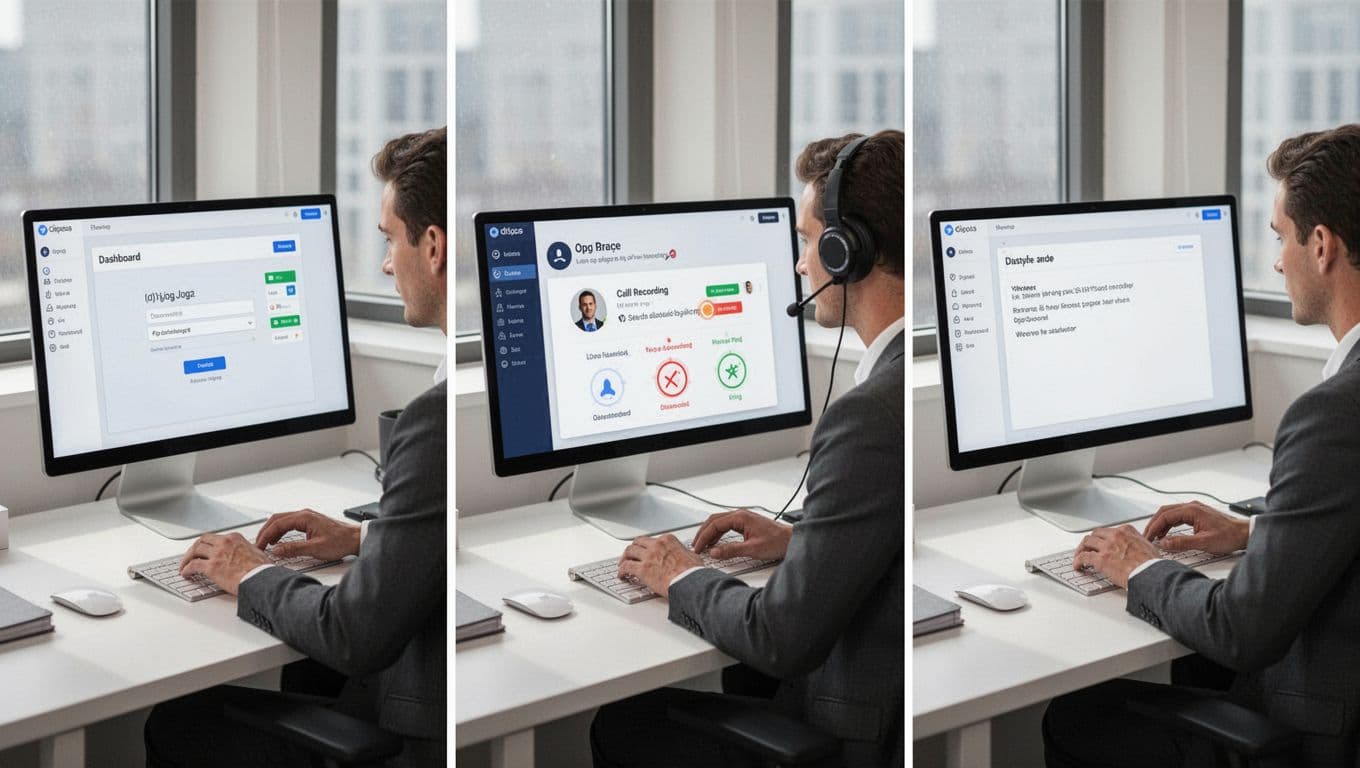
- Open the lead in your Local Services Ads dashboard the same day it arrives.
- Listen to the call recording, or read the message, before rating it.
- Mark the lead as dissatisfied, then choose the closest reason available.
- Add short notes with facts, not emotion. “Sales call,” “duplicate caller,” or “wrong business” works better than “bad lead.”
- Save the outcome in your CRM or call log so your team sees the same history.
- Check billing later for the credit, because approvals can take up to 30 days to appear.
A good owner or office manager can do this in a few minutes per day. The key is to make it routine. Assign one person to review every charged lead before close of business. If calls are coming in after hours, review them first thing the next morning.
You should also coach whoever answers the phone to confirm two facts early, the caller’s location and the exact service needed. If it’s a mismatch, end the call politely and fast. Long calls on bad fits waste time, and they don’t improve your odds of getting a credit.
Which leads are likely to get credit, and which are not
The fastest way to reduce frustration is to stop treating every weak lead like a disputable one. Some are poor quality. Others are clearly invalid.

This quick table shows the difference:
| Lead scenario | Credit likelihood | Why |
|---|---|---|
| Robocall, spam, or solicitation | Often credited | No real customer intent |
| Duplicate lead from the same person and issue | Often credited | Repeated charge for the same contact |
| Caller wanted a different company | Often credited | Wrong business |
| Real caller outside your target area | Usually not credited | Often treated as a settings issue |
| Caller wants a service you left enabled | Usually not credited | Often treated as an account setup issue |
| Real prospect who hangs up, price shops, or decides not to book | Not credited | Google charges for the lead opportunity, not the sale |
The main takeaway is simple. Local Services Ads charge for the chance to talk to a prospect, not for a booked job. So a real caller with low buying intent may still count as valid.
That also explains why service-area mistakes hurt twice. You pay for the bad match, then you often can’t recover the charge.
Documentation and habits that improve results
Even without manual appeals, documentation still matters. Clear records help your team rate leads the same way every time, and that gives Google’s system better feedback over time.
Keep four items for every questionable lead:
- The call date and time
- A one-line summary of what happened
- The reason you selected in LSA
- Any proof of duplication, spam, or wrong business
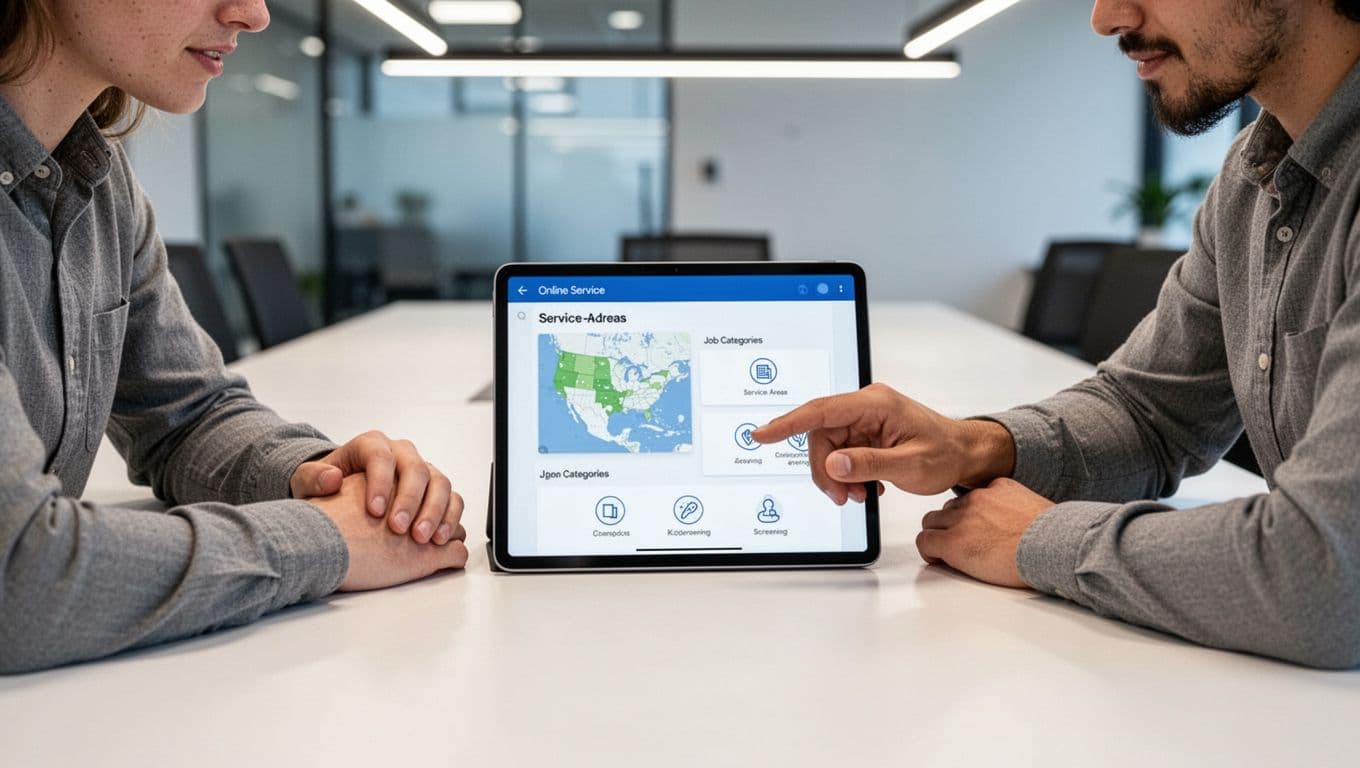
Then fix prevention issues every week. Review service areas, job types, hours, and booking settings. If your lead mix is sloppy, pair LSA with a stronger Google Ads campaign structure for leads so your broader search traffic is cleaner too.
LSA should support your broader DIgital Marketing plan, including SEO, Performance Marketing, Social Media Marketing, and Website Development. If you need help tightening lead quality across Local Services Ads and your wider paid search setup, Get In Touch With Us.
Conclusion
Bad leads still happen, but the winning response in 2026 is operational, not emotional. Review every charged lead quickly, rate it with clear facts, and keep your profile settings accurate.
The businesses that recover more spend usually do one thing better than everyone else: consistency. They don’t wait for a bad month to notice a broken process.