

If your Google Ads account gets clicks but too many weak leads, the problem often sits in one place, your search terms report. Search terms mining is how service businesses find what people actually typed, cut junk traffic, and turn strong queries into profitable growth.
In 2026, this matters more because searches are longer, voice-led, and matched by intent, not just exact wording. That means good campaign management feels less like guesswork and more like sorting gold from gravel.
Why search terms mining matters more in 2026
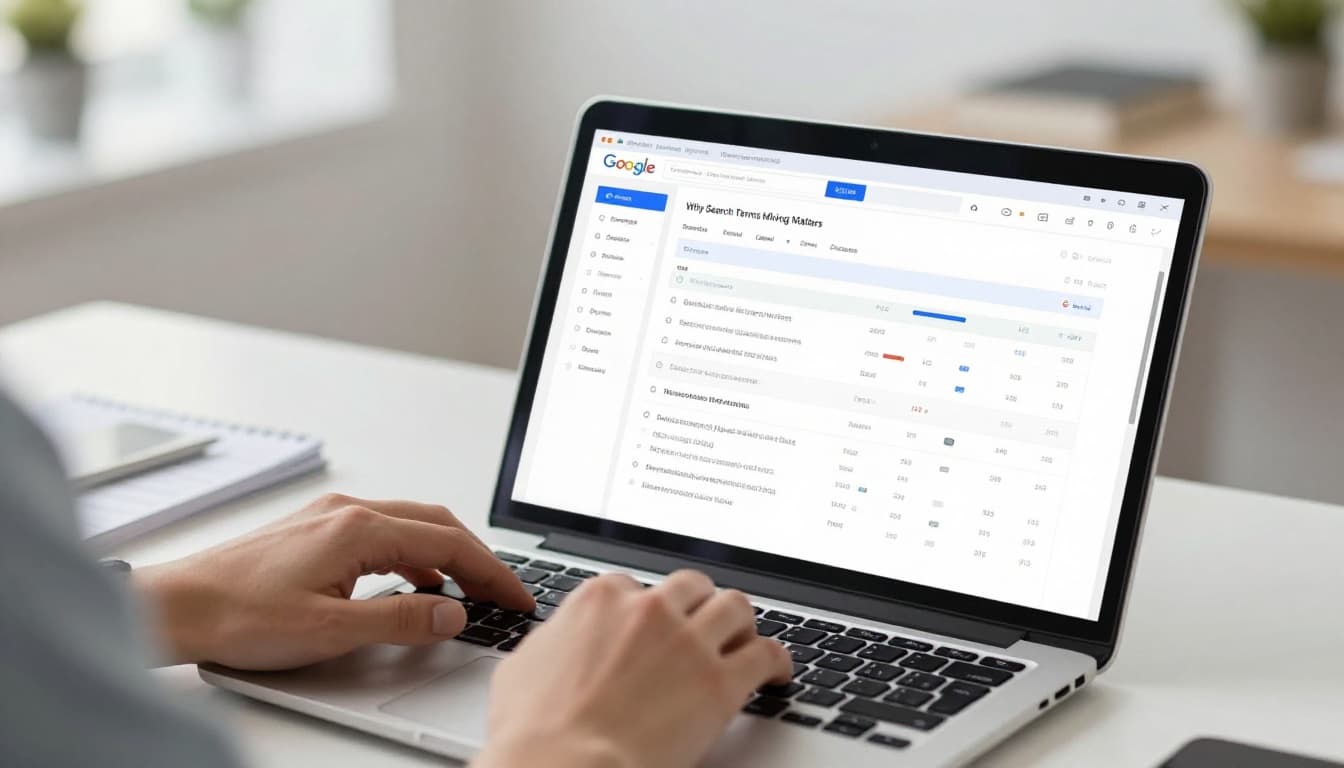
A few years ago, you could watch short keyword phrases and react fast. Now, service businesses see longer, messier searches. Someone may type, “who fixes leaking water heater near me today.” Google often matches on meaning, not just words.
That helps reach new demand. It also opens the door to bad matches.
For local lead generation, one irrelevant theme can drain budget fast. Think “free advice,” “jobs,” “salary,” “DIY,” or “training.” Those clicks look real in the platform, but they rarely book revenue.
Good search terms mining fixes three things at once:
- Wasted spend: You block low-intent traffic before it grows.
- Lead quality: You push budget toward searches with service intent.
- Campaign learning: You feed Google better signals over time.
If your structure is loose, mining gets harder. That’s why a clean setup still matters, even in automated accounts. Both WordStream’s account structure guide and this practical piece on what actually works in Google Ads in 2026 point to the same truth: intent, data quality, and account design now matter more than giant keyword lists.
Build campaigns that make mining easier
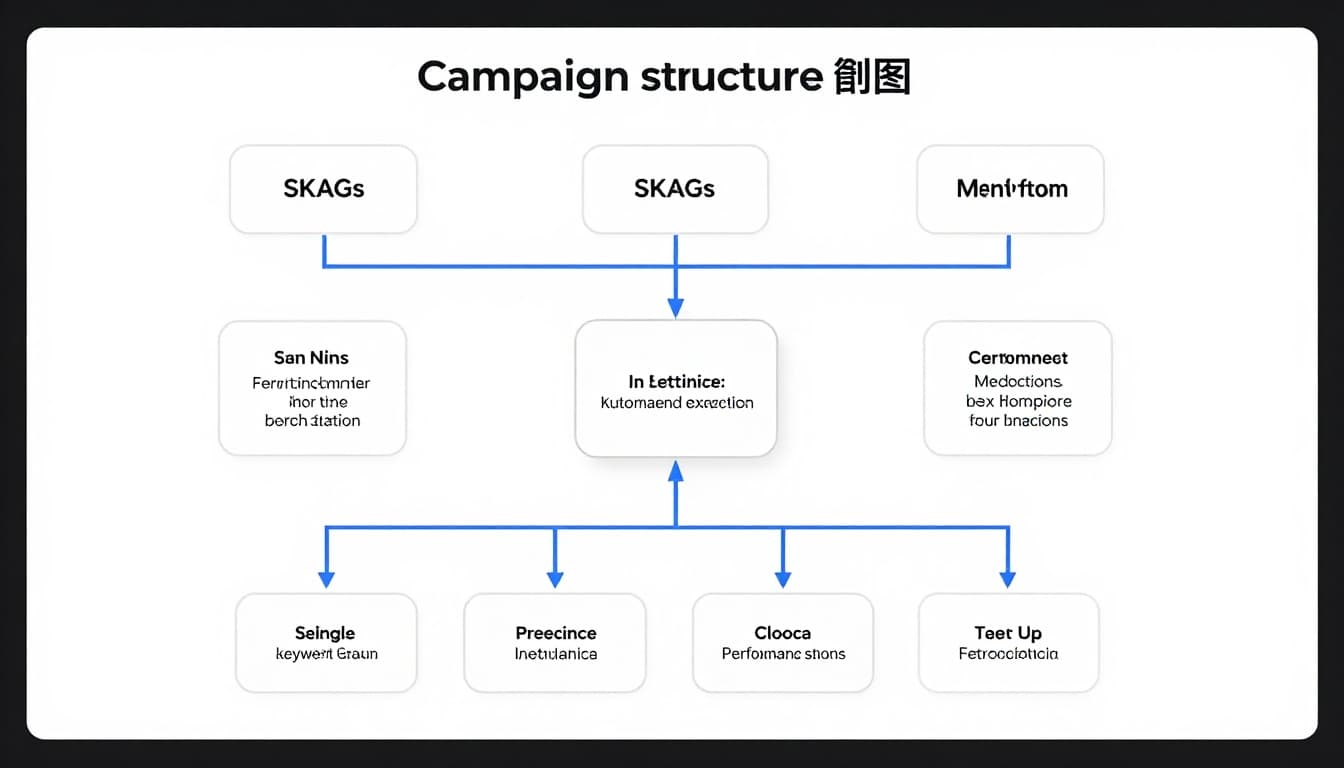
Search terms mining starts before the first click. If campaigns mix services, locations, and funnel stages, the report becomes a junk drawer.
For service businesses, separate campaigns by service line, location intent, and brand vs non-brand. Within each, keep ad groups tight enough that you can spot patterns fast. This guide on Google Ads campaign structure for qualified leads is a strong model.
A simple mining-friendly setup looks like this:
- Emergency service
- High-value core service
- Long-tail problem searches
- Brand protection
- Competitor, if allowed and profitable
Then treat broad match carefully. Broad can work well in 2026, but only when paired with strong conversion data, clear landing pages, and steady review. For automated campaigns, keep Search and Performance Max campaign setup for services distinct in your reporting, so you know where query quality slips.
Bad structure hides waste. Clean structure makes waste obvious.
A weekly SOP for pulling and tagging search terms
Run this workflow every week. In faster-spending accounts, do it twice.
- Pull the report for the last 7 to 14 days, split by campaign and conversions.
- Add lead-quality columns in a sheet, such as booked job, qualified call, spam, job seeker, and wrong location.
- Tag each query as one of four types: high intent, research, irrelevant, or risky.
- Sort by spend first, then clicks, then conversions. Waste usually hides in spend, not volume.
- Check landing page fit. A good query can still fail if the page misses the need.
- Promote or block. Add winners as exact or phrase keywords. Add losers as negatives.
- Log themes, not just single queries. “repair cost,” “DIY,” and “jobs” are patterns.
For example, a plumbing company shouldn’t only look at CPL. It should ask, “Did this query create a real service call?” That’s why offline feedback matters. If you use Smart Bidding, pair this review with the right Google Ads bid strategy for service businesses, or Google may learn from weak leads.
Turn good terms into keywords, bad terms into negatives
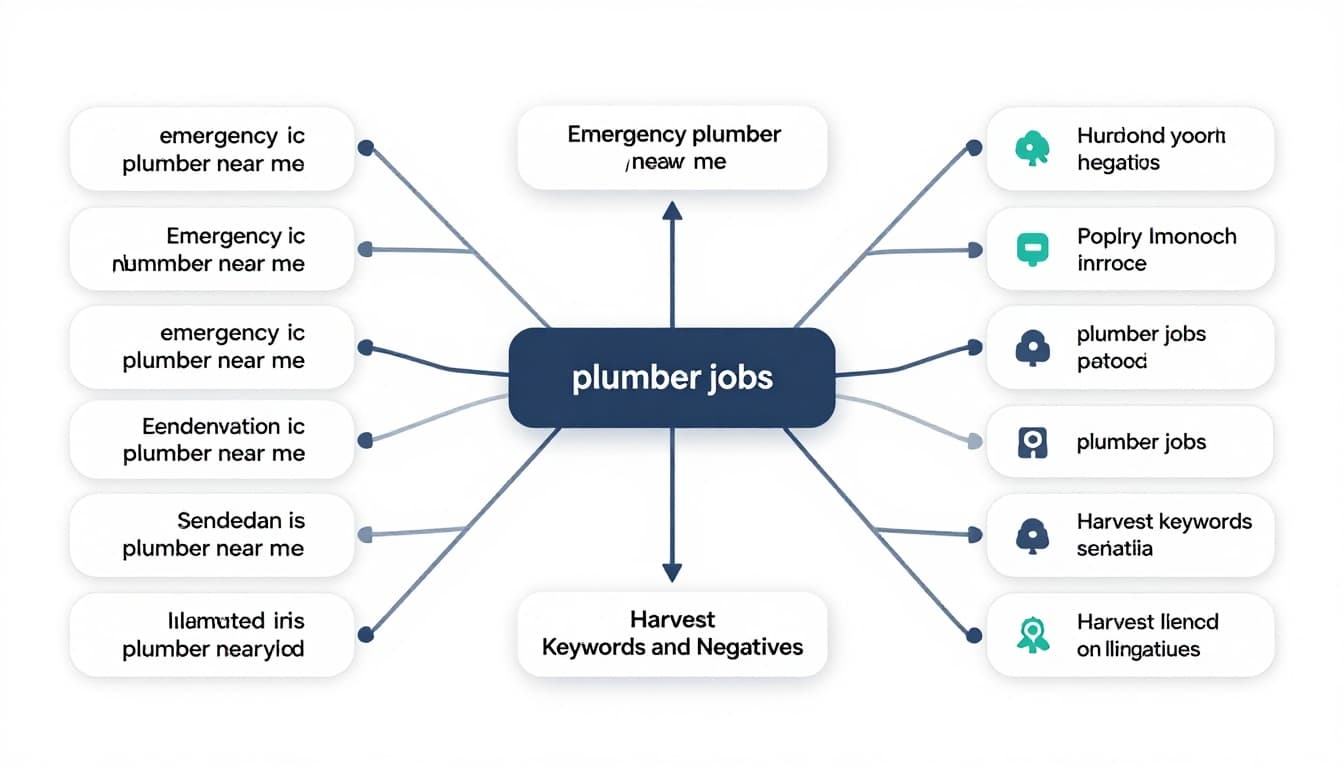
This is where search terms mining pays off. Don’t promote every query that converted once. Promote the ones that match your service, location, and sales process.
Here’s a fast decision table:
| Search term | Action | Why |
|---|---|---|
| emergency plumber near me | Add as exact | Strong service intent |
| same day drain cleaning cost | Add as phrase | Good problem + urgency |
| plumber jobs | Add negative | Job seeker, not buyer |
| how to fix clogged sink | Add negative or watch | DIY intent |
| plumbing school near me | Add negative | Training intent |
| best plumber reviews in dallas | Keep, test landing page | Local comparison intent |
Use shared negative lists for repeat junk themes, like jobs, salary, course, training, DIY, free, parts, wholesale, and map-only locations you don’t serve.
Still, don’t go wild with negatives in large-volume accounts. Some high-scale campaigns now perform better with fewer blockers because Google’s automation needs room to learn. Smaller service accounts usually need tighter control.
A good rule is simple: block clear junk, watch mixed-intent terms, and promote proven buyer language.
Automate the workflow without losing lead quality
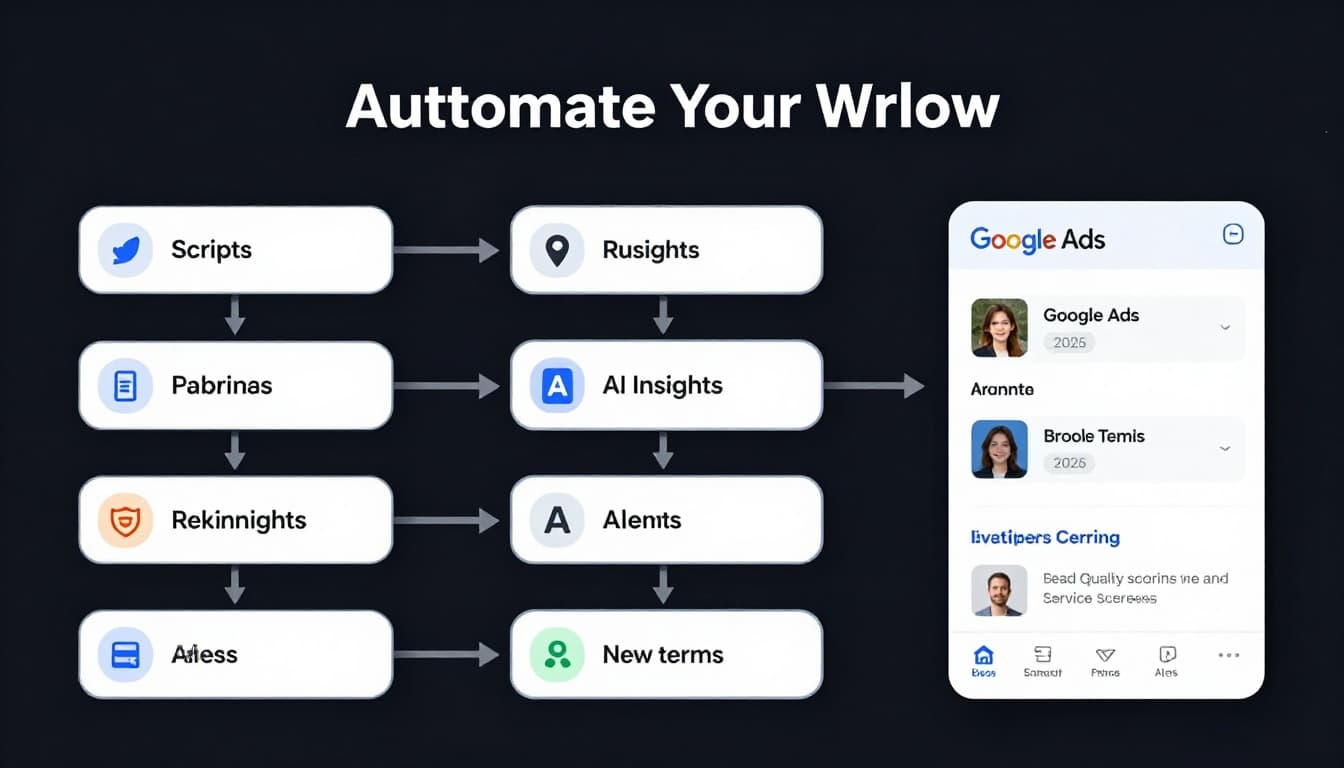
Automation helps, but it won’t save a bad process. In 2026, the best setup blends machine help with human review.
Use alerts for sudden spend spikes, new query themes, and drop-offs in qualified lead rate. Push CRM outcomes back into Google Ads when you can. A booked estimate means more than a form fill. A sales-qualified lead means more than a 20-second call.
Keep this checklist short:
- Review new query themes weekly
- Audit auto-created assets monthly
- Compare qualified leads by campaign type
- Watch search terms after landing page edits
- Refresh negatives by theme, not one by one
If you want a deeper process for ongoing review, this search term report optimization guide is useful.
The best accounts don’t try to control every match. They build a repeatable filter, then teach Google what a good lead looks like.
Search terms mining is that filter. Do it every week, and your account gets cleaner, cheaper, and smarter. Skip it, and you’ll keep paying for people who were never going to call.