

Most service leads don’t book on the first visit. They compare options, get distracted, or decide to wait until the problem feels urgent.
That’s why google ads remarketing still matters in 2026. When you set it up well, it brings warm prospects back and turns missed clicks into calls, forms, and booked appointments. The key now is tighter audience building, cleaner tracking, and smarter follow-up.
Why Google Ads Remarketing Still Wins Service Leads
Remarketing works because service decisions often happen in stages. A homeowner may visit your plumbing page at night, then call the next morning. A person looking for dental implants or legal help may come back a week later after reading reviews and talking to family.
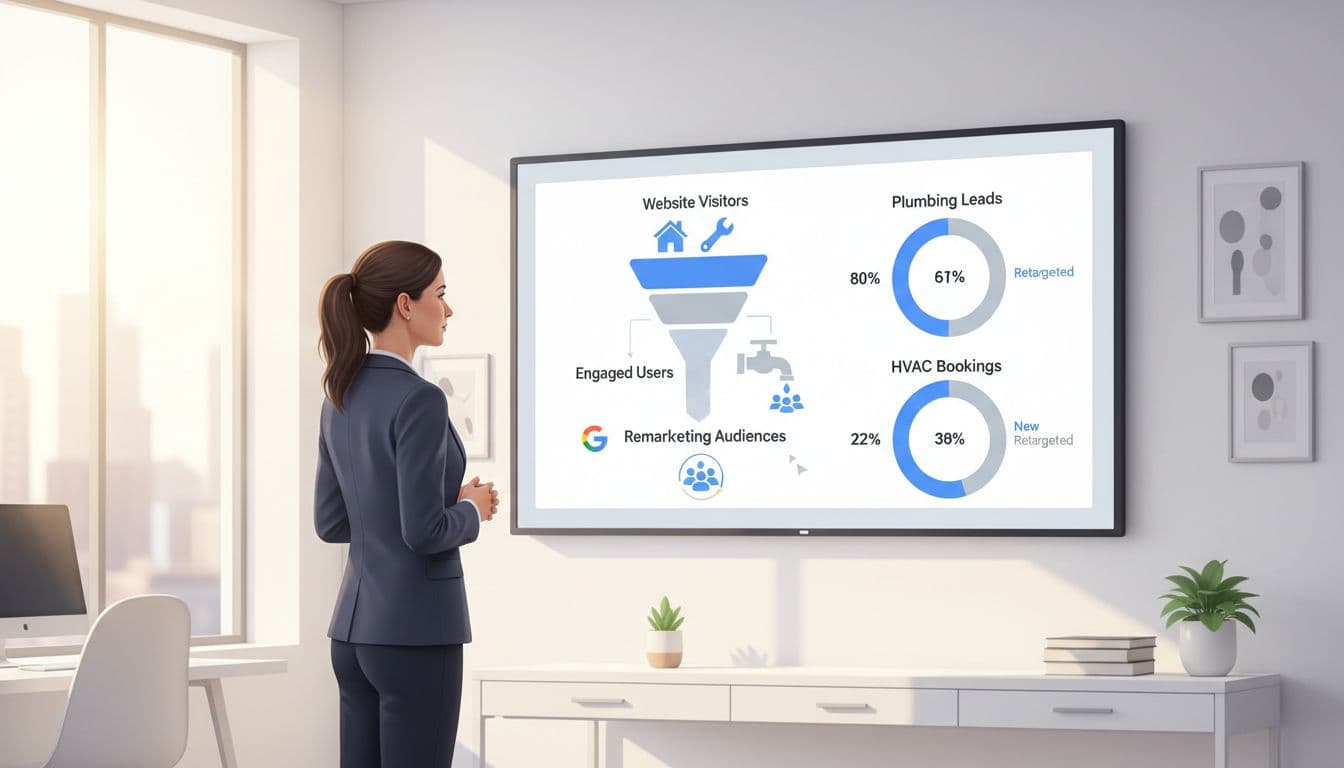
In other words, remarketing is a smart callback. It reminds people who already know your business. Because of that, the traffic is warmer and usually easier to convert than cold traffic. Still, it won’t fix a weak account. Start with a solid Google Ads campaign structure for qualified leads before you scale remarketing spend.
For most service businesses, these are the formats worth using first:
| Format | Best use | Main lead goal |
|---|---|---|
| Standard Display | Bring back recent site visitors | Form fills and appointment bookings |
| RLSA for Search | Increase bids when past visitors search again | Calls and high-intent form leads |
| YouTube or Demand Gen | Stay visible during longer decision cycles | Branded searches and return visits |
RLSA often gives the fastest win. If a past roofing visitor later searches “roof repair near me,” that’s a far better signal than a random first-time searcher. Meanwhile, Display and video help you stay visible between visits. Google keeps adding more AI-led placements in 2026, but for most local lead generation, Search remarketing still gives the cleanest path to real inquiries.
Build Smaller, Smarter Audiences With Privacy in Mind
Broad “all visitors” lists are usually too blunt now. Smaller audiences often work better because the message can match the visitor’s intent.
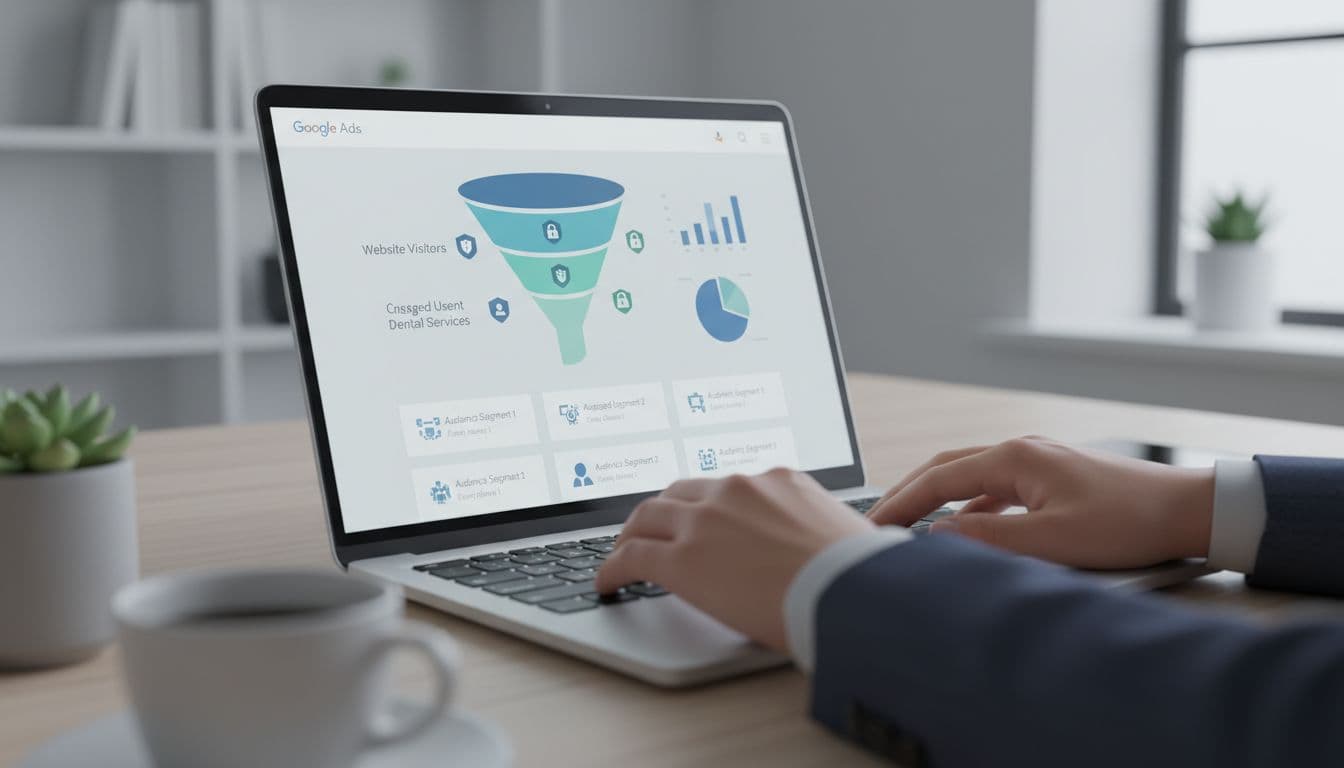
Start with first-party actions that show buying intent. Good service-business audiences include pricing-page visitors, service-page viewers, form starters who didn’t submit, and callers who reached a useful call length but didn’t book. Also separate short-window and long-window lists. An HVAC repair list may work best at 7 to 30 days. A cosmetic dentistry or family law list may need 60 to 90 days.
Privacy rules also shape performance now. If your consent banner, tagging, and audience rules don’t line up, list sizes can drop fast and reporting gets fuzzy. It helps to review Google’s personalized ads policy update and a plain-English Consent Mode v2 guide with your marketer or developer.
The best remarketing audience is often the smallest one, the people who almost booked.
Keep existing customers separate from new prospects unless the campaign is for maintenance plans, follow-ups, or upsells. Also, if your agency uses Demand Gen and API-heavy workflows, watch Google’s upcoming changes to Lookalike user lists. Duplicate list habits will be harder to manage after April 30, 2026.
Create Ads That Push Warm Leads to Act
A warm visitor doesn’t need another generic brand ad. They need a reason to return now.
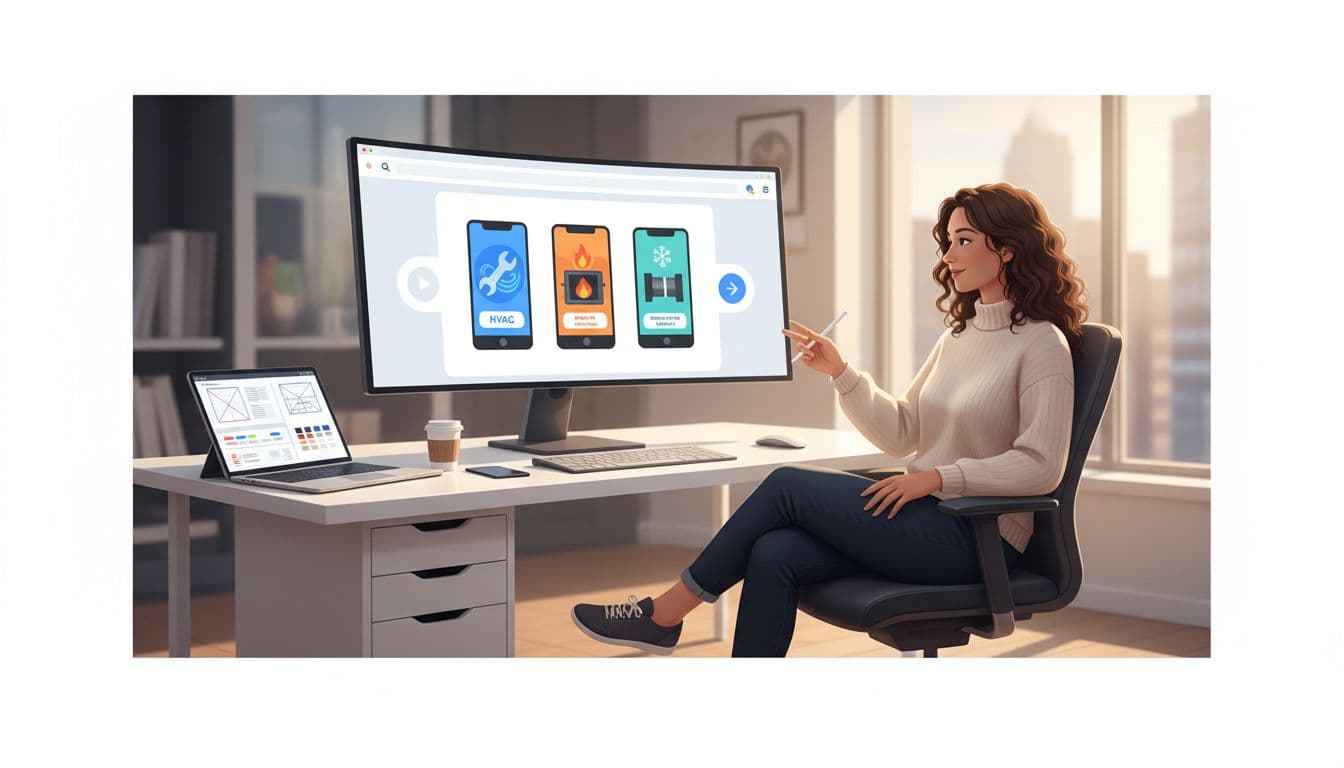
Match the ad to the page they viewed. Someone who visited drain cleaning should see fast response, local trust, and a clear booking step. A dental visitor who checked implant pricing should see financing, reviews, and a consult offer. A legal prospect who read your custody page should see direct help, not a broad “learn more” message.
Keep the creative simple. One service, one offer, one CTA. For service businesses, the strongest CTAs are usually “Call now,” “Book appointment,” or “Get a quote.” Use call assets and lead form assets where they fit, but send traffic to a page built for one action. Don’t send remarketing clicks to your homepage.
Google’s AI features can widen reach, and a strong Performance Max setup for service leads can support remarketing goals. Still, keep a separate Search remarketing campaign for past visitors who search again. That gives you tighter control over bids, copy, and lead quality. Also refresh proof points often. Reviews, emergency hours, insurance accepted, or financing options can lift response without changing the whole campaign.
Target Local Areas and Measure What Closes
Local service campaigns waste money when they follow everyone everywhere. A dentist with one office doesn’t need statewide remarketing. A plumber shouldn’t pay to re-engage visitors outside the service zone.

Trim geography to the places you can serve well. Then bid harder on high-intent audiences inside your best ZIP codes or city clusters. Run stronger during staffed phone hours. If your team can’t answer calls after 8 p.m., don’t let remarketing push hard then. Also keep negative keywords tight, because Search remarketing can still burn spend on weak queries.
The bigger issue is measurement. Judge remarketing by qualified calls, booked appointments, and good form submissions, not by click-through rate alone.

Track calls over a useful length. Track thank-you pages. Import offline outcomes from your CRM, such as attended consults or sold jobs, so Google learns what a good lead looks like. This Google Analytics conversion tracking guide is a good refresher if your forms, call events, or booking pages aren’t mapped cleanly yet. If you collect lead data across multiple states, review current US state privacy laws in 2026 before syncing everything across tools.
Google Ads remarketing works best when it acts like a smart follow-up, not a banner chase. Smaller audiences, tighter offers, and clean lead tracking beat broad reach every time.
If your campaign treats every past visitor the same, fix that first. Split audiences by intent, connect tracking to real outcomes, and measure booked appointments and qualified calls above everything else.