

If your cost per lead is rising, google ads quality score may be part of the story. Not because it fixes everything, but because it exposes weak spots in your Search campaigns.
For service businesses, 2026 is less about chasing clicks and more about matching intent, page experience, and lead quality. Think of Quality Score like a fit test between the search, the ad, and the page someone lands on.
What Google Ads Quality Score Means in 2026
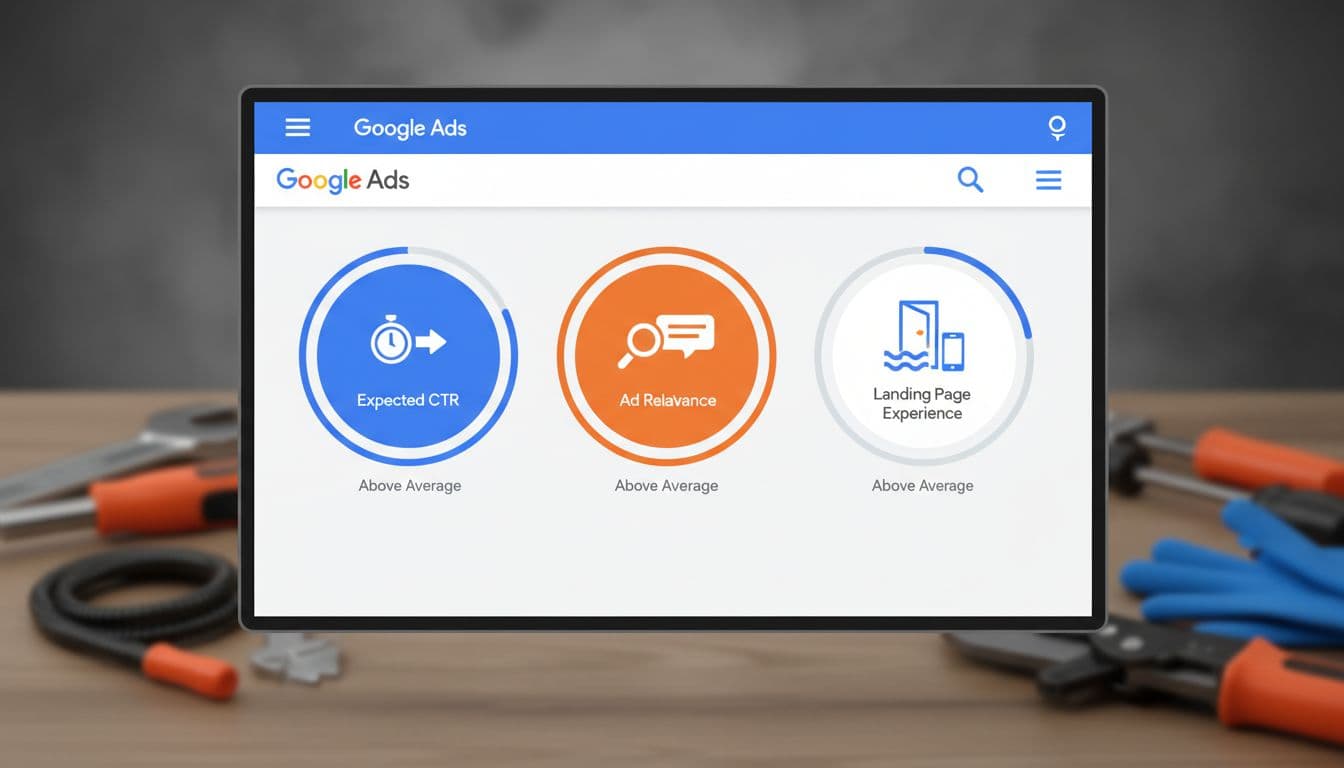
Quality Score is still a 1 to 10 rating, and in 2026 it still matters most in Search campaigns. It is not the same thing as Performance Max quality, and it is not the main ranking system for Local Services Ads.
Google still looks at three signals. For service brands, the fastest gains usually come from tighter intent matching and better landing pages. Several recent breakdowns, including this 2026 Quality Score guide, point in that same direction.
Here’s the quick view:
| Signal | What Google wants | Best fix for service ads |
|---|---|---|
| Expected CTR | People are likely to click | Clear, specific ad copy |
| Ad relevance | The ad matches the query | Tighter keyword grouping |
| Landing page experience | The page helps fast | Better match, speed, mobile UX |
If your account is messy, start with a tighter Google Ads campaign structure for higher Quality Score. A plumbing ad group for “drain cleaning” should not also carry “water heater install.”
Improve Expected CTR Without Attracting Bad Leads
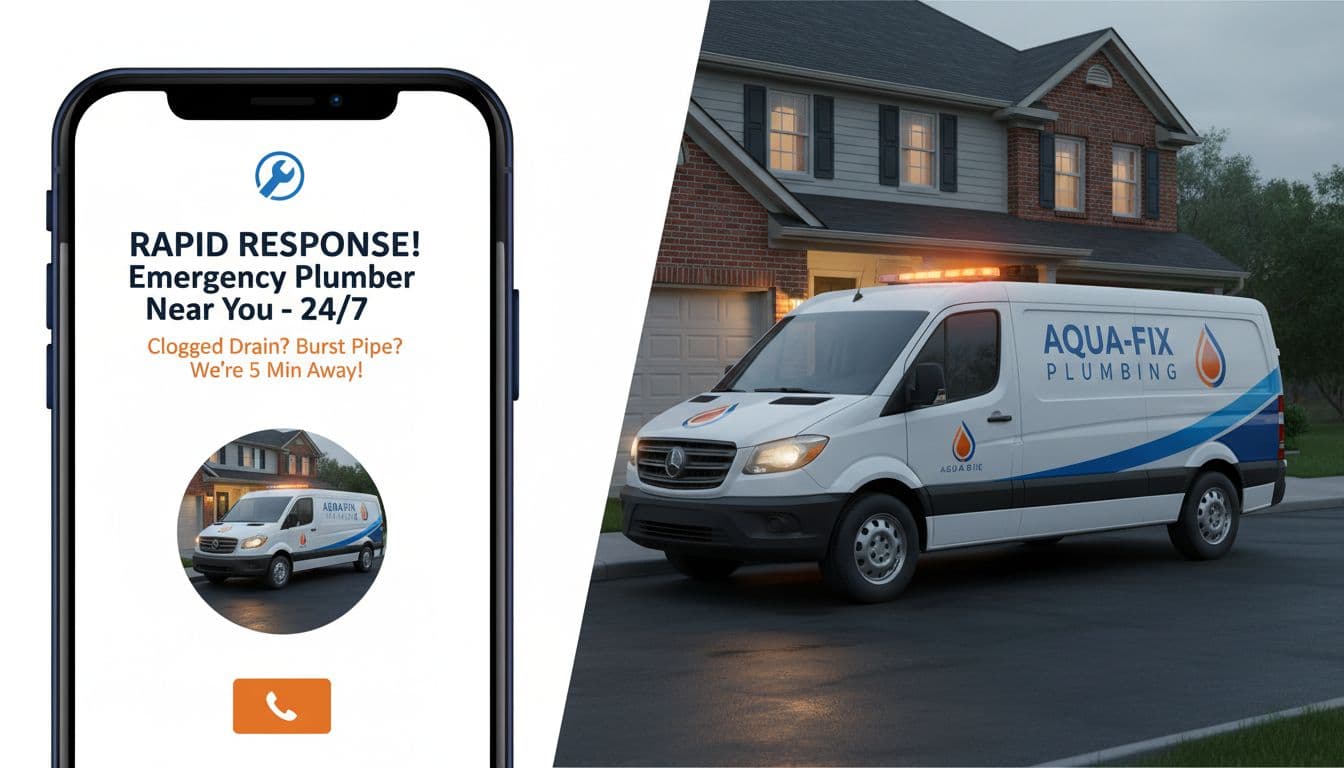
A better click-through rate helps, but junk clicks hurt more than they help. That is where many service advertisers go wrong.
An HVAC company might write “Fast HVAC Help Today.” That sounds fine, but it is vague. “Emergency AC Repair, Same-Day Service” is tighter and filters better. The more your ad sounds like the search, the less wasted traffic you buy.
Use qualifiers on purpose. Add things like service area, job type, license status, or response time. A family law firm can say “Divorce Lawyer in Phoenix” instead of “Trusted Legal Help.” A dentist can say “Dental Implants Consultation” instead of “Top Dental Care.”
A higher CTR means little if the wrong people keep clicking.
Run a steady copy testing process to improve expected CTR. Test one variable at a time, usually headline angle, urgency, or qualifier. Keep the ad that brings qualified calls, not only the ad that earns more clicks.
Match Ads to Search Intent, Not Broad Themes
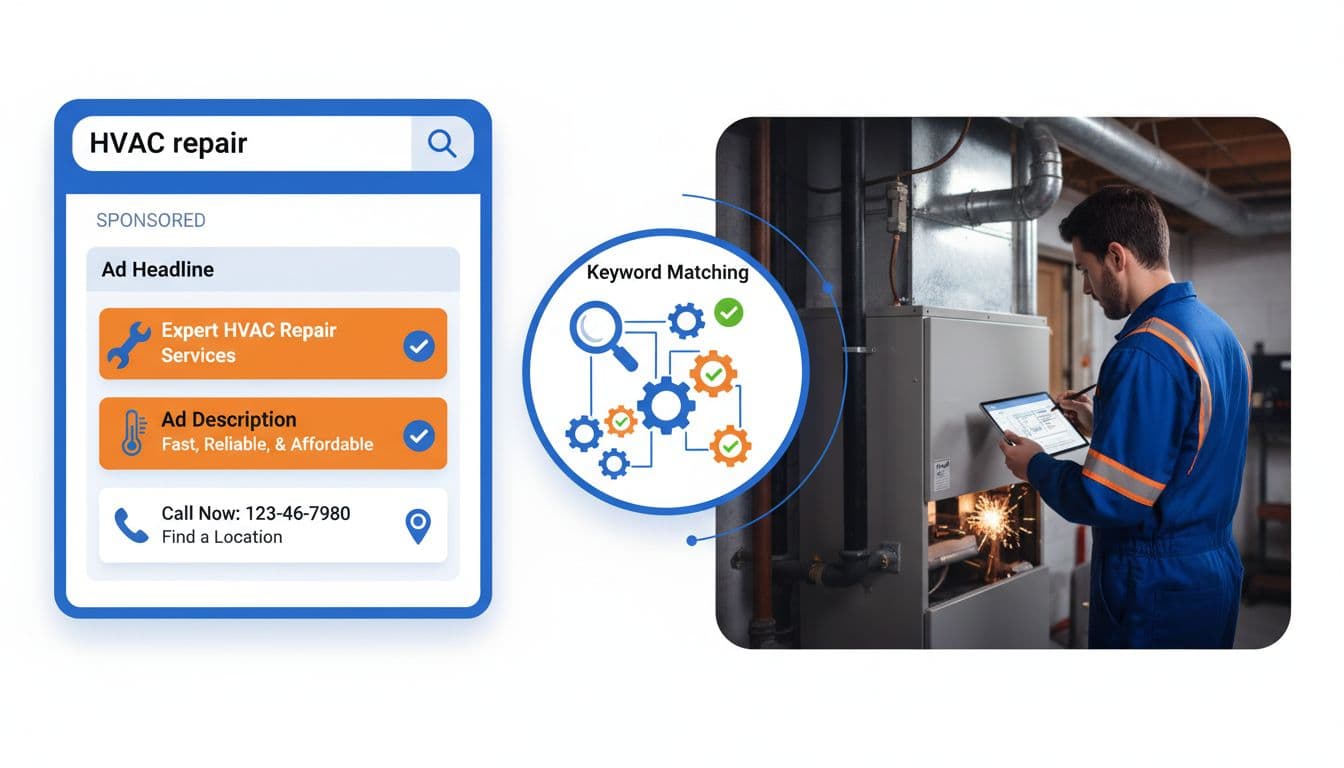
Search intent matters more in 2026 because automation can amplify mistakes. If broad match and Smart Bidding pull in loose queries, costs climb fast.
So, split campaigns by intent and urgency, not only by service category. For a plumber, “emergency plumber,” “water heater repair,” and “bathroom remodel plumbing” should not share the same ad copy. Those searches come from different buyers.
The same rule applies to dental, legal, and home service accounts. “Dental implants cost” needs a different ad and page than “emergency dentist near me.” “DUI lawyer” should not live beside “estate planning attorney.”
Review search terms every week. Then add negatives and build new ad groups from winning queries. A simple search term analysis for better ad relevance often lifts Quality Score faster than bid changes do.
Fix Landing Page Experience Before Raising Bids
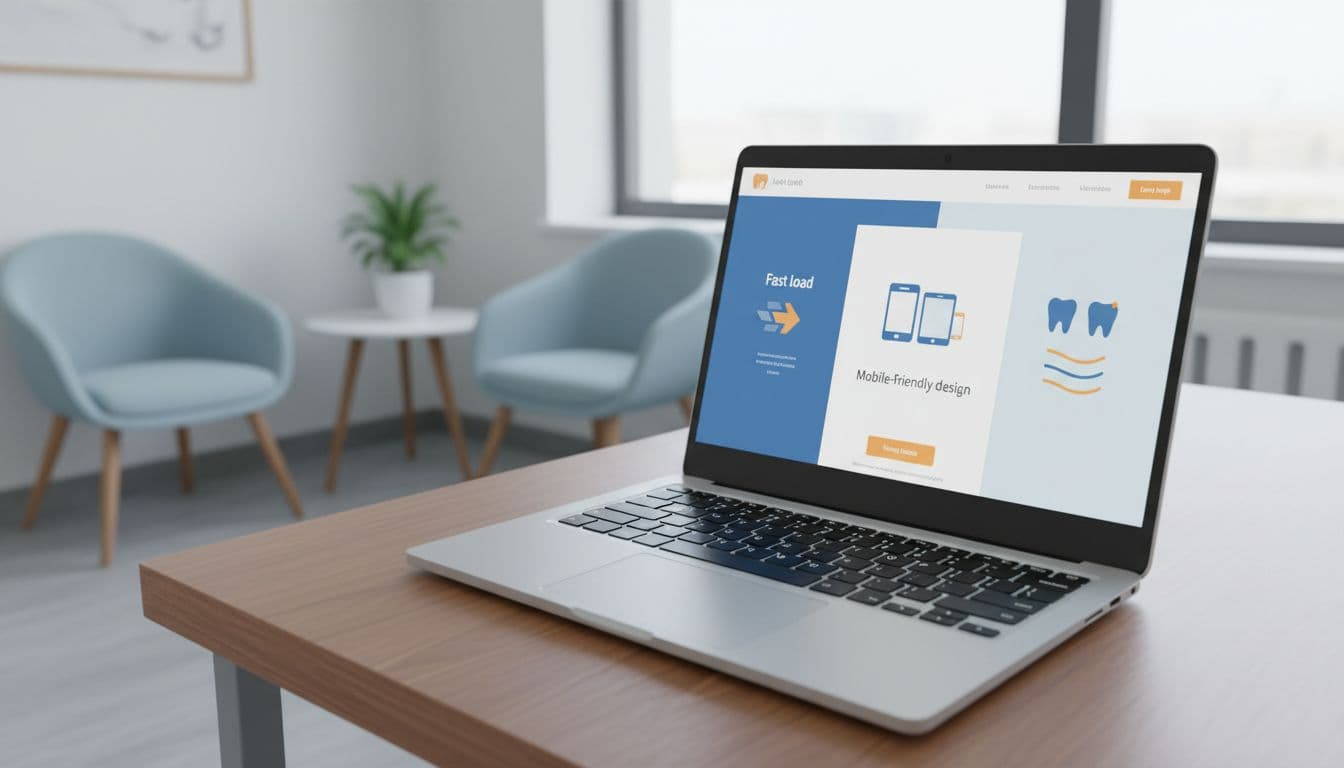
A slow, generic homepage is where many service campaigns lose money. If your ad promises “same-day furnace repair,” the landing page should repeat that promise near the top.
This matters even more on mobile. Most local lead traffic comes from phones, and people decide in seconds. If the page stalls, hides the phone number, or buries the form, Quality Score drops and conversion rate usually follows.
Check these first:
- The headline matches the keyword and ad promise.
- The page loads fast on mobile data.
- The phone number and form show above the fold.
- Trust signals are visible, such as reviews, licenses, or service area.
A dental office sending “Invisalign consultation” traffic to a general dentistry page creates friction. A law firm sending “car accident lawyer” clicks to a homepage does the same. Match the page to the problem people want solved right now.
Automation Helps Only When the Inputs Are Clean

Smart Bidding can support a strong Quality Score strategy, but it cannot rescue weak relevance. If your keywords, ads, and pages are loose, automation buys more of the wrong traffic faster.
That is the big shift in 2026. Google leans harder on conversion signals, call data, and real business outcomes. Therefore, service advertisers need clean tracking, especially for phone calls, booked jobs, and qualified forms.
Import offline conversions when you can. A plumbing company should tell Google which leads turned into paid jobs, not only which ones filled a form. That helps bidding focus on value instead of noise.
If you also run Local Services Ads, remember they follow different signals. This 2026 LSA ranking overview is a useful reminder not to confuse LSA ranking with Search Quality Score.
A 30-Day Quality Score Action Plan
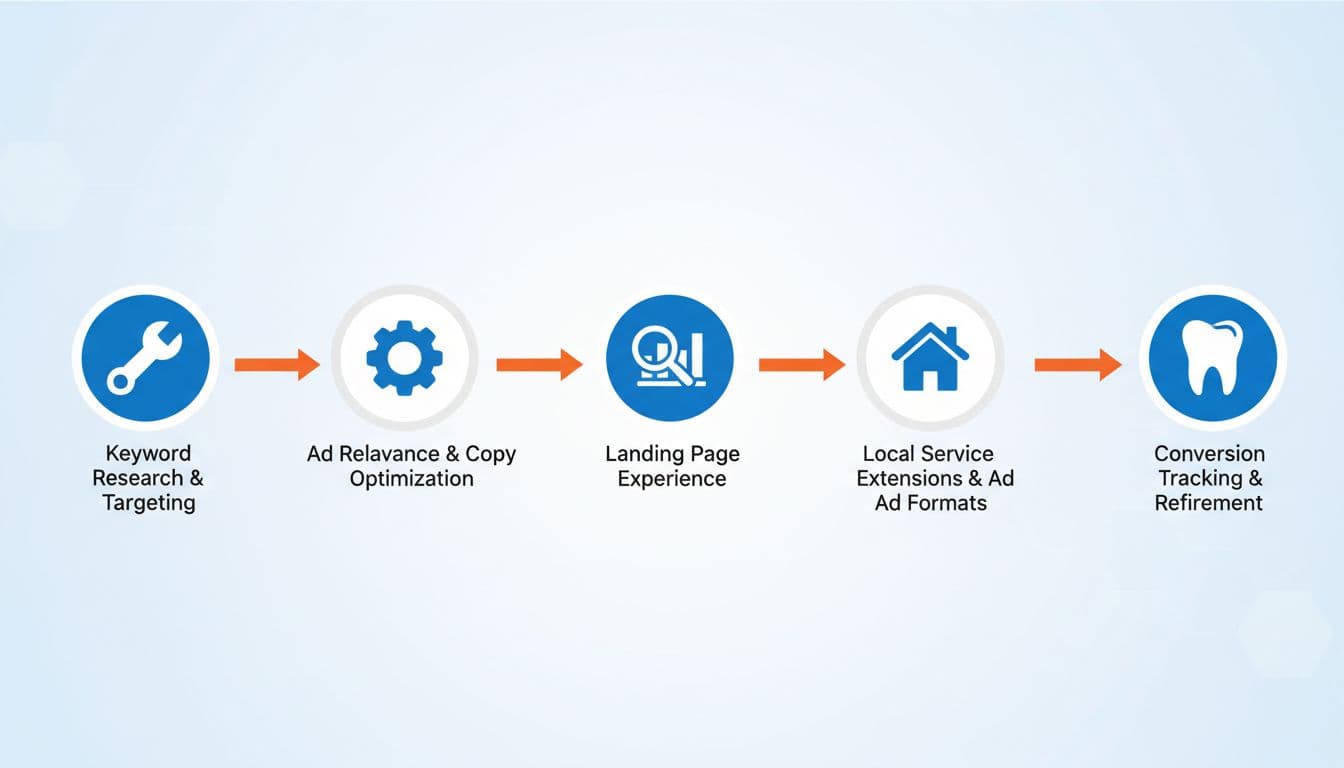
If you want better scores without hurting lead quality, use a simple four-step cycle:
- In week one, pick one service line, such as emergency plumbing, and isolate its keywords, ads, and landing page.
- In week two, rewrite ads to reflect the exact search and add qualifiers that block weak clicks.
- In week three, review search terms, add negatives, and pause low-relevance keywords.
- In week four, compare qualified leads, not only CTR or CPC, then scale the winners.
Keep a short checklist beside your reports. Ask whether the search matched the ad, the ad matched the page, and the page matched the lead type you want. If one link breaks, Quality Score usually tells on you.
The best google ads quality score strategy in 2026 is simple. Make the search, the ad, and the landing page feel like one conversation.
Start with one high-value service this week. Tighten the intent, sharpen the copy, fix the page, and measure qualified leads before you scale.