

More leads won’t fix a weak pipeline. In 2026, service businesses grow when buyers know, trust, and remember them before they ever fill out a form.
That’s why a strong demand gen strategy matters more than a bigger lead count. If you run an agency, consultancy, legal practice, home service company, B2B service firm, or healthcare-adjacent business, you need demand across search, social, email, referrals, and retargeting.
The good news is that you don’t need an enterprise budget. You need a focused system that creates interest, captures intent, and moves the right buyers forward.
Why Demand Gen Matters More Than Ever for Service Businesses
Service buyers do a lot of homework before they talk to you. They read reviews, skim case studies, ask peers, compare options, and often check your site more than once. By the time they reach out, the decision has already started.

That shift changes how marketing works. Lead generation captures existing demand. Demand generation creates familiarity and preference earlier, so more of the right people enter your pipeline later. Recent trend coverage, including 2026 B2B demand generation predictions and this 2026 demand gen guide, points to the same pattern: teams are investing more in AI, intent signals, and multi-channel buying journeys.
For many owners, DIgital Marketing still feels like separate jobs stitched together at the last minute. A few ads run here, a few blog posts go there, and someone remembers to send an email when sales slow down. That approach creates noise, not demand.
The numbers explain why. Recent 2026 B2B demand gen data shows top teams turn about 28% of leads into sales opportunities, while average teams convert closer to 13%. The gap is not magic. Better teams target better, follow up faster, and stay visible longer. The same data shows 96% of marketers now use AI somewhere in the process, which tells you speed and relevance are no longer optional.
Demand generation starts before the form fill. It shapes what buyers think when they finally need help.
This matters even more for service firms because trust carries so much weight. A home services company needs proof of reliability. A law firm needs authority and clarity. A consultancy needs strong thinking and credible outcomes. A clinic or healthcare-adjacent provider needs reassurance, expertise, and easy next steps. In each case, buyers want to feel confident before they talk to sales.
Build Your Core Demand Gen Framework
A service business doesn’t need twenty campaigns. It needs one solid framework that turns attention into qualified conversations.

Start with your best-fit customer, not your full market. Most small firms go too broad. “Small businesses” is not a useful target. “Multi-location dental clinics adding new providers” is. “Homeowners in a 20-mile radius with emergency plumbing needs” is. “B2B SaaS firms with a lean in-house marketing team” is. Good demand gen begins with sharp fit and a clear buying trigger.
Then build five working parts around that audience:
| Layer | What to define | Service-business example |
|---|---|---|
| Audience | Fit, trigger, budget, geography | 50 to 200 employee firms hiring fast |
| Message | Pain, promise, proof | Reduce missed appointments with better intake |
| Offer | Low-friction next step | Audit, guide, calculator, short consult |
| Journey | Channel sequence | Search -> case study -> retargeting -> call |
| Follow-up | Response and nurture | Five-minute alert, 14-day email sequence |
This is where many firms lose momentum. They create content, but no clear offer. They run ads, but no nurture. They get site traffic, but their forms ask for too much too soon. In 2026, progressive profiling works better. Ask for one or two fields first. Learn more later as trust builds.
Good frameworks also line up your channels. Your website, email, Social Media Marketing, sales outreach, and referral activity should tell the same story. If your homepage says one thing, your ads say another, and your follow-up emails sound generic, buyers feel that mismatch.
A few of the strongest ideas in current demand generation best practices and demand generation strategies for service businesses are simple: focus on fit, create educational content, keep offers easy to access, and nurture warm audiences instead of resetting the conversation every week.
For a small to midsize firm, a 90-day rollout is enough to build momentum:
- In month one, tighten your ideal customer profile, sharpen your message, and fix your core service pages.
- In month two, launch one strong offer, add retargeting, and set up lead alerts.
- In month three, build nurture emails, publish proof assets, and review pipeline quality by source.
That is a real framework. It gives you something to improve, instead of a random pile of tactics.
Top Channels to Prioritize in 2026
Channel choice matters, but the bigger shift is how channels work together. Buyers no longer move in straight lines, and your demand gen strategy shouldn’t act like they do.
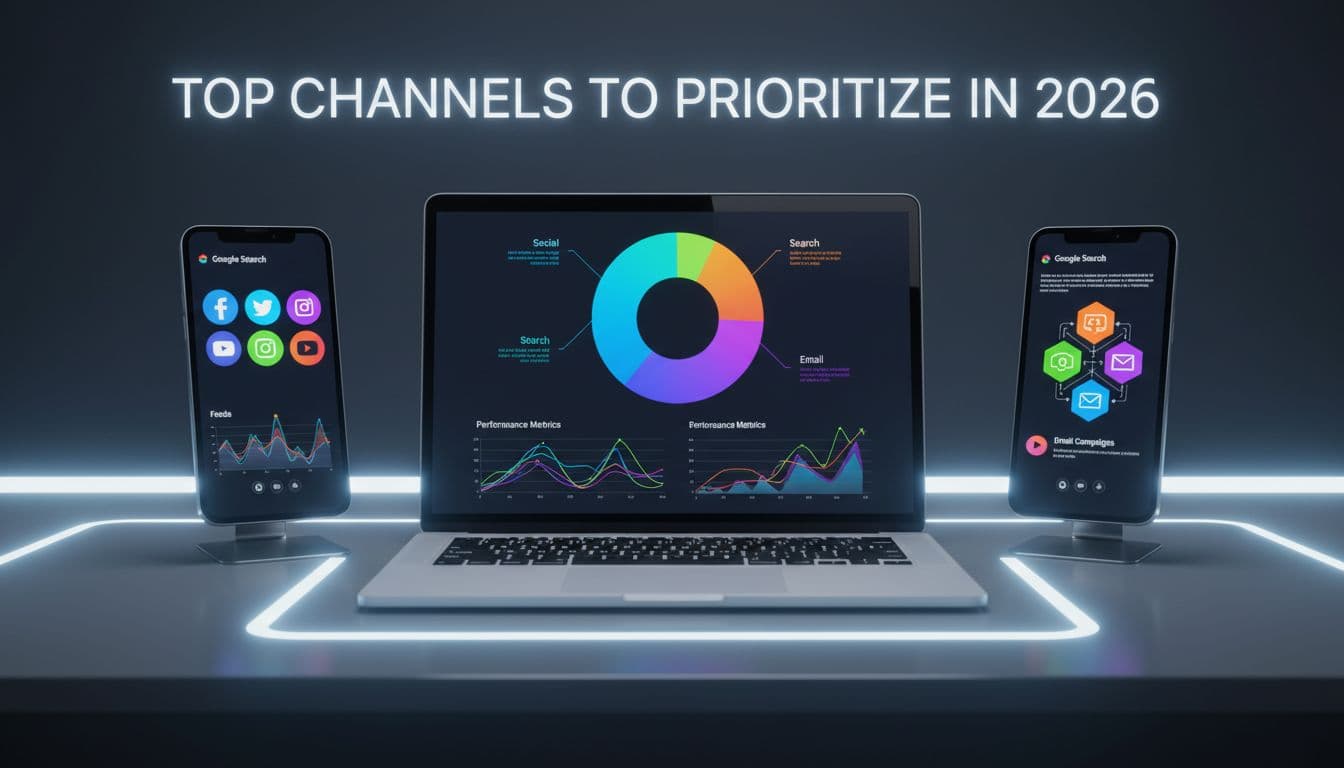
Paid search still captures high intent, especially for urgent or local services. Yet 2026 demand data suggests paid search drives about 22% of leads, and that share is slipping as buyers spread research across organic search, social feeds, newsletters, communities, and peer referrals. So yes, run ads when intent is high, but don’t let paid search carry the full load.
For local and urgent-need businesses, start with local SEO strategies and well-run performance marketing experts. That mix fits plumbers, electricians, restoration companies, dentists, urgent care groups, and many legal practices. Local pages, reviews, map visibility, and fast mobile landing pages do a lot of heavy lifting.
For high-trust B2B services, the channel mix changes. Consultancies, agencies, outsourced finance teams, recruiting firms, and technical service providers usually win through thought leadership, email nurture, webinars, LinkedIn visibility, and repeat exposure. This professional services lead generation guide makes the same point: service intent, local intent, and specialty intent should shape your channel plan.
A practical channel stack often looks like this:
- Urgent local services should lead with Google search, reviews, local content, and retargeting.
- Relationship-heavy B2B services should focus on LinkedIn, email, expert content, webinars, and referrals.
- Visual or community-driven businesses should support those efforts with Social Media Marketing services and short-form video clips that keep the brand visible.
Retargeting also deserves more budget than many firms give it. Most visitors won’t book on the first visit, and that is normal. Good remarketing keeps your firm in view with proof, not pressure. A short testimonial clip, a case study ad, or a useful checklist often works better than repeating “book now” to cold traffic.
Integrate AI for Smarter Personalization
AI is now part of daily demand gen work, and the question isn’t whether to use it. The better question is where it saves time without making your brand sound robotic.
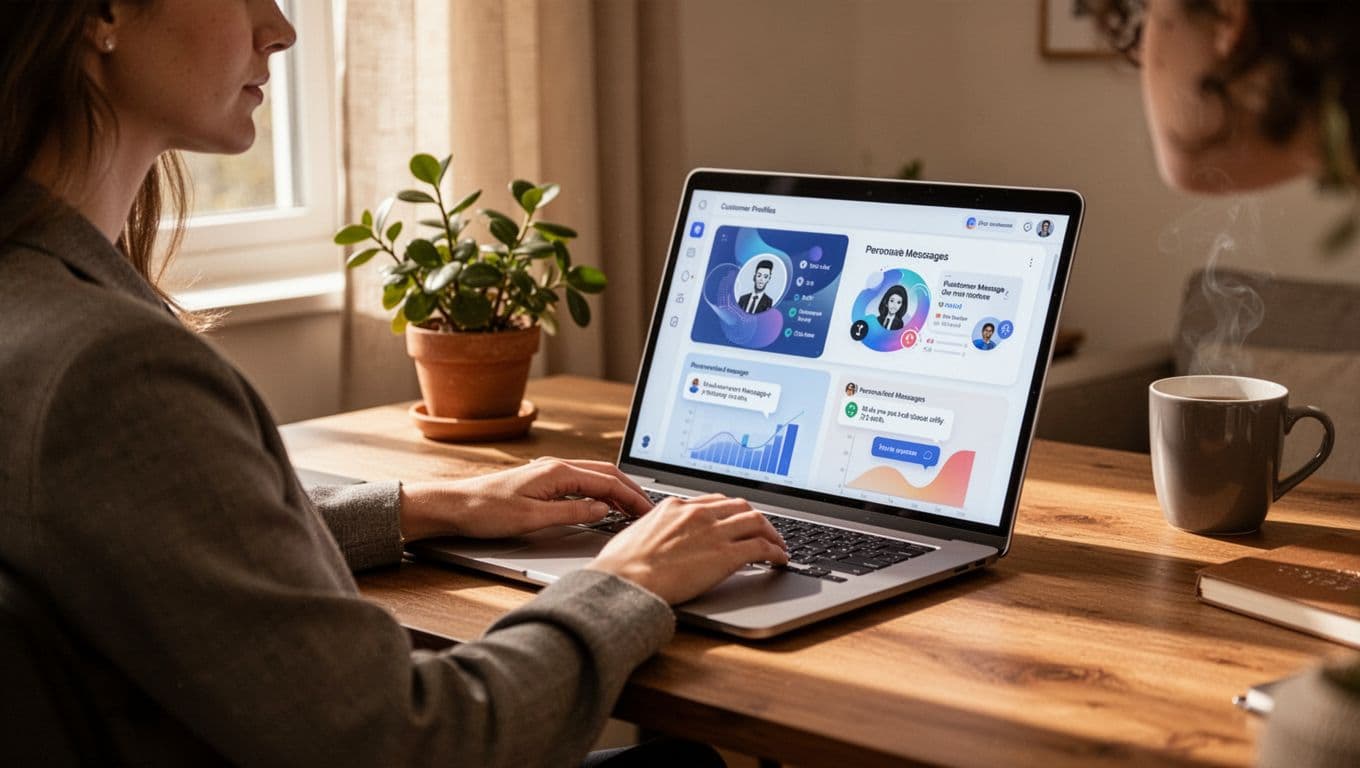
Recent 2026 data shows 96% of B2B marketers use AI somewhere, and 61% use it to score or rank leads. That matters for service firms because speed still drives outcomes. When someone visits your pricing page twice, downloads a guide, or checks your service area page at 9:30 p.m., you want an alert, a tailored follow-up, or a chat flow ready to help.
The best use cases are practical. AI can sort inbound leads by fit, send different follow-ups based on service interest, summarize call notes, suggest case studies by industry, and route urgent requests to the right person. A consultancy can send different nurture paths for CEOs and marketing directors. A law firm can change follow-up by case type. A clinic can guide patients to the right service line without forcing a long phone call first.
Still, human judgment matters. Buyers can spot lazy automation fast. Don’t let AI write generic thought leadership and call it expertise. Use it to help with speed, relevance, and scale, then let your team add the voice, proof, and context buyers trust.
Retargeting gets better with AI too. You can segment audiences by page depth, offer interest, and recent activity, then show more relevant proof. If you want to sharpen warm-audience follow-up, these guides on remarketing ads on Facebook and Instagram and Google Ads remarketing are a good next step.
The goal is simple: fewer generic touches, more useful ones. AI helps you do that if you train it on real customer signals and keep a human hand on the wheel.
Content, SEO, and Website Optimization
Demand generation gets expensive when your site and content don’t pull their weight. Paid media can create attention, but owned assets turn that attention into trust.

Strong SEO for service businesses starts with intent, not keywords alone. You need pages for service intent, local intent, and specialty intent. That means pages for what you do, where you do it, and which buyer problem you solve best. For a deeper practical view, these SEO tips for small businesses fit well with how service firms build discoverability.
Your content should answer the questions that slow action. For example, buyers often want pricing ranges, timelines, process steps, qualifications, case examples, and common mistakes to avoid. A healthcare-adjacent provider may need pages about care pathways and insurance questions. A law firm may need clear case process content. An agency may need service comparisons, proof of results, and onboarding expectations.
Ungated content usually works better at the top and middle of the journey. Put the best thinking in public. Then offer a lower-friction next step, such as an audit, guide, estimator, or short consultation. This B2B service demand generation system makes the same case: content should match awareness, consideration, and conversion, not live as isolated blog posts.
Your site also needs solid Website Development choices. Slow pages, weak mobile layouts, hard-to-use forms, and thin proof sections kill demand before sales ever sees it. Good professional website design and development supports the demand engine with better page speed, clearer navigation, stronger trust elements, and cleaner conversion paths.
Content should also travel. One webinar can become a guide, a blog post, five email touchpoints, short Social Media Marketing clips, and a sales follow-up asset. That reuse keeps your message consistent and lowers production strain. In service marketing, repetition builds memory. When buyers see the same expertise in search, email, social, and remarketing, your firm feels established.
Measure Success and Optimize Continuously
If you only measure leads, you can spend months feeling busy while pipeline stays flat. The better scorecard ties marketing activity to actual sales progress.

Track qualified meetings, opportunity rate, pipeline value, close rate, speed to first response, and source quality. For local service firms, add booked jobs and cost per booked appointment. For B2B services, add buying committee engagement, proposal rate, and revenue by source. Performance Marketing still matters, but it should be judged by pipeline, not click volume.
Cost per lead has a place, but it doesn’t tell the full story. Recent 2026 data puts common CPL ranges around $120 to $250 for many B2B campaigns, with broad variation by industry. That number only matters if those leads become real opportunities.
If a channel creates cheap leads but weak pipeline, it isn’t working.
Review performance in layers. First, look at audience fit. Next, compare offer strength. Then check channel contribution and follow-up speed. Many service firms blame the channel when the real problem is the landing page, the form, or the sales handoff.
Attribution is also messier now. Buyers often discover you in one place, research elsewhere, and convert later through branded search or direct traffic. That is why branded search lift, return visits, and assisted conversions matter more in 2026. Articles like strategies that actually work in 2026 make this point well: easy metrics can distract you from revenue outcomes.
A simple rhythm works best. Check signal metrics weekly, review opportunity quality monthly, and make bigger budget calls every quarter. Small firms don’t need a giant dashboard. They need a clean one that helps them act.
Real-World Examples from Service Pros
Examples make this easier to picture, so here are three common service-business setups that fit 2026 buying behavior.
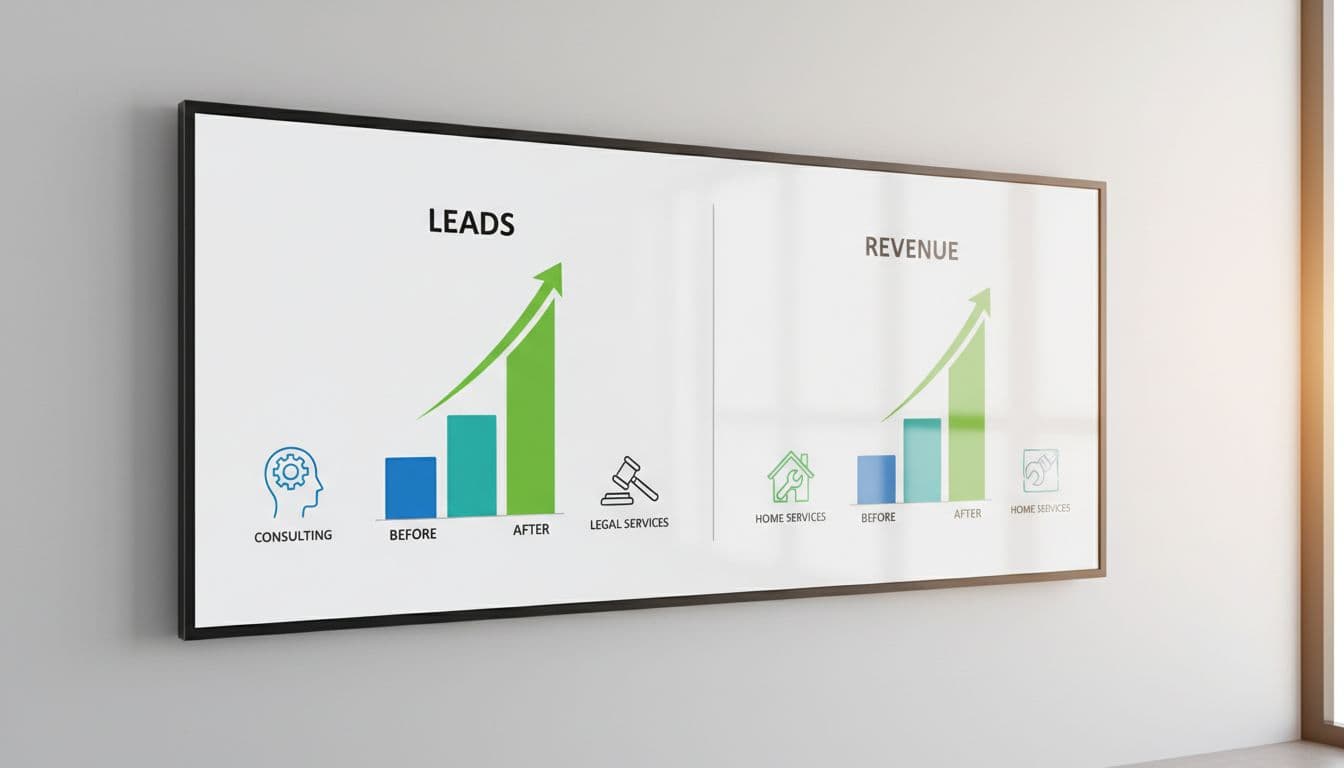
A consulting firm with long sales cycles might build demand around one strong point of view. It publishes monthly insight pieces, turns each into LinkedIn clips and email follow-up, runs light retargeting to site visitors, and offers a short diagnostic call instead of a hard sell. Over time, buyers come in warmer because they already know the firm’s thinking.
A legal or healthcare-adjacent practice might focus on trust and clarity. Its demand engine includes local search visibility, FAQ pages, attorney or provider bios, review generation, short educational videos, and fast-response intake. Instead of pushing every visitor into a long form, it offers a call, a text option, or a short screening step.
A home services company often needs both urgency and reputation. It can pair local search ads with service-area pages, review snippets, before-and-after proof, seasonal email reminders, and repeat-customer remarketing. The message changes by situation too. Emergency buyers need speed, while planned-project buyers need proof and financing clarity.
The common thread is alignment. Each business picks the right audience, matches message to buying moment, uses a sensible channel mix, and follows up fast. If you want to see how that work comes together across sites and campaigns, you can view work examples. If your current setup feels scattered, Get In Touch With Us and map the gaps before you spend more on traffic.
Conclusion
A bigger lead pile won’t solve weak demand. Service businesses grow faster when the right buyers see useful proof, clear messaging, and consistent follow-up before they are ready to buy.
The best demand gen strategy in 2026 is not the loudest one. It’s the one that connects audience fit, strong content, smart channel choices, fast response, and honest measurement.
When those pieces work together, your marketing stops chasing attention and starts building preference.