

A well-defined policy supports the customer experience. It explains what customers can return, when they can return it, and how refunds work. Before launch, set promises your team can afford and fulfill, based on your operating costs. Check the consumer laws that apply to your customers.
For Kolkata businesses, domestic orders, cash-on-delivery payments, and international sales call for different operational choices. Check the consumer laws that apply in each market, then set promises your team and courier partners can deliver.

Key Takeaways

NRF projected US merchandise returns of $849.9 billion in 2025, equivalent to 15.8% of retail sales. Its 2025 returns report estimated an online return rate of 19.3%, but your store should track its own return rate rather than assume the US figure applies.
For your launch:
- Separate voluntary change-of-mind returns from legally required remedies.
- Disclose eligibility, charges, and refund timing before customers pay.
- Test the complete return journey, including failed pickups and cash-on-delivery refunds.
These US figures provide context, not a forecast for your Kolkata store.
Your Ecommerce Return Policy Checklist

A return policy is your published explanation of return eligibility, procedures, costs, and remedies. Make these decisions before publishing it. A policy template can speed drafting, but tailor it to your catalogue, operations, and markets.
| Policy element | What customers need to know |
|---|---|
| Return window | Deadline, when the window starts, and the date by which customers must dispatch items |
| Item condition | Rules for use, tags, seals, and original packaging |
| Available remedies | Refund, exchange, or optional store credit |
| Refund method | Whether refunds go to the original payment method, plus arrangements for cash-on-delivery orders |
| Proof of purchase | Order number, receipt, or another accepted record |
| Starting a return | How to submit a request, such as through a contact form, email, or return portal |
| Return shipping | Who pays, whether pickup is available, and whether the business or customer supplies the return label |
| Processing time | Inspection timeframe, when the refund is initiated, and payment-provider posting time |
| Contact details | Monitored support channel and instructions for confirming the return address |
| Exceptions | Identify final sale items and other exclusions before purchase, while preserving remedies required by applicable law; explain separate procedures for faulty goods |
Disclose any restocking fee before purchase, and charge one only where local rules permit it.
Avoid vague promises such as “refunds processed promptly.” Give a timeframe your operations can support.
Choose Windows and Refund Options
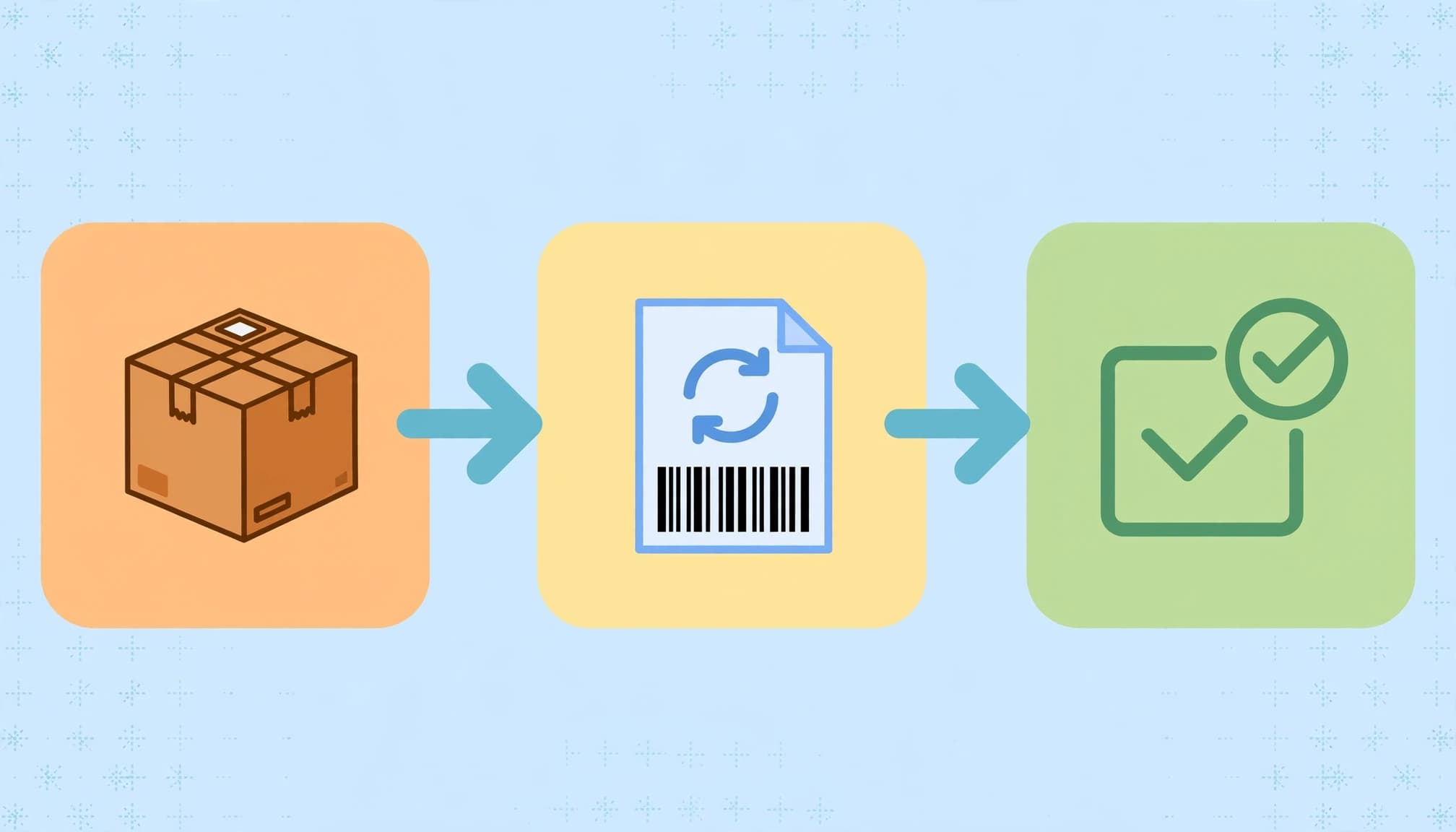
Define eligibility around your products
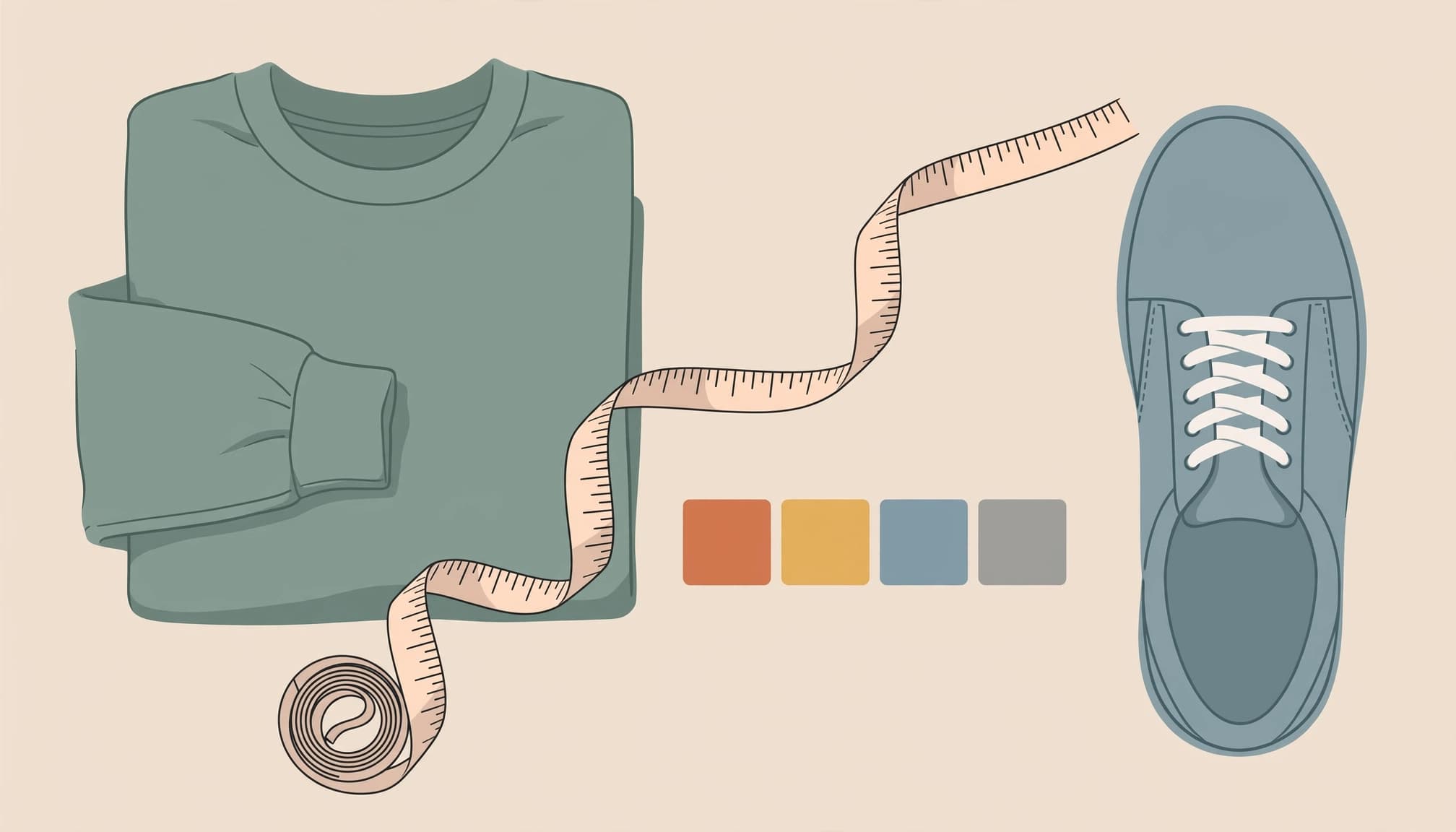
A 30-day window is a practical commercial starting point, not a universal legal requirement. Count it from delivery. Distinguish the deadline to request a return from the deadline to dispatch it.
For clothing, explain whether customers can try an item on and whether tags must stay attached. For sealed hygiene products, explain any change-of-mind restrictions.
Also define what “original packaging” means. Protective packaging, branded retail boxes, and disposable courier bags aren’t interchangeable. Missing packaging shouldn’t automatically remove statutory remedies for defective goods.
Compare refunds, exchanges, and credit

Clear, workable choices can support customer loyalty and a future repeat purchase. Shopify cites a meta-analysis of 21 studies that linked lenient policies with increased purchases, with full refunds having the strongest influence.
Offering free returns is a voluntary commercial choice, not a universal requirement. Cost reverse logistics, including collection, inspection, and handling, before setting your policy.
Ringly estimates processing costs at 20% to 65% of an item’s original value. Applied to a ₹1,000 item, that’s ₹200 to ₹650. Treat this as a broad planning range, not an Indian operating benchmark.
An exchange adds replacement-delivery costs. Meanwhile, ₹1,000 in store credit creates a future obligation, not ₹1,000 in profit. Don’t force credit where a monetary refund is legally owed.
When inventory is resellable, account for its recovered value rather than counting the entire product cost as a loss.
Understand the Legal Floor in Each Market

Legal requirements override voluntary terms. A single “no returns” statement can’t address every destination or complaint.
In India, the Consumer Protection (E-Commerce) Rules, 2020 require clear return and refund information. Covered sellers can’t refuse returns or refunds for defective products or goods that are deficient, spurious, or misdescribed. Late delivery also attracts protection, subject to the force-majeure exception. A voluntary change-of-mind window is separate from these mandatory remedies.
EU consumers generally have a 14-day cooling-off period for online purchases without giving a reason. Exceptions include perishable and personalised goods. As iubenda explains, omitting required withdrawal information can extend the deadline to one year and 14 days. The trigger is missing legally required information, not merely lacking a page titled “Returns.”
The US has no general federal requirement to accept every change-of-mind return. State disclosure rules differ.
California’s refund-policy guidance requires prominent notice when retailers don’t offer qualifying full refunds, equal exchanges, or store credit for at least seven days, subject to exceptions. Florida requires retailers offering no refund, credit, or exchange to display that policy at the point of sale. New York also requires refund-policy disclosure.
These state notice provisions don’t establish one universal online return window. For cross-border launches, ask a qualified consumer-law adviser to review destination-specific requirements and local implementation.
Adaptable Return Policy Wording

For a domestic, voluntary change-of-mind offer, this sample policy template is a starting point, not a universal legal form. Replace the generic wording with your actual contact details, catalogue exclusions, shipping arrangements, and operational deadlines. Use the sample deadlines only if your team can meet them; they aren’t legal requirements.
You may request a return of eligible products within 30 days of delivery through our contact form. Include your order number and reason for return.
Products must be unused, with tags attached and any required hygiene seals intact. Personalised and perishable products aren’t eligible for change-of-mind returns.
Wait for our return instructions before dispatch. Customer-arranged shipping for change-of-mind returns is payable by the customer. We cover return shipping for faulty or incorrect goods.
After inspection, we initiate approved refunds within five business days to the original payment method. For cash-on-delivery orders, we arrange a bank or UPI refund through our support process. Payment-provider settlement time is separate.
Exchanges depend on stock availability. Store credit is available by agreement. These voluntary conditions don’t restrict your statutory consumer rights.
Add your actual support details and dispatch instructions, plus any exclusions specific to your catalogue. Explain how you handle inspection disputes and what happens if replacement stock is unavailable.
Reduce Avoidable Returns and Abuse

Use category data to improve product pages

A Statista category comparison reports shopper-reported return shares of 25% for clothing, 17% for shoes, 12% for accessories, 10% for electronics, and 9% for cosmetics and body care.
These figures are shares of respondents who reported returns, not percentages of orders returned.
Sizing problems, colour discrepancies, and bracketing, where shoppers order multiple variants intending to return some, deserve attention before launch. Publish garment measurements, accurate photographs, material information, and compatibility details.
Then record return reasons consistently. Repeated sizing complaints should prompt a product-page correction, not an automatic restriction on customers.
Review suspicious returns fairly
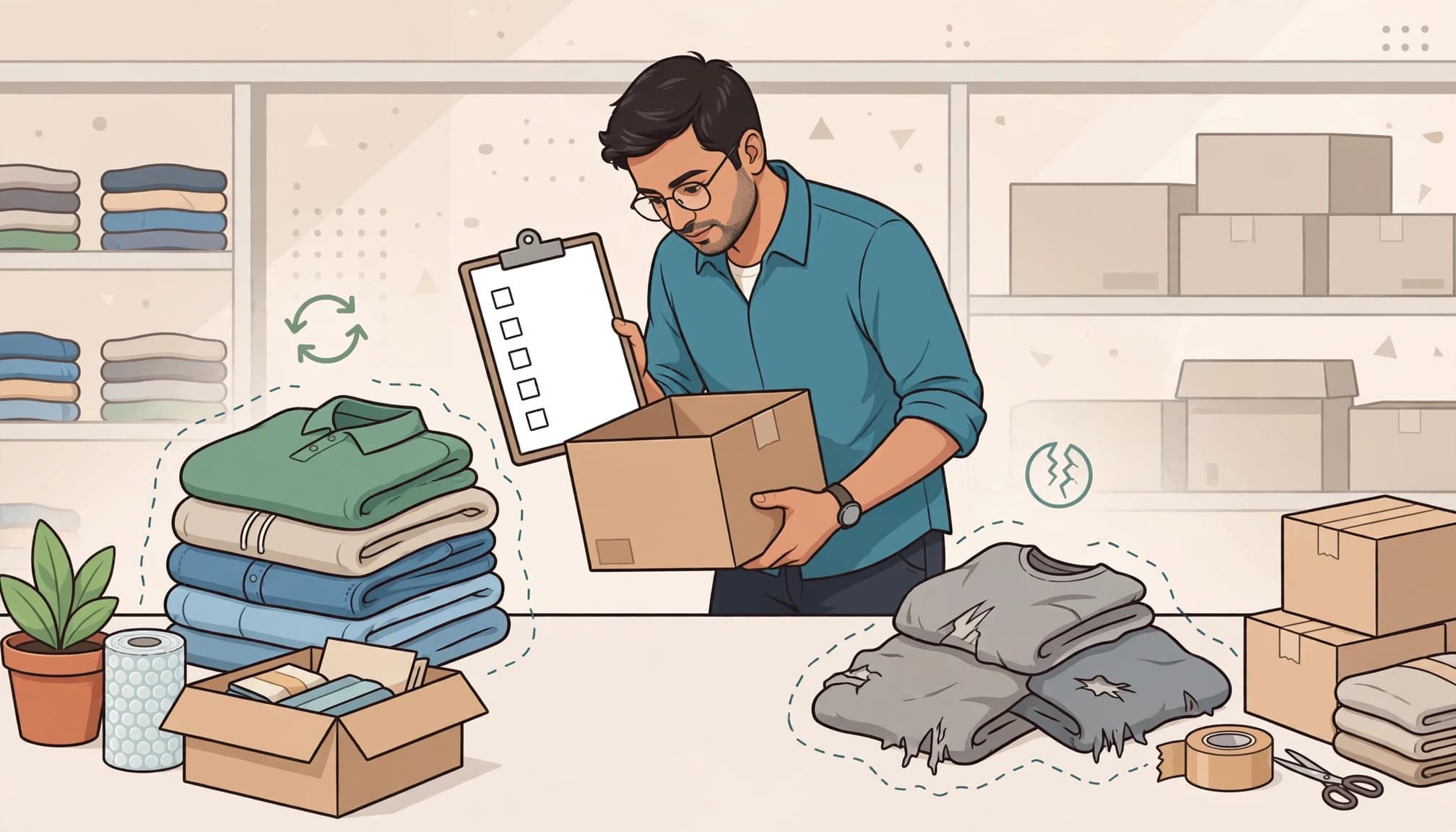
According to Signifyd’s return-policy analysis, about 11% of online returns in 2025 were classified as abusive.
Warning signs of return fraud include wardrobing, open-box fraud, product switching, empty-box returns, and serial returns. Frequent legitimate returns aren’t automatically fraud.
Unusual patterns may indicate return abuse and deserve review, not automatic denial. Accurate order, dispatch, and inspection records may help resolve a chargeback, but they don’t replace a customer’s legal remedies.
Use precise wording: “Returned items must match the products supplied, including serial numbers and included accessories. We review discrepancies before deciding eligibility.”
Record dispatch weights, serial numbers, and inspection findings where appropriate. Request relevant evidence without making an unboxing video the only route to a valid complaint.
Human review should resolve disputed flags before a customer loses access to a remedy.
Make the Page Ready for Launch

Put important terms before payment

Link the full policy from product pages, the cart, checkout, and order confirmations. Show short product-specific notices beside purchase controls, especially for final-sale goods.
Display return fees in rupees for domestic customers and explain applicable taxes. Disclose delivery charges and any cash-on-delivery fee before payment. Keep the order total visible when shoppers change payment methods.
Include support-page access in the navigation testing covered by our Shopify collection page guidance. Clear navigation helps customers find answers without restarting a purchase.
Test the workflow and keep information consistent

Run a complete test return on mobile before accepting orders. Include a guest purchase, an unavailable pickup PIN code, and a cash-on-delivery refund.
Preserve customer entries after errors. Give staff a clear response when an exchange item sells out or a courier misses collection.
Keep your ecommerce return policy consistent across banners, product notices, support scripts, and order emails. Any MerchantReturnPolicy structured data used for SEO and merchant listings should match the visible policy.
Separate customer returns from cash-on-delivery return-to-origin shipments in reporting because their causes and costs differ.
Before launch, confirm that:
- The return window and eligible-item conditions are explicit.
- Return shipping costs and exclusions are visible before payment.
- Refund and exchange timelines match staff and payment-provider capabilities.
- Customers know how to start a return and contact support.
- Exceptions and faulty-goods handling are clear.
- Destination-specific rules have been checked.
- The complete mobile and cash-on-delivery workflow has been tested.
Frequently Asked Questions
Can customers return products after 30 days?
Your voluntary policy sets the deadline for ordinary change-of-mind returns. A 30-day deadline doesn’t automatically end statutory rights for faulty or misdescribed goods. List any discretionary extensions separately.
Is a no-returns policy illegal?
It depends on the market and the reason for the return. Some businesses can refuse voluntary change-of-mind returns if they disclose that policy clearly. They generally can’t use store terms to remove mandatory consumer remedies. Product-specific restrictions need wording that differs from faulty-goods procedures.
Launch With Promises You Can Deliver
A useful policy gives customers predictable answers while protecting your contribution margin. Clear eligibility, visible charges, and a tested refund process matter more than generous wording your team can’t honour.
If your store needs help implementing policy pages and checkout information, Get In Touch With Us.
Publish terms that match your operations, and keep mandatory consumer rights separate from the extras you choose to offer.