

To segment your email list by behavior, group subscribers by purchases, browsing, clicks, or product use, then match each group to a relevant message. Behavioral email segmentation helps you choose the next useful email, rather than sending everyone the same offer.
For a Kolkata retailer or service business, a completed purchase or booked appointment usually tells you more than someone’s age. Start with reliable customer actions, clear permission, and a few groups your team can maintain.
Key takeaways
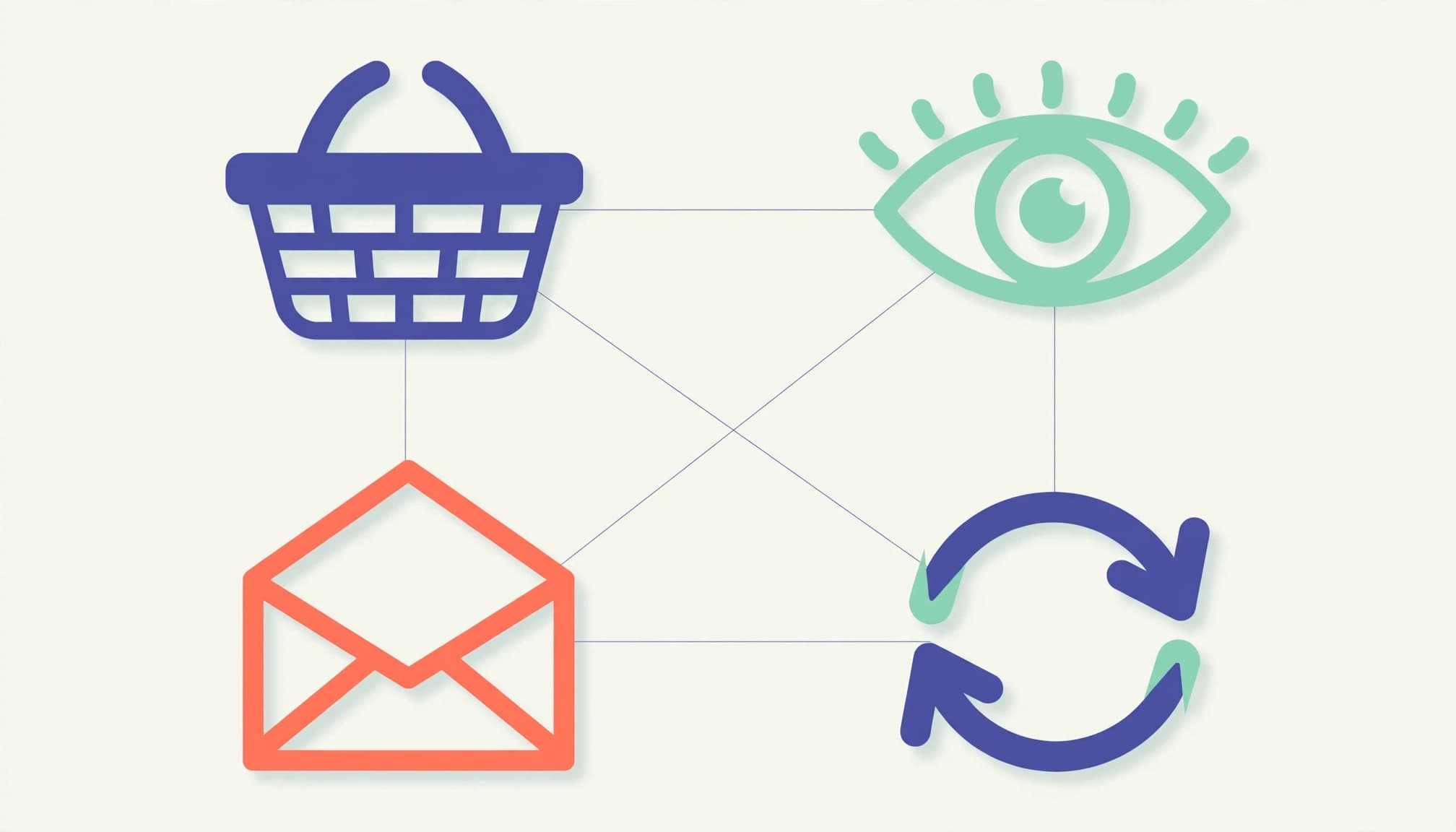
- Build segments around actions that change your message, such as buying, clicking, booking, or becoming inactive.
- Use automatically updated rules, with exclusions for unsubscribes, complaints, recent purchasers, and unsuitable contacts.
- Measure purchases, bookings, and revenue alongside clicks. Review results across several campaigns before making decisions.
What behavioral email segmentation means

Behavioral segmentation groups people by their actions. A product-page visit, repeat order, email click, or completed onboarding task can determine which message they receive next.
Historical figures reported by WordStream’s email marketing statistics associate segmented campaigns with 100.95% higher click-through rates and 14.32% higher open rates. These are broad comparisons, not forecasts for your business.
Actions differ from traits and interests
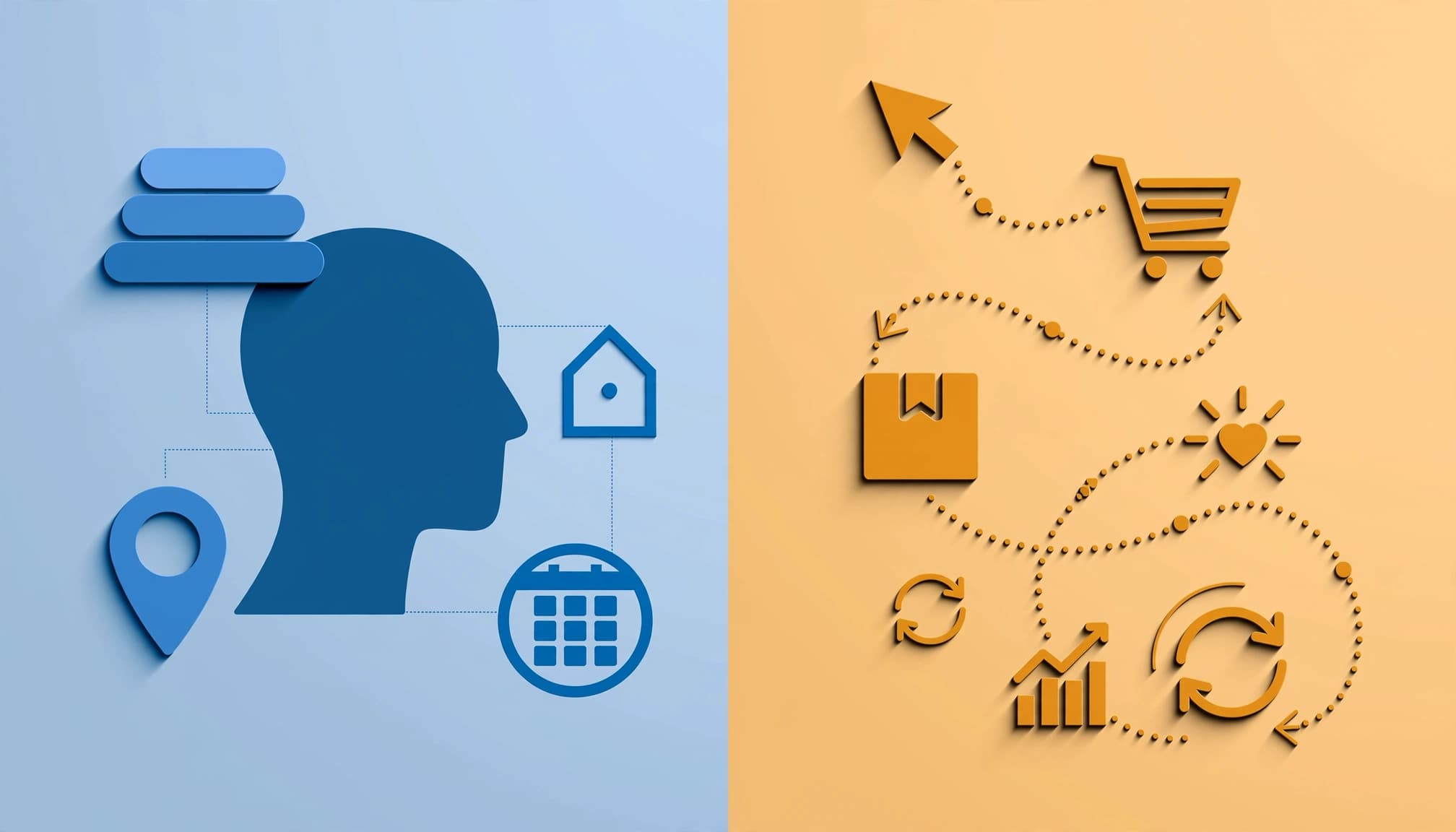
Demographic segmentation groups people by characteristics such as age or location. Psychographic segmentation considers interests, values, attitudes, and lifestyle.
Behavioral data records actions instead. You can combine these approaches, such as using a subscriber’s chosen Bengali or English preference alongside their purchase history. Don’t assume someone’s language or personal interests from their name or postcode.
Collect only data that changes the message

Keep email address, customer ID, permission source and date, last purchase, order count, purchase value, last click, and relevant product category.
Connect your store, booking system, or CRM to these records. Our first-party data strategy covers keeping customer information usable across teams.
SEO can attract visitors to your signup page, but visiting or submitting an enquiry doesn’t grant promotional permission.
Choose behaviors that lead to useful emails
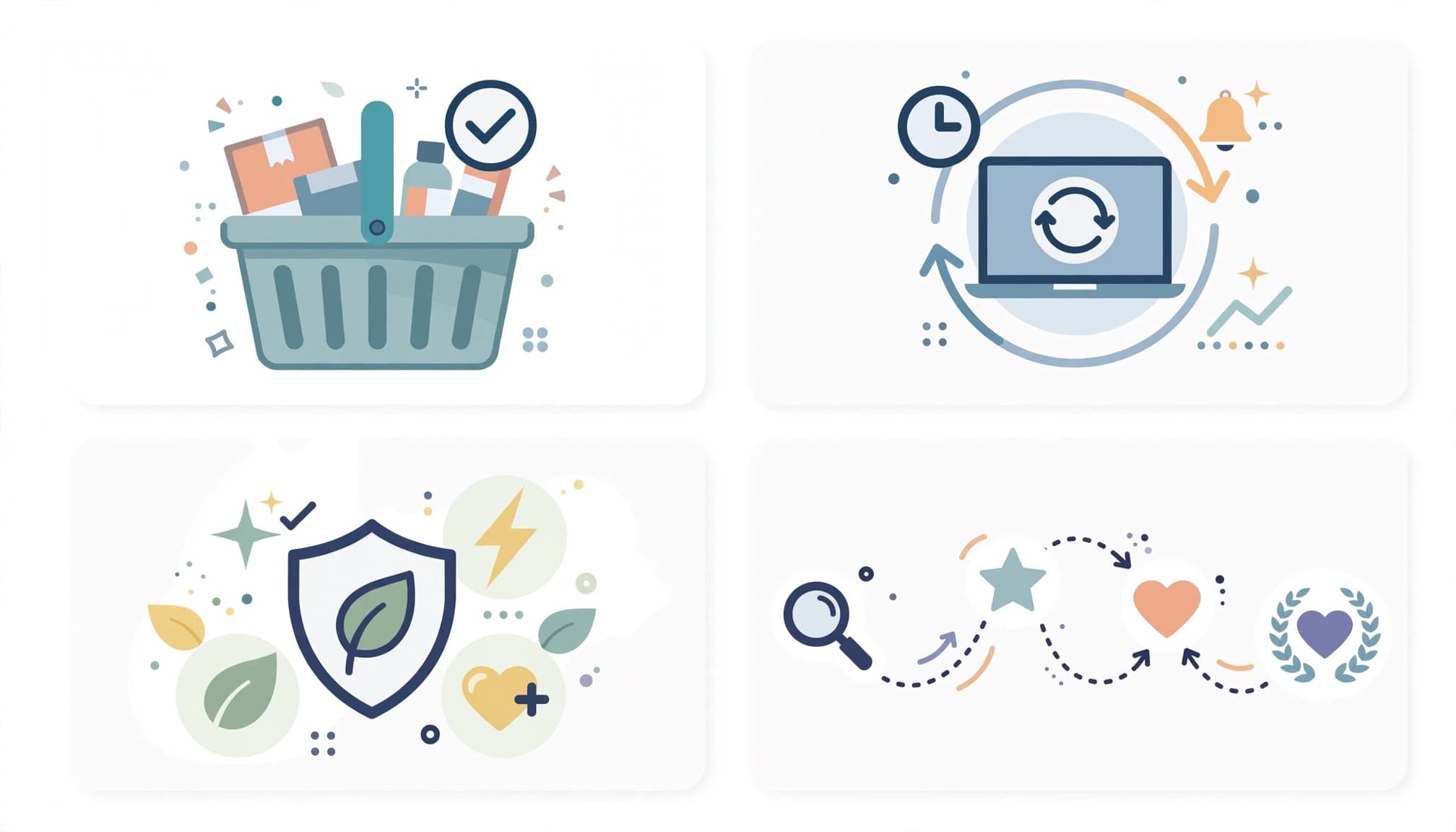
Purchase behavior, usage or engagement, benefits sought, and customer journey stage offer useful starting points. Each category should lead to a different message.
Purchase patterns and RFM

Separate first-time buyers from repeat buyers, then consider product category and typical repurchase timing.
RFM analysis scores recency, frequency, and monetary value: how recently someone bought, how often they buy, and how much they spend. Compare customers within your own business.
Champions are recent, frequent, high-spending buyers. Loyal Customers purchase repeatedly, while At-Risk Customers have fallen behind their usual buying pattern. Offer Champions loyalty access and send suitable At-Risk Customers a useful replenishment reminder.
Engagement, benefits sought, and lifecycle
Classify subscribers as active, inactive, or lapsed based on clicks and confirmed actions. Set time windows that match your sending frequency. Highly engaged subscribers can receive VIP previews; lapsed subscribers need limited reengagement, not more frequent promotions.
Benefits sought describe the outcome someone wants. Repeated clicks on delivery information can reveal benefits sought, such as interest in delivery options, but don’t prove price sensitivity.
Also distinguish awareness, consideration, conversion, retention, and advocacy. These customer journey stages suit introductory, nurture, purchase-support, loyalty, and referral emails.
For digital products, usage events can trigger onboarding help. Predictive or propensity-based segmentation uses machine learning to estimate purchase or churn likelihood, but it needs reliable historical data.
Build and size your first behavioral segments

Mailchimp, Klaviyo, and ActiveCampaign offer segmentation and automation tools. Choose a platform that connects reliably to your existing records.
Write inclusion and suppression rules
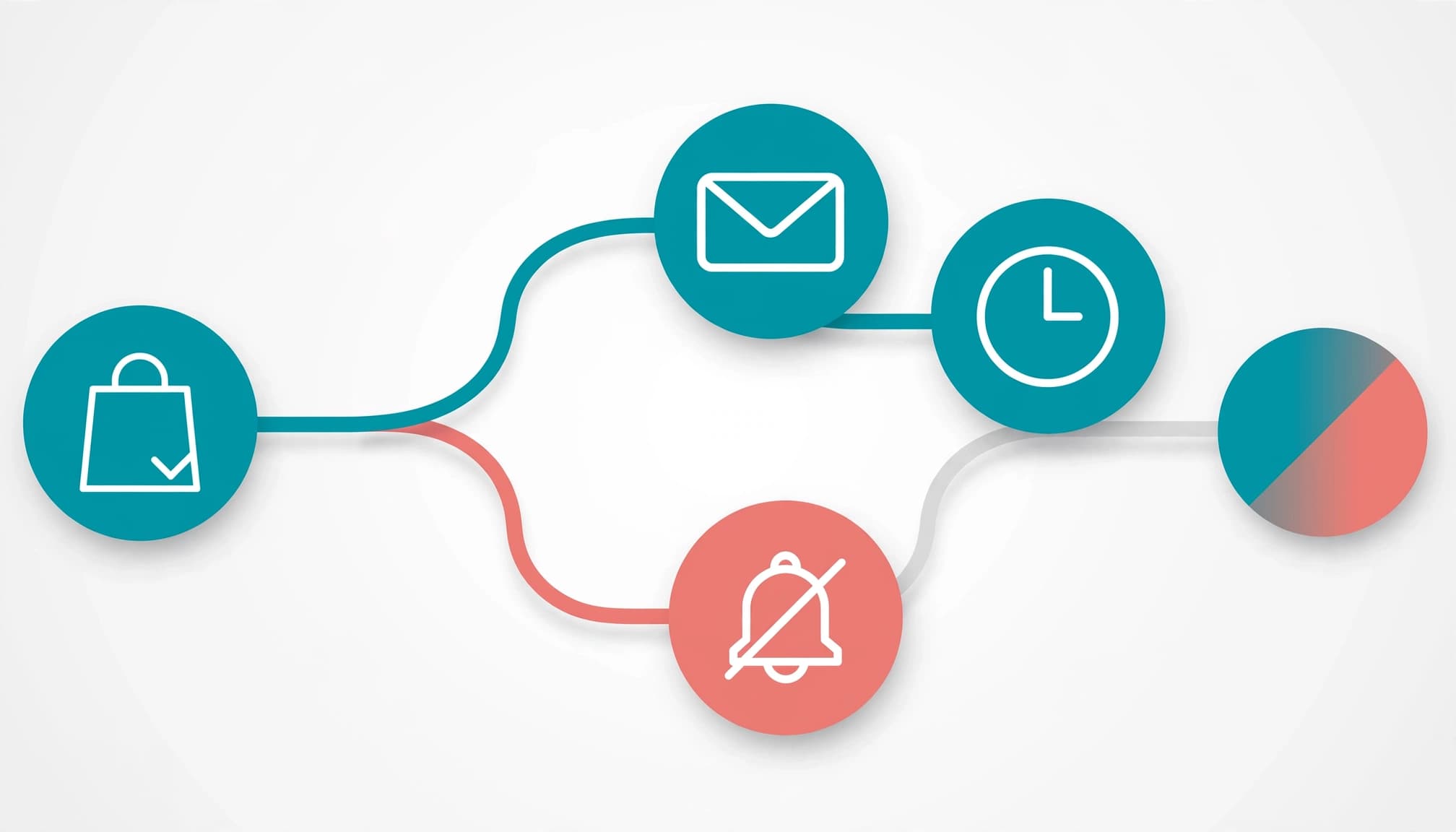
Build a first-to-second-purchase segment with these starting conditions: promotional permission is recorded, completed order count equals one, and the last purchase was 30 to 60 days ago. Adjust the window to match your buying cycle.
Join inclusion conditions with AND. Exclude anyone who unsubscribed, complained, hard-bounced, has an unresolved refund, or received another promotion within seven days. Join these suppression reasons with OR.
Count completed orders consistently. A cancelled order doesn’t qualify someone as a buyer.
Start with three useful audiences

Start with new subscribers, engaged non-buyers, and repeat customers. Add a lapsed group when you have enough history.
There’s no universal minimum segment size. Create a separate group when it needs a distinct message and generates enough activity to assess. Otherwise, combine similar audiences.
Name groups clearly, such as “Consented First-Time Buyers, 30 to 60 Days.” Preview member records before activating a campaign. If the group includes unexpected customers, fix the rules before sending.
Put behavioral segments into action with automation
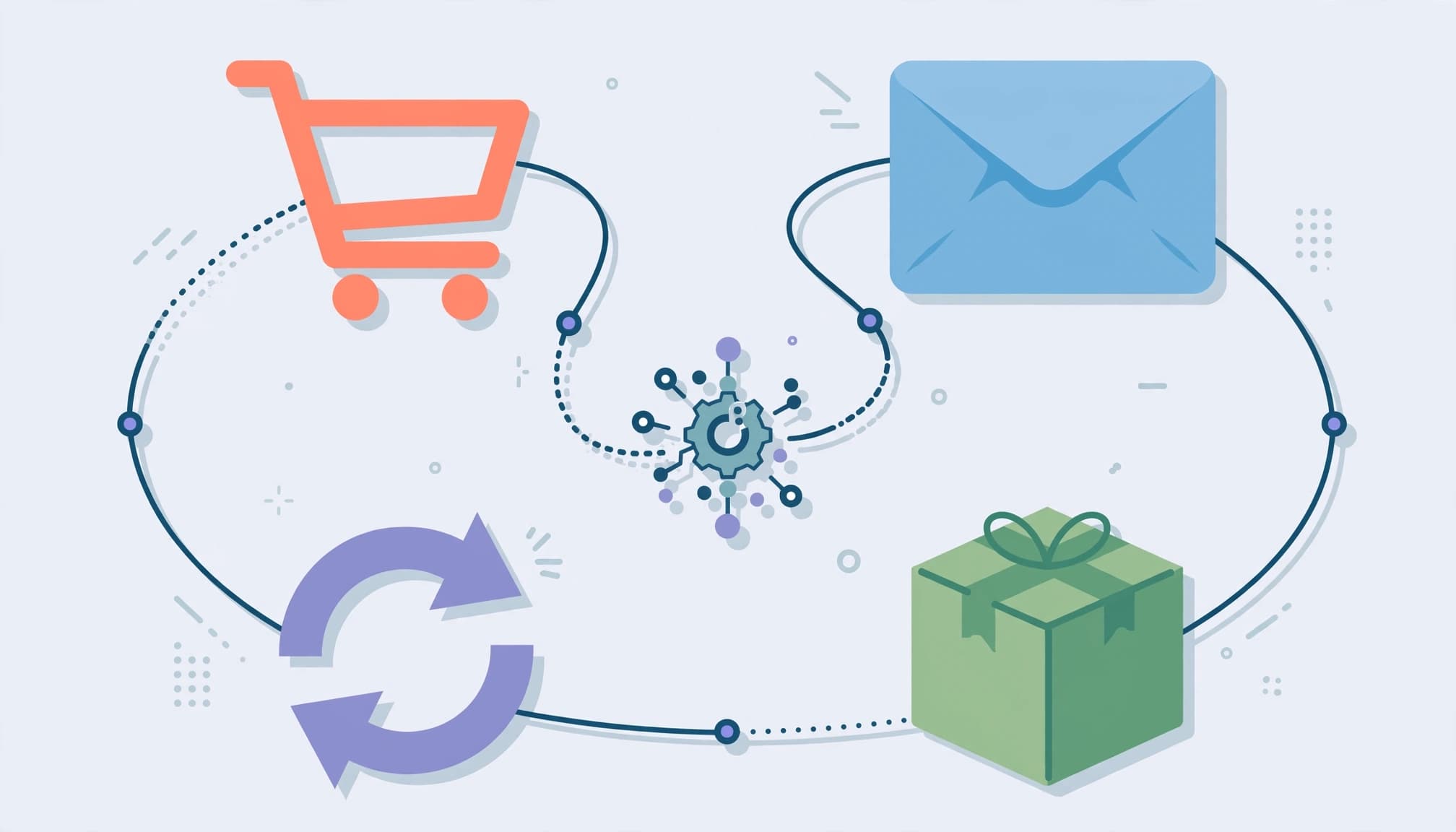
A segment identifies eligible recipients. An automation decides when they receive a message and when messages stop.
Match each trigger to a useful purpose.
| Trigger | Useful email | Exit or suppression |
|---|---|---|
| Confirmed marketing signup | Deliver the promised resource | Unsubscribe or invalid address |
| Abandoned cart | Help complete the purchase | Completed purchase |
| Completed order | Product guidance or complementary items | Refund or unsuitable offer |
| Extended inactivity | Preference update or reengagement | New activity or unsubscribe |
Exit conditions matter as much as entry rules. Recheck eligibility before every automated send, because someone may buy during a delay.
For the first-to-second-purchase segment, evaluate eligibility daily and send one complementary-product recommendation. Suppress further acquisition offers immediately after another purchase. A purchase exit should override a scheduled delay.
Use dynamic content blocks to change product recommendations without building separate emails. Test missing-data fallbacks, including names and unavailable products.
Our welcome email sequence guide covers signup promises, timing, and stop rules. Pause sales follow-ups when someone replies or books, so automation doesn’t interrupt a real conversation.
Finally, HubSpot’s mobile email statistics reinforce the need for phone testing. Use a responsive layout, compressed images, readable text, and a clear tap target. Keep essential information readable without images.
Measure results and refresh your segments

Track unique click-through rate, purchases or bookings, revenue per recipient, unsubscribes, and complaints for each segment. Calculate revenue per recipient by dividing attributed revenue by the number of recipients in the measured cohort.
Use delivered emails as the denominator for click-through and unsubscribe rates, and keep that definition consistent. Treat open rates as diagnostic because privacy features can distort them.
McKinsey’s customer-data research reports that organizations using behavioral insights outperform peers by 85% in sales growth. This is an association across organizations, not proof that one automated email causes growth.
For a stronger campaign test, randomly hold back a small eligible group from the promotional message. Compare purchase rates over the same period. With a small list, gather results from several comparable cohorts rather than declaring success after two orders.
A/B test one variable at a time, such as the subject line or send delay. Compare each segment with its own previous results, since repeat buyers and new leads have different starting points.
Refresh segment membership automatically, inspect workflows monthly, and revisit thresholds quarterly. Seasonal buying and changes in shopping habits can make old rules misleading.
Before increasing volume, follow our email deliverability checklist. Authenticate your domain, suppress hard bounces, and honor unsubscribes immediately. A well-defined segment still needs permission and reliable delivery.
Frequently asked questions
Which behavior best predicts someone’s next purchase?
There’s no universal winner. Recent purchases, repeated product clicks, and checkout activity answer different questions. Compare these signals with completed purchases or bookings in your own records. For recurring services, service history often provides a clearer reminder schedule than email opens.
How should a Kolkata business handle consent and privacy?
Keep newsletter permission separate from enquiry forms, and use an unchecked promotional opt-in. Record when and where permission was given. Double opt-in can reduce mistaken signups, but it isn’t universally mandatory.
International audiences raise privacy compliance considerations, including GDPR and CCPA. For US campaigns, respect the commercial-email opt-out rights described in the FTC’s CAN-SPAM guide. Keep transactional notices separate from promotional campaigns.
What are the most common segmentation mistakes?
Scattered records, outdated static lists, overlapping automations, and excessive micro-segments cause problems. Don’t treat a verified address as a qualified lead or permission to market. Never import bought contacts into a behavioral workflow.
Make the next email match the latest action

Effective behavioral email segmentation starts with trustworthy records and a small number of useful rules. Let each customer’s latest meaningful action determine the next message, then measure whether that message produces purchases, bookings, or helpful replies.
Start with one workflow, test its exclusions, and expand after it works reliably.
If your customer records and email automations need connecting, Get In Touch With Us to discuss the gaps before adding more campaigns.