

If someone searches your company name and clicks a competitor, that's not bad luck. It's a leak.
In 2026, branded results pages are crowded with ads, maps, AI summaries, and review sites. That means a Google Ads branded search campaign can protect calls and form fills, but only when it adds profit, not vanity clicks.
Here's how to decide when to run it, how to structure it, and how to prove it's helping.
Why Branded Search Still Pays Off in 2026
Branded traffic is usually your warmest traffic. These people already know your name from referrals, yard signs, trucks, radio, email, or local SEO. They're not browsing. They're trying to reach you.
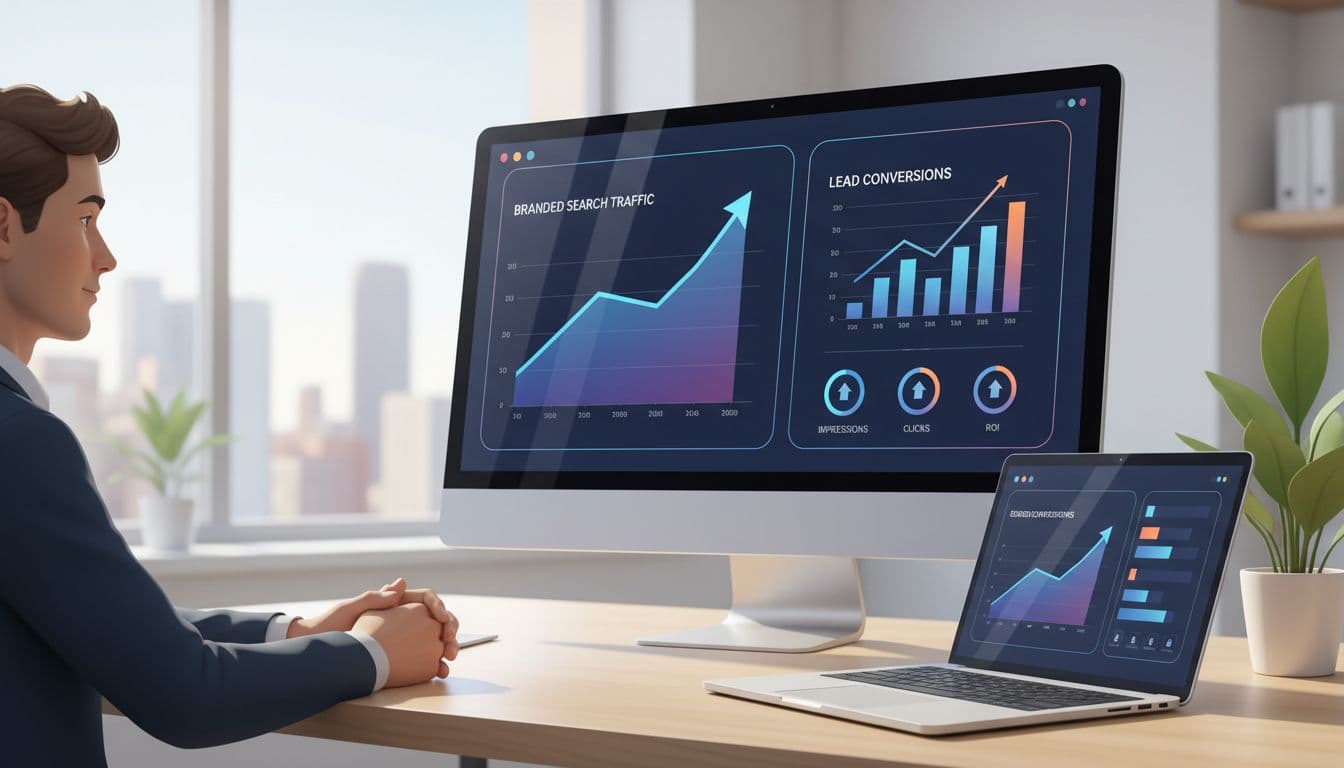
The catch is simple. Google's results page gives them more places to go than before. Competitors can buy your brand terms. Review sites can sit above or beside you. AI-generated summaries pull attention upward. As Search Engine Land's take on competitive PPC defense points out, brand protection is now part of paid search, not a side issue.
Paid brand ads also give you control that organic listings can't always match. You choose the headline, the offer, the landing page, and the call extensions. For an HVAC company, that might mean “24/7 Emergency Repair.” For a dental practice, it might mean “Book Online Today.” When the searcher already knows your name, small message changes can lift booked leads fast.
Should You Bid on Your Own Brand?
The short answer is, often yes, but not always.
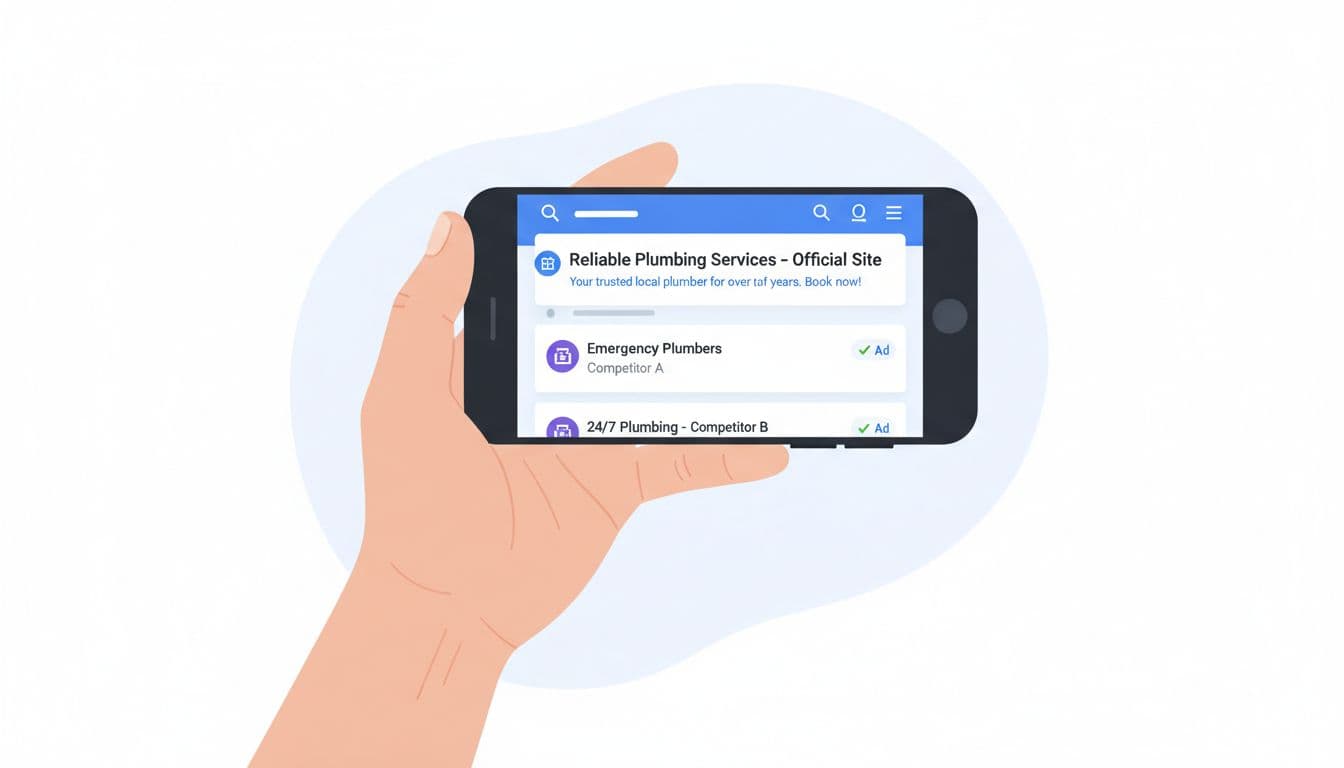
If competitors, directories, or local lead platforms show up on your name, bid on your brand. If your business name is generic, shared, or easy to confuse, bid on it. If one new client is worth a lot, bid on it.
This quick table helps frame the decision:
| Situation | Best move |
|---|---|
| Competitors bid on your brand | Run a branded campaign |
| Your name is generic or shared | Run a branded campaign |
| You rank first organically, no ad threats, tight budget | Test pausing and watch total leads |
| Calls go unanswered or tracking is weak | Fix operations first |
If you have a tiny budget and no one is stealing branded clicks, brand ads may not be the best use of money. A roofer with limited spend might get more lift from non-brand storm damage searches. On the other hand, a law firm with review sites everywhere should rarely give up the top paid spot.
Don't guess. Run a controlled test. Pause branded ads for a short window, watch total leads and phone calls, then decide.
Branded Campaign Setup Essentials in 2026
Keep branded search separate from non-brand. That single move cleans up reporting, bidding, and budget control.
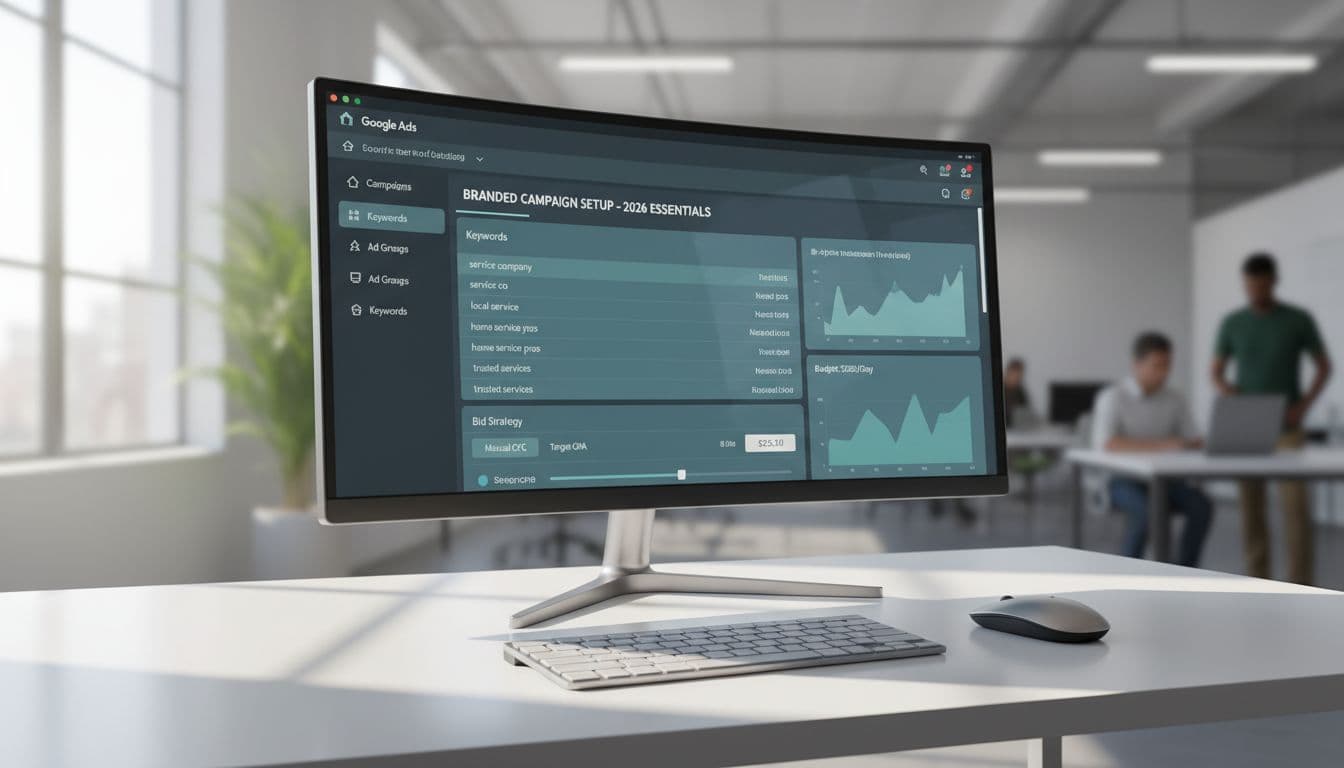
Start with your business name, close misspellings, location variants, doctor or attorney names, and branded service phrases. Think “BrightSmile Dental implants” or “Atlas Plumbing emergency repair.” For most service businesses, that's enough to start clean.
In 2026, Google pushes automation hard. Broad match and smart bidding can work on brand, but don't turn everything loose on day one. Start with tight control, then widen only if search terms stay clean. If your account structure is messy, fix that first with a guide to Google Ads campaign structure for qualified leads.
Ad assets matter here because the searcher is already close to action. Add call assets, location assets, sitelinks, and proof points. If bidding is automated, keep it tied to real outcomes with a strong Google Ads bid strategy for service businesses. Also send traffic to the page that closes the click fastest, not always the homepage.
Measuring Branded Value and Protecting Organic Traffic
Cheap branded leads can fool you. A low cost per lead doesn't mean the campaign created new business.
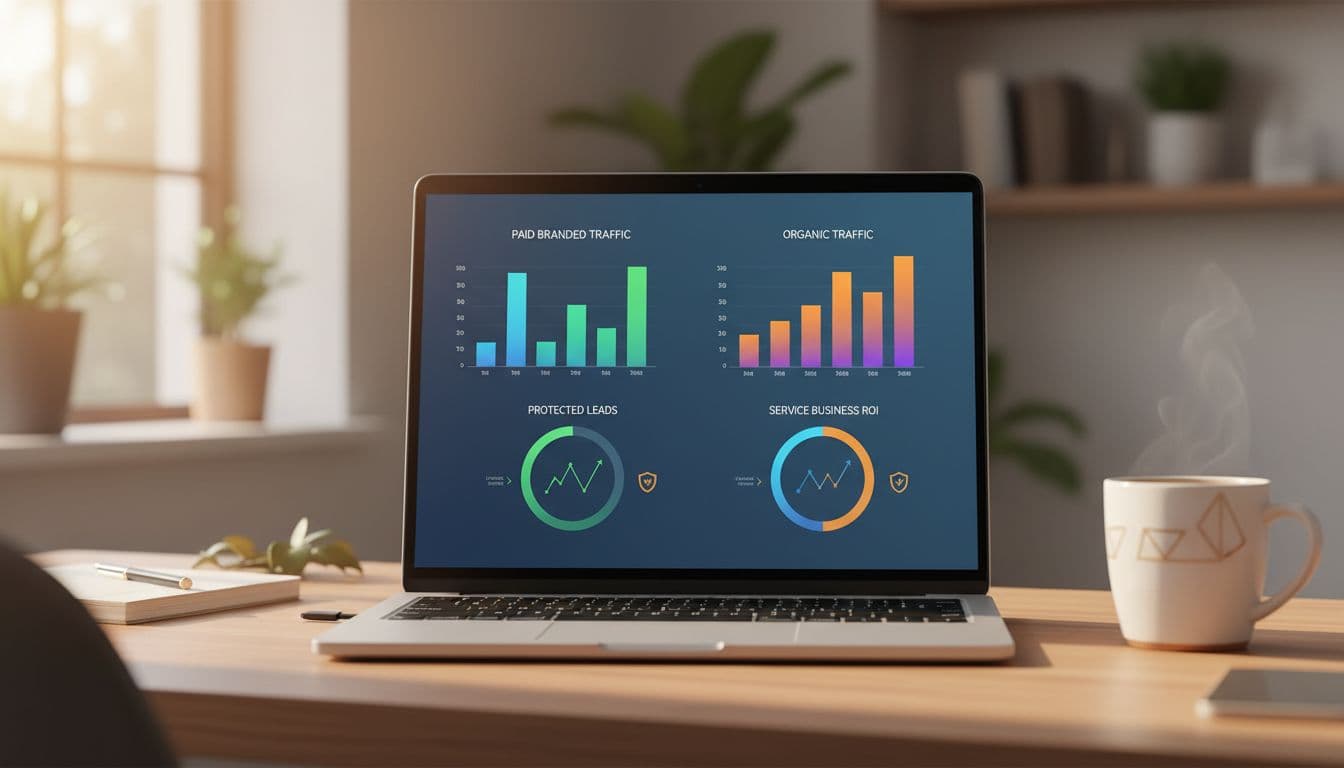
Measure branded value by incremental lift. Look at total calls, booked jobs, impression share, branded click share, and lead quality. Then compare periods with the campaign on and off, or split by time or service area. If organic traffic absorbs the demand with no drop in total leads, brand ads may be overclaiming credit.
A cheap branded lead isn't always new demand. Count the extra leads you protected, not the clicks you already owned.
To avoid cannibalizing organic traffic, keep brand budgets capped and brand terms isolated. Use ad copy that helps the ready-to-book visitor, not broad research traffic. Review queries every week, because automation expands faster than most teams notice. A steady process for search terms mining for Google Ads leads helps catch waste before it spreads.
2026 Updates: Mastering AI and Automation in Branded Search
Automation now touches almost every branded campaign. That changes how you manage, not whether you manage.

Google keeps pushing intent-based matching, smart bidding, and Performance Max deeper into the account. Broader matching can find useful brand variations, but it can also blur lines between true brand demand and loosely related searches. That's why blended data is dangerous. If cheap branded conversions mix with non-brand learning, your bidding system can chase the wrong lesson.
Newer reporting also matters more now. Channel-level views inside automated campaigns make it easier to see where branded traffic actually comes from. Many of the bigger auction shifts are part of broader Google Ads in 2026 strategy changes, especially around AI-led matching and reporting.
For most local service businesses, start with Search for brand protection. Then test automated add-ons slowly. If you use PMax around branded demand, keep it under tight review with a Performance Max setup for service leads.
Real-World Examples for Local Services
The best branded strategy depends on the business model, the sales cycle, and how crowded your brand page is.
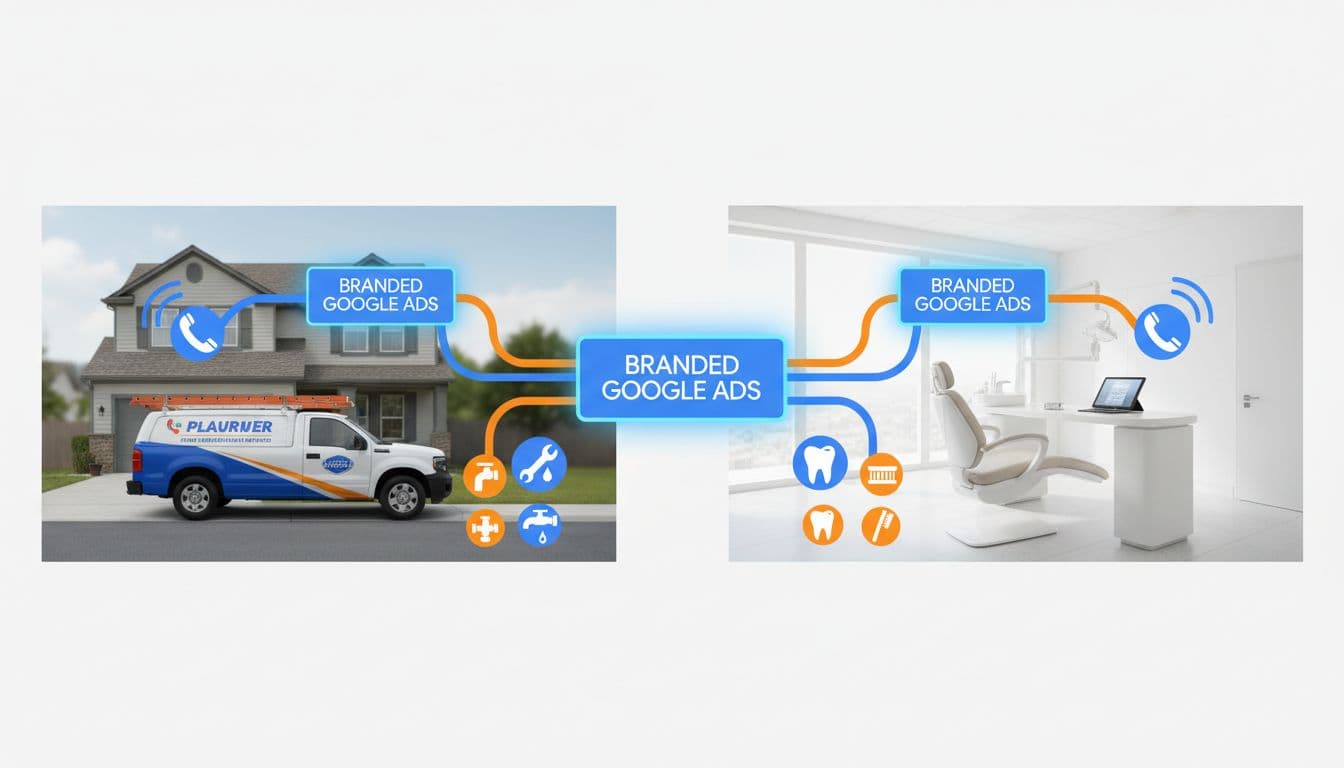
A plumber with strong truck branding may get lots of direct searches after hours. In that case, branded ads with call assets can protect urgent clicks when competitors are most aggressive. A dental office might run branded campaigns harder during promo months, after mailers, or when a nearby clinic starts bidding on its name.
Legal, medical, and high-ticket home service brands usually have more to lose from a stolen click. One retained case or financed install can pay for months of branded spend. Meanwhile, a small local contractor with no brand competition may only need light coverage, or short tests during busy seasons.
A branded campaign should fit your buying path. If the page helps people reach you faster, keep it. If it only shifts clicks from free to paid, cut it back.
A good branded campaign acts like a lock on your front door. It protects the people already trying to walk in.
Test it with discipline, keep automation on a short leash, and judge it by incremental leads, not cheap reports.