

If your search campaigns bring clicks but not booked jobs, the problem often starts with structure. A messy account sends mixed signals to Google, and mixed signals usually mean bad leads, unstable cost per lead, and wasted budget.
In 2026, a strong google ads campaign structure is usually leaner than people expect. Service businesses need clear campaign buckets, solid conversion data, and enough volume for bidding to learn. That matters whether you sell emergency plumbing, roof replacement, personal injury cases, med spa treatments, or B2B consultations.
Why campaign structure matters more in 2026

Google Ads now leans harder on automation, so account structure has a new job. It must feed cleaner data into bidding. If one campaign mixes emergency jobs, low-value service calls, and premium installs, the system struggles to learn what a good lead looks like.
For most local and regional service businesses, the ideal starting point is 1 to 3 Search campaigns, not 10 or 20. Keep the split based on business value, not personal preference.
A practical setup often looks like this:
- Core non-brand Search for high-intent services
- Brand Search if competitors bid on your name or branded volume is meaningful
- A separate test or specialty campaign for a new service, location, or audience
Inside those campaigns, ad groups should stay tight around service themes. HVAC companies might split AC repair and furnace install. Roofers may separate repair from replacement. Law firms usually need separate themes for practice areas because case value differs so much. Med spas often separate Botox from laser hair removal because intent, seasonality, and lead quality differ.
Location splits only make sense when staffing, close rates, or CPL varies a lot by market. If not, keep geography inside one campaign and use location targeting.
If you're rebuilding from scratch, start with a clean Google Ads account setup checklist for leads. Also, WordStream's 2026 account structure guide backs the same idea, fewer moving parts usually makes optimization faster.
Simplify or segment based on lead volume, not opinion
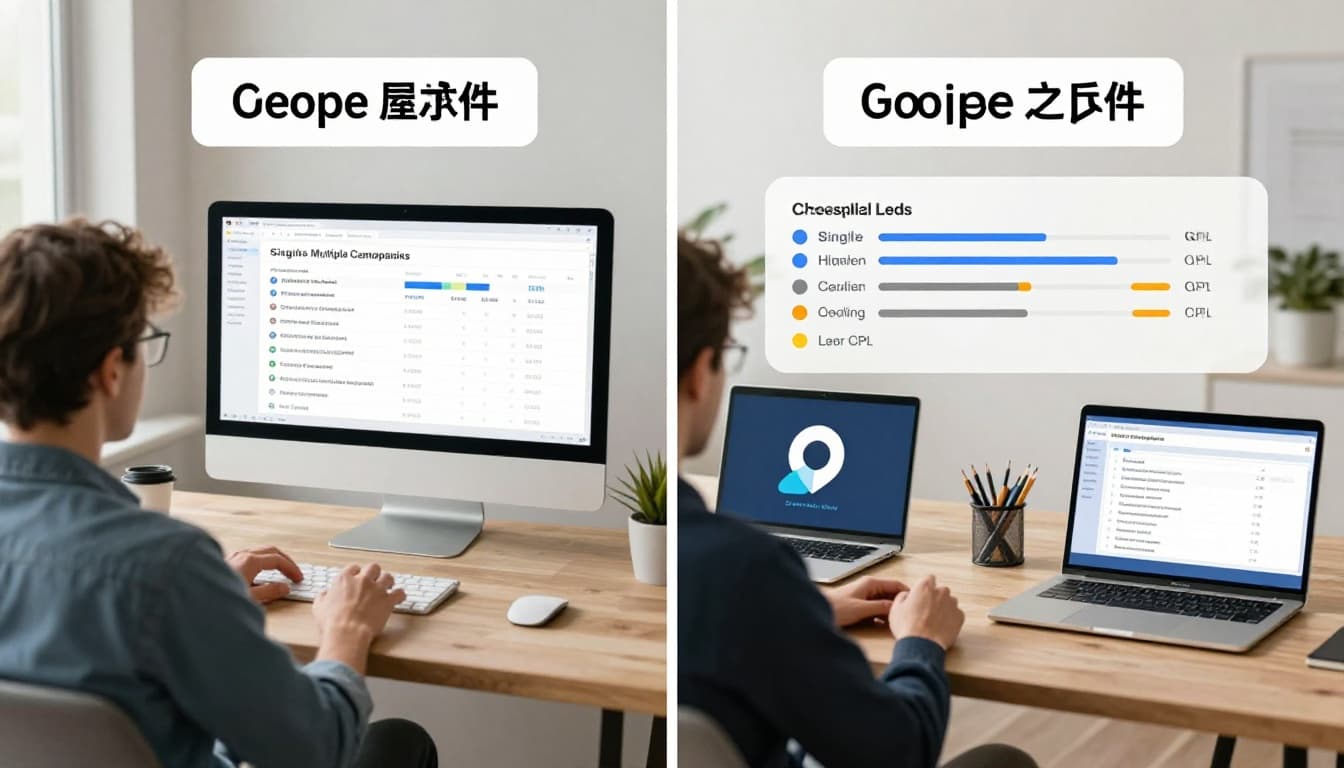
Think of campaign structure like shelves in a service van. Too few, and tools get piled together. Too many, and your tech wastes time hunting for the wrench.
Simplify when volume is low. If you get under 30 conversions a month, have one main service line, or run a modest budget in one metro, keep it tight. One Search campaign with a few focused ad groups is often enough. That helps Smart Bidding learn faster, and it keeps reporting clear.
Segment when the business case is real. Split campaigns only if you would change budget, target CPA, ad copy, landing page, or schedule. Good reasons include emergency versus planned work, residential versus commercial, or premium services versus lower-ticket jobs.
For example, a plumber can keep drain cleaning and leak repair together early on. Once water heater installs start bringing higher-value leads, that service may deserve its own campaign. A law firm should often split personal injury from family law because the economics are totally different. Meanwhile, a B2B service provider may split by offer, such as managed IT versus cybersecurity assessments, when sales cycles and close rates differ.
More campaigns don't create control. Better signals do.
Common mistakes still burn budget in 2026. Splitting match types into separate campaigns, cloning the same keywords across campaigns, breaking out every suburb, and treating every form fill as equal all create noise. So does over-segmentation before the account has enough data. As Elshorafa's 2026 framework for service businesses notes, service accounts usually perform better when bottom-funnel intent gets most of the budget.
Automation now rewards clean signals, not busy accounts

In 2026, Google is pushing more AI-led Search features, including AI Max in more accounts. That means broader query matching, search themes, dynamic ad assembly, and less manual control. So the structure question has changed. You're no longer organizing for neatness. You're organizing for data quality.
For new campaigns, Maximize Conversions often works best until you have enough real leads. After roughly 20 to 30 solid conversions in 30 days, Target CPA can make sense. Still, low-volume niches may do better with Manual CPC for a while, especially for terms like emergency roofer, divorce lawyer, or commercial HVAC maintenance.
Automation doesn't remove the need for search term management. It makes it more important. Review search terms often, then block junk fast. Home service accounts usually need negatives like jobs, salary, free, diy, parts, or training. Med spas may need negatives for school, certification, or wholesale. B2B services often need to exclude template, definition, or software if they sell done-for-you services.
First-party conversion data now has a much bigger impact on structure decisions. If Google optimizes to any lead, it will happily find more weak leads. Feed back booked calls, qualified forms, consultations that showed up, and closed revenue when possible. HVAC installers should value install calls above tune-ups. Law firms should separate signed cases from raw inquiries. B2B teams should import CRM stages, not just demo requests. A clean GA4 conversion tracking for lead gen sites setup helps keep those signals trustworthy.
If you also run broader campaign types, keep Search focused on bottom-funnel demand and manage expansion separately. This Performance Max campaign setup for service leads is a useful companion when Search and PMax both support lead generation.
The best structure in 2026 isn't the most detailed account. It's the one that helps Google find qualified leads without guessing. Start small, split only where the business model changes, and protect your budget with strong negatives and better conversion data. If lead quality feels shaky, fix the structure before you raise spend.