

One campaign setting can raise your lead volume or waste money on weak calls. For service businesses, Google Ads Search Partners now deserve a real review, not a default yes or no.
That matters more in 2026 because Google now separates Search Partners performance from core Google Search in reporting. You can finally judge them on lead quality, booked jobs, and ROI instead of guessing from blended data.
If you run ads for HVAC, plumbing, roofing, legal services, med spas, or other local service companies, this is where the decision gets clearer.
What Search Partners actually are in 2026
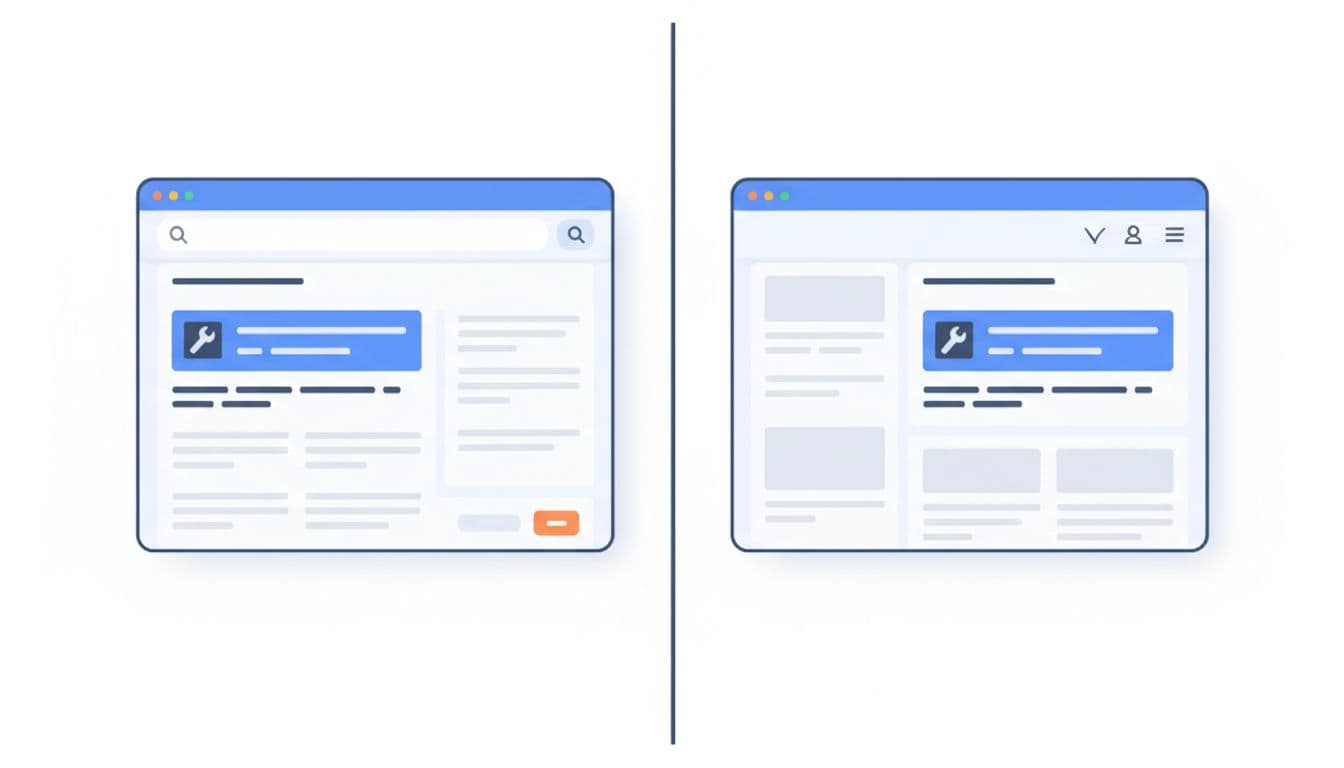
Search Partners are not Google.com. They are other sites and search experiences that can show your search ads when someone uses their search function. In 2026, that still includes places outside core Google Search, such as partner search properties and some syndicated results.
For years, many owners left this setting on and hoped for the best. Others shut it off without proof. Both approaches had the same flaw, because the old reporting often mixed partner traffic with Google Search traffic.
Now you can see Search Partners separately. Inside Google Ads, the “When and where ads showed” report gives you a cleaner view of impressions, clicks, conversions, and cost by network. That change matters because a plumbing call from Google Search may behave very differently from a roofing lead that came through a partner site.
Search Partners also come with less control. You can’t pick the exact partner sites. You usually opt in at the campaign level and let Google place eligible search ads where it sees fit. Because of that, this setting is less about preference and more about measurement.
For service businesses, the goal is simple. Don’t judge this traffic by cheap clicks. Judge it by phone calls answered, forms that pass screening, appointments set, and jobs sold. If partner traffic produces real work at an acceptable cost, keep it. If it brings weak leads, turn it off and move that budget elsewhere.
That is why Search Partners belong inside a broader Digital Marketing system, not as an isolated toggle.
Google Search vs. Search Partners, why the traffic feels different

Google Search traffic usually comes from people searching directly on Google. Search Partner traffic comes from other search environments, so the context can change. That change affects intent, click quality, and how likely a lead is to book.
This quick comparison shows why the two channels should never be treated as identical:
| Factor | Google Search | Search Partners |
|---|---|---|
| User context | High-intent search on Google | Mixed search environments |
| Traffic quality | More consistent | Wider quality range |
| Volume | Strong in most markets | Often incremental |
| Control | More predictable | Less transparent |
| Best use | Core lead generation | Testing for extra reach |
For a service business, that difference is practical. An “emergency plumber near me” search on Google often has strong buying intent. The same keyword on a partner site may still convert, but the user context can be weaker or less urgent. That is why partner traffic often looks fine at the click level but slips when you review call recordings or booked-job rates.
Campaign structure matters here. If you lump tune-ups, installs, emergency repair, financing, and brand terms into one search campaign, partner data gets even harder to judge. A segmented account makes network differences easier to spot. This HVAC campaign structure guide shows why intent-based segmentation produces cleaner performance data for home services.
The same logic applies to bidding. If you are already refining your Google Ads bid strategy, Search Partners should be reviewed with the same discipline. A campaign can look profitable on paper while partner traffic pulls down close rate in the field.
So treat Google Search as your baseline. Treat Search Partners as extra inventory that has to earn its place.
When Search Partners are worth keeping on

Search Partners can work well when your business already has the basics in place and needs more qualified volume. They tend to help most when demand is urgent, call-driven, and spread across a broad local area.
That often describes HVAC repair, plumbing, garage door repair, water damage, locksmith services, and some roofing campaigns after storms. In those cases, speed matters. People want someone to answer the phone and show up. If your call handling is strong, partner traffic can add leads that Google Search alone may not capture.
They are also worth testing if your Google Search campaigns are already stable. If core search is converting, your landing pages are solid, and you are not missing calls, partner inventory can be a smart next step for incremental reach. A good Google Ads for home services in 2026 breakdown shows how urgent service categories benefit from call-focused search campaigns.
This setting also fits businesses that measure past the lead. If you track call duration, lead status, booked appointments, and sold jobs, you can judge partner traffic on what matters. That is far better than using form fills alone.
Paid search works best when the rest of your marketing is not fighting against it. Search campaigns usually improve when SEO supports local demand, Social Media Marketing builds trust, Website Development removes friction, and Performance Marketing ties ad spend back to revenue. If those pieces are weak, partner traffic often exposes the cracks faster than Google Search does.
If you already run disciplined Google Ads management, Search Partners are not a reckless move. They are simply another traffic source that needs proof.
When to turn Search Partners off

Some campaigns should keep Search Partners off, at least for now. The most common reason is budget pressure. If you only have enough spend to support one clean test, put that money into Google Search first.
Lead quality is the second reason. If partner traffic brings short calls, price shoppers, out-of-area inquiries, duplicate leads, or forms that never answer follow-up, it is hurting more than it helps. In early 2026, separate reporting made this easier to catch.
A simple rule works well for many local advertisers: if Search Partners produce a cost per lead that is more than 20 percent higher than Google Search, and those leads book at a lower rate, shut them off. Do not keep paying for volume that your sales team cannot close.
Search Partners should earn budget the same way any employee earns payroll, by producing profitable work.
Legal services and med spas often need extra caution. Personal injury, criminal defense, family law, cosmetic injectables, and elective procedures can have high lead values, but the wrong clicks pile up fast. These buyers compare more, research more, and often need tighter message matching. When intent is sensitive and consultation quality matters, Google Search usually gives cleaner control.
Home service advertisers should be strict too. This HVAC PPC guide for 2026 highlights the value of careful search term review and phone tracking. The same mindset applies here. Weak leads are not harmless. They waste dispatch time, front-desk time, and technician schedules.
If budget is tight, some businesses get better returns by focusing on Google Search plus local organic visibility. That is where stronger landing pages and local SEO can help. A focused SEO guide for Kolkata businesses makes the same larger point: traffic quality beats traffic quantity.
How to test Search Partners the right way

A proper Search Partners test is simple, but it has to be clean. Many bad decisions come from messy tests with changing budgets, new ads, landing page edits, and network changes all at once.
Use this approach:
- Run the test for 2 to 4 weeks, or longer if volume is low. You need enough leads to compare networks fairly.
- Keep the campaign stable during the test. Do not rewrite everything midstream.
- Check the network report inside “Insights and reports” and then “When and where ads showed.”
- Compare Google Search and Search Partners on cost per lead, qualified lead rate, booked-job rate, and revenue.
- Decide based on business outcomes, not clicks.
That fourth step is where most accounts fall apart. A partner lead may cost less, yet still lose money if it never books. On the other hand, a slightly higher-cost lead may be fine if it turns into profitable work. For plumbers, roofers, and HVAC companies, call recordings and dispatch notes often reveal the truth faster than surface metrics.
Offline conversion tracking makes this test much better. Import booked jobs, sold estimates, or retained clients back into Google Ads when possible. If you only feed the platform raw calls and form fills, bidding can chase the wrong signal.
You should also separate campaigns by service line and intent. Emergency repair, maintenance, financing, and brand traffic do not behave the same way. A broad mixed campaign hides weak partner performance.
If you don’t have time to monitor this weekly, outside help can be worth it. Many owners reach that point when lead flow grows faster than their in-house process. In that case, a thoughtful partner or even outsourcing digital marketing can save more money than it costs.
Real examples for HVAC, plumbing, roofing, legal, and med spas
Home services usually have the best case for testing
HVAC, plumbing, and roofing often do well with Search Partners when the campaign is built around urgent intent. A homeowner with no AC in July or a burst pipe at 9 p.m. is not browsing for fun. They want a fast answer.
In those markets, partner traffic can add useful call volume, especially when your service radius is wide and your phone team is fast. This home services PPC playbook explains why local service advertisers often combine Search, Local Service Ads, and strong call handling to capture high-intent demand.
Roofing is a bit different. Storm-related searches can convert well, but general roofing research terms bring more shopping behavior. That means Search Partners may help during spike periods and hurt during longer research cycles.
Professional services often need a tighter filter
Legal services can produce expensive leads, and weak intake burns cash fast. A family law firm may want only high-intent searches from Google itself, at least until core campaigns are profitable. The same goes for med spas running campaigns around consultations, injectables, or high-ticket treatment packages.
Those businesses often care more about lead fit than raw volume. If partner traffic brings softer intent, shorter calls, or poor consultation attendance, turning it off is the right move. A useful HVACR guide to Google Ads makes a broader point that applies beyond HVAC: campaign success comes from matching offer, urgency, and geography, not from chasing every impression.
The same setting can behave differently because buyer behavior is different. That is why benchmarks from another industry only help so much. Your own sales data should make the final call.
How to improve ROI if you keep Search Partners on

If Search Partners stay on, tighten the whole campaign around quality. You cannot hand-pick partner sites, but you can make the campaign less attractive to bad traffic.
Start with structure. Separate emergency services from research-heavy services. Split brand from non-brand. Break out installs from repairs. Cleaner campaigns give bidding better signals and make network differences easier to spot.
Then fix the handoff after the click. Speed-to-lead matters more than most owners admit. If calls go unanswered, if forms take hours to reach staff, or if the landing page is slow on mobile, partner traffic will look worse than it should. In many accounts, ROI improves because the business got faster, not because the network changed.
Negative keywords also matter. Review search terms often, especially after adding broad match or Smart Bidding. A strong list will not solve every partner issue, but it does cut waste. The same is true for geo targeting and ad schedules. If junk calls come after hours or from fringe ZIP codes, reduce exposure there.
Finally, watch booked-job rate every month. Search Partners are not a set-and-forget switch. They deserve the same monthly review you give core search, landing pages, and call scripts. If you want help tying paid search into broader SEO, creative, and tracking work, a skilled digital marketing agency in Kolkata can bring those pieces together.
The best accounts do not obsess over whether Search Partners are “good” or “bad.” They ask whether those clicks turn into revenue.
Final thoughts
Search Partners are no longer a blind spot. In 2026, you can see their performance clearly enough to make a business decision instead of a gut call.
For most service businesses, Google Search should stay the foundation. Then let Search Partners compete for budget based on lead quality, booked jobs, and ROI. If they help, keep them on. If they miss the mark, turn them off without hesitation.