

When a pipe bursts at 1 AM, nobody wants a brochure. They want a person to answer the phone. That is why google call ads still matter for plumbers, HVAC teams, electricians, locksmiths, and restoration companies.
The big shift in 2026 is simple. Google's old Call-Only Ads are gone for new builds, so call-first campaigns now run through responsive search ads with call assets. If you want more booked jobs, not more empty clicks, your setup has to match that new reality.
When Google Call Ads Beat Landing Pages
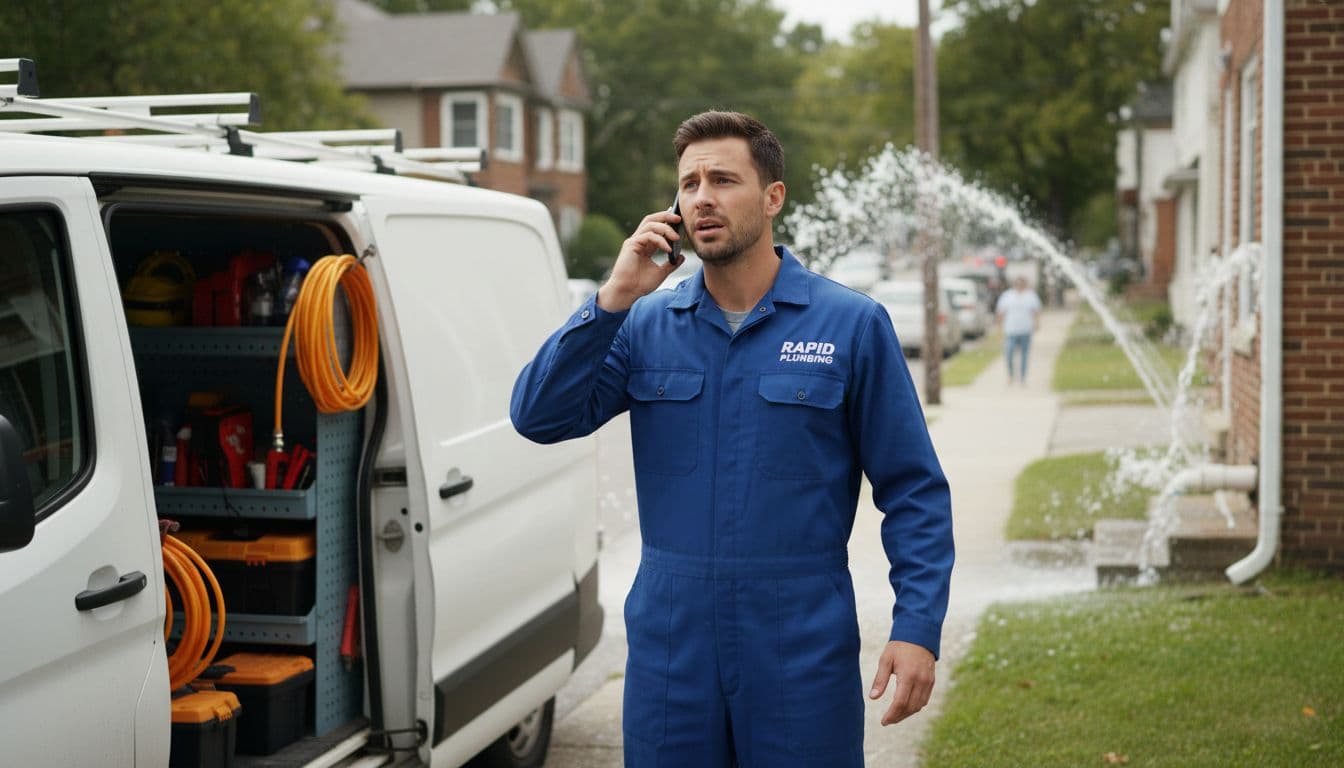
For emergency services, the phone is often the landing page. A live call can qualify urgency, location, and job value in under a minute.
Use call-focused ads when three things are true. The job is urgent, the search is local, and your team can answer fast. That fits burst pipes, no-heat calls, power outages, lockouts, and active water damage. It also works well on mobile, where people want help now, not a long form.
A plumber bidding on “emergency plumber near me” should push calls. An electrician on “sparking outlet repair tonight” should do the same. On the other hand, a full system replacement or planned remodel may need a landing page, photos, financing, and form capture.
In 2026, the winning setup is an RSA paired with call assets, tight location targeting, and clear hours. That's the model behind many high-intent lead strategies for plumbers. Think of it like a dispatch board, not a brochure rack.
Build the Campaign Around Services, Areas, and Answer Times
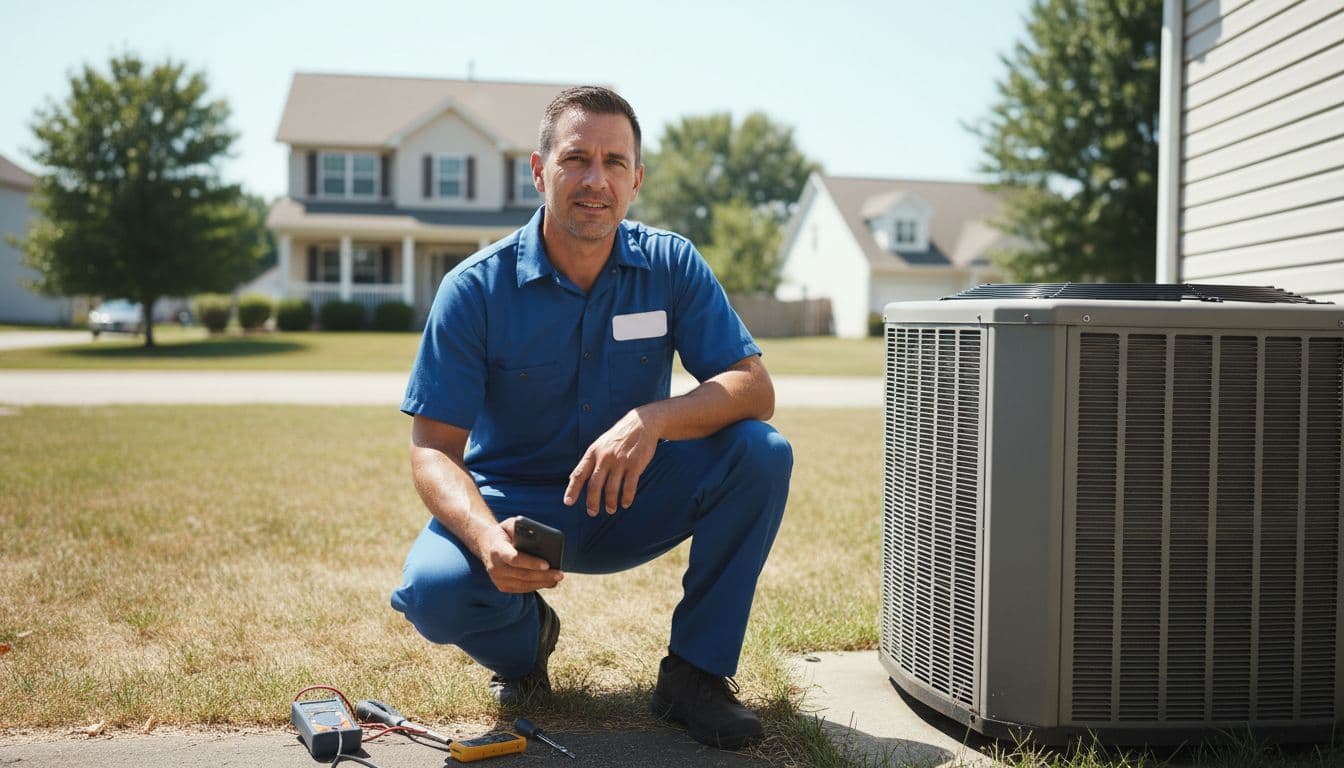
Don't lump every emergency service into one campaign. Split plumbing, HVAC, electrical, locksmith, and restoration into separate campaigns or ad groups. Then break them down by city clusters or service radius if volume allows.
That structure helps your bidding, your call reporting, and your budget control. It also makes it easier to enhance Google Ads Quality Score because keywords and ad intent stay closely matched.
A simple bidding guide helps:
| Bid strategy | Best use case | Why it works |
|---|---|---|
| Maximize Conversions | New campaign with fixed budget | Good for driving as many tracked calls as possible |
| Target CPA | You know your average cost per booked call | Keeps growth tied to a lead goal |
| Enhanced CPC | You want more manual control early on | Useful while data is still thin |
Most emergency advertisers should start with Maximize Conversions, then move to Target CPA once call quality data is clean.
Keep keywords tight. “Emergency plumber [city],” “24/7 HVAC repair,” “after-hours electrician,” and “water damage cleanup” are strong starts. Add callouts such as “24/7 Dispatch,” “Licensed Techs,” and “Same-Day Repair.” Set ad schedules only when someone can answer. A ringing phone with no answer is paid waste.
Write Ads for Panic, Not for Browsing
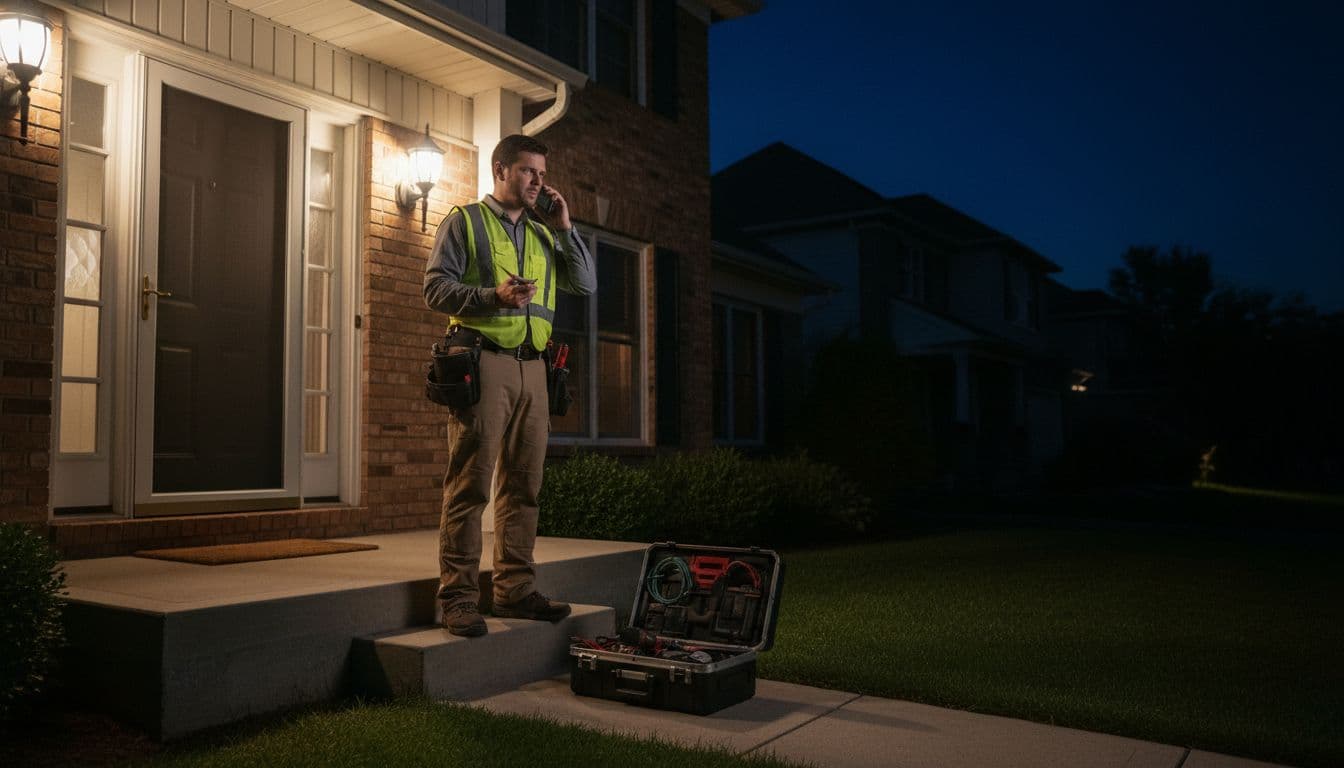
Urgent search intent has a different tone. The searcher is stressed, tired, and likely on a phone. So your ad copy needs to calm them down and move them to call.
Lead with the problem and the response time. Save brand slogans for later. For example:
- “Burst Pipe? Call a Local Plumber Now”
- “No AC Tonight? 24/7 HVAC Repair”
- “Locked Out? Fast Locksmith Dispatch”
- “Water Damage? Immediate Cleanup Help”
These lines work because they match the moment. They don't sound clever. They sound useful.
If your ad says “24/7 emergency service,” someone has to answer at 2 AM.
Pin one strong emergency headline if Google starts mixing in softer copy. Then test description lines around speed, local trust, and technician availability. A solid ad copy testing framework helps you spot which promises drive real calls, not only clicks. For more ideas, these call-focused HVAC ad examples show why short, direct wording often wins.
Optimize for Call Conversions, Not Call Volume
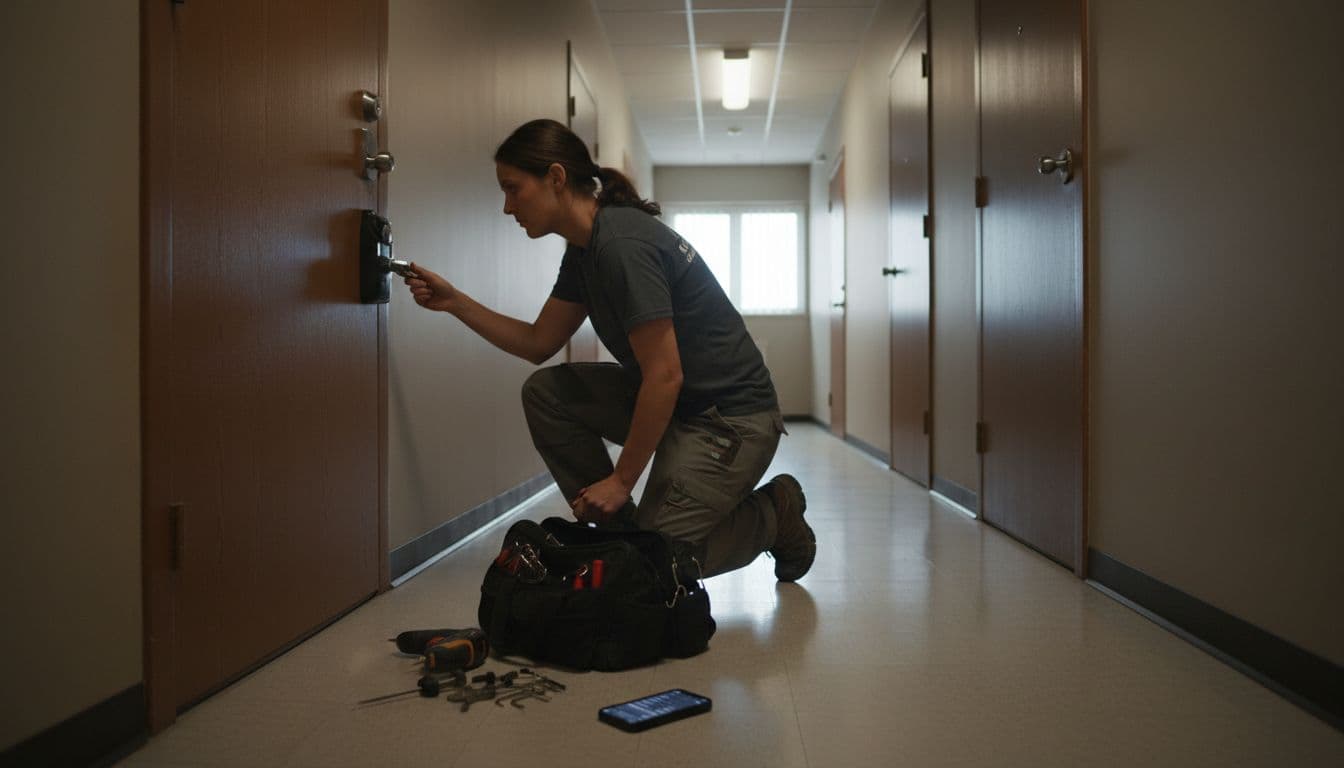
A 12-second misdial should not teach your campaign what success looks like. Track calls as conversions only when they meet a useful threshold, such as 60 seconds, 90 seconds, or a booked-job outcome in your CRM.
For many emergency service companies, the best signal is not “phone rang.” It's “dispatch scheduled” or “estimate booked.” If you can import offline conversions, do it. That gives Google better feedback than raw call counts.
Set call assets at the campaign or ad group level when services need separate tracking. A locksmith campaign should not share the same call goal as restoration if close rates and job values differ. Use local numbers when possible, keep location targeting tight, and prefer presence-based targeting so you aren't paying for people far outside your service area.
Search intent matters here too. “Water heater leaking now” is stronger than “water heater info.” “Breaker keeps tripping tonight” is stronger than “electrical code questions.” Clean signals help smart bidding find more of the calls you want.
Cut Wasted Spend Before It Trains the Wrong Pattern
Low-quality calls usually come from loose match types, weak negatives, bad schedules, or vague ad copy. Fix those first, and mine search terms for better leads every week.
Add negatives for job seekers, DIY intent, free help, cheap parts, training, salary, and unrelated services. Tighten your radius. Exclude areas where you don't dispatch. If your overnight answering team struggles, lower bids or narrow coverage after hours instead of pretending every hour performs the same.
Message quality filters the call before it happens. “Emergency repair only” will screen out price shoppers. “Service area limited to North Dallas” can stop out-of-zone calls. A restoration company can mention “insurance-friendly emergency cleanup” to pull in more serious jobs.
Bad calls don't only waste money. They also teach Smart Bidding to find more bad calls.
One more 2026 note matters. Google has updated terms around calls and messages, including AI-related recording language. Review your process, your scripts, and your consent rules before you turn on call recording at scale. These emergency plumbing ad examples can also help you tighten intent before the phone ever rings.
The best emergency lead strategy in 2026 is plain. Match urgent keywords with direct ads, answer the phone fast, and feed Google real call quality data.
If the campaign drives calls but dispatch doesn't answer, the system breaks. If tracking is sloppy, bidding gets sloppy too.
Audit your ads, search terms, and call settings this week. The next missed emergency call might be your most profitable job.