

If your ads disappear during peak hours, a competitor gets the call, not you. For plumbers, dentists, lawyers, med spas, and home service teams, google ads impression share is often the first clue that demand exists but your account isn’t showing often enough.
Still, more visibility isn’t always better. In 2026, the smart move is to win the right auctions, protect profit, and know when a lower share is perfectly fine.
Why impression share looks different in 2026
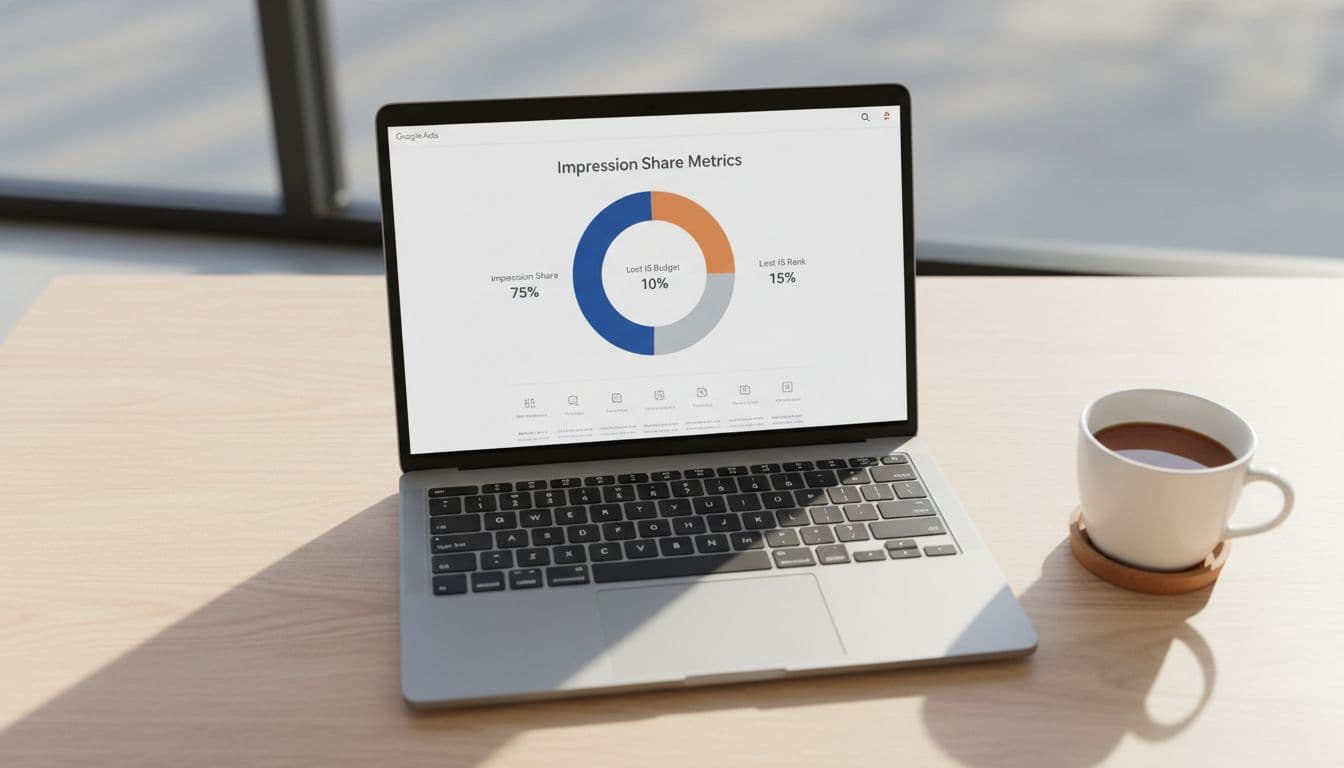
Search impression share is the percentage of eligible search impressions your ads actually received. If you showed 60 times out of 100 chances, your share is 60%.
That sounds simple, but 2026 has a wrinkle. After Google’s double-serving change in 2025, competitors can appear twice on one search page, top and bottom. Because total possible impressions grew, your share can fall even when clicks and leads stay steady. So, don’t panic over a one-week dip. Read trends over 30 to 90 days.
Also, keep impression share planning focused on Search. Since March 2026, Performance Planner no longer supports impression share goals for Display or Video. For service businesses, that’s not a big loss because calls, forms, and booked jobs still come hardest from local search intent.
WordStream’s overview of impression share makes the same point many owners miss: the metric matters most when the search itself matters.
Read the three metrics before touching bids
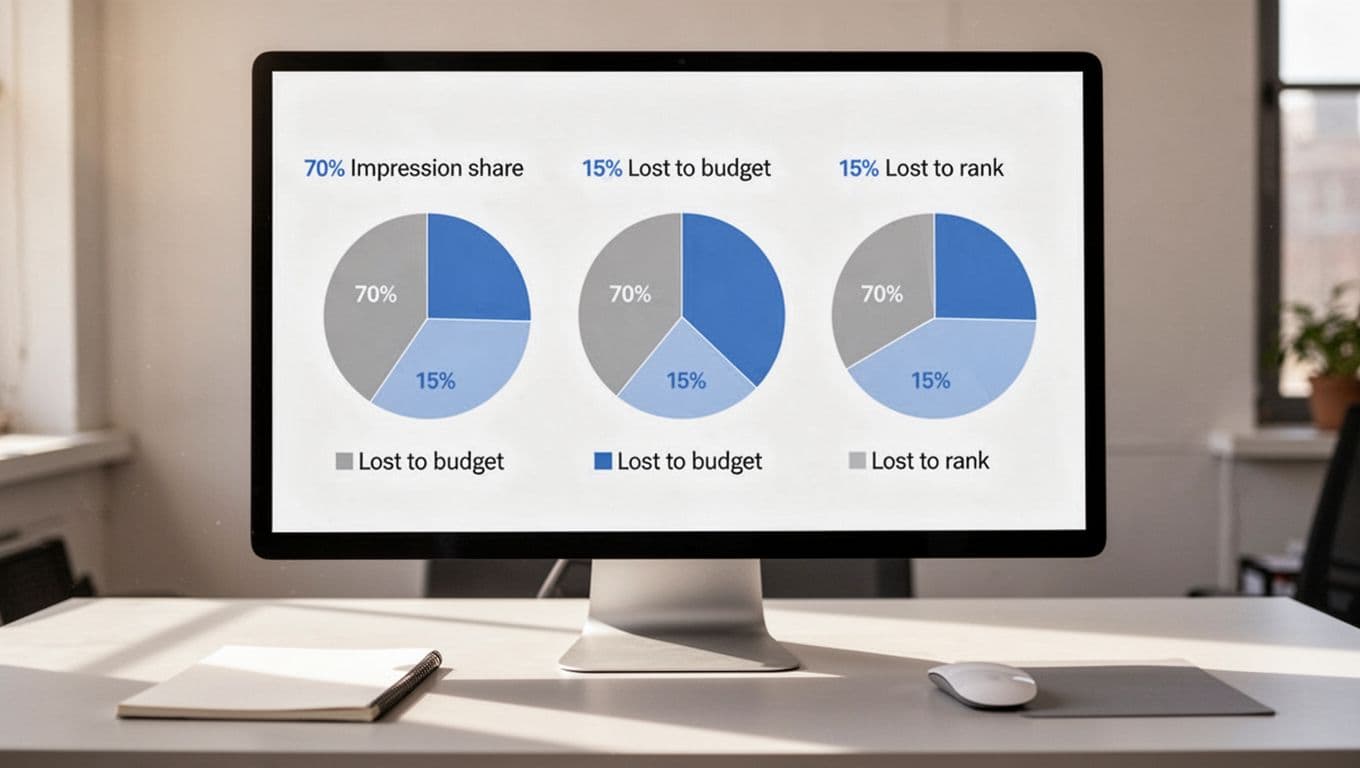
Before you raise budgets, add three columns to your Search campaigns.
| Metric | What it means | Usual fix |
|---|---|---|
| Search Impression Share | Percent of eligible impressions won | Check budget and rank loss |
| Search Lost IS (budget) | Missed impressions because daily budget ran out | Raise or reallocate budget |
| Search Lost IS (rank) | Missed impressions because Ad Rank was too low | Improve bids, ads, landing pages, assets |
This table tells you where the leak is.
If Search Lost IS (budget) is high, the account is eligible but runs out of money. That’s common in HVAC, plumbing, and emergency repair campaigns that spike after-hours. If Search Lost IS (rank) is high, your issue is competitiveness. Bid too low, weak ads, thin landing pages, or poor Quality Score can all drag rank down.
Don’t chase a 90% share on every keyword. Chase it where a missed impression means a missed sale.
For a more detailed breakdown of why share drops, Heidi Sturrock’s guide to falling impression share is a useful reference.
When a higher impression share is worth paying for

A stronger google ads impression share strategy makes sense when searches are urgent, local, and high intent. Think “emergency plumber near me,” “DUI lawyer Dallas,” or “same day dentist.” In those cases, being absent hurts.
It’s also worth pushing harder on branded search if competitors bid on your business name. For help there, see when to bid on brand terms.
On the other hand, don’t overpay for generic research terms. A med spa doesn’t need dominant share for every “skin care tips” search. A law firm shouldn’t force top exposure on broad legal education keywords if consultations are already full. In many accounts, a 40% to 60% share on bottom-funnel terms beats 85% on loose traffic.
This is where SEO helps. If your site already ranks well for non-urgent queries, paid search can stay focused on the searches most likely to become calls.
The fixes that raise share without wrecking lead quality
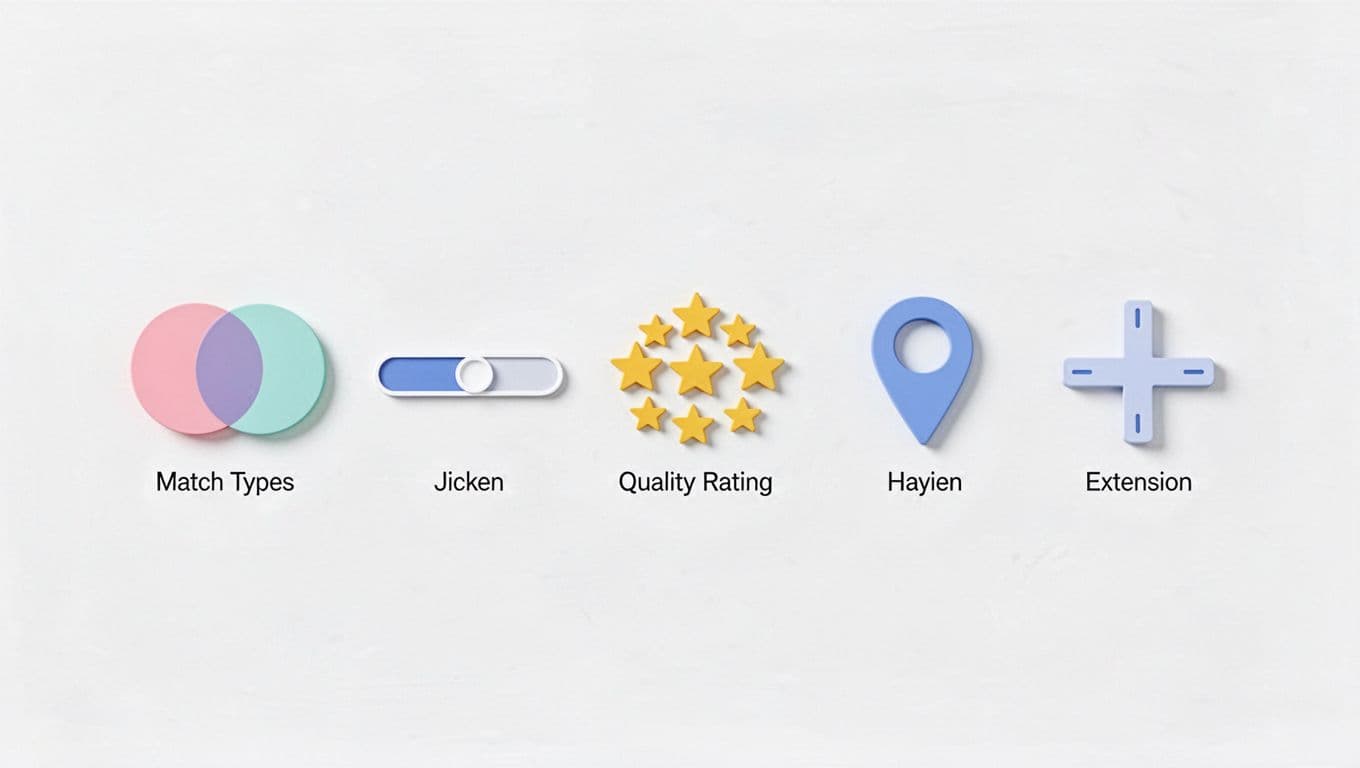
When rank loss is the problem, start with Ad Rank. That means bids, expected click-through rate, ad relevance, landing page experience, and asset impact.
A practical fix list looks like this:
- Tighten campaign themes. Exact and phrase match usually work best for service keywords with clear intent. Broad match can work, but only with strong negatives and clean conversion data.
- Push budgets where demand peaks. Emergency trades often need more spend at night and on weekends. Dental and legal accounts may do better during staffed call hours.
- Narrow location targeting. A plumber serving three suburbs shouldn’t pay for the whole metro area. Radius, city, zip, and service-area exclusions matter.
- Improve assets. Call, location, sitelink, and structured snippet assets can lift Ad Rank and click-through rate.
- Match ads to the search. If the keyword says “water heater repair,” the headline and landing page should say the same thing.
- Clean up conversion quality. Import offline outcomes, not only form fills. Enhanced Conversions for Google Ads leads helps here.
Bidding needs the same discipline. Target Impression Share can work for branded campaigns or your highest-value local terms, but it shouldn’t control the whole account. For most service businesses, a balanced setup uses smart bidding where lead quality is proven and manual limits where it isn’t. If you need a tighter bidding framework, this Google Ads bid strategy guide is a solid next read.
Good Website Development also matters. Slow pages, weak trust signals, and poor mobile layouts hurt rank. So does weak form design. In other words, impression share is part of Performance Marketing, not a standalone fix.
What this looks like for real service businesses
An HVAC company may want aggressive share only for repair and replacement terms during hot weeks, then relax on maintenance keywords. A plumber should protect evenings, weekends, and high-margin jobs first. A dental office may focus on implants, emergency dental, and city-based searches, not every cosmetic query.
Law firms often need tighter filters because bad leads are expensive. Med spas should watch age, location, and landing-page match closely. Agencies managing client accounts need qualified pipeline data, not vanity leads, or smart bidding learns the wrong lesson.
Strong DIgital Marketing works best when paid search connects with Social Media Marketing, CRM follow-up, and local content. If your account has high lost rank, weak forms, and shaky call tracking, fix the system before buying more share. If you want a second set of eyes on that system, Get In Touch With Us.
Final thoughts
The best google ads impression share strategy in 2026 is selective. Win the searches that bring revenue, accept lower share where intent is weak, and separate budget loss from rank loss before changing anything.
If your ads keep vanishing, the answer isn’t always more spend. Most of the time, the answer is better targeting, better pages, and better conversion quality.