

Too much pinning can turn a smart ad into a stiff one. For service businesses, that often means fewer calls and weaker lead quality.
That risk matters more in 2026 because call-only ads are gone. Responsive Search Ads now carry more of the load, especially in HVAC, plumbing, legal, dental, roofing, and other home service campaigns.
A strong RSA pinning strategy gives you control where you need it, without choking off Google’s testing.
What RSA pinning actually does in 2026

Pinning locks a headline or description into a set position. Headline 1, Headline 2, Headline 3, Description 1, or Description 2. Google says on its responsive search ads help page that if text must appear in every ad, you should pin it, and when possible give that slot two or three approved options.
Because call-only ads ended in early 2026, many service advertisers now rely on RSAs plus call assets. That makes headline control more important, but it also makes over-pinning more dangerous. Google is leaning harder into automation this year, so heavy pinning fights the direction of the platform.
The mistake is copying old expanded text ads and pinning almost everything. Once you do that, the RSA loses much of its ability to match the query, device, and context. For service businesses, the point isn’t more control at all costs. The point is controlled flexibility.
Where pinning helps, and where it hurts
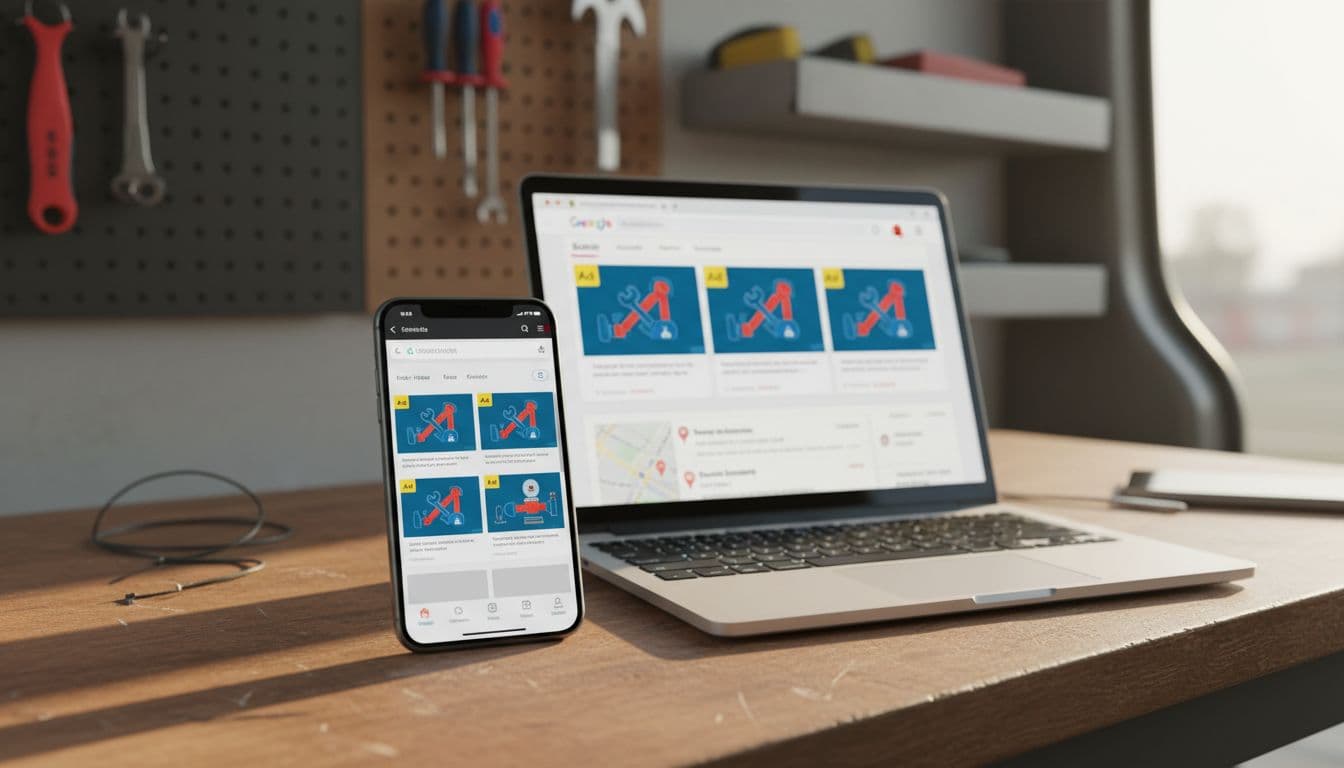
Pin when a message must show every time. That includes legal wording, license claims, brand terms in branded campaigns, and offers you can’t afford to hide, such as “24/7 HVAC Repair” or “Free Roof Inspection.”
However, don’t lock down local intent too hard. If you serve many cities, pinning “Dallas Plumber” in every slot can reduce relevance for nearby searches. In non-brand lead-gen campaigns, pin the service or offer in H1 more often, then let city, urgency, trust, and price signals rotate in the other lines.
Brand control also depends on campaign type. In branded search, pinning your business name in H1 is often smart because the query already shows intent. In cold local searches, a service-first H1 usually beats a brand-first one unless your name carries strong trust in that market. For legal and dental advertisers, compliance text often belongs in a pinned description, not a pinned headline.
This also needs to line up with the rest of your funnel. For many small firms, DIgital Marketing isn’t split into neat boxes. SEO, Performance Marketing, Social Media Marketing, and Website Development all shape what happens after the click. A clean qualified leads campaign framework makes pinning easier to test.
Sample headline structures for local service ads
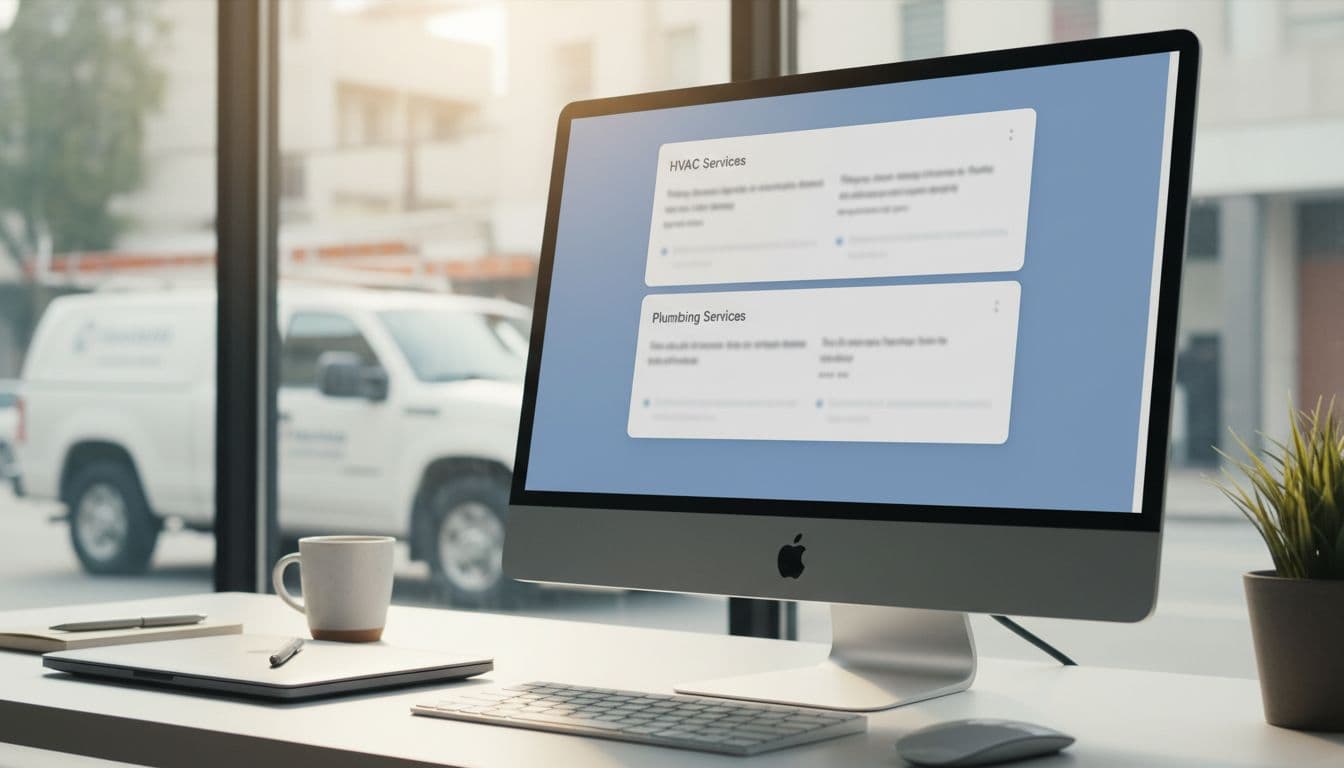
A good service ad usually has one anchor and several flexible lines. On non-brand search, the anchor is often the service type or urgent offer. On branded search, the anchor is often your business name.
If every row in your ad says the same thing, Google has nothing useful to test. If every row says something different, the message gets sloppy. The best middle ground is one fixed promise and several rotating support lines.
This quick table shows the pattern.
| Business | Pin in H1 | Sometimes pin H2 | Leave unpinned |
|---|---|---|---|
| HVAC | Emergency HVAC Repair | Licensed Local Techs | AC Not Cooling?, Same-Day Service, Financing Available |
| Plumbing | 24/7 Plumber Near You | No Trip Fee | Burst Pipe Repair, Fast Arrival, Book Today |
| Legal | Personal Injury Lawyer | Free Case Review | No Fee Unless You Win, Speak With an Attorney |
| Dental | Emergency Dentist | Same-Day Visits | Tooth Pain Relief, Most Insurance Accepted |
| Roofing | Roof Repair Experts | Free Roof Inspection | Storm Damage Help, Local Crew, Financing Options |
| Home services | Trusted Local Home Services | Background-Checked Pros | Same-Day Booking, Upfront Pricing |
Notice the pattern. The pinned line states the service, problem, or must-see offer. The unpinned lines handle proof, timing, financing, insurance, or city-level variation. Use Description 1 for pinned compliance text when you need it. Legal and dental advertisers often do this.
Dos and don’ts for compliance, brand control, and testing
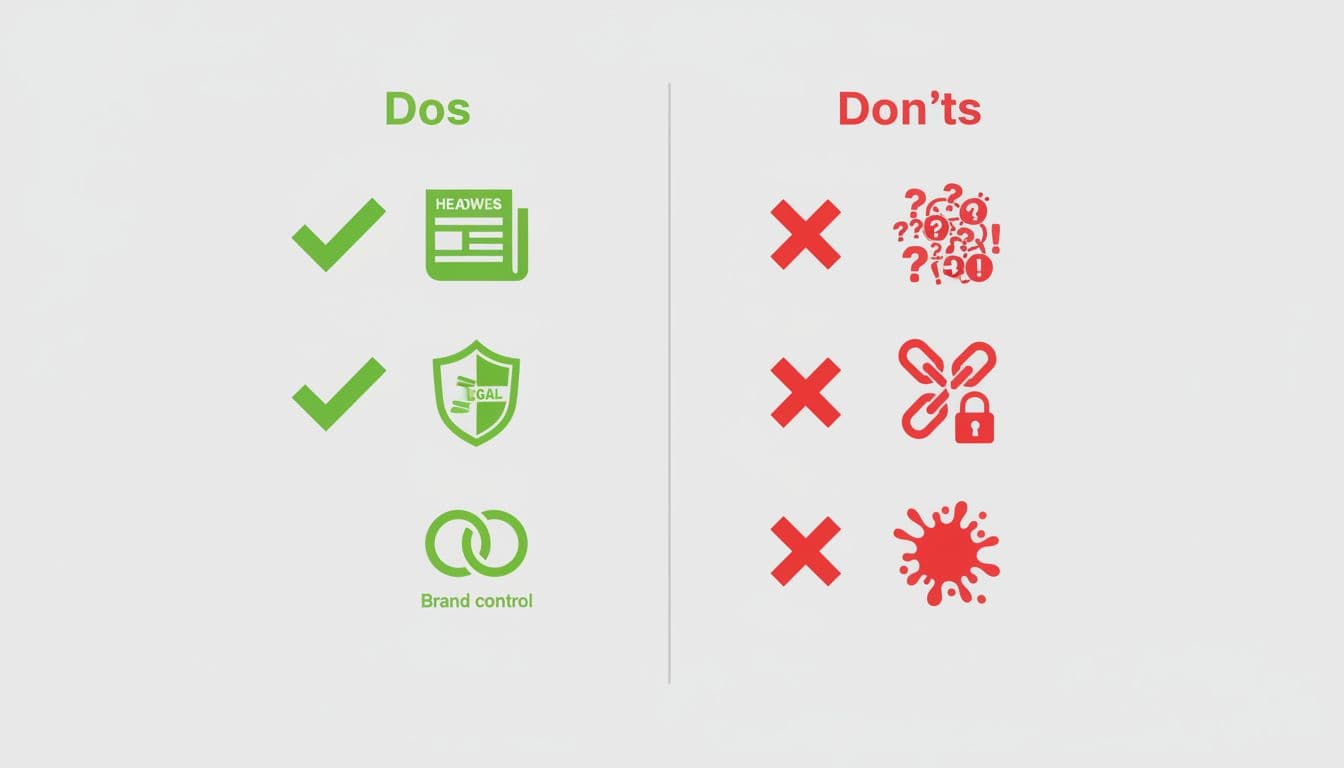
Pinning is a control tool, not a default setting.
That approach fits what a recent RSA performance study found: partial pinning tends to beat full pinning on efficiency and conversion metrics.
- Pin only the lines that must show every time.
- Give pinned slots more than one approved option when you can.
- Compare pinned and looser versions on qualified leads, not only CTR.
- Don’t pin all three headline positions.
- Don’t pin city names everywhere in multi-location campaigns.
- Don’t pin fake urgency, like “24/7,” if phones roll to voicemail at night.
Run the test long enough to get stable data, usually two to four weeks for local lead-gen accounts with steady volume. Then look at qualified calls, booked estimates, consults kept, and sales. A roofing ad with lower CTR can still win if storm-damage leads close better.
Before you compare winners and losers, fix tracking. If your forms, call reporting, or offline imports are messy, start with an account setup for qualified leads.
A simple framework for deciding when to pin
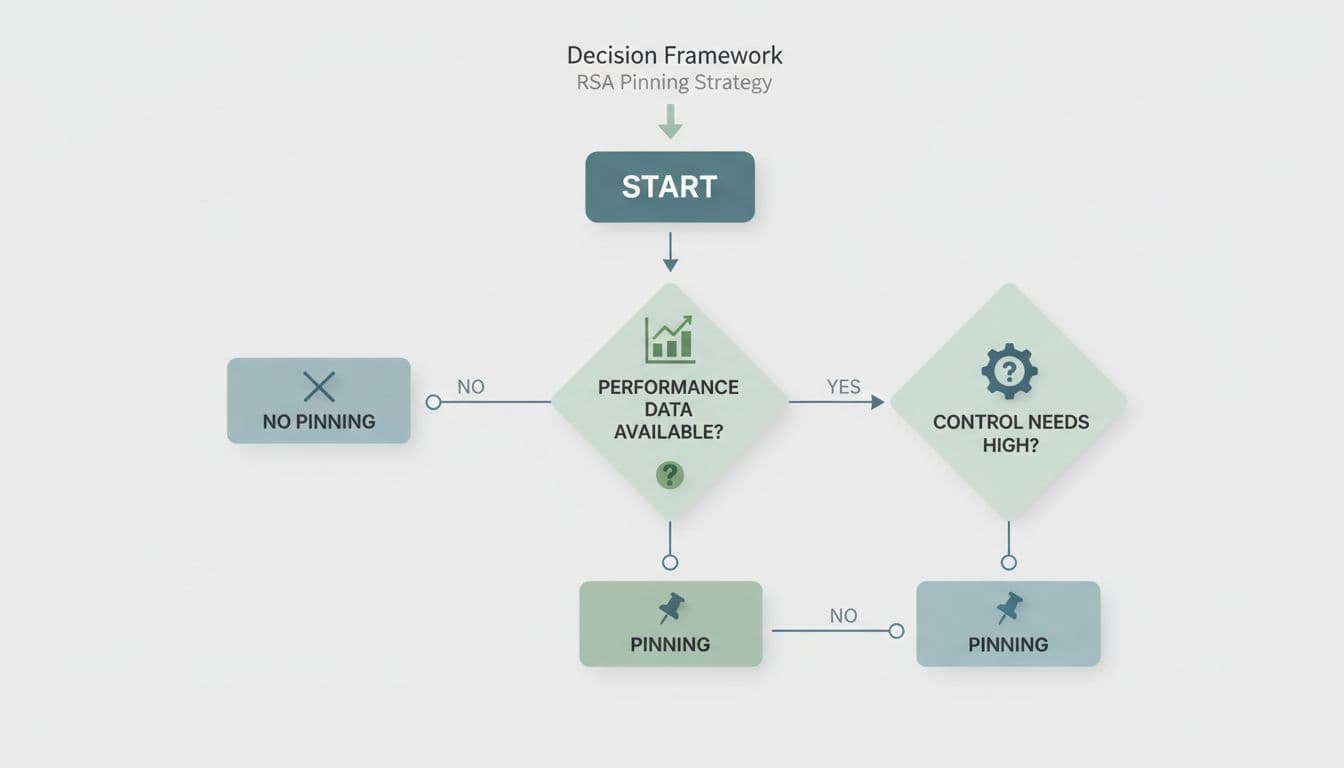
Use this short check before you pin anything.
- If the message must appear in every impression, pin it.
- If more than one approved line can do that job, pin two or three options to the same slot.
- If the campaign is still learning, leave most headlines unpinned.
- If lead quality is weak, pin a clearer service qualifier first, not the whole ad.
That last point matters for plumbers, HVAC companies, and other emergency services. If junk traffic is creeping in, a pinned H1 like “Emergency Plumber” can filter curiosity clicks faster than a generic benefit line. On the other hand, if volume drops after pinning, loosen H2 before you touch H1. If you want a second set of eyes on that tradeoff, Get In Touch With Us.
Final thoughts
The best RSA setups don’t act like old text ads. They keep one or two lines fixed, then let the rest compete.
For most service businesses in 2026, partial pinning is the safer bet. Pin what protects the brand, the offer, or compliance, then judge the result on booked jobs and qualified calls.