

You can build a small business email list without popups by offering something useful where customers already interact with you. Start with clear permission, then make subscribing easy.
For small business owners in Kolkata, a useful checklist, Instagram signup link, or counter display can invite voluntary signups.
The first decision is what people are joining and why they’ll want your next email.
Build your list around permission
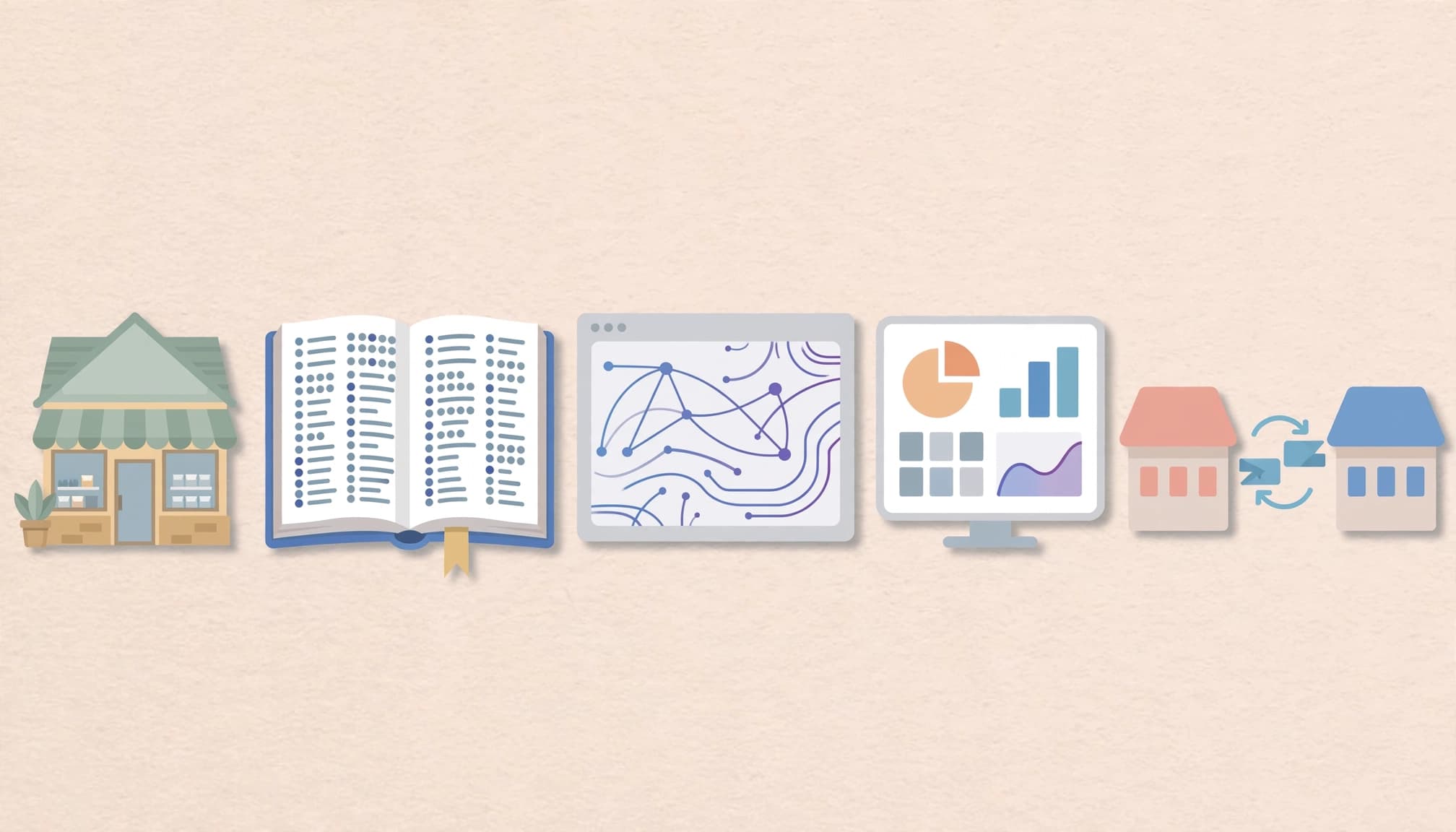
A subscriber list contains people who’ve agreed to receive your marketing. A prospecting database contains contact details for sales research. Keep these separate.
Organic lists are built from opt-in email addresses collected through your own signups. Directory lists use publicly listed contacts, while scraped lists collect addresses automatically. Public availability or successful email verification doesn’t establish permission for mailing lists.
Email marketing platforms help collect and manage subscribers, but opening an account doesn’t provide a permission-based audience. You can start a free email list with no-cost signup methods, though platform fees may apply as it grows. Collaboration-based lists need care too. A partner’s subscribers haven’t automatically agreed to hear from you.
Buying gives you access to records under a licence. Renting typically means paying for access or a campaign through another organisation. Neither approach transfers consent automatically.
Key takeaways
- Offer a clear benefit before asking for an address.
- Collect promotional permission separately from enquiries, purchases, and event registration.
- Keep the signup source and consent record with each subscriber.
For European audiences, EU data protection rules also affect how you obtain and use personal information. A database vendor’s compliance claim doesn’t settle your own obligations.
For everyday customer newsletters, build a business mailing list from voluntary signups by people who’ve agreed to receive marketing.
Give people a useful reason to subscribe

Choose one offer tied to a customer decision. A focused resource, such as a checklist or template, makes a clear lead magnet that’s easier to explain and maintain than a broad newsletter promise.
Offer checklists, templates, or short guides

Build your resource around questions customers already ask. For home services, publish a seasonal maintenance checklist. For a boutique, create a garment-care guide. B2B firms can offer a quotation-comparison template to business customers who choose to join a permission-based B2B email list.
Keep the first resource short enough to use immediately. An e-book makes sense when the subject needs depth, but length alone doesn’t create value.
Describe the result on the signup page. “Download the monsoon maintenance checklist” tells visitors more than “Get exclusive content.” Also explain whether they’re requesting only the download or choosing ongoing emails.
Use discounts without attracting only bargain hunters

A first-order discount can work for retail, provided your margins support it. State the expiry and exclusions before someone subscribes.
For services, offer priority booking or a useful consultation resource instead of discounting every appointment. Match the incentive to what customers genuinely need.
Giveaways require similar care. A relevant prize attracts a more suitable audience than an unrelated gadget. Explain the entry terms and keep optional newsletter permission distinct from competition administration.
After delivering the incentive, send useful follow-up content. Repeated offers can teach people to wait for the next discount.
Place signup forms where they feel relevant

Use embedded forms and dedicated landing pages as lead generation tools, rather than overlays. Visitors should remain free to finish their original task.
Add forms beside related website content

Place a checklist signup below the article that answers the same problem. Also add a simple footer form and a dedicated subscription page.
Ask for an email address first. Collect a name or language preference only when you’ll use it. Leave promotional checkboxes unchecked, and separate them from quote requests.
Use a clear button such as “Send my checklist.” Explain the expected frequency nearby, then test the complete form on mobile.
SEO can bring visitors to this page, but traffic and enquiry submissions don’t grant permission to send marketing emails.
Turn social interest into voluntary subscriptions

Link your Instagram bio, Facebook page, and LinkedIn posts to the same focused signup page. Show a useful preview of the resource before asking people to subscribe.
Keep the post and landing page consistent. Someone responding to a stock-arrival guide shouldn’t land on a generic consultation form.
Paid Facebook lead generation ads can extend this approach. However, requesting an offer through an ad doesn’t automatically mean subscribing to every future campaign.
Make ongoing email permission explicit within the form. Never import followers or group members into your mailing list.
Earn signups through local events and referrals

Your shop counter and local relationships can support list growth. Keep each invitation clear, optional, and easy to decline.
Invite customers at counters, workshops, and expos

Place a QR code beside the till, on a receipt, or on a printed direct mail marketing invitation. Link it to a mobile-friendly signup page that explains the benefit and lets visitors choose whether to subscribe.
Staff can mention the invitation after helping a customer. Don’t make subscription a condition of receiving normal service.
For paper forms, explain how you’ll use the email address and include a separate consent choice. Transfer records securely and restrict access.
A business card permits expected follow-up, not automatic newsletter enrolment. A printed invitation or event attendance also doesn’t grant permission to send promotional emails.
Let referrals bring people to your signup page
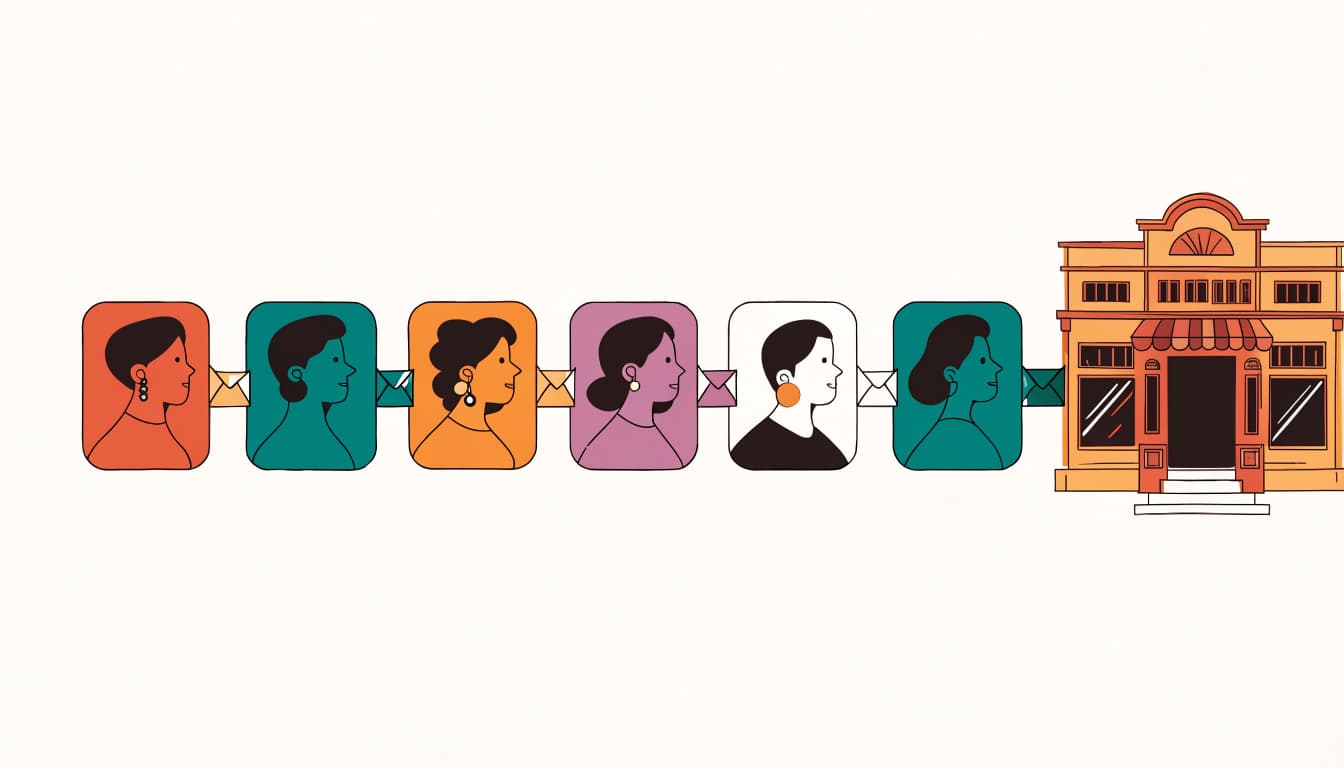
Ask subscribers to share a public signup link with someone who might benefit. Don’t ask them to submit a friend’s email address.
For partnerships, agree on a relevant resource or joint workshop. Each business should explain its email programme and collect permission independently.
Use separate signup links for partners and events so you can compare results later. For Kolkata audiences, offer Bengali or English preferences if you can support both.
Keep rewards transparent, and count completed, valid signups rather than link clicks alone.
Protect delivery and measure genuine list growth

Use a business-domain sending address and configure SPF, DKIM, and DMARC before launching. Our email deliverability checklist covers sender identity, bounces, and complaints.
Store the signup date, source, consent wording, and relevant preferences. Double opt-in helps confirm ownership and reduce mistaken signups, although it isn’t universally mandatory.
Verified email addresses can help identify delivery risks, but they don’t prove consent, buyer suitability, or guarantee inbox placement.
Validate submissions server-side before adding them to automations. Remove hard bounces, monitor bounce rates, honour unsubscribes, and keep suppression records so imports don’t reactivate people who’ve opted out.
For US email marketing campaigns, the FTC’s CAN-SPAM guide requires accurate sender information, non-deceptive subjects, a postal address, and a working opt-out process. Follow these requirements to keep campaigns CAN-SPAM compliant.
GDPR and CCPA apply based on factors such as where subscribers live and how your business operates; complying with one doesn’t automatically satisfy the other.
Next, deliver the promised resource immediately. Build a welcome email sequence around that promise, then shorten or stop messages when someone buys, books, or unsubscribes.
Measure accepted signups rather than button clicks. If confirmation is required, report confirmed subscribers separately from pending addresses.
Also compare qualified enquiries, purchases, complaints, and unsubscribes by signup source. Our guide to tracking website conversions helps connect form activity with meaningful outcomes.
Finally, group subscribers by useful actions, such as purchases or service interests. Send messages that fit those actions rather than relying on email opens alone.
Frequently asked questions
Are free contact-finding tools a substitute for subscribers?
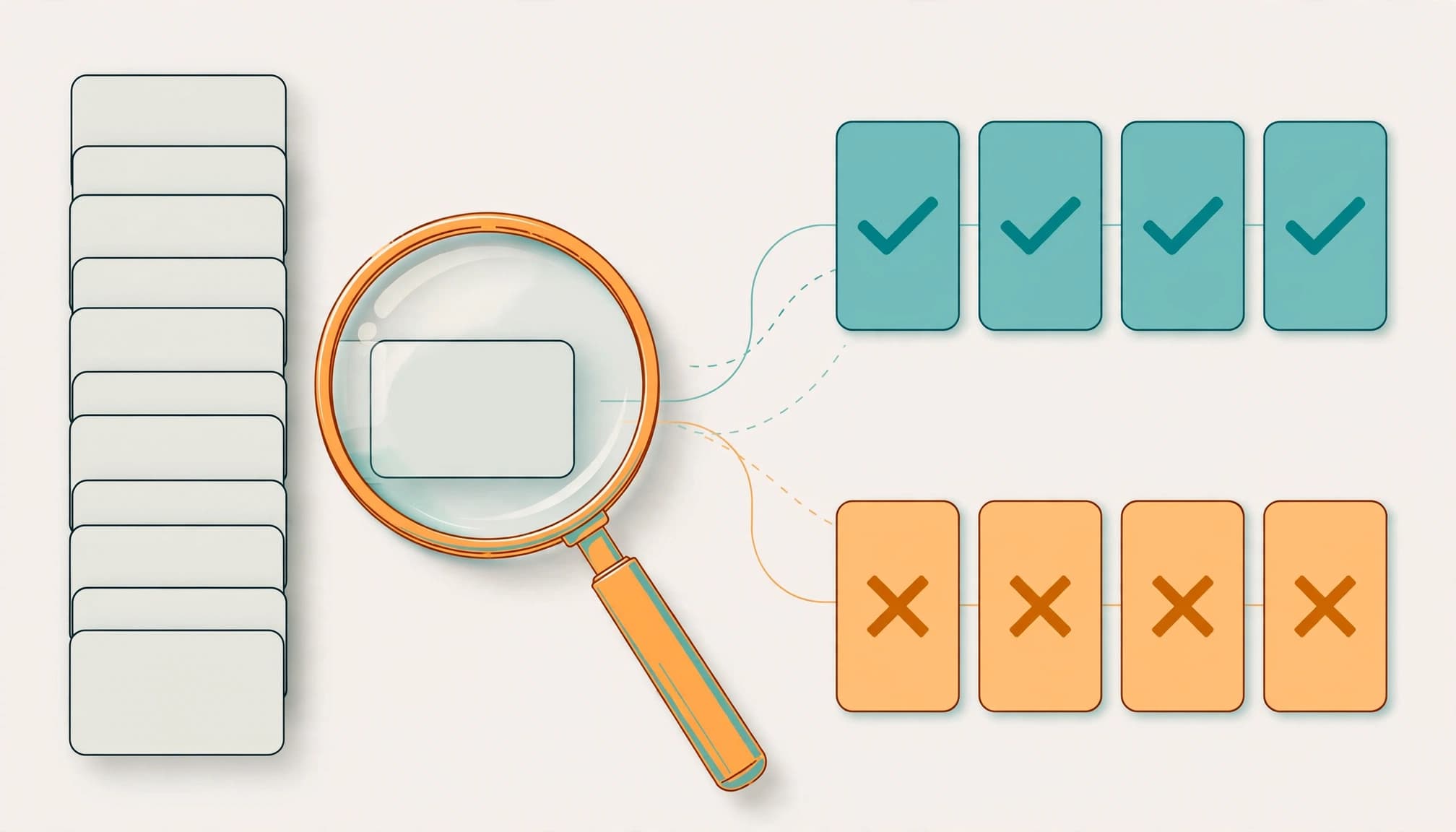
No. An email finder or Chrome extension supports prospect research, not permission-based newsletter growth. Lusha’s free plan includes 40 monthly credits. Bookyourdata advertises 10 free credits without a card. Check any provider’s free trial terms, since credits don’t grant marketing permission.
Should I buy a business database instead?
For this newsletter strategy, build your own list. If you buy email list data, those records aren’t subscribers. Salesgenie says it employs 300 full-time US researchers and data integrators, but that research doesn’t grant marketing permission.
Databases can filter by firmographics, SIC codes, and decision-makers for sales research. Compare pay-as-you-go pricing, CRM integration, a satisfaction guarantee, and an accuracy guarantee as provider terms, not evidence of consent. Keep lawful prospecting separate from newsletter growth and customer email automation. US-focused records aren’t a ready-made Kolkata customer audience.
Can a Kolkata business email international customers?
Applicable rules depend on your activities and recipients. GDPR requires a lawful basis where it applies, while European electronic-marketing rules add requirements. The California Consumer Privacy Act gives privacy rights where its scope and thresholds apply. TCPA concerns relevant US calls and texts, rather than ordinary email newsletters.
How can I improve an older list?
Separate contacts with documented permission from uncertain records. Suppress unsubscribes and hard bounces, then assess address validity and relevance. Verification tools can help identify delivery risks, but they can’t repair missing consent. Don’t upload an entire dormant database into a promotional blast.
Build a list customers choose to join

A useful small business email list starts with relevant offers and clear choices. Begin with one resource, a signup page, and a dependable welcome email.
Then grow your list through social channels, local events, and referrals while tracking which sources bring engaged customers.
If you need help connecting your website, campaigns, and signup journey, Get In Touch With Us. We can help you build a practical approach without interrupting visitors.