

Brand awareness can bring someone to your clinic online. They can check its hours, send a WhatsApp message, and still never book. If you only count website enquiries, you won’t see where that opportunity disappeared.
Customer journey mapping connects those moments and shows the customer experience from discovery through enquiry. For a service business, it reveals what people need before they enquire, what slows them down, and what happens after they make contact. Start with the path a real customer takes, rather than the path your team assumes they take.

What customer journey mapping reveals for service leads
A customer journey map is a visual record of the steps someone takes with your business, alongside their questions, actions, and frustrations. For lead generation, it should follow the customer journey stages beyond the first form submission. An enquiry still needs a response, a useful conversation, and a clear route to booking.
Consider a Kolkata physiotherapy clinic. Someone may discover it through Google, compare treatment information, call about availability, and visit for an assessment. Their customer expectations include clear consultation fees and a reliable response. The website might explain the treatment well, yet leave fees unclear. Reception might then miss the call. A map puts both problems in the same view.
That shared view matters because marketing, reception, sales, and service delivery often see different parts of the buyer journey. It also helps you distinguish demand from enquiries that fit your services and capacity. A demand generation strategy for service businesses aligns those findings with your target audience, messaging, channels, and marketing strategy.
The parts of a useful service journey map

A useful customer journey map doesn’t need to be complicated. Start with one type of customer seeking one service, then record what happens at each stage.
Journey stages and customer intent
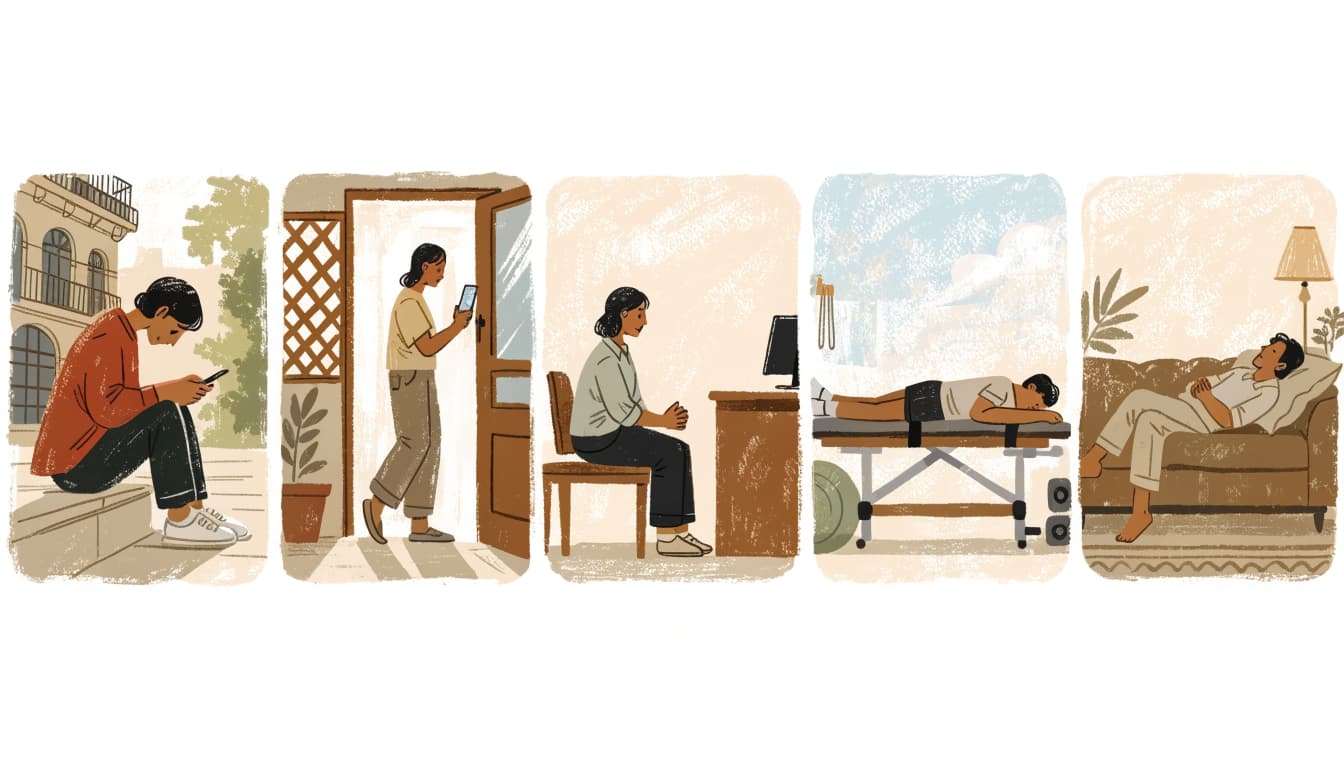
Map customer journey stages around changes in the customer’s goal, not your internal sales labels. This simple template works for many local services:
| Stage | Customer’s question | Business action |
|---|---|---|
| Discovery | Can someone solve this nearby? | Show the service and area covered. |
| Evaluation | Can I trust them? | Explain process, proof, and likely costs. |
| Enquiry | How do I get an answer? | Offer a clear contact route. |
| Booking | What happens next? | Confirm timing and preparation. |
| Follow-up | Should I return or refer someone? | Check the outcome and stay useful. |
A buyer journey may repeat stages or switch channels. Unlike a sales funnel, this map records customer actions and friction, not just conversion.
Touchpoints, channels, and customer actions

For each stage, record touchpoints and channels, distinguishing the channel (such as WhatsApp) from the specific customer touchpoints, such as a message reply. Note what the customer does, their customer expectations, and what happens.
A tax consultant’s prospect might find a page through SEO, read about filing support, then call. Recording that switch helps teams coordinate omnichannel marketing. If the page promises a quick consultation but the caller gets no callback, the problem crosses marketing and operations. Add customer pain points and available evidence to the same row. Mark anything based only on a staff assumption for later checking.
Build the map from customer evidence
Choose a narrow journey first, such as “homeowners requesting an urgent plumbing visit in our service area.” Mapping every service and customer at once hides the differences that matter.
Gather the evidence before drawing the journey

Speak with recent customers and people who enquired but didn’t book. Ask what prompted their search, which providers they compared, and what nearly stopped them. Note observable frustrations and the emotional experience customers describe. Reception notes, missed-call logs, form submissions, proposal outcomes, and customer feedback can fill other gaps.
Then check what people do online. Google’s GA4 Path exploration documentation explains how to examine paths through website or app events. Those paths can show, for example, whether visitors reach a service page before opening a form. They can’t tell you why someone chose a competitor or what happened during an unrecorded phone call. Pair analytics with conversations rather than treating either as the whole journey.
Define the customer and map the current experience
Build customer personas from real enquiries, noting location, urgency, decision-maker, and questions that shape the decision-making process. Different customer groups in your target audience may need distinct journeys. A homeowner with a leaking pipe needs availability and coverage confirmed quickly. Someone planning a renovation may want examples of past work and a detailed estimate. They shouldn’t share one undifferentiated journey map.
Map the observed customer journey stages and draw the current-state map from actions and handoffs. Include exceptions, such as out-of-area enquiries or bookings delayed by limited appointment slots. Next, sketch a future-state map showing changes you can deliver. If callers currently repeat their problem to two staff members, the future journey might pass call notes to the person booking the visit. Keep the proposed fix separate from the evidence that exposed the problem.
Turn journey friction into better lead generation

Once the map shows a gap, use it to guide your marketing strategy and change the relevant touchpoint. Don’t rebuild every page because one lead couldn’t find a price range, or add more form fields when the real problem is unanswered calls.
Make inquiry and follow-up easier

On a service page, state what you do, where you work, and what an enquiry leads to. Clear details and a usable enquiry route improve the user experience. A repair firm may need the location and service type to route a request; a consultant may need the project goal and preferred contact method.
Assign each enquiry an owner and set a response window that meets customer expectations and your team’s capacity. Record the source and promise made on the page or ad. Keep that promise consistent across follow-up messages and calls through omnichannel marketing. For longer decisions, a follow-up email can answer the prospect’s stated question or share a relevant example. Useful follow-up for repeat services can also support customer retention. Automation can send a confirmation, but it shouldn’t substitute for the promised personal response.
Measure lead quality, not just form fills

Count confirmed enquiries, qualified conversations, appointments, and completed jobs separately. A click on a phone button isn’t proof that a call connected. Likewise, a submitted form may come from someone outside your service area.
Use your CRM or enquiry log to record outcomes, including whether the customer’s stated need was resolved, a useful measure of customer success. Then compare them with website events. The GA4 lead tracking checklist offers a starting point for separating lead activity from qualified leads. Review results by service and source: a channel that brings fewer enquiries may still bring better-fitting jobs.
Keep the journey map useful across teams
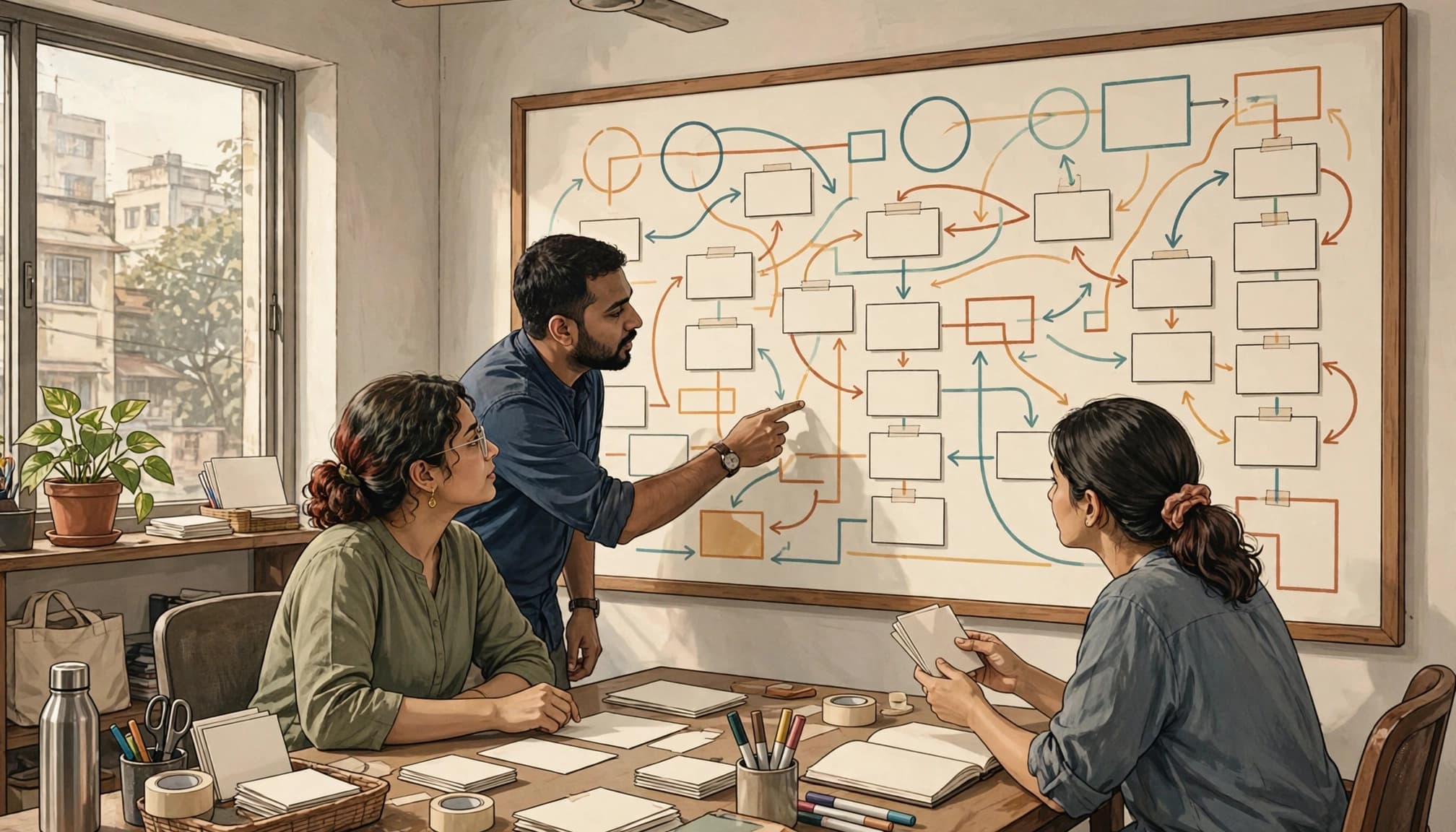
A map loses value when it sits in a marketing folder while reception and service staff work from different information. Give each handoff an owner across a cross-functional team spanning marketing, reception, and service delivery. Marketing maintains page promises and source data; the enquiry owner records response and qualification; the service team reports booking problems and customer feedback.
Use a shared spreadsheet if that’s what your team will maintain. For more detailed workshops, Miro or Lucidchart can hold the diagram, while a CRM holds lead outcomes. Whichever tools you choose, use the same service and outcome definitions across teams. A GTM tracking plan for local services can help connect website events to the journey you actually manage.
Review customer journey stages after service launches, campaign or offer changes, and recurring complaints, noting effects on customer retention. Check whether channel promises match customer expectations and your marketing strategy. At each review, identify one friction point, its owner, and the result you’ll watch. If new ads promise next-day appointments, check whether your calendar can support that claim before buying more traffic.
If your omnichannel marketing, tracking, and handoffs don’t tell the same story, Get In Touch With Us to examine where qualified enquiries are getting lost.
Key takeaways

- Map one customer need and service first, using interviews alongside lead and website records.
- Include discovery, enquiry, booking, and follow-up, because a form submission isn’t the end of the journey.
- Give every handoff an owner, then measure qualified enquiries and booked work alongside lead volume.
- Update the map as feedback or business capacity changes to support customer retention and build customer loyalty.
Frequently asked questions

How is a journey map different from a sales funnel? A funnel counts movement through stages such as enquiry and booking. A journey map adds the customer’s actions, questions, channels, and frustrations, including moments a funnel doesn’t capture.
Do small service businesses need customer personas? Yes, but keep them practical. Separate customers when urgency, service need, or buying process changes what your team should say or do. A short description based on real enquiries is more useful than an elaborate invented profile.
What if customers contact us through several channels? Record the switches you can verify. Someone might find you through Google, ask a question on WhatsApp, and book by phone. Don’t assume website analytics can identify every offline interaction. Consistent enquiry notes help complete the picture.
How often should we update the map? Review it when a pattern emerges, such as repeated missed calls, unclear estimates, or poor-fit leads. Also revisit it after changing your offer, staffing, service area, or main acquisition channels. The goal is to keep decisions tied to the experience customers currently have.
Conclusion

That customer who found your business but never booked left a gap worth investigating. A useful journey map shows where their path became difficult and who can fix it.
Start with one service, follow real enquiries through to an outcome, and improve the weakest handoff in line with your business goals. Better leads depend on what happens after someone notices you, not only on how they found you.