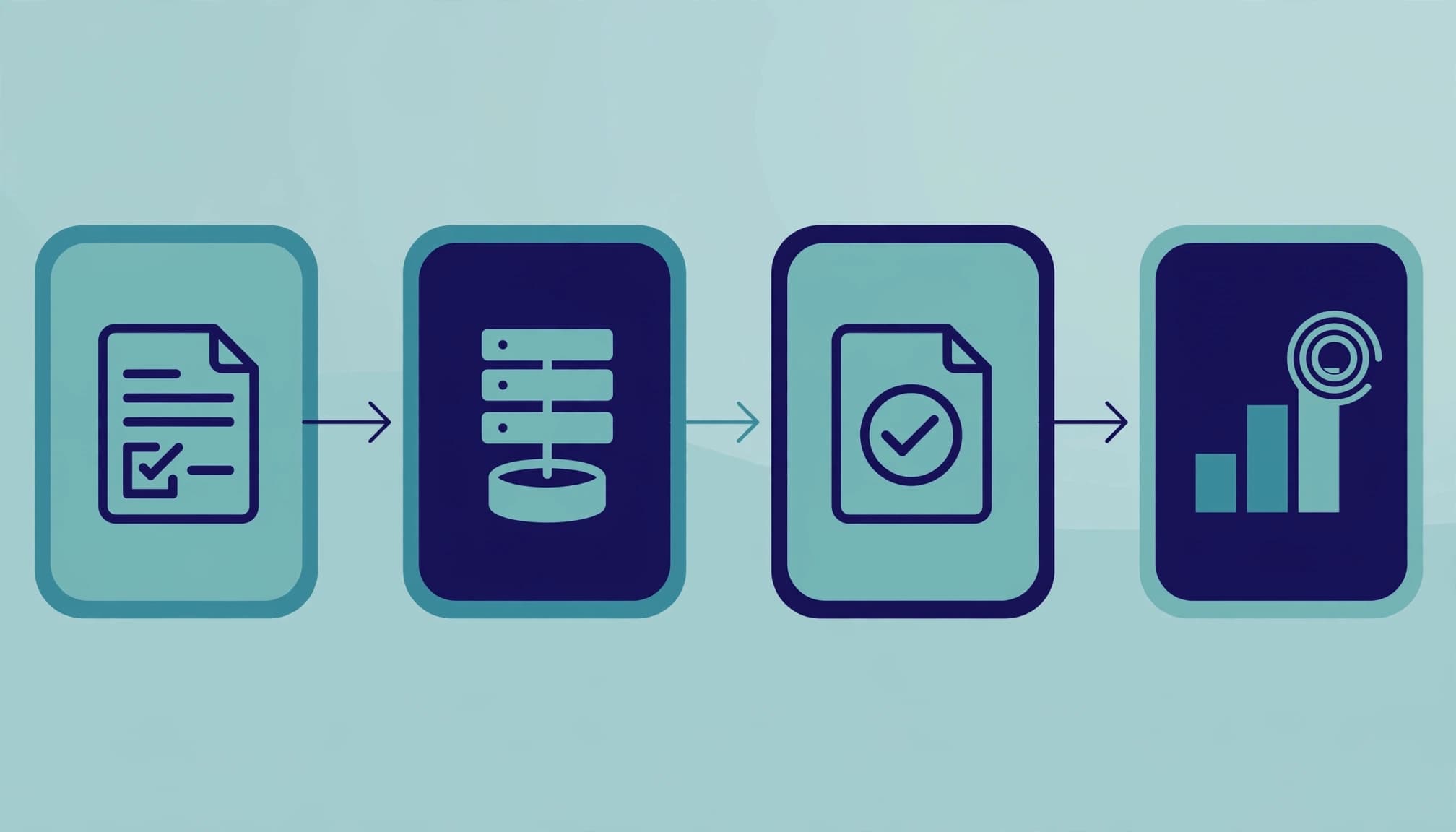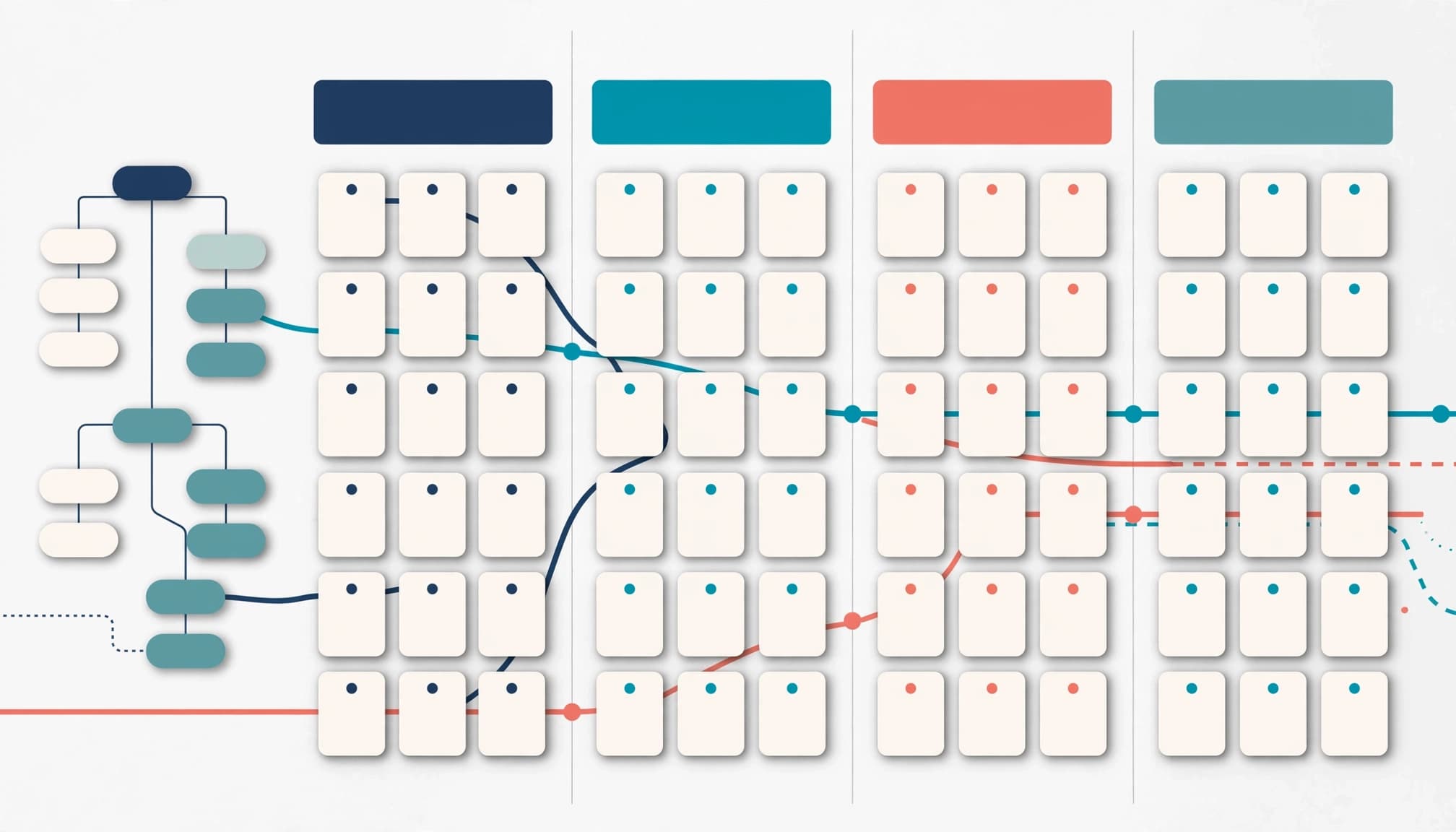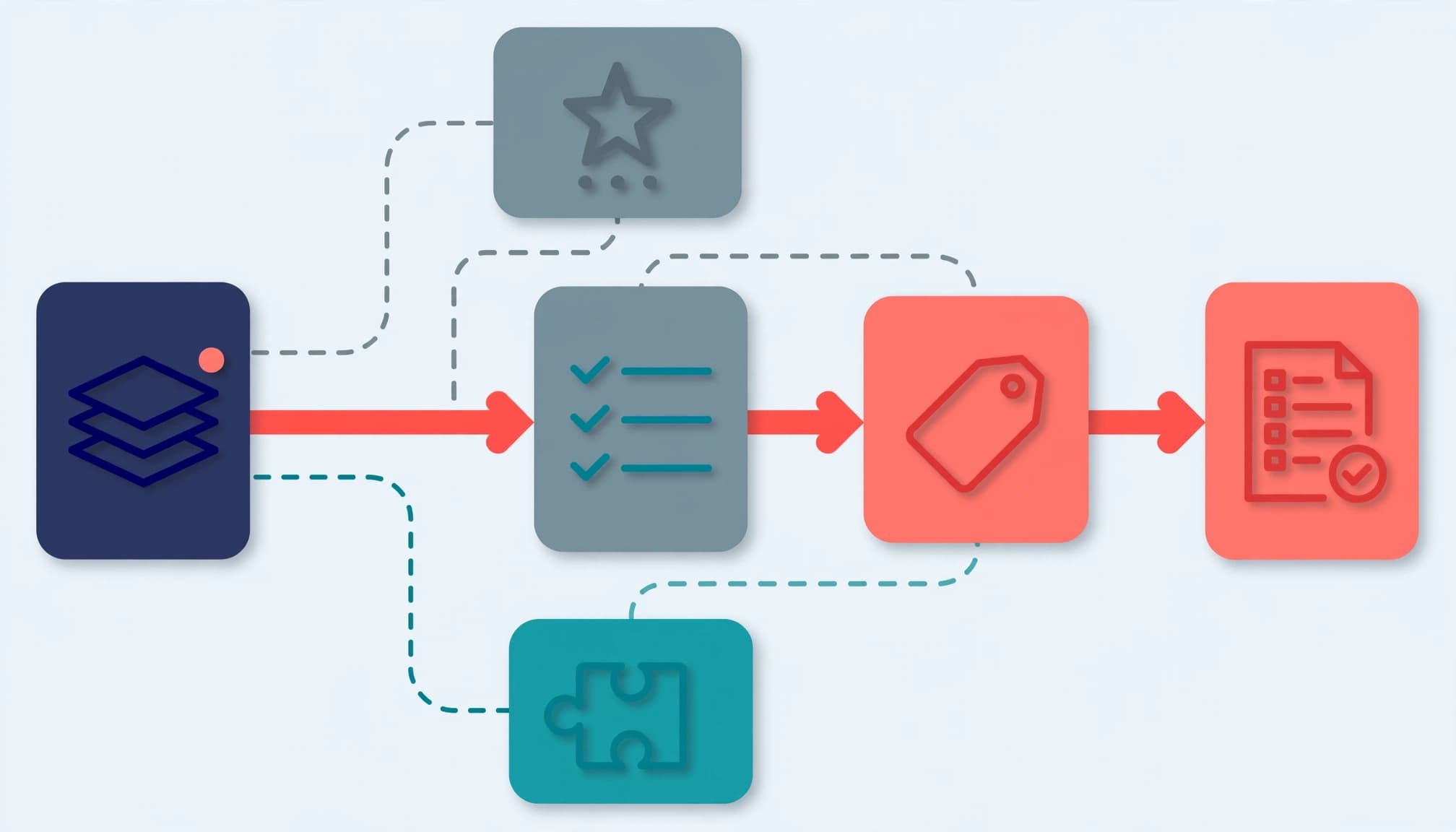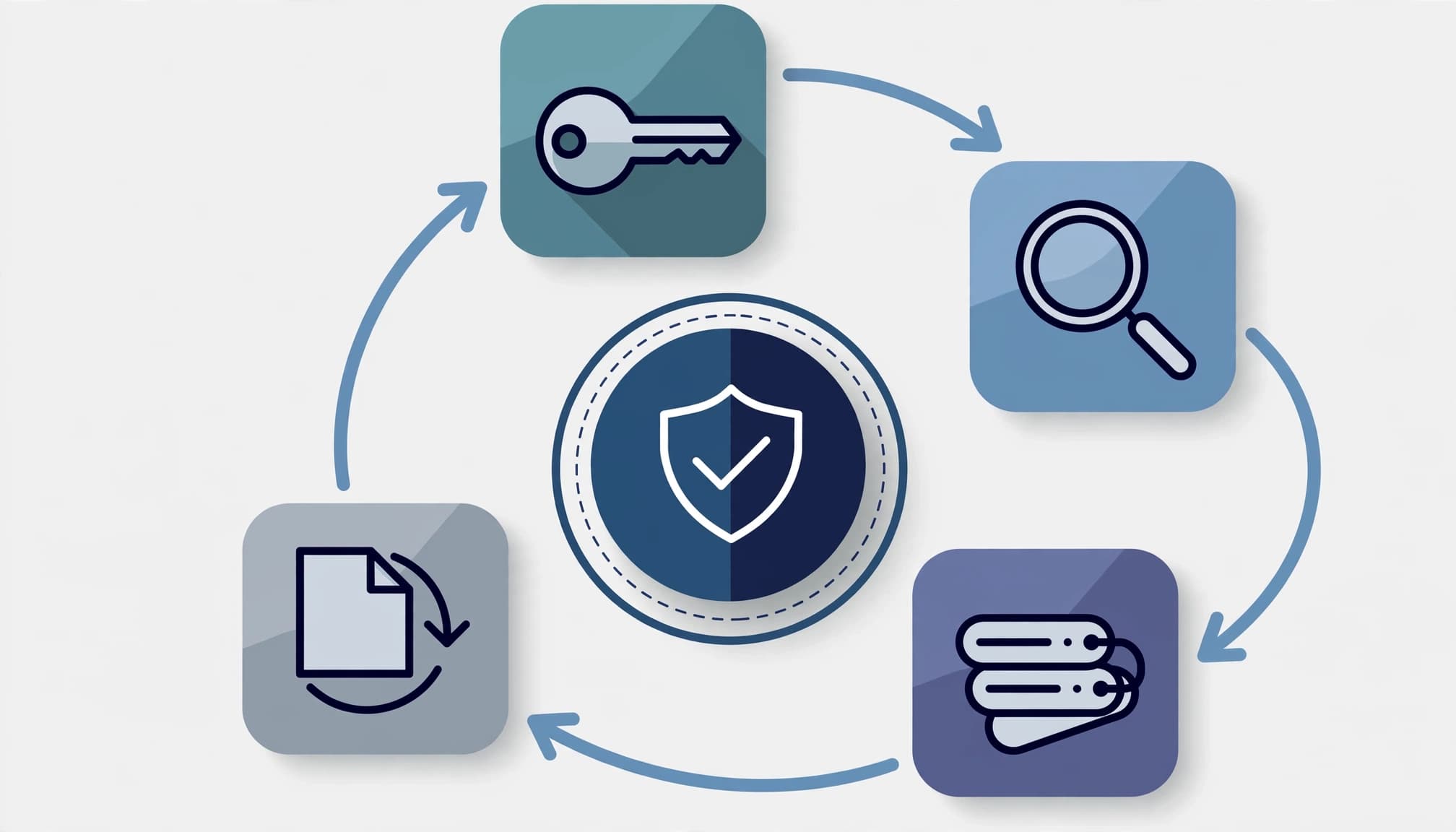


A customer waiting for an AC repair quote won’t wait indefinitely because your salesperson is on leave. Lead assignment rules handle the initial routing. Clear reassignment rules keep enquiries moving when an owner misses a deadline, becomes unavailable, or can’t handle the work.
For a Kolkata service business, ownership continuity matters as much as getting the first assignment right. Each transfer needs a reason, a qualified replacement, and a visible next action.
Start by defining what makes an opportunity stale, then build routing around your team’s actual working hours.
Key Takeaways

- Define staleness by missed response or follow-up deadlines, not record age alone.
- Use lead assignment rules for initial routing, then set separate ownership rules for later transfers, especially for Salesforce Opportunities.
- Route replacements by urgency, service area, skills, and available capacity before using round-robin distribution.
A fair policy preserves customer history and clarifies who receives sales credit after a transfer. Review routing monthly with sales operations to support sales productivity and pipeline consistency. Update it sooner when staffing, service coverage, or available services change.
Decide When a Service Opportunity Is Stale

A stale opportunity has missed a meaningful next action. An untouched enquiry, an overdue quotation follow-up, and a customer awaiting budget approval need different treatment.
Record separate timestamps for assignment, first human contact attempt, last customer conversation, and next action due. Also distinguish an unanswered call from a conversation. A voicemail shows effort, but it doesn’t prove the prospect received help.
Harvard Business Review’s research on online sales leads found a strong relationship between prompt responses and qualification. Its findings support urgency and the importance of speed-to-lead, but they don’t establish one deadline for every service business.
For a repair company, an urgent breakdown may justify immediate dispatcher escalation. Lead routing can reassign a genuinely stale opportunity, while skills-based routing matches its new owner to the service required. An interior-design proposal can remain active while the customer considers materials and pricing.
Exclude scheduled future follow-ups, documented customer pauses, completed jobs, duplicates, and disqualified requests. Closed-lost records need a separate reactivation process with valid contact details and appropriate communication permission.
If SEO or Google Ads produces suitable enquiries, repeated missed follow-ups waste acquisition spending. Use consistent tracking for local service leads to identify incoming enquiries before blaming traffic quality. Otherwise, a missed WhatsApp request can disappear outside the CRM while your response-time report still looks healthy.
Understand What Salesforce Assignment Rules Handle

Incoming Leads Follow the First Matching Entry

In a Salesforce org, Salesforce lead assignment rules allow one active assignment rule at a time. Each rule contains ordered entries, not one condition.
When triggered, Salesforce lead assignment rules use sequential rule processing and stop at the first eligible match. Criteria can include lead source, service area, or service type; the destination can be a user or lead queue.
As Calendly’s Salesforce assignment rule guide explains, evaluation order determines which matching route wins. Put specific priority conditions ahead of broad territory rules.
Creating a rule doesn’t ensure every intake channel invokes it. Test inbound leads from web forms, imports, manual entry, and API integrations separately.
Existing Opportunities Need Separate Automation

An active rule doesn’t provide real-time evaluation of owner availability, overdue tasks, or changing workloads. Salesforce’s assignment checkbox guidance shows why rule execution on edits needs deliberate configuration.
More importantly, lead-to-account matching happens at conversion, but it doesn’t transfer later Opportunity ownership.
Use Flow, custom automation, or a routing platform for later lead routing and Opportunity transfers. Keep the lead routing logic separate from initial intake. Skills-based routing can match specialists, but standard Salesforce Opportunities require a user owner, not a lead queue.
Keep account ownership separate unless your policy explicitly requires it to change. Transferring one stalled opportunity shouldn’t automatically move the entire customer relationship.
Set Fair Lead Reassignment Rules

Choose Deadlines by Urgency and Sales Stage

These are suggested starting points, not universal requirements.
| Situation | Initial action | Suggested escalation |
|---|---|---|
| Urgent service request | Alert the on-call dispatcher immediately | Escalate after 5 minutes without acceptance |
| Routine quote enquiry | Attempt human contact within 30 working minutes | Reassign after 60 working minutes without an attempt |
| Proposal follow-up | Contact on the agreed date | Manager review after one working day overdue |
Set lead routing deadlines around working hours, team capacity, the sales cycle, and customer expectations. Use capacity caps to prevent overload. Define IST-based deadlines, holidays, and after-hours coverage explicitly.
For safety-sensitive requests, follow an approved emergency procedure. Sales routing mustn’t delay appropriate emergency assistance.
Protect Continuity During Handoffs

A clear policy could read:
Reassign routine enquiries when no human contact attempt is logged within 60 working minutes. Protect agreed future follow-ups. Notify both owners and preserve all notes, quotes, and customer commitments.
Don’t automatically transfer a lead after a substantive customer conversation or an agreed next step. Allow exceptions when the owner is unavailable, urgent coverage is needed, or the customer requests a new contact. Use skills-based routing to select a qualified replacement.
The replacement should receive the conversation history and a new action deadline. Notify both owners about the handoff.
Automatic acknowledgements and newly created tasks shouldn’t reset the inactivity clock. Require evidence of the relevant action.
Prevent cherry-picking by limiting transfers and status changes to approved roles. Publish commission-credit rules before launch. Define the contact-attempt limit before nurture or closure, and require manager review after repeated transfers.
Match Reassigned Leads to Available Specialists

Filter for Fit Before Distributing Work

First, confirm the request is genuine and serviceable. Use lead routing to assess urgency, geography, expertise, working hours, and current capacity.
For Kolkata teams, capture the postcode and locality alongside the requested service. Territory routing should keep a Salt Lake technician from receiving a Behala visit simply because their turn arrived.
Skills-based routing supports multi-factor matching for commercial quoting authority, appliance expertise, or Bengali and Hindi communication needs. Keep these capabilities current in staff profiles.
When conditions conflict, use a documented hierarchy. An existing customer’s urgent breakdown should reach the qualified on-call team before ordinary account-owner routing, with the account owner informed.
Balance Workload After Eligibility

Treat lead routing as two steps: check eligibility first, then handle lead distribution among qualified staff.
Round-robin distribution suits comparable sales reps handling comparable work. Equal lead counts don’t necessarily mean equal workloads when some enquiries need site visits or complex estimates.
Apply capacity caps and working-hours checks before assigning records. Workload balancing may use weighted rotation, but someone must keep availability data current.
Salesforce native assignment rules alone don’t calculate live workload or maintain a rotation. Custom automation can add that logic. Ortoo and LeadAngel are third-party tools to evaluate for more complex routing; confirm supported objects, availability inputs, audit logs, and pricing.
If nobody qualifies, escalate to a named dispatcher or manager. A fallback queue needs an accountable person and its own deadline.
Build, Test, and Monitor the Workflow

Map the existing lead routing journey before opening CRM settings. Include calls, website forms, email, WhatsApp, and any booking platform your team uses.
Then implement the reassignment process in order:
- Capture inbound leads with service, location, urgency, lead source, consent status, and a shared record identifier. Confirm lead-to-account matching where needed.
- Assign a primary owner, backup, response deadline, and next action.
- Detect missed deadlines, check exclusions and capacity caps, then use skills-based routing to select an eligible replacement.
- Record the transfer reason and timestamp, notify both owners, and create the replacement’s task.
In Salesforce Setup, search for Lead Assignment Rules, create entries in the right evaluation order, activate the intended rule, and test intake execution. Configure stale Lead and Opportunity workflows separately.
Record-triggered Flow with scheduled paths can support deadline-based actions. A scheduled review can handle the wider backlog. Set deadlines and capacity limits to reflect your actual business calendar and staffing. Make sure the routing logic prevents ownership updates from triggering endless reassignment loops.
Test after-hours requests, incomplete forms, duplicates, out-of-area addresses, unavailable owners, conflicting conditions, and situations with nobody available. Check the owner, notifications, deadline, history, and source preservation. Salesforce’s assignment troubleshooting discussion also highlights user status and permissions as possible failure points.
After launch, sales operations should review overdue records weekly. Hold a formal monthly review of response compliance, transfer frequency, fallback ageing, and lead-to-booked-job performance. Use these results to assess sales productivity against measurable outcomes, including booked jobs.
Preserve the original acquisition source through every transfer. Otherwise, recovered bookings can be credited to the wrong campaign, making marketing reports misleading.
Frequently Asked Questions

Should every stale opportunity be reassigned?
No. Check for an agreed future contact, customer-requested delays, completed work, and genuine disqualification first. Keep the current owner and agreed next action during an active, substantive customer conversation. Transfer only if the owner is unavailable, the customer requests it, or urgent coverage requires it. Reassignment is appropriate when ownership or follow-up has failed. It won’t fix invalid contact details, unsuitable service requests, or a customer who has explicitly declined further contact.
What happens if the replacement also misses the deadline?
Escalate to a manager rather than repeatedly rotating the record. Investigate capacity, notification delivery, and contact accuracy. Then decide whether to assign a specialist, schedule another attempt, or move the record to a documented nurture or closed status.
Can a small business start without advanced routing software?
Yes. A shared register with one owner, deadline, backup, and transfer log can work for a small team. Automation becomes more useful when multiple channels and changing schedules make manual checks unreliable. Choose software based on those operational gaps, not features your team won’t maintain.
Keep Ownership Clear Until the Next Action

Effective lead reassignment rules replace unattended enquiries with accountable next steps. Use realistic deadlines, protect genuine customer commitments, and move work only to people qualified and available to handle it.
Begin with one service line and review missed deadlines before expanding automation.
If enquiries stall between marketing and service delivery, Get In Touch With Us to review your lead flow and tracking. A transfer should leave the customer closer to help, with an owner who knows what happens next.