

A missed call, duplicate enquiry, or untracked booking can cost a service business more than a weak campaign. A strong first-party data strategy turns those everyday customer interactions into reliable customer insights without treating people like anonymous clicks.
For Kolkata businesses, the goal is simple: know which marketing creates qualified enquiries, respond with context, and earn repeat work through useful communication that creates personalized experiences and strengthens customer relationships. The foundation is direct, consented customer information that your business collects and manages responsibly.
Key Takeaways
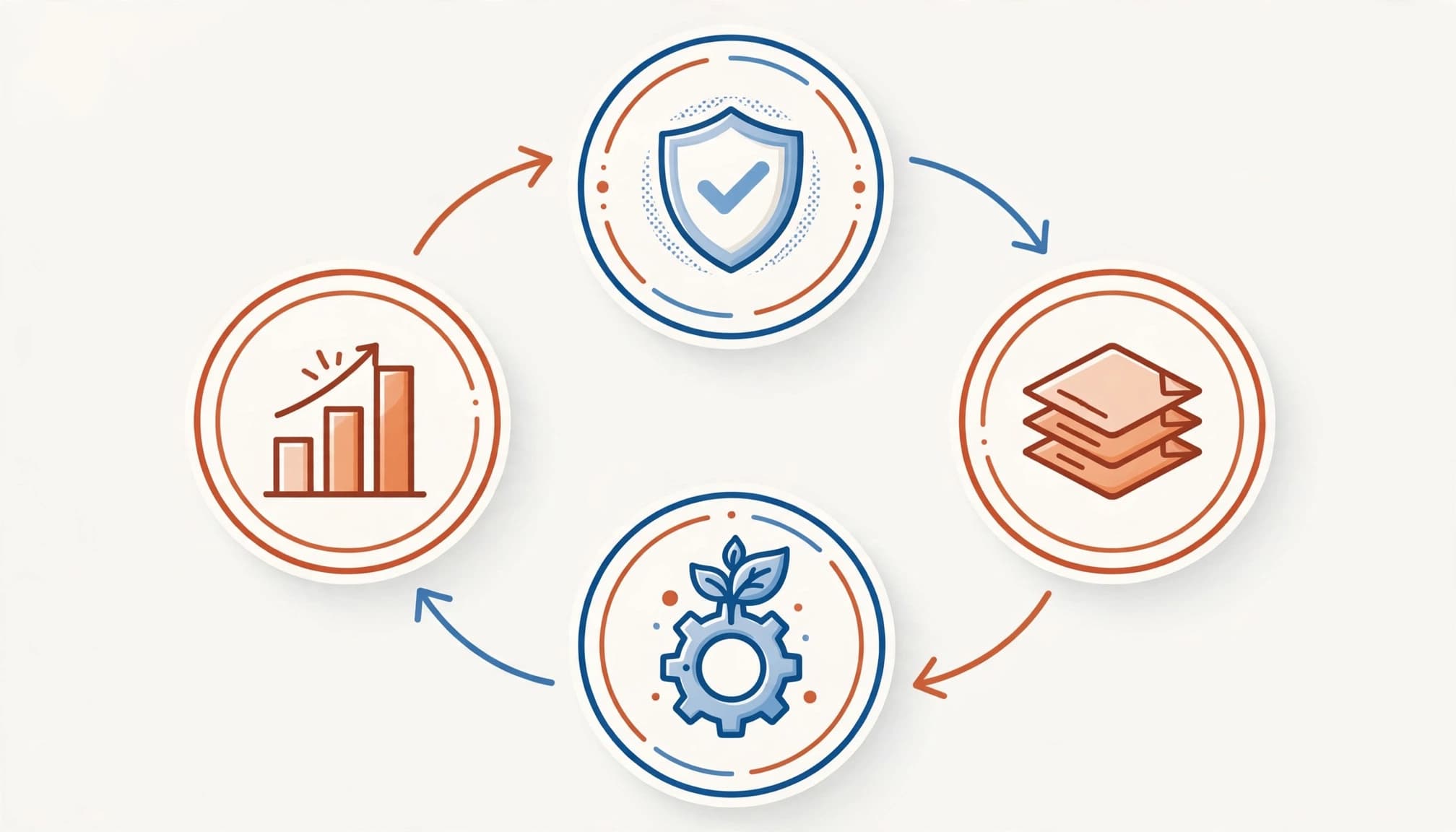
- A first-party data strategy starts with information from enquiries, calls, bookings, invoices, feedback, and repeat service.
- Use a CRM or booking system as your source of truth before investing in complex software.
- Capture consent, service need, location, source, and outcome when each enquiry arrives.
- Turn customer interactions into useful customer insights, then judge marketing by qualified leads, booked work, and revenue, not form fills alone.
- Offer a clear value exchange, such as faster support, useful reminders, or more relevant follow-up.
What First-Party Data Means for Service Businesses

First-party data is information your business collects directly through customer relationships. For a clinic, that might include appointment requests, preferred times, completed visits, and feedback. For a B2B agency, it could include a contact’s service interest, company size, lead source, sales stage, and deal value.
This data is useful because it connects marketing activity to work your team actually completes. It also gives you more control than relying only on advertising platforms or browser-based tracking.
Know the four data categories
The terms can sound technical, but the distinction matters:
| Data type | What it means | Service-business example |
|---|---|---|
| Zero-party data | Information a person deliberately provides | Service preferences or preferred contact channel |
| First-party data | Records collected through direct interactions | Booking history, quote requests, invoices |
| Second-party data | Another business’s first-party data shared directly | A referral partner sharing consented event registrants through data collaboration |
| Third-party data | Data gathered by an outside company across sources | Broad audience lists bought for targeted advertising |
Zero-party and first-party information are usually more useful for a local business because they come with context. A customer who asks for an annual AC service reminder has given a clear preference. That is more meaningful than assuming intent from an unknown browsing pattern.
Keep the focus on real customer journeys
A customer journey may start with SEO, continue after a call prompted by a Google Business Profile listing, move to WhatsApp for booking, and end with offline payment. If each step sits in a separate tool, your team loses the full picture.
A practical first-party data strategy joins the moments that matter, while collecting only what supports service delivery, marketing measurement, or a customer-approved follow-up.
Why First-Party Data Matters More Now

Browser privacy changes have made third-party cookies less dependable for measurement and audience targeting. Google changed course in April 2025 and retained user choice through Chrome’s privacy settings rather than removing them for every user. Consent choices, browser limits, and ad blockers can still create gaps in campaign reporting and targeted advertising. Prepare for a cookieless future, even when browser-based measurement remains available.
Direct customer records help you work around those gaps. They don’t eliminate measurement limits, but they give your business evidence that belongs in your own systems.
Replace borrowed signals with owned relationships
A form submission, booked consultation, or paid invoice is stronger evidence than a platform’s estimate of interest. Your CRM can record whether a lead was qualified, contacted, booked, lost, or converted into revenue.
This is especially important for high-consideration services. A legal consultation, renovation project, or B2B contract rarely follows a single-session online path. First-party records preserve the details that help sales continue the conversation.
Privacy is now part of marketing quality
Data privacy regulations now shape how businesses collect and use customer information. India’s Digital Personal Data Protection Act, 2023 requires consent to be free, specific, informed, unconditional, and unambiguous where consent is the basis for processing. Read the Digital Personal Data Protection Act before treating consent as a checkbox.
If you share or match information with a partner, document the purpose and relevant consent for that data collaboration. The rollout is phased. The official DPDP Rules 2025 are dated November 14, 2025, while some implementation timelines use November 13. Consent Manager provisions are scheduled for November 2026, and many core duties are scheduled for May 2027. These dates shouldn’t be treated as universal compliance conclusions. This article isn’t legal advice, so build good habits now and seek qualified guidance for your situation.
Collect Data Where Customers Already Interact

Don’t create extra forms simply to collect more information. Start with touchpoints that already help your team serve customers: website forms, phone calls, WhatsApp messages, email enquiries, appointment tools, invoices, referrals, and in-person visits.
For every lead, record the minimum details needed for action. Use a simple data governance rule: capture the service requested, location or service area, preferred contact method, source, enquiry time, consent status, and a named owner.
Make forms useful, not intrusive
A plumbing company might ask for postcode, urgency, service type, and phone number. A design studio may need company name, project type, timeline, and budget range. Avoid fields that don’t change the next step.
A preferred contact method or service preference is zero-party data because the customer deliberately provides it. Collect it when it helps staff decide what happens next.
Ask why a detail is needed when you collect it. A postcode can confirm service coverage. A birthday usually can’t help a repair business respond to an urgent enquiry.
Data minimization improves both privacy and operations. Fewer, relevant fields make it easier for customers to enquire and for staff to act.
Protect source and outcome data
Support cross-channel marketing by retaining the original source, landing page, campaign details, and submission time. Keep these details with the CRM record across website, phone, WhatsApp, and booking channels.
Then add what happened next: contacted, qualified, booked, completed, cancelled, or lost. Use controlled data collaboration between analytics, CRM, and operational systems to connect these details with actual outcomes.
A GA4 and CRM reconciliation guide can help teams compare website activity with deduplicated CRM records and actual revenue. Analytics should show behaviour. Your CRM should hold identifiable customer records and commercial outcomes.
Build a First-Party Data Strategy That Staff Can Use

The best first-party data strategy is not the one with the most fields or integrations. It is the one your front desk, sales team, and marketing team use consistently.
Begin with one commercial question, such as “Which channels create profitable AC installation jobs?” or “Which lead sources produce retained B2B clients?” Let that question guide your marketing technology choices and reporting process.
Audit your records before adding tools
List every lead source, including calls, forms, Google Business Profile messages, social media, referrals, and marketplace leads. Then identify where data gets lost, duplicated, or trapped in personal inboxes.
Use one standard set of fields across sources. A practical record includes a unique lead ID, name, phone or email, service requested, location, original source, consent status, owner, next action, stage, and revenue where applicable.
Assign one accountable owner and a backup owner for each enquiry. A shared inbox may receive the message, but shared ownership often means no ownership. Strong data collaboration helps marketing, sales, front-desk, and operations teams work from the same records.
Set goals that connect to revenue
Choose a few measures that expose business value:
- Percentage of leads contacted within your response-time target.
- Qualified lead rate by source, location, and service line.
- Booking rate, completed-job rate, and repeat-customer rate.
- Revenue, gross margin, and customer lifetime value linked to closed work where records allow.
For attribution measurement, compare source data with booked work, completed jobs, and revenue. This shows which channels create valuable customers, not just enquiries.
Check every form with a real test submission. The GA4 lead tracking checklist covers consent-aware conversion measurement, including the difference between a button click and a successfully created lead.
If your lead flow, attribution, and CRM records need a practical review, Get In Touch With Us to discuss a measurement plan that fits your service operation.
Unify Customer Data Without Overbuilding

Data silos appear when your website, booking calendar, phone system, payment tool, and email platform store different versions of the customer. The first fix is usually a disciplined CRM, not an expensive new platform or wider marketing technology stack.
Use a stable internal contact or account ID. Standardize phone formats, email addresses, service categories, and location fields. Only merge records automatically when matches are obvious. Similar names, shared family phone numbers, and generic company inboxes need human review.
When a customer data platform helps
A customer data platform, or CDP, can centralize consented records from multiple systems, support identity resolution, and enable controlled data collaboration across those systems. As Salesforce’s CDP overview explains, identity resolution links engagement history across customer touchpoints.
Data clean rooms are an advanced privacy-preserving option for larger partner or advertising ecosystems, not a starting requirement for most service businesses.
However, a CDP will not repair incomplete forms, duplicate contacts, or unclear consent. Most smaller service businesses should first establish clean CRM records, reliable integrations, and clear ownership rules.
Activate segments carefully
Once records are clean, use audience segmentation based on information that changes the message or service. Useful segments include location, service type, business size, previous purchase history, enquiry stage, and engagement level.
A dental clinic can remind patients due for a checkup. A B2B consultant can send case studies relevant to a prospect’s industry. A home-services company can exclude recent customers from retargeting campaigns.
Personalized experiences should feel helpful, not unsettling or intrusive. Never upload bought, scraped, or borrowed contact lists to build lookalike audiences.
Use Transaction Data to Improve Decisions

Predictive analytics can identify patterns and help prioritize leads, but its output depends on the information behind it. Verified records, such as a completed job, paid invoice, or signed contract, provide stronger validation than modeled conversion signals alone.
Modeled data still has a role. It can show directional trends when consent choices or technical limits hide part of a journey. Treat those estimates as guidance, then test them against CRM outcomes.
Send quality signals, not personal details
If a lead becomes qualified or turns into a paid customer, send that event to platforms used for targeted advertising only when your consent and privacy basis support it. The same limitations apply when activating retargeting campaigns. Keep names, emails, phone numbers, and free-text form answers out of GA4.
Use anonymous event data for analytics and keep personal data inside secured business systems. The GA4 event naming guide explains how to separate behavioural measurement from CRM-held customer details.
Review results with your team
Make this monthly review a data collaboration between marketing, sales, and finance, based on agreed outcomes. Compare marketing reports with sales and finance records for booked work, revenue, lead quality, service-area fit, margins, and customer lifetime value.
This review protects against a common mistake: increasing spend because low-quality leads look cheap in an ad platform. A channel that produces fewer enquiries may create more booked work and better margins.
First-Party Data Strategy FAQ
Do small service businesses need a customer data platform?
Usually, no. Start with a CRM or booking system that captures consistent fields, consent status, source information, and final outcomes. Consider a customer data platform only when several systems hold valuable customer data that your team can’t connect reliably.
How often should we audit data quality?
Run lightweight checks weekly for duplicates, missing owners, overdue leads, and broken integrations. Review the full process each quarter, or monthly if your business has high enquiry volume and several marketing channels.
Can service history support loyalty programs?
Yes, if customers have consented to relevant communications. Use service history and stated preferences for useful reminders or offers, not broad surveillance. Keep messages relevant, limited, and easy to ignore.
Build Customer Trust Into Every Record

A useful first-party data system begins with better customer service, not more surveillance. Collect information for a clear reason, explain the benefit, protect it, and give people control over future communication.
When every enquiry has context, consent, ownership, and an outcome, marketing becomes easier to measure. Trustworthy records help your business respond faster, spend smarter, and build customer relationships that last.