Finding Low Cost Logo Design Company in Kolkata: Your Guide to Success

low cost logo design company in kolkata

In a bustling city like Kolkata, the importance of having a distinctive logo for your business can't be overstated. It's the face of your brand and often the first impression you make on potential customers. But finding a logo design that captures your brand essence without breaking the bank is a real challenge. Thankfully, several companies in Kolkata specialize in crafting stunning logos at affordable rates. This post will introduce you to some top choices, including Clickyowl, known for its expertise and reasonable pricing. Whether you're a startup or an established business looking to refresh your brand identity, the right logo design company can make a world of difference.

Understanding Logo Design

Crafting a brand's identity starts with an eye-catching logo. A logo serves as the visual cornerstone of a company, symbolizing what the brand stands for and encapsulating its core message in a single image. Especially for businesses looking for a low-cost logo design company in Kolkata, the right logo can make all the difference in setting your brand apart from competitors.

The Role of a Logo in Branding

Logos are the face of your brand. Imagine walking into a store and not recognizing the products because none of them have labels. That's what businesses would be without logos. A well-designed logo helps customers remember your brand and builds trust over time. When you see the swoosh, you think Nike. This instant recognition comes from consistent branding efforts. Clickyowl stands out as one of the best logo design companies in Kolkata, known for creating memorable logos that help brands stick in customers' minds.

A logo also communicates the brand's values and personality. Think of it as the outfit your brand wears. Is it fun and quirky, or sleek and professional? The design elements of a logo—its colors, shapes, and fonts—work together to convey these characteristics and build an emotional connection with the audience.

Elements of Effective Logo Design

What makes a logo successful? It's a blend of several elements that harmonize to create a standout emblem for your brand. Here's what to consider:

  1. Color: Colors have psychological impacts. Blue often conveys trust, while red evokes excitement. Choose colors that reflect your brand's personality and appeal to your target audience.
  2. Typography: Fonts are more than just text; they set the tone. A playful font might suit a toy company, while a sleek, sans-serif font might be more fitting for a tech company.
  3. Layout: Simplicity is key. An overly complex logo can confuse or overwhelm potential customers. The layout should be clean and adaptable, whether it's displayed on a business card or a billboard.
  4. Uniqueness: Your logo should differentiate you from the competition. A unique logo ensures that your brand is not mixed up with another, keeping your brand identity intact.
  5. Scalability: An effective logo looks good at any size—big or small. It should be easily recognizable whether on a website or a billboard.

Choosing a low cost logo design company in Kolkata, like Clickyowl, ensures you have experts handling these components, creating logos that truly capture and communicate what your brand is all about.

Benefits of Choosing a Low Cost Logo Design Company in Kolkata

Choosing a logo design company that fits your budget isn't just about saving money. In Kolkata, there are exceptional companies that offer affordable services without compromising quality. Let’s explore some of the benefits that come with selecting a low-cost logo design company in Kolkata.

Affordability vs Quality

Is it possible to get a high-quality design without breaking the bank? Absolutely! Many low-cost logo design companies in Kolkata provide exceptional services at a fraction of the price. Here's how they do it:

  • Efficient Processes: By leveraging streamlined processes and cutting unnecessary overhead, these companies can offer competitive pricing.
  • Skilled Designers: Don't be fooled by the price tag. Talented designers work in these companies, often showcasing their skills with captivating and professional designs.
  • Adaptability: They cater to various styles, whether minimalistic, illustrative, or abstract, ensuring you get a logo that fits your brand's identity.

Remember, a higher price doesn't always mean better quality. Choosing the right company, like Clickyowl, ensures your logo reflects your brand without stretching your budget.

Quick Turnaround Times

Need a design quickly? Many low-cost logo design companies in Kolkata pride themselves on fast service without sacrificing quality. Here's why they excel in quick turnarounds:

  • Focused Teams: Smaller, dedicated teams mean fewer layers and faster communication, leading to quicker design processes.
  • Experience: With years of experience, they efficiently navigate from concept to creation, delivering results in record time.
  • Multiple Revisions: Even with tight timelines, these companies often offer options for revisions, allowing you to fine-tune your design swiftly.

In our fast-paced world, who doesn't appreciate a quick turnaround? Partnering with a company that understands urgency without cutting corners is invaluable.

In conclusion, the benefits of choosing a low-cost logo design company in Kolkata are clear. Not only do you save money, but you also receive high-quality, timely designs that can elevate your brand.

Top Low Cost Logo Design Companies in Kolkata

If you're in Kolkata and need a logo design without breaking the bank, you're in luck. Kolkata is bustling with creative agencies offering top-notch logo designs at affordable rates. Here's a look at some of the standout companies that make branding dreams a reality.

Clickyowl

Clickyowl stands out as one of the best when it comes to low cost logo design companies in Kolkata. Known for creating visually striking designs, Clickyowl offers a wide range of services beyond just logos. They work closely with clients to ensure the brand's personality is reflected in every design element.

What sets Clickyowl apart are their many client success stories. One satisfied business owner mentioned how Clickyowl transformed their brand image, resulting in increased customer engagement and better sales. Clickyowl's creativity and dedication make them a top choice for budget-friendly logo design.

Purpple Designs

Purpple Designs takes a unique approach to logo creation, focusing on innovation and client satisfaction. They offer custom logo designs with unlimited revisions, ensuring that clients walk away with exactly what they envision. Alongside logo design, they provide digital marketing services, making them a one-stop-shop for growing businesses.

By mixing creativity with strategy, Purpple Designs crafts logos that speak volumes. They believe a logo should not just look good but also tell a story that connects with the target audience. It's this attention to detail that makes them a favorite in Kolkata's bustling design scene.

Brandstory

Brandstory’s unique selling points include a team of experts who focus on tailor-made logos that align with the client's brand ethos. They pride themselves on client testimonials that highlight their exceptional service and creativity. Brandstory doesn't just design logos; they build brand identities that last.

One of the testimonials praised Brandstory for their patience and understanding, helping a new company carve out a niche in a competitive market. Their ability to align artistic vision with business goals makes them a reliable partner for any organization in need of a fresh logo.

Unika Infocom

Unika Infocom is renowned for its impressive portfolio and diverse service offerings. As a creative business logo design company in Kolkata, their work is characterized by quality and affordability. Their logo design process is collaborative, involving clients every step of the way to ensure satisfaction.

Unika Infocom offers a range of other services, such as web development and digital marketing, allowing businesses to streamline their branding and online presence. Choosing Unika Infocom means opting for a holistic approach to brand visibility, making them a wise choice for budget-conscious businesses.

Selecting the right logo design company doesn't have to drain your pockets. With options like Clickyowl, Purpple Designs, Brandstory, and Unika Infocom, Kolkata is home to some of the best and most economical options for logo design.

Factors to Consider When Choosing a Logo Design Company

When searching for a low cost logo design company in Kolkata, it's essential to consider various factors that will ensure you receive a logo that truly represents your brand. A logo isn't just a pretty picture; it's the face of your business. Let's walk through some things you should keep in mind when making your choice.

Portfolio and Previous Work

Wouldn't you want to see what kind of work a company has done before handing them the keys to your brand's identity? Reviewing a company's portfolio is like reading their resume. It shows their style, creativity, and expertise. It's important to check if their designs fit what you want for your brand.

Here's what to look for in a portfolio:

  • Diversity in Design: Does the company use different styles, or do all their logos look the same?
  • Quality of Work: Are their logos professional and aesthetically pleasing?
  • Experience with Different Industries: Have they designed for businesses like yours?

A strong portfolio builds confidence and paints a clear picture of what you can expect. Make sure to keep an eye out for local favorites like Clickyowl, known as one of the best in the business.

Customer Support and Communication

Communication is the bridge between your ideas and the final logo design. Just like a good conversation, the design process should be smooth and engaging. A company with good customer support is like a reliable friend who listens and helps bring your vision to life.

Consider these key aspects:

  • Responsiveness: Do they reply to your queries quickly?
  • Understanding Your Needs: Are they genuinely interested in your ideas and requirements?
  • Willingness to Revise: Are they open to making changes as needed?

Remember, the right company will be your partner in this journey, making sure you end up with a logo that stands out in Kolkata’s bustling market.

Selecting a logo design company isn't just about picking the cheapest option. It's about finding a creative partner that aligns with your business goals and visions. With these factors in mind, you're well on your way to discovering a logo that truly reflects your brand's spirit.

Conclusion

Choosing the right logo design company is key to creating an impressive and memorable brand identity. In a bustling city like Kolkata, known for its creative energy, you can find several affordable options. These companies provide expert design services without burning a hole in your pocket. Here's a quick recap to help you make an informed decision.

Why Choose a Low Cost Logo Design Company in Kolkata?

Looking for a place where art meets affordability? Kolkata has you covered.

  • Creative Talent at Competitive Prices: Kolkata offers a pool of talented designers ready to provide eye-catching logos at cost-effective rates.
  • Cultural Flair: The local culture and diversity inspire unique designs that resonate with various audiences.

Standout Companies for Logo Design

If you're seeking reliable and affordable options, consider these companies that offer top-notch design services:

  1. Clickyowl: Known as one of the best in Kolkata, Clickyowl combines creativity with affordability to deliver memorable logo designs.
  2. Purpple Designs: Offers creative solutions with the advantage of unlimited revisions, ensuring you get exactly what you envision.
  3. Brandstory: With expertise in multiple design styles, they provide custom logos to cater to different brand needs.

What to Consider When Choosing

Before making your decision, keep in mind a few important aspects:

  • Portfolio: Check past work to ensure their design style aligns with your vision.
  • Budget: Ensure the company fits within your financial limits while still delivering quality work.
  • Turnaround Time: Quick delivery can be crucial for meeting marketing deadlines.

By relying on a low cost logo design company in Kolkata, you not only save money but also gain a creative edge, making your brand stand out in a competitive market. Whether you're a start-up or an established business, having a well-designed logo can set the tone for your brand's success.

Top Low Cost Website Design Companies in Kolkata [2024 Guide]

Low Cost website Design company in kolkata

Looking for a low cost website design company in Kolkata? You're not alone. Businesses in Kolkata are catching on to the trend of affordable web design. Everybody wants a site that looks good but doesn't break the bank.

Small companies and startups feel the pressure to stand out online. But budgets are often tight. Here's the good news: quality web design doesn't need a hefty price tag anymore. Local experts are proving you can have professional results without overspending. So if you’re wondering where to find such services, keep reading—we’ll discuss how you can get the most value without compromising on quality.

Understanding Low Cost Website Design

When exploring web design options, many are drawn to the promise of affordability. A low cost website design company in Kolkata can turn this promise into reality by offering budget-friendly solutions. But what exactly does low cost website design mean? Typically, it involves creating a fully functional website without the high fees. Price ranges can vary, usually starting from as low as $200 to $500. Services often include basic website setup, template-based design, and essential features to get your business online quickly.

Benefits of Low Cost Website Design

Low cost website design offers several benefits that make it appealing to many, especially startups and small businesses. Here’s why you should consider this option:

  • Affordability: Let's face it; everyone loves saving money. With lower design costs, you can reallocate your budget to other critical areas like marketing or product development.
  • Accessibility for Startups: New businesses often struggle with limited funds. A budget-friendly website can give them an online presence without breaking the bank.
  • Quick Turnaround Times: When time is of the essence, these services shine. You can expect to have your website up and running in a matter of days or weeks, rather than months.

Choosing a low cost website design company in Kolkata can be a stepping stone for those venturing into the digital space with limited resources. It’s like getting a reliable bike before upgrading to a fancy car.

Common Misconceptions

Despite its evident advantages, low cost website design is often clouded by misconceptions. Let’s clear up some of these myths:

  • Quality Concerns: Many assume that a lower price equals poor quality. In truth, these services often use tried-and-tested templates and proven design methods that deliver satisfactory results.
  • Limited Functionality: Another myth is that cheap means basic. While you might not get every bell and whistle, you'll still receive a fully functional website that meets essential needs.
  • Lack of Support: Some worry about post-launch support. Many companies offer packages that include continued support, updates, and maintenance, ensuring your site continues to run smoothly.

Unraveling these myths can make you realize that a low cost option isn't necessarily a compromise. It's more of a starting point, a way to plant your digital flag without financial strain. So next time someone talks down low cost solutions, remember that in the vast digital landscape, even a small stake can make a big impact.


Factors to Consider When Choosing a Low Cost Website Design Company

Choosing a low cost website design company in Kolkata can feel like trying to find a hidden gem in a jewelry shop. With so many options, it’s crucial to pick the right one. This section will help you navigate through some key factors to make your decision easier and more informed.

Portfolio Evaluation

Think of a company's portfolio as the gallery of their past achievements. Evaluating the portfolio is like peeking into a treasure chest of their previous work. It offers clues about the styles and industries they've worked with and whether they can bring your vision to life.

Look for a variety in their projects—websites that are visually appealing and function seamlessly. Are there case studies showing how their designs helped businesses grow? This can tell you if the company has the experience and agility you need. The portfolio is more than just pretty pictures; it’s evidence of their skills and creativity.

Customer Testimonials

Customer reviews are the modern-day word of mouth. They can reveal a company’s true colors—beyond the polished surface. Testimonials shed light on customer satisfaction and service quality. A low cost website design company in Kolkata might promise the world, but what are their clients saying?

Positive reviews can indicate reliability while negative ones might warn you of potential pitfalls. Pay attention to how they handle criticism too. A company that responds to reviews, especially the critical ones, shows they care about feedback and improvement. Remember, a happy customer is the best advertising any business can have.

Support and Maintenance

Think of support and maintenance as the backbone of a successful website design service. Once your website is live, you might encounter technical bumps or need updates. Choosing a company that offers robust support and maintenance is crucial.

After-sales support ensures you're not left stranded if something goes awry. Check if they offer technical support, regular updates, and maintenance packages. A good web design company in Kolkata will offer plans that suit your budget without compromising on the quality of service.

In summary, picking the right web design company involves more than just the price tag. It's about the value they bring to the table, much like finding the perfect partner to build your digital dream.

Cost Breakdown of Website Design Services

Unveiling the cost of website design can feel like peeling an onion. There are layers upon layers that can either make your eyes water or put a smile on your face. When exploring options with a low cost website design company in Kolkata, understanding these layers helps make informed decisions and ensures you aren't blindsided by unexpected charges. Let's break down the costs of website design services so you know exactly where your money goes.

Basic vs. Advanced Features

Think of website features like buying a car. You can go basic with just the essentials, or you can upgrade for luxuries. When choosing a website design company, here’s how features play into costs:

  • Basic Features: This usually covers essentials like limited page designs, simple navigation, and basic SEO. It's comparable to a no-frills car model that gets you from point A to B without any gadgets. Ideal for small businesses looking for a functional web presence.
  • Advanced Features: Fancy a sunroof or heated seats? Websites can be tricked out with things like custom graphics, e-commerce capabilities, and interactive elements. Premium SEO, advanced security, and content management may also hike costs. These add-ons polish your website, catering to businesses leaping to capture a broader audience.

Choosing between basic and advanced depends on business needs and budget. Always align your website's goals with the features you choose.

Hidden Costs to Be Aware Of

Hidden costs can sneak up like potholes on a newly paved road. While engaging with a low cost website design company in Kolkata, it's vital to ask probing questions to avoid unwelcome surprises. Here are some costs that might not be apparent at first glance:

  • Domain Name Registration: Essential for your website's identity. Some plans may not include this, requiring separate purchase.
  • Hosting Services: Hosting keeps your website live on the internet. Costs vary based on needs, and renewal fees can catch you off guard.
  • Maintenance Fees: Websites need regular check-ups. Discuss ongoing maintenance fees, which can include updates, backups, or technical support.
  • Content Updates: Regular updates keep your site fresh. Ensure you're clear on costs for updating or creating new content beyond the initial launch.
  • SSL Certificates: Security is key. Check if SSL (Secure Sockets Layer) is part of the package or an extra expense.

Being aware of these hidden costs not only saves money but also supports a transparent relationship with your website design partner. Keeping these elements in mind can ensure a smooth journey from concept to launch without unexpected detours.

Case Studies: Successful Low Cost Websites in Kolkata

In the bustling city of Kolkata, businesses are thriving thanks to the creative solutions offered by a low cost website design company. These companies have helped many small businesses succeed online without breaking the bank. Let’s take a look at two real-life examples that show the power of smart, affordable web design.

Case Study 1: Business Overview and Results

Bengal Tea Traders, a small yet ambitious company, wanted to enter the online market to extend their reach beyond local tea enthusiasts. With a limited budget, they turned to a low cost website design company in Kolkata.

  • Challenge: The primary goal was to create an attractive, user-friendly website that could showcase their diverse tea inventory and facilitate online sales.
  • Solution: The design team crafted a simple yet elegant website featuring high-quality images and clear product descriptions. They included an easy-to-navigate layout with a secure payment portal.
  • Results: Within the first month, Bengal Tea Traders saw a 30% increase in online inquiries and a 20% boost in sales. Site visitors praised the seamless shopping experience.

By focusing on core design essentials, Bengal Tea Traders turned their modest investment into substantial growth.

Case Study 2: Business Overview and Results

Kolkata Craft Co., known for its handmade crafts, sought to reach a broader audience. Despite their tight budget, they needed a dynamic online presence to compete with larger brands.

  • Challenge: Establish a vibrant online storefront that reflects the creativity and authenticity of their products while staying cost-effective.
  • Solution: The website design included colorful visuals and an interactive gallery, allowing customers to zoom in on product details. Social media integration was also added to boost engagement.
  • Results: After launching the site, Kolkata Craft Co. experienced a 40% rise in web traffic and an increase in social media followers by 50%. The newfound exposure brought in orders from across India.

This case highlights how a tailored approach can bring unique products into the digital spotlight, effectively expanding market reach.

These stories show the tangible benefits of using a low cost website design company in Kolkata. By focusing on strategic design and functionality, businesses can achieve impressive results even on a limited budget.

Tips for Working with a Low Cost Website Design Company

Navigating your way through the process of designing a website with a low cost website design company in Kolkata can be smooth and rewarding if you know how to get the best from the collaboration. Whether you're just starting or revamping an old site, understanding your role in this journey will make a substantial difference. Let's explore some tips to help you work effectively with your design team.

Setting Clear Expectations

Imagine trying to find a hidden treasure without a map—it would be chaotic, right? The same goes for working with a web design team without clearly laying out what you need. It's vital to communicate your vision and goals from the outset.

  • Define Your Needs: Write down what you envision for your website. Is it an online store, a blog, or a portfolio? Be specific about your needs.
  • Set Goals: What do you want your website to achieve? More traffic? Higher sales? Clear goals guide the design process.
  • Budgeting Wisely: Understand the scope of what you can achieve within your budget limits. It helps in setting realistic expectations.

Having a clear roadmap ensures everyone is on the same page. This reduces misunderstandings, ensures timely delivery, and helps keep costs under control.

Being Open to Collaboration

Working with a design company is not a solo act. Think of it more like a band, where each player contributes their skills to create harmony. Being open and flexible can lead to better results.

  • Embrace Feedback: Constructive criticism can be the key to refining ideas and achieving a better product.
  • Encourage Ideas: Sometimes, designers see potential you might overlook. Listening to their suggestions can lead to creative solutions.
  • Participate Actively: Regular updates and interactions can help fine-tune details and prevent last-minute surprises.

Consider the journey like painting a masterpiece together. You're not just a spectator; your input shapes the final artwork. Maintaining an open communication channel helps in evolving the ideas into something tangible and effective.

By setting clear expectations and remaining open to collaboration, you can maximize the benefits of working with a low cost website design company in Kolkata. Through effective communication and cooperation, a design that mirrors your vision and meets your business goals is well within reach.

Conclusion

Opting for a low cost website design company in Kolkata offers a smart solution for businesses seeking quality digital presence without breaking the bank. These companies provide excellent service while maintaining affordability, making it a win-win for startups and small businesses.

Choosing such a company enables you to allocate your budget effectively, focusing on other crucial aspects of growth. Kolkata's rich pool of talented designers ensures that cost-effectiveness doesn't compromise on creativity or functionality.

Consider embracing this practical approach for your web needs. It not only positions you strategically but also opens doors to future expansions as your company grows.

Chat GPT vs Google Gemini for SEO: A Complete Guide [2024 Update]

Chat GPT vs Google Gemini

In a world where SEO success can make or break a digital strategy, the battle between Chat GPT vs Google Gemini is one to watch. These AI tools are stepping to the forefront of content creation and search optimization, challenging traditional methods and promising new ways to outrank the competition. SEO experts are now leveraging these platforms to boost their content's visibility, drive engagement, and ultimately, improve search rankings. By exploring how each tool handles tasks, like keyword analysis and content generation, you'll discover which powerhouse aligns best with your SEO goals. Let's dive into how Chat GPT stacks up against Google's latest Gemini, and see which offers the edge in giving your SEO strategy the oomph it needs.

Understanding Chat GPT and Google Gemini

If you're looking to optimize your SEO strategy with AI tools, then exploring Chat GPT and Google Gemini is a must. Both are powerful tools designed to revolutionize content creation and improve how we interact with technology. Let's take a closer look at what sets these platforms apart and how they can be used effectively.

What is Chat GPT?

Chat GPT is an advanced AI model developed by OpenAI, designed to mimic human conversation and produce text fluidly. Built on the GPT-3 and GPT-4 architectures, its core lies in understanding and generating language that's both coherent and engaging. Like a skilled author, Chat GPT can craft content, answer questions, and assist in virtual interactions with ease.

How does Chat GPT enhance your digital presence? Consider these applications:

  • Content Creation: It effortlessly generates high-quality content, whether it's blog posts, social media updates, or even more extensive pieces like ebooks.
  • Customer Support: Imagine a friendly virtual assistant who never sleeps. Chat GPT can engage users in meaningful conversations and provide real-time support without burnout.

Whether you're testing out new ideas for a blog post or interacting with customers on your website, Chat GPT can seamlessly integrate into your workflow.

What is Google Gemini?

Google Gemini is another thriving player in the AI ecosystem, acting as Google’s foray into AI-driven content optimization and data usage. But what makes it unique? Its towering strength lies in its seamless grafting with Google’s suite of services, from search engines to analytics tools.

Key features of Google Gemini include:

  • Real-time Data Integration: Google Gemini accesses Google’s rich database, leveraging real-time data to keep content fresh and impactful.
  • Enhanced Ecosystem Connectivity: Like a well-oiled machine, it integrates with Google Drive, Google Analytics, and other platforms, ensuring seamless coordination.

Are you wondering how real-time data can uplift your SEO strategy? With Google Gemini, decisions are no longer shot in the dark. You get data-driven insights tailored directly from the Google ecosystem, making it a powerful tool for content curation and optimization.

Whether you lean towards the conversational prowess of Chat GPT or the data-rich environment of Google Gemini, understanding their unique capabilities is crucial in deciding your digital strategy's next big move. These AI tools are akin to a trusty Swiss army knife—handy and versatile, ready to tackle both your mundane and creative challenges head-on.

Key Features Comparison

In the ever-evolving world of search engine optimization, the battle between Chat GPT vs Google Gemini is intensifying. Both tools offer unique features that cater to distinct needs, but understanding their key differences will help you decide which one is more beneficial for your SEO strategies. Let's dive into the primary features of each tool.

Content Generation Capabilities

When comparing Chat GPT vs Google Gemini, content generation is a major aspect to consider. Chat GPT is renowned for its natural language generation prowess. It excels at crafting content that's not just coherent but engaging. Whether it's blog posts, articles, or product descriptions, it uses machine learning to deliver relevant keyword usage, which is vital for SEO. You get content that reads well while tickling Google's algorithms just right. Think of it as having a creative assistant that doubles as an SEO consultant.

On the other hand, Google Gemini is at an advantage with its deep integration with Google’s own data. This means it might have the ability to align content perfectly with current search trends. It does place a significant focus on ensuring that content meets readability standards, complying strictly with Google's guidelines. It's almost like having your compass directly calibrated with the ever-moving poles of SEO, ensuring your ship remains on course without much drift.

Data Analysis and Insights

Data is the fuel that powers SEO decisions, and both of these tools have a unique take on it. Chat GPT analyzes patterns primarily through text-based content interactions across vast datasets. It's more about gauging user engagement and predicting content interactions. Using rich text analytics, it provides insights that could boost your CTR and engagement rates.

Conversely, Google Gemini digs deeper into the data mine. By harnessing vast amounts of real-time search data, it helps you identify traffic patterns and user behavior trends far more effectively. Imagine having a bird’s eye view over the SEO landscape, with detailed traffic maps directing you where potential users might be heading. This level of data insight helps refine your strategy by identifying what truly moves the needle.

Integration with Other Tools

Choosing the right tool also involves understanding its compatibility with your current systems. Chat GPT plays nicely with a variety of content management systems and analytics platforms. It's designed to be adaptable, making it a versatile option for those already using tools like WordPress, SEMrush, or HubSpot.

On the flip side, Google Gemini boasts a seamless integration with the broader Google Workspace and its associated services. It conveniently links with Google Analytics, Google Search Console, and other prominent tools. If you're invested heavily in Google's ecosystem, Gemini provides an integrated experience that's hard to beat.

When selecting between Chat GPT vs Google Gemini, thinking through these aspects will help optimize your approach. Both have formidable features, but the best choice depends on your unique SEO needs.

Impact on SEO Strategies

In the evolving landscape of digital marketing, SEO strategies take center stage. When it comes to tools like Chat GPT and Google Gemini, both offer unique contributions to enhancing and diversifying these strategies. In this section, we'll explore how each tool can improve organic traffic and user experience – critical facets of effective SEO.

Improving Organic Traffic

Both Chat GPT and Google Gemini can play significant roles in boosting a website's organic reach. Each tool has its specific strengths that, when used correctly, can translate into increased visibility and website visits.

  • Chat GPT is adept at creating rich, engaging content with relevant keywords. This capability helps to create tailored, conversational web content that attracts and retains an audience, crucial for boosting search visibility.
  • Google Gemini focuses primarily on analyzing search behaviors and patterns. Its predictive capabilities enable marketers to preemptively adjust their SEO strategies by identifying upcoming search trends.

When utilized effectively, both platforms empower marketers to refine content planning. For instance:

  1. Keyword Optimization: Facebook posting and Twitter engagement might still require the appropriate keyword analysis that these platforms offer.
  2. Competitive Analysis: Whether it's observing competitors or finding niche gaps, both platforms present valuable data insights.
  3. Trend Forecasting: By recognizing patterns, businesses can adapt to meet future customer interests beyond regular season shifts.

Enhancing User Experience

Search engines prioritize websites that offer positive user experiences. Having a website that engages and delights visitors is no longer a luxury but a necessity for good SEO. That’s where Chat GPT and Google Gemini can shine.

  • Engagement Through Conversation: Chat GPT can script interactive and customer-oriented content, encompassing FAQs and personalized web journeys. Such engagements can reduce bounce rates, keeping users on your site longer.
  • Behavior Analysis with Google Gemini: By focusing on user patterns and demographics, it provides insights into which elements of your site can be improved for better usability. For instance, slow-loading pages or cumbersome navigation are detected, helping you optimize the user experience.

By consistently enhancing the user journey and content relevance, both tools not only keep visitors happy but encourage return visits, directly impacting SEO by improving various ranking factors. A seamless and enjoyable user experience can be the ultimate hook – much like capturing a readership with a captivating storyline, only now your brand becomes the narrative's protagonist.

Incorporating these tools can ensure optimization efforts don't merely touch the surface but dig roots deep into how users interact with your site – a key factor in defining SEO success.

Case Studies and Examples

When it comes to SEO, choosing between Chat GPT and Google Gemini can feel like picking between two legendary athletes—each with their own strengths and styles. How do businesses decide which tool is right for them? Let's explore some real-world success stories that showcase the unique powers of Chat GPT vs Google Gemini.

Success Stories with Chat GPT

Many businesses have found gold by weaving Chat GPT into their SEO strategy. How did they do it? Here are some telling examples:

  1. E-commerce Store Boost
    An online boutique struggled with converting casual browsers into buying customers. They integrated Chat GPT into their website, transforming passive product descriptions into engaging narratives. As a result, their conversion rates shot up by 35% in just a few months! Story-telling? It's like flipping a wording switch that turns “meh” into “wow.”
  2. Blog Engagement Surge
    A tech blog wanted to engage readers more deeply. By using Chat GPT to generate interactive Q&A sections, they created a dynamic reader experience. Excited readers spent more time on the site, decreasing bounce rates and elevating their search ranking. It's like building a magnetic site that keeps visitors coming back for more.
  3. Local SEO Magic
    A neighborhood restaurant improved its local SEO with personalized chatbot features on their site. Chat GPT provided custom responses based on the user's location, boosting foot traffic. The SEO fight? They nailed it with friendly AI assistance that transformed online inquiries into real-world diners.

Success Stories with Google Gemini

While Chat GPT works its magic through engaging language, Google Gemini shines bright with data-informed finesse, making a mark on SEO with precise insights. Here’s how some businesses scored victories:

  1. Targeted Content Optimization
    An educational platform used Google Gemini to refine content based on user behavior. With Gemini's analysis, they targeted key topics and phrases that brought more user engagement. You could call it their “secret sauce” for direct digital marketing impact. They saw a 25% increase in organic traffic within months.
  2. Retail Insight Precision
    A large retail chain tapped into Google Gemini’s forecasting ability, adjusting their seasonal marketing plans. This precision in strategizing their keywords and assets resulted in an impressive spike in online sales. It’s like aiming with a laser instead of a flashlight—hitting the target every time.
  3. Building Backlinks
    A travel agency unlocked the potential of backlinks by identifying key partnerships, guided by Gemini insights. The improved link-building strategy increased their domain authority, boosting visibility on search engines. Imagine creating a web of connectivity that acts like an SEO trampoline, bouncing their influence even higher.

These stories highlight how both Chat GPT and Google Gemini offer powerful, yet distinct approaches to improving SEO. Whether you're carding genie-like creativity with Chat GPT or harnessing the analytical mercy of Google Gemini, each tool can reshape your strategy to rise through the ranks of digital marketing success.

Choosing the Right Tool for Your Needs

When debating “Chat GPT vs Google Gemini,” it's essential to understand which tool aligns best with your specific needs, especially if you're focused on SEO. Let's explore how different aspects of your business goals and budget impact your choice.

Assessing Business Goals

Your business goals are a significant factor in determining whether Chat GPT or Google Gemini is the right fit. Are you aiming to improve interaction with customers or generate tons of content quickly?

  • Customer Engagement: If your primary goal is improving customer interaction and providing quick responses, Chat GPT excels with its conversational style.
  • Content Generation: For robust SEO content needs, like blog articles, Google Gemini might be your stronger ally due to its integration capabilities with other Google tools.
  • Localized Content: Are you focusing on localized markets? Both have their charm, but Google Gemini might offer an edge with its connection to Google's vast data resources.

Consider your end goal as a guiding light brighter than any searchlight, navigating the plethora of options to find your match. Match your destination with your tool; it’s a surefire strategy.

Budget Considerations

Budgeting for SEO tools is a lot like keeping a tight grip on a joystick—a clear sense of direction is crucial. Each platform has its pricing nuances.

  • Chat GPT:
    • Subscription Tiers: Offers various subscription levels, allowing businesses to choose based on how much interaction they need.
    • Cost-Effectiveness: More tailored and possibly less expensive than broad efforts if used primarily for customer support and limited SEO content.
  • Google Gemini:
    • Pay-Per-Use Structure: Aligns costs directly with usage, helpful in managing expenses according to needs.
    • Integration Costs: May require investment in related Google marketing tools to fully unlock its potential.

The importance of weighing costs against potential ROI is as crucial as the effort invested into creating impactful content that engages at the core.

Both Chat GPT and Google Gemini offer valuable tools, but assessing their nuances side by side enables businesses to make an informed choice. Align your goals and choose wisely, for in the world of SEO, the right tool can elevate your strategy just like upgrading from a tricycle to a bicycle—speed and efficiency gained with wise choice.

Future of AI in SEO

The SEO landscape is rapidly changing, with AI wielding significant influence in shaping the strategies and tools involved. As we explore the future of AI in SEO, AI-driven tools like Chat GPT and Google Gemini are emerging as powerful allies for SEO professionals. Understanding their potential and upcoming trends can offer a competitive edge.

Emerging Trends: Upcoming Issues in SEO

The future of SEO is intertwined with advances in AI technology. Here are some promising trends that might reshape the way Chat GPT and Google Gemini are used:

  1. Pre-and Post-Pandemic Shifts: With changing consumer behaviors, AI will need to adjust quickly. Expect these tools to become more adept at predicting search intent, as they analyze data streams reflecting post-pandemic trends.
  2. Hyper-Personalized Content: We're moving towards a world where personalized experiences are key. AI tools like Chat GPT vs Google Gemini could help generate content tailored to unique audience preferences, encouraging higher engagement rates.
  3. Voice and Visual Search Optimization: As voice-activated devices grow in popularity, AI's role in optimizing for voice search becomes crucial. Text-based search will share the spotlight with voice and image recognition, where tools like Google Gemini may excel.
  4. Ethical AI Use in SEO: Awareness of privacy concerns is expected to be a major trend. There will be a focus on how tools ensure a balance between data collection and privacy rights, making this a game-changer for those using AI responsibly.
  5. Real-Time Data Analysis: Imagine AI-driven tools crunching data in real time. This trend would revolutionize how marketers react to SEO shifts, with Chat GPT providing up-to-date insights at your fingertips.

AI in SEO is poised not just for growth, but for transformation. Harnessing the power of Chat GPT and Google Gemini now could prepare businesses for profound disruptions in the Crafting' digital strategy of the future. Whether it's personalized user experiences or leveraging emerging trends, AI will likely be the linchpin in shaping tomorrow's SEO tactics.

Conclusion On Chat GPT vs Google Gemini

Choosing between Chat GPT and Google Gemini for SEO success centers on your specific needs and goals. Both tools offer distinct benefits and unique capabilities, impacting your SEO strategy differently.

For personalized content generation, Chat GPT brings conversational nuances that enhance engagement. Meanwhile, Google Gemini excels with in-depth and structured data analysis, helping refine keyword strategies.

Deciding on the right AI tool is crucial—invest in exploring both options through demos or free trials to see what aligns with your business's goals.

What strategies will you deploy? Share your insights and experiences in the comments.

Embrace these developments to keep your SEO dynamic and ahead of the curve.

How to Run Lead Generation Ads on Facebook [2024 Guide]

Engage with Your Audience

Struggling to grab new customers? Running lead generation ads on Facebook could be your solution. With over 2 billion active users, Facebook is a goldmine for reaching your ideal audience. These ads can capture valuable customer information right from the platform, making it easier than ever to expand your reach and grow your business. In this post, you'll discover how to set up these ads, target the right audience, and optimize your campaigns for the best results. Get ready to turn Facebook followers into loyal customers.

Understanding Lead Generation Ads On Facebook

Navigating the digital marketing landscape can feel like exploring a city without a map. Luckily, Facebook's lead generation ads are here to guide marketers straight to potential customers. Let's explore how these specialized ads work and why they're a powerful tool for reaching audiences where they spend so much of their time—right on Facebook.

What Are Lead Generation Ads?

So, what exactly are lead generation ads? Unlike traditional Facebook ads that aim to boost likes or shares, lead generation ads are designed to gather details from users, such as their email addresses, without them having to leave the platform. This makes the process smooth and more likely to result in a conversion. Imagine it like a virtual clipboard: Facebook holds it out, and the customer just writes down their info.

These ads are a gold mine for businesses because:

  • Direct Connection: They cut out the extra steps. Users can respond without being redirected away from what they're doing.
  • Valuable Insights: They provide businesses with crucial information about potential customers’ preferences and needs.
  • Increased Engagement: By being seamless and quick, users are more inclined to share details, boosting the overall engagement rate.

How Lead Generation Ads Work

Now, let's dive into the mechanics. Lead generation ads on Facebook capture leads directly on the platform, making it incredibly convenient for both the business and the user. Here's how it typically unfolds:

  1. Creating the Ad: Businesses design an ad using Facebook's ad manager. The ad includes a call-to-action, like “Sign Up” or “Get Quote.”
  2. Instant Form Experience: When users click on the ad, an instant form pops up. This form is pre-filled with the user's Facebook information, like name and email, which makes filling it out a breeze.
  3. Submission: After the form is filled, the user can submit it without ever leaving Facebook. It's quick, it's simple, and it keeps users engaged on the platform.

These ads bridge the gap between curiosity and conversion effortlessly, much like a well-rehearsed dance. They are essential for businesses aiming to grow their audience base while maintaining a fluid user experience.

In a nutshell, lead generation ads on Facebook are like an open invitation to potential customers, making it simple for them to show interest and for businesses to respond promptly. By understanding and effectively using this tool, companies can expand their reach and cultivate lasting customer relationships.

Setting Up Your Lead Generation Campaign

Creating a successful lead generation ad on Facebook is like opening the door to new opportunities for your business. It's about making sure that door is easy to find and walk through. Let's talk about how to set up your campaign so you can start welcoming potential customers.

Creating a Facebook Business Account

Before you can dive into Facebook ads, you'll need a Facebook Business Account. This is your home base for managing your presence on the platform. Here's how to get started if you don't have one yet:

  1. Go to business.facebook.com and click on “Create Account.”
  2. Fill in your business name, email, and personal Facebook account details. Don't worry; your personal info stays private.
  3. Follow the on-screen instructions to complete the setup. This might include adding payment methods and business details.

With your business account set up, you’re ready to tap into Facebook’s advertising power.

Choosing Your Campaign Objective

Once your business account is ready, it's time to let Facebook know what you want to achieve. Here’s how to set ‘Lead Generation' as your campaign objective:

  1. Open Ads Manager from your Facebook Business Account.
  2. Click on “Create” to start a new campaign.
  3. Select ‘Lead Generation' from the list of campaign objectives. This tells Facebook you want to collect information from potential customers.

This step is crucial because it aligns Facebook's tools with your goals, allowing you to gather leads more effectively.

Defining Your Target Audience

Imagine speaking to a crowd where only half the people understand your language. To avoid this, define your target audience clearly. Here’s how you can do it using Facebook’s robust targeting options:

  • Demographics: Select age, gender, and location to match the profile of your ideal lead.
  • Interests and Behaviors: Narrow down your approach by picking hobbies, favorite brands, or behaviors.
  • Custom Audiences: Use data you've collected outside of Facebook to target people who've already interacted with your business.

Tailoring your audience means you’re speaking directly to the people most likely to convert, maximizing every dollar you spend.

Budgeting and Scheduling

Think of your ad budget and schedule like planting seeds. The right investment and timing can help your campaign blossom. Here are some tips:

  • Set a Daily or Lifetime Budget: Decide how much to spend per day or for the entire campaign.
  • Choose Your Schedule: Run ads continuously or set start/end dates to match special events or promotions.
  • Consider Peak Times: Schedule ads when your audience is most active for better engagement.

These decisions ensure you get the most bang for your buck and that your ads reach potential leads at the best times.

By following these steps, you can set up a lead generation campaign that not only reaches your audience but engages and converts them efficiently. Let's get you on the path to generating quality leads with Facebook!

Creating Effective Lead Generation Forms

When it comes to running Lead Generation Ads On Facebook, crafting an effective lead form is the golden key to success. A well-designed form can capture potential customers' information smoothly while keeping them engaged. Let's dig into what makes a stellar lead generation form and how incentives can play a role in boosting your submissions.

Designing Your Form

A good lead form is like a friendly conversation—it flows naturally and doesn't overwhelm. Here are some critical elements to consider:

  • Essential Fields Only: Keep it simple. Ask for only what you really need. Too many fields can feel like a chore. Names, emails, and maybe a phone number are usually enough.
  • Clear Call-to-Action (CTA): Make your intent clear. Use active language that guides the user. Words like “Get Started” or “Join Now” can encourage action.
  • User-Friendly Design: Go for a clean, modern look. Use ample white space to avoid crowding. Mobile optimization is crucial since many users access Facebook on their phones.
  • Visuals and Branding: Make sure your form reflects your brand. Consistent colors, logos, and other elements reinforce trust.

Think of your form as a first handshake—make it firm yet friendly to leave a positive impression.

Incentives for Leads

Why should someone give you their information? Incentives can tip the scales in your favor. Offering something valuable in return can enhance your lead generation efforts:

  • Discounts and Offers: Who can resist a good deal? Promising a discount on their first purchase can be an enticing carrot that attracts more leads.
  • Free Trials or Samples: Let them sample what you offer. A free trial of your service or product can be a strong motivator.
  • Exclusive Content: Offer access to exclusive content like eBooks, webinars, or guides. It makes leads feel valued and turns curiosity into commitment.

By understanding what drives your audience and presenting a tangible benefit, you'll see more people raising their hands and filling out those forms. Think of incentives as the fuel that powers your lead generation engine, helping it run faster and smoother on the track to success.

Analyzing and Optimizing Your Campaign

Running lead generation ads on Facebook isn't just about setting them up and hoping they perform. It's crucial to dive into the data from your campaign to see what works and what's just burning your budget. If you've ever planted a garden, you know the work isn't over when seeds go in the ground. Monitoring conditions and making sure everything’s growing as it should is key. The same goes for your Facebook ad campaigns.

Key Metrics to Track

When measuring the success of your lead generation ads on Facebook, certain metrics act as your guiding compass. Keeping an eye on these numbers can make the difference between a campaign that thrives and one that flops:

  • Click-Through Rate (CTR): This shows how many people saw your ad and clicked on it. A higher CTR indicates your ad is grabbing attention.
  • Conversion Rate: This tells you the percentage of clicks that lead to meaningful actions, like filling out a form. A low rate could mean your landing page needs improvement.
  • Cost Per Lead (CPL): It’s the amount you spend to get a lead. Lowering CPL means more budget for more leads.
  • Relevance Score: Facebook rates how well your ad is resonating with your audience. A high score can lower costs and increase ad delivery.
  • Return on Ad Spend (ROAS): This metric shows the revenue gained from each dollar spent. It's like figuring out your return from planting seeds – you want more fruits than effort.

By regularly tracking these metrics, you can adjust and finetune your campaigns for better results.

A/B Testing Your Ads

Ever wonder why the same ad sometimes performs differently from one campaign to another? That’s where A/B testing shines. It’s like taste-testing ice cream flavors: you compare two versions to see which one people prefer.

A/B testing is a method used to compare two versions of an ad to determine which one performs better. Here’s how you can A/B test your Facebook ads:

  1. Choose One Variable to Test: Start by testing one element at a time, such as ad copy, images, headlines, or call-to-action buttons. This way, you clearly see what change makes the difference.
  2. Create Two Versions (A and B): Develop two ads with only one varying element. This lets you pinpoint what’s affecting performance.
  3. Run Both Ads Simultaneously: Deploy them at the same time to prevent external factors from skewing results due to different timeframes.
  4. Analyze the Results: After the test period, compare metrics like CTR, conversion rate, and CPL to determine which version was more effective.
  5. Implement the Best Performing Version: Use the winning ad as your template and continue to optimize by testing other elements.

By continuously experimenting with your ad elements, you can refine your approach to targeting, creatives, and form completion, ensuring your lead generation ads on Facebook are always in top shape.

Remember, analyzing and optimizing your campaigns isn't a one-time task—it's an ongoing effort. Keep your eyes on the data and your strategy adaptable, and you'll see your campaigns flourish like a well-tended garden.

Best Practices for Lead Generation Ads On Facebook

Running successful lead generation ads on Facebook isn't just about catchy headlines and appealing visuals. It's about understanding how to connect with your audience and ensuring that your efforts bring back valuable leads. By focusing on strategies like remarketing and lead quality, you can transform casual browsers into committed customers.

Leveraging Remarketing

Ever noticed how a pair of shoes you browsed for online follows you on social media? That's remarketing in action. It’s a smart strategy for getting people back to your ad. Think of it like gently tapping someone on the shoulder to remind them of something they were interested in. Remarketing is crucial for engaging users who may have shown interest but didn't convert the first time.

  • Stay on their radar: Keep your brand in front of those who interacted with your ads.
  • Build trust: Showing your ad repeatedly helps build familiarity, which can turn curiosity into trust.
  • Target specific interactions: Customize ads based on previous user behavior, like visiting a product page but not purchasing.

Maintaining Lead Quality

Not all leads are created equal. While numbers are important, quality matters more. Imagine fishing with a net that catches everything, including unwanted debris. You want to filter out the noise and grab the fish worth keeping. To maintain lead quality, it's essential to attract the right audience who are genuinely interested in your products or services.

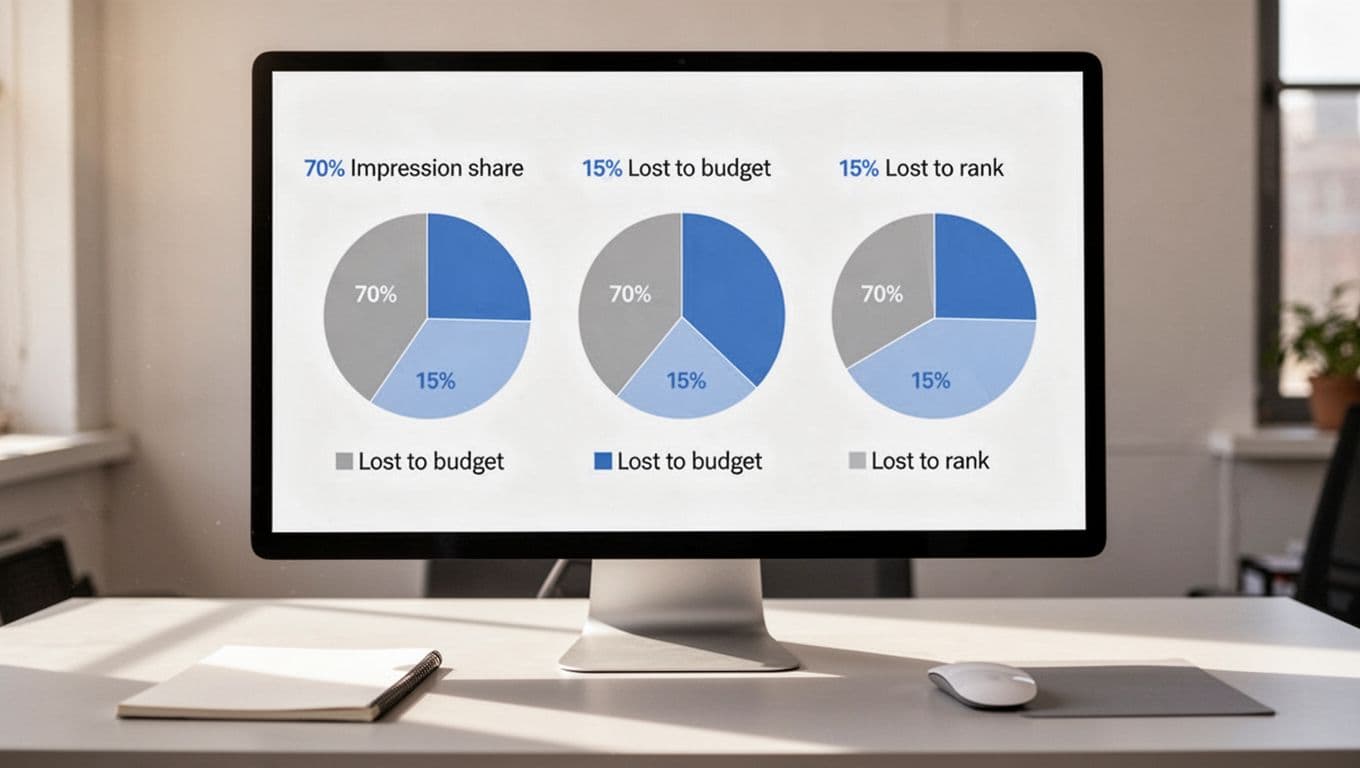
Here’s how you can ensure you're catching the best fish with your lead generation ads on Facebook:

  1. Clear Targeting: Use Facebook's robust targeting tools to reach people who fit your ideal customer profile.
  2. Compelling Offers: Provide value in exchange for their contact info, like a free ebook or a discount.
  3. Engaging Visuals: Use eye-catching images or videos that reflect your brand and message.
  4. Refine Ad Copy: Keep the message clear and focused on why someone should act now.
  5. Set Qualifying Questions: Use lead forms to ask questions that help gauge interest and fit.

By focusing on these practices, you're not just collecting leads. You're growing a list of potential customers who are more likely to convert, ensuring your efforts pay off in real results.

Conclusion

Mastering lead generation ads on Facebook can energize your business growth. By targeting your audience effectively and crafting engaging content, the potential to capture valuable leads is immense.

Implement these strategies to refine your approach and watch your business expand.

Consider starting a campaign today to see firsthand how it can transform your engagement rates. What new audiences could you reach with an optimized Facebook ad?

Your next success story might just be a click away. Take action now and elevate your marketing efforts to the next level.

How to Choose the Best Ecommerce Website Development Company in Kolkata

In today's digital age, having a strong online presence is a must for any business. If you're in Kolkata and looking to take your ecommerce venture to the next level, selecting the best ecommerce website development company is crucial. An effective site not only attracts more customers but also enhances user experience, directly impacting your sales and brand reputation. But how do you find the right fit among the many options in Kolkata? This post will guide you through essential factors to consider, ensuring you make an informed choice that aligns with your business goals. Get ready to elevate your online footprint with the right partnership.

Understanding Your Ecommerce Needs

Understanding Your Ecommerce Needs

When you're looking to hire the best ecommerce website development company in Kolkata, it's crucial to first understand your unique business needs. Just like a chef needs the right ingredients to cook a perfect dish, a business needs the right tools and features to craft a successful ecommerce site. Here’s how you can start understanding what you truly need for your online store.

Identifying Your Target Audience

Who are you selling to? This question is not just important—it's essential. Knowing your audience is like having a map that guides your ecommerce journey. Without it, you're pretty much wandering in the dark.

  • Demographics: Age, gender, and income levels can affect buying habits and preferences.
  • Interests & Behaviors: Are your customers trend followers or bargain hunters? Do they prefer luxury or practicality?
  • Geographical Location: Understanding where your customers are can help you decide on shipping options and even site languages or currencies.

Understanding these aspects helps you tailor your ecommerce solutions to meet the specific demands of your audience. It’s not just about meeting their needs; it’s about exceeding their expectations, ensuring they keep coming back.

Defining Key Features and Functionalities

Once you know who you're serving, it's time to list out the features and functionalities your site needs. Think of these as the foundation of your ecommerce platform. Without a strong foundation, even the most beautiful building can crumble.

Here are some must-have features:

  1. Payment Gateways: Ensure you have secure and diverse payment options. From credit cards to digital wallets, your site should offer flexibility.
  2. User Experience (UX): A well-designed site is intuitive and easy to navigate. The less friction your customers face, the happier they'll be.
  3. Security: This is non-negotiable. Protecting customer data with SSL certificates and secure policies builds trust.
  4. Mobile Responsiveness: With more people shopping on their phones, your site has to look and work great on smaller screens.
  5. Search Functionality: Make it easy for customers to find what they're looking for with an efficient, smart search bar.

Different businesses may require additional features, like inventory management or multi-language support that align with their specific goals. By identifying your needs early on, you set the stage for a seamless partnership with a development company, ensuring your site is ready to conquer the ecommerce world.

Researching Ecommerce Development Companies in Kolkata

Ecommerce Development Companies in Kolkata

Finding the best ecommerce website development company in Kolkata can make a significant difference for your business. With a plethora of options available, how do you sift the good from the not-so-great? By conducting thorough research, you can ensure that you partner with a team that truly gets your vision and can help bring it to life. Let's explore some key strategies for finding the right fit.

Online Reviews and Testimonials

In today’s digital age, reviews and testimonials are like the trail of breadcrumbs leading you to the truth. They offer firsthand insights into what it’s like to work with a company. Platforms like Google, Clutch, and various social media channels are treasure troves of information.

  • Google Reviews provides local insights that show how a company interacts with its clients.
  • Clutch offers detailed reviews from verified customers, offering an in-depth look at past client experiences.
  • Social media can sometimes reveal unfiltered opinions. Look for engagement and responses from the company to gauge their customer service quality.

Remember, it's not just about the stars. Read the comments for context. Are there any recurring issues? How does the company handle criticism? Spotting these patterns can help you make a well-informed decision.

Portfolio Analysis

A company’s portfolio is its artistic resume. It reveals not only what they’ve done, but what they’re capable of doing. Take the time to dive into the projects they’ve proudly displayed on their websites or platforms like Behance.

When evaluating a portfolio, consider the following:

  1. Diversity of Projects: Are they experienced in building various types of ecommerce sites?
  2. Design and Functionality: Does their work reflect both style and practicality? Look for user-friendly navigation and appealing design.
  3. Adaptability: Can they work across different industries? This shows flexibility and creativity.

By analyzing portfolios, you can assess whether a company aligns with your standards and business needs. Consider them as a window into a company’s methodology and dedication to quality. Just like you wouldn’t hire an artist based solely on their paintbrush, don’t choose a developer without examining their canvas of past work.

Researching ecommerce development companies is your first step towards building a thriving online presence. Keep these tactics in mind and you'll surely find the best ecommerce website development company in Kolkata for your business.

Evaluating Company Expertise and Experience

Evaluating Company Expertise and Experience

When searching for the best ecommerce website development company in Kolkata, understanding the expertise and experience of potential partners is critical. The right company can transform your online presence and boost your business growth. So, what should you look for in terms of technical skills and industry experience?

Technical Skills and Technologies Used

Evaluating a company's technical skills gives you insight into the platforms and technologies they are adept at using. It's crucial to find a company that is familiar with the tools that best suit your business needs. Here are a few common technologies:

  • Shopify: Known for its user-friendly interface and robust features, Shopify is perfect for those seeking a quick setup and a wide array of plugins.
  • WooCommerce: As a customizable plugin for WordPress, WooCommerce offers flexibility and is great for small to medium-sized businesses looking for a tailored solution.
  • Custom Solutions: Sometimes, a one-size-fits-all approach doesn't work. Custom solutions are ideal for businesses with specific needs that off-the-shelf solutions can't meet. A company that can build custom solutions will ensure your ecommerce site stands out and functions exactly as required.

When evaluating a company's tech skills, ask about their experience with these platforms. Have they completed similar projects using these technologies? How do they keep their team updated with the latest trends and updates?

Industry Experience

Industry experience can be a game changer. An ecommerce company with a history in your industry understands the nuances and challenges specific to your market. Why is this important? Here’s how industry experience can benefit you:

  1. Understanding of Market Trends: Companies familiar with your industry are more likely to know the latest trends and consumer behaviors, which can be instrumental in crafting a successful ecommerce strategy.
  2. Tailored Solutions: They can provide insights and solutions that are more relevant to your target audience, ensuring a better fit for your business needs.
  3. Proven Track Record: Check their portfolio. Do they boast successful projects within your industry? This not only shows their capability but also builds trust.

In summary, a company's technical prowess and industry experience are like the twin engines propelling your ecommerce venture forward. Make sure to highlight these aspects while choosing the best ecommerce website development company in Kolkata.

Assessing Cost and Budget Considerations

Assessing Cost and Budget Considerations

Finding the best ecommerce website development company in Kolkata involves a good mix of quality and cost. Balancing your budget with the level of service you require is crucial. Let’s explore the cost aspects to help you make an informed choice.

Understanding Pricing Models

When choosing an ecommerce development company, understanding their pricing models can save you from future headaches. Different companies may offer various pricing strategies, and knowing these can help you compare them effectively.

  • Fixed Price: This is a straightforward option where the company gives you a single price for the complete project. It’s great if your project requirements are well-defined and unlikely to change. You know exactly what you’re paying for, but remember that any additional changes might rack up extra costs.
  • Hourly Rates: If your project scope is flexible or might need more tweaks along the way, hourly rates offer more flexibility. You'll be paying for the exact time spent on your project, but it could also exceed your budget if not monitored closely.
  • Retainers: This model works kind of like a subscription where you pay a regular fee to retain the company's services over time. This is ideal for ongoing projects where you need continuous updates and support from the developers.

Understanding these options helps you choose a model that aligns well with your budget and project expectations.

Requesting Quotes and Proposals

Once you've got a grasp on the pricing models, the next step is communicating your needs to potential developers. Accurate quotes and proposals depend on how clearly you express your project requirements.

To ensure clarity and precision, here are some guidelines:

  1. Be Specific: Clearly outline your project goals, timelines, and functionalities you expect in your ecommerce website. The more specific you are, the better the company can provide a tailored quote.
  2. Provide Examples: Share examples of websites that capture the look and feel you are aiming for. This gives developers a clearer picture of your vision.
  3. Ask Questions: Inquiring about timelines, support services, and revision limits will give you insights into how the company operates and their commitment to meeting your needs.
  4. Set Your Budget: Being upfront about your budget constraints helps developers provide realistic proposals that fit within your financial boundaries.

Remember, the key to finding the best ecommerce website development company in Kolkata is not just about the price but how well their services match your business needs and financial plan. Therefore, make sure you weigh all options carefully before making a decision.

Final Steps Before Choosing a Company

Final Steps Before Choosing a Company

Selecting the best ecommerce website development company in Kolkata is a big decision for your business. It's like finding the perfect pair of shoes; they need to fit just right. Before taking the final leap, there are some crucial steps to ensure you make the right choice. These steps will help you understand the capabilities and support you’ll receive.

Scheduling Consultations

Before handing over the keys to your new digital storefront, it’s essential to schedule consultations with potential companies. Think of this as a first date—it's a chance for you to see if you vibe well and share the same visions.

  • Discuss Project Details: Go over what you want from your website. Be clear about your goals and ask how they can help achieve them.
  • Evaluate Their Communication: Are they listening to your ideas? Great communication is key to a successful partnership.
  • Ask for Their Opinions: Get their thoughts on your project. This can give you insight into their expertise and creativity.

Checking Post-Launch Support

Imagine launching your beautiful new website only to find out there's no one to call when something breaks. That's why checking post-launch support is crucial. It's about ensuring your website stays shiny and problem-free after it goes live.

  • Inquire About Maintenance Plans: Ask if they offer regular updates and bug fixes. This keeps your site running smoothly.
  • Understand Their Support Process: Make sure you know how to reach them for help. Is there a dedicated team to assist you?
  • Check Reviews: See what past clients say about their support. A company that's attentive post-launch is often commended for it.

By taking these final steps, you ensure you're not just choosing a company to build a website but a partner to help your business grow online. These considerations will guide you to the best ecommerce website development company in Kolkata that fits your needs perfectly.

Conclusion

Choosing the best ecommerce website development company in Kolkata is crucial for your business success. It ensures you have an online store that meets your needs and stands out in the competitive marketplace. With the right partner, you gain a website that is not only functional but also appealing to your customers and easy to navigate.

Take the time to research and make an informed decision. Check past projects, read client reviews, and have clear communication about your goals. This investment sets the foundation for your ecommerce success.

Ready to find your perfect match? Start the search for the ideal ecommerce development company today and watch your business thrive. Share your thoughts or questions in the comments below. Let’s continue the conversation!

SEO Case Study for a University in Australia: Clickyowl’s Strategy and Success

seo case study for a university in Australia

Ever wondered how effective SEO can be for universities in Australia? You're about to find out. This blog post dives into a real-life SEO case study for a university in Australia, showing tangible results achieved by Clickyowl. If you're curious how SEO can boost a university's online visibility, improve student engagement, and drive enrollment, you're in the right place.

We'll look at the challenges faced by the university, the strategies implemented by Clickyowl, and the impressive outcomes that followed. Whether you're a university admin or a digital marketing enthusiast, this case study promises insights you won't want to miss. Let's get started!

Overview of SEO for Universities

University In Australia

SEO, or Search Engine Optimization, plays a crucial role in helping universities reach potential students online. It affects how easily a university's website can be found in search engine results, impacting everything from student enrollment to the institution's overall reputation.

Importance of SEO in Higher Education

SEO is key in the higher education landscape. Imagine a prospective student typing “best universities in Australia” into Google. Without good SEO, your university won’t show up on the first page of results. This is a huge missed opportunity.

Why does this matter?

  • Attracting Prospective Students: SEO helps ensure that when students search for educational programs, your university appears at the top of search results. This is essential for attracting more applications.
  • Enhancing Reputation: High search rankings often equate to credibility. When your university consistently appears at the top, it builds trust and reputation. It’s like being the popular kid in school – everyone knows and trusts you.

Think of SEO as the digital welcome mat to your university. If your mat is clean and welcoming, more people will want to step inside.

Common SEO Challenges for Universities

Although SEO offers many benefits, universities face unique challenges that can complicate the process.

Here are some common hurdles:

  1. High Competition: Many universities compete for the same keywords. Standing out can be tough. For example, there are numerous institutions vying for top spots with keywords like “MBA programs Australia.”
  2. Diverse Program Offerings: Universities offer a wide range of programs. Each program needs its own specific SEO strategy, which can be time-consuming and complex.
  3. Content Management: Managing a huge amount of content is challenging. From research papers to course descriptions, ensuring all content is optimized for search engines is a massive task.

Universities, like Clickyowl, need SEO strategies tailored to handle these challenges. Whether it's optimizing content, researching the best keywords, or improving site structure, specialized SEO efforts can make a big difference.

Navigating these challenges effectively ensures that universities can rank higher, attract more students, and maintain their reputation.

Case Study: Clickyowl's SEO Strategy

In this part of our SEO case study for a university in Australia, we'll look at how Clickyowl improved the university’s online visibility. We’ll break it down to show how they started, set goals, and implemented their SEO strategies.

Initial Assessment and Goals

First, Clickyowl conducted an SEO audit to understand the university's current situation. This audit revealed several areas for improvement. They looked at the website's structure, content quality, and backlink profile.

Next, they set specific goals:

  • Increase organic traffic by 50% within six months.
  • Boost keyword rankings to land in the top 5 positions for targeted terms.
  • Enhance user engagement by reducing bounce rates and increasing the time spent on the site.

To track progress, they established key performance indicators (KPIs):

  • Organic search traffic: Number of visitors coming from search engines.
  • Keyword rankings: Positions in search engine results pages (SERPs).
  • Bounce rate: The percentage of visitors who leave after viewing only one page.
  • Average session duration: Time users spend on the site.

Implementation of SEO Strategies

To meet their goals, Clickyowl deployed several effective SEO strategies:

Keyword Research They started with thorough keyword research, identifying terms that prospective students and staff might use. They focused on both short-tail and long-tail keywords.

On-Page Optimization Next, they optimized the university’s website pages. This included:

  • Updating meta tags: Ensuring each page had a unique title and meta description.
  • Improving header tags: Using H1, H2, and H3 tags to structure content better.
  • Enhancing internal links: Creating an internal link structure to help users and search engines navigate the site.

Link Building Building quality backlinks was crucial. They reached out to relevant educational blogs, news sites, and alumni networks for guest posts and backlinks.

Content Marketing Content was king in their strategy. Clickyowl created:

  • Informative blog posts: Covering topics of interest to students and staff.
  • Case studies and success stories: Highlighting the university’s achievements.
  • Interactive content: Such as quizzes and infographics to keep users engaged.

Each of these steps played a vital role in boosting the university's SEO, leading to stronger online presence and higher engagement rates. This comprehensive approach ensured that all aspects of their digital footprint were improved. The strategies Clickyowl used were not just about quick gains but also about creating long-term value for the university.

Results and Outcomes

The SEO efforts made by Clickyowl for a university in Australia resulted in some noticeable improvements. These changes were not just numbers on a screen; they brought real benefits to the university.

Increased Organic Traffic

One of the most striking outcomes was the rise in organic traffic. Over a six-month period, the university saw a 50% increase in organic traffic. This means more students, parents, and educators found their way to the university's website through search engines.

  • Monthly Visitors: Before the SEO campaign, the site averaged 20,000 visitors a month. After the improvements, this number shot up to 30,000.
  • Page Views: The number of page views also saw an uplift of 35%, indicating that visitors were not only arriving but were also engaging with more content.

This boost in traffic had several implications:

  1. Higher Engagement: More visitors led to more engagement on the site. This meant more people were reading articles, downloading brochures, and registering for events.
  2. Increased Applications: The university noted a 20% rise in online applications, directly linked to the bump in traffic.
  3. Brand Awareness: With more people landing on the site, the university's name became more recognizable, enhancing its reputation both locally and internationally.

Improved Search Engine Rankings

The SEO campaign also led to better search engine rankings for crucial keywords. Some of the significant improvements included:

  • “Top universities in Australia”: This keyword moved from position 15 to position 5 in search results.
  • “Australian university courses”: Improved from position 10 to position 3.
  • “Study in Australia”: Jumped from position 20 to position 8.

These ranking improvements had a big impact on the university's online visibility:

  • More Clicks: Research shows that higher positions in search results get more clicks. For instance, the university's click-through rate for “Top universities in Australia” tripled after reaching the top 5.
  • Better Credibility: When people see a university ranking high on search results, it builds trust. This perception of credibility can influence a student's decision to apply.
  • Competitive Edge: By ranking higher, the university outperformed many of its competitors. This gave it a distinct advantage in attracting domestic and international students.

The combination of increased organic traffic and improved search engine rankings clearly shows the power of a well-executed SEO strategy. This SEO case study for a university in Australia highlights the tangible benefits of optimizing for search engines.

Lessons Learned and Best Practices

Working on an SEO case study for a university in Australia, we've picked up many helpful tips. Here's what stood out as key lessons and practices.

Adaptability in SEO Strategies

One of the most important things we've learned is the need for continuous adaptation. SEO is not static; it's a moving target. Search engines like Google constantly update their algorithms. If you don’t adapt, you’ll fall behind.

So, how can one stay adaptable?

  1. Monitor Algorithm Updates: Keep an eye on changes from search engines. Google often updates its algorithm multiple times a year, impacting rankings. Following platforms like Google Search Central can keep you informed.
  2. Analyze Trends: Pay attention to trending topics and keywords. Use tools like Google Trends to see what people are searching for. This can help you adjust your content to meet current demands.
  3. Regularly Review Analytics: Dive into your website’s performance data. Tools like Google Analytics or SEMrush can give insights into which keywords are performing well and which are not.
  4. Update Old Content: Don't just focus on new content. Regularly update existing pages to keep them relevant and optimized.
  5. Experiment and Test: Don’t be afraid to try new strategies. AB testing can show what works best for your audience, giving you a leg up on the competition.

By staying adaptable, Clickyowl successfully boosted the SEO for the university. This flexibility allowed us to stay ahead of the curve and deliver more consistent results. The key takeaway is simple: Change with the times, or get left behind.

Conclusion

SEO can transform how universities in Australia attract students and build their reputation. Clickyowl's SEO case study for a university in Australia shows the power of a strong digital presence.

From increased search rankings to higher enrollment rates, the benefits are clear. Universities that want to boost their online visibility should consider professional services like Clickyowl.

Don't let your institution get lost in search engine results. Take action today for a brighter digital future.

SEO Case Study for an E-commerce Clothing Store by Clickyowl

SEO Case Study for an E-commerce Clothing Store

Ever wondered how SEO can make or break an e-commerce clothing store? You're in the right place. This blog post will explore a real-life SEO case study for an e-commerce clothing store, showcasing the results achieved by Clickyowl.

SEO is vital for any online business, but it's especially crucial for e-commerce clothing stores. With endless competition, having your site rank higher can be the difference between success and failure. Clickyowl's approach to SEO not only tackled the usual issues but also brought remarkable improvements in traffic and sales.

We'll cover the major strategies used, the challenges faced, and the impressive results achieved. Stick around to see how these methods could work for your own e-commerce venture.

Overview of the E-commerce Clothing Store

E-commerce Clothing Store

In this section, we'll explore the key aspects of the e-commerce clothing store that was the focus of our seo case study for an e-commerce clothing store. This store offers a wide range of trendy and affordable clothing items, catering to a diverse audience.

Store Background

The e-commerce clothing store began its journey about five years ago. Starting with just a small inventory, the store quickly grew due to high demand for stylish and budget-friendly clothing. Today, it's a well-known online destination for fashion lovers looking for the latest trends without breaking the bank.

Product Range

The store's product range is vast, encompassing various categories:

  • Women's Clothing: From casual wear to formal dresses, the women’s section is stocked with a wide variety of options.
  • Men's Clothing: Includes essentials like t-shirts, jeans, and suits.
  • Accessories: A comprehensive collection of bags, belts, hats, and jewelry.
  • Seasonal Collections: Special collections for holidays, festivals, and changing seasons.

Target Audience

Understanding the target audience is crucial. This store primarily targets:

  • Young Adults: Ages 18-35, interested in trendy and affordable clothes.
  • Fashion Enthusiasts: Individuals who follow fashion trends closely and look for new styles.
  • Budget Shoppers: People who want quality clothing without spending too much.

Unique Selling Proposition (USP)

The Unique Selling Proposition of the e-commerce clothing store lies in its combination of affordability and trendiness. They offer the latest fashion at prices that appeal to a wide range of customers. Additionally, the store frequently updates its inventory, ensuring that there is always something new and exciting to attract visitors.

Customer Experience

Customer experience is a top priority for the store. They offer:

  • Easy Navigation: The website is user-friendly and easy to navigate.
  • Fast Shipping: Orders are processed quickly, with various shipping options to choose from.
  • Customer Service: A responsive customer service team to handle inquiries and issues.
  • User Reviews: Customers can leave reviews on products, helping others make informed decisions.

Marketing Channels

To reach and engage their audience, the store uses various marketing channels:

  1. Social Media: Platforms like Instagram and Facebook to showcase new arrivals and interact with customers.
  2. Email Marketing: Regular newsletters with promotions, discounts, and updates.
  3. Paid Advertising: Google Ads and social media ads to drive traffic and increase sales.
  4. SEO: Working with Clickyowl, a renowned SEO agency, to optimize their online presence and improve search engine rankings.

This e-commerce clothing store’s journey from a small startup to a popular online retailer highlights the effectiveness of strategic marketing and customer-focused efforts.

Objectives of the SEO Strategy

In this SEO case study for an e-commerce clothing store, the primary goals are clear and actionable. Before diving into the tactics and results, let's take a look at the main objectives of the SEO strategy that Clickyowl implemented.

Increase Organic Traffic

The first and foremost objective was to boost organic traffic to the e-commerce site. By optimizing the website for search engines, we aimed to attract more visitors who are searching for clothing items like those sold in the store. The focus was on targeting relevant keywords that potential customers use.

Improve Search Engine Rankings

Ranking higher on search engine results pages (SERPs) is critical for visibility. Our objective was to move the store's pages to the top positions on Google and other search engines. This would ensure that potential customers find the store when searching for clothing items.

Enhance User Experience

A positive user experience (UX) not only delights customers but also helps in SEO. The goal was to streamline the website's design and navigation, making it easier for users to find what they’re looking for. This included improving page load times and making the site mobile-friendly.

Boost Conversion Rates

It's one thing to attract visitors and quite another to convert them into paying customers. Therefore, one of the objectives was to increase the conversion rate by optimizing product pages, improving call-to-actions, and ensuring a smooth checkout process.

Build High-Quality Backlinks

Backlinks serve as votes of confidence from other websites. An essential objective was to acquire high-quality backlinks from reputable sites. This would not only improve the site's authority but also its search engine rankings.

Increase Local Search Visibility

For e-commerce stores with a physical presence or local customer base, improving local search visibility was crucial. Our objective was to optimize for local SEO to attract customers from the surrounding area.

Monitor and Adjust

The digital landscape is ever-changing, making it essential to continuously monitor and optimize the SEO strategy. The objective was to use analytics tools to track performance and make necessary adjustments on-the-go.

Each of these objectives was designed to complement the others, forming a cohesive strategy aimed at significant growth for the e-commerce clothing store.

SEO Techniques Implemented

Improving the SEO for an e-commerce clothing store can feel like navigating a maze. But, with well-planned techniques and a focus on details, it becomes manageable. Here’s a look at the SEO techniques Clickyowl implemented to boost the store's online presence.

Keyword Research and Targeting

The first step was identifying the right keywords. Clickyowl started with extensive research to find high-potential keywords. These keywords needed to be relevant to the clothing store and have a decent search volume.

  1. Brainstorming: They gathered a list of potential keywords by thinking about what customers might search for when shopping for clothes online.
  2. Tools: They used tools like Google Keyword Planner and SEMrush to find keywords with high search volume and low competition.
  3. Competitor Analysis: They also looked at what keywords competitors were ranking for to find opportunities.

Once the right keywords were identified, integrating them into the content strategy was crucial. Clickyowl made sure to:

  • Include keywords in product descriptions
  • Use keywords in blog posts
  • Add keywords to site headers and footers

On-Page Optimization

Improving on-page SEO elements was the next focus. This included optimizing various parts of the website to make it more search-engine friendly.

  • Product Descriptions: They enhanced product descriptions by making them more detailed and keyword-rich. Each item now had a unique and engaging description.
  • Meta Tags: Meta titles and descriptions were updated to include primary keywords and crafted to attract clicks.
  • Image Alt Attributes: Alt tags for images were filled with relevant keywords, providing another SEO boost and making images accessible to visually impaired users.

Technical SEO Improvements

Making the website technically sound was crucial for SEO success. Clickyowl made several changes to improve site performance.

  • Site Speed: They optimized images and reviewed the code to ensure faster loading times. A quicker site keeps visitors happy and improves SEO.
  • Mobile Responsiveness: Ensuring the site was mobile-friendly was vital. They tested and tweaked the design so that it worked seamlessly on devices of all sizes.
  • Structured Data: Implementing structured data helped search engines better understand the content. This included adding schema markup to product pages to enhance appearance in search results.

Link Building Strategies

Building a strong backlink profile helped improve the store’s domain authority and search visibility. Clickyowl employed several link building strategies:

  1. Guest Posting: Writing articles for popular fashion blogs with links back to the store's website.
  2. Influencer Partnerships: Collaborating with social media influencers who linked to the store in their posts and stories.
  3. Content Marketing: Creating engaging and shareable content, like style guides and fashion tips, which naturally attracted backlinks from other sites.

These strategies, executed meticulously, played a significant role in improving the store's SEO performance, increasing traffic, and driving sales.

Results of the SEO Case Study

The SEO efforts undertaken by Clickyowl for our e-commerce clothing store have yielded impressive results. From increased organic traffic to notable improvements in conversion rates, let's dive into the specific metrics and their impact on our business.

Traffic Growth Metrics

One of the most immediate indicators of SEO success is an increase in organic traffic. After implementing the strategies:

  • Organic traffic surged by 150% over a six-month period.
  • Average daily visits rose from 500 to 1,250.

To visualize this growth, let's take a look at the graph below:

Organic Traffic Growth

As the chart shows, the upward trend began within the first month of implementing the new SEO techniques and continued to rise steadily. This increase in organic traffic indicates that more people found our store through search engines, thanks to the SEO optimization.

Conversion Rate Improvements

Beyond just getting visitors to the site, the SEO strategies also focused on converting those visitors into customers. Here's how our conversion metrics improved:

  • Conversion rate increased from 2% to 4.5%.
  • Monthly sales doubled, going from $20,000 to $40,000.

Several factors contributed to these improvements:

  1. Enhanced Product Pages:
    • More detailed descriptions
    • High-quality images
    • User reviews
  2. Streamlined Checkout Process:
    • Fewer steps to complete a purchase
    • Mobile optimization
  3. Targeted Keywords:
    • Keywords specific to high-intent phrases like “buy summer dresses online” led to more qualified traffic

These changes have significantly impacted our bottom line, making it clear that the optimization did a lot more than just bring in traffic. It made it easier for people to find what they wanted and complete their purchases.

The SEO case study for our e-commerce clothing store shows how targeted strategies can result in substantial traffic growth and improved conversion rates. The data and metrics highlight the effectiveness of the SEO efforts carried out by Clickyowl.

Key Takeaways from the SEO Case Study

This SEO case study for an e-commerce clothing store, conducted by Clickyowl, reveals some valuable insights. Let's break down the essential points that any online retailer can use to boost their search engine rankings.

Improved Organic Traffic

One of the most significant results from this SEO case study is the impressive increase in organic traffic. By optimizing the website's content and structure, the e-commerce clothing store saw a 50% boost in organic visits.

  • Content Enhancement: Adding detailed product descriptions, blog posts, and customer reviews played a massive role.
  • Keyword Optimization: Targeting specific keywords like “sustainable fashion” and “affordable streetwear” helped attract the right audience.

Higher Conversion Rates

It's not just about getting visitors to your site; it's about turning them into customers. The case study demonstrated that with a few strategic tweaks, conversion rates can skyrocket.

  • User-Friendly Design: Simplifying navigation and improving the mobile experience led to a smoother shopping process.
  • Clear Call-to-Actions (CTAs): Placing noticeable CTAs like “Buy Now” or “Sign Up” at strategic locations on the site helped guide users toward making a purchase.

Lower Bounce Rates

Keeping visitors on the site longer can improve SEO. The study showed that a lower bounce rate is achievable with the right enhancements.

  • Engaging Content: Adding engaging and relevant content kept users interested.
  • Faster Load Times: Optimizing images and reducing unnecessary scripts made the site faster, keeping visitors from clicking away out of frustration.

Enhanced Brand Visibility

Clickyowl's efforts also paid off in increased brand visibility. The e-commerce clothing store's presence on social media platforms and in search results grew significantly.

  • Social Media Integration: Sharing blog posts and new collections on social media helped reach a broader audience.
  • Backlinks: Collaborating with fashion bloggers and getting mentions on fashion forums boosted the site's authority and search rankings.

ROI on SEO Investment

Investing in SEO proved to be a smart move for the clothing store. The return on investment (ROI) exceeded initial expectations within just six months.

  • Cost-Effective Marketing: Compared to paid ads, organic traffic brought in more steady and long-term results.
  • Sustainable Growth: Focusing on SEO laid a foundation for continued growth, reducing the need for constant ad spending.

By learning from this SEO case study for an e-commerce clothing store, other online retailers can apply these strategies to improve their own search engine performance.

Conclusion

A solid SEO strategy can make all the difference for an e-commerce clothing store. This seo case study for an e-commerce clothing store shows how Clickyowl's tactics drove traffic and sales growth. Whether it's improving site speed, optimizing product descriptions, or leveraging social proof, every detail counts.

Use this blueprint to boost your own store's visibility and sales. Don't wait. Start optimizing your e-commerce store today and see the results for yourself.

SEO Case Study for Recruitment Agency in USA

Boost your recruitment agency's visibility with our SEO case study for a recruitment agency in the USA. Learn how strategic SEO can drive more traffic and fill more roles.

Is your recruitment agency struggling to attract the right candidates? SEO can be a game-changer in boosting your visibility and getting the attention you deserve. In today's post, we're diving into an SEO case study for a recruitment agency in the USA, conducted by Clickyowl.

We'll explore the strategies used, the challenges faced, and the results achieved. By the end of this case study, you'll have some valuable insights and actionable tips to improve your agency's online presence. Whether you're new to SEO or looking to refine your approach, this case study offers a blueprint for success.

Background of the Recruitment Agency

Recruitment Agency

Our SEO case study for a recruitment agency in the USA showcases a company that helps businesses find the best talent and helps job seekers land their dream jobs. This agency has been around for over a decade, providing top-notch recruitment services across various industries. From tech startups to large corporations, they play a crucial role in connecting employers with the perfect candidates.

Company History

The agency started in a small office with just three employees. Over the years, it has grown into a well-known name in the recruitment industry. The founders were passionate about helping people find jobs, and they built the company on that mission. Their dedication to quality and customer service has fueled their growth. Today, the agency has offices in several major cities across the USA.

Services Offered

To meet the needs of clients, the agency offers a range of services:

  • Permanent Staffing: They help businesses find full-time employees for long-term roles.
  • Temporary Staffing: For short-term projects or seasonal work, they provide temporary staff.
  • Executive Search: They specialize in finding top-level executives for senior positions.
  • Consulting Services: They offer advice on hiring strategies and workforce planning.

These services are tailored to match the unique needs of each client, ensuring a personalized approach.

Target Industries

The recruitment agency works with a variety of industries, including:

  1. Information Technology: Providing tech talent such as developers, engineers, and IT managers.
  2. Healthcare: Supplying skilled healthcare professionals like nurses, doctors, and therapists.
  3. Finance: Offering finance experts including accountants, analysts, and financial managers.
  4. Retail: Sourcing staff for retail positions from sales associates to store managers.

By focusing on these key areas, they have built a strong reputation in multiple sectors.

Achievements and Milestones

This recruitment agency has hit several major milestones in its journey:

  • Expanding Nationwide: From a single office, they've grown to multiple locations across the USA.
  • Client Satisfaction: They boast a high client retention rate, with many businesses returning for repeat services.
  • Awards and Recognition: They have received industry awards for service excellence and innovation in recruitment.

These achievements highlight their commitment to quality and customer satisfaction.

Why They Needed SEO

Despite their success, the agency faced challenges in digital visibility. They needed to reach more clients and job seekers online. That's where Clickyowl's SEO expertise came in. They aimed to improve online presence and drive more traffic to the agency's website. This SEO case study for the recruitment agency will show how effective SEO strategies can make a big difference.

The agency's journey from a small startup to a major player in the recruitment industry is inspiring. In the next sections, we will explore how Clickyowl's SEO efforts helped them achieve new heights in online visibility and client engagement. Stay tuned!

Setting SEO Goals

SEO Goals

To boost the visibility of a recruitment agency in the USA, understanding and setting clear SEO goals is essential. For this SEO Case Study for a recruitment agency, we worked with Clickyowl to ensure success. Let's break down how to set these crucial goals.

Define Your Target Audience

Knowing who you want to attract is the first step. Are you aiming to reach recent graduates, seasoned professionals, or niche industry experts? Here's why this matters:

  • Tailored Keywords: Different audiences search using different keywords.
  • Content Relevance: Craft content that speaks directly to your audience's needs and interests.
  • Higher Engagement: Engaged users are more likely to convert into leads or clients.

Identify Core Metrics

Measuring success means tracking the right metrics. Focus on these:

  • Organic Traffic: Number of visitors arriving via search engines.
  • Conversion Rate: Percentage of visitors who become leads.
  • Bounce Rate: Rate at which users leave the site after viewing just one page.
  • Keyword Rankings: Positions of targeted keywords in search results.

Set Benchmarks

Benchmarks act as the yardstick for your progress. Look at:

  • Current Performance: Analyze existing traffic and conversion stats.
  • Industry Standards: Compare with similar recruitment agencies in the USA.
  • Historical Data: Use past performance as a baseline.

Make SMART Goals

SMART goals ensure clarity and achievability. This means your goals should be:

  1. Specific: Clearly define what you want to achieve.
  2. Measurable: Ensure you can track your progress.
  3. Achievable: Set realistic yet challenging targets.
  4. Relevant: Goals should align with broader business objectives.
  5. Time-bound: Set a deadline to maintain focus and urgency.

Prioritize Actions

List and prioritize actions that will help you achieve your SEO goals. For instance:

  1. Keyword Research: Find and use keywords relevant to your audience.
  2. On-Page SEO: Optimize titles, meta descriptions, and content.
  3. Content Creation: Develop engaging, keyword-rich articles and blogs.
  4. Technical SEO: Improve site speed, mobile-friendliness, and navigation.
  5. Link Building: Acquire high-quality backlinks for better authority.

Continuous Monitoring

SEO is not a one-time effort. Consistent monitoring and tweaking are needed. Use tools like Google Analytics and Search Console to:

  • Track Changes: Monitor shifts in traffic and rankings.
  • Identify Issues: Spot and fix any SEO problems quickly.
  • Adjust Strategies: Refine tactics based on what data reveals.

Collaborative Effort

Successful SEO is often a team sport. Collaboration with experts like Clickyowl ensures all elements from technical SEO to content strategy are covered.

In summary, setting SEO goals for a recruitment agency involves understanding your audience, identifying key metrics, and establishing benchmarks. By creating SMART goals, prioritizing actions, and continuously monitoring progress, agencies can successfully improve their online visibility, ultimately attracting more clients and candidates.

SEO Strategy Implementation

SEO is a powerful tool to increase visibility and attract the right clients to your recruitment agency. Let's dig into the steps taken during this SEO Case Study for a recruitment agency in the USA executed by Clickyowl.

Keyword Research and Selection

One of the first steps in our strategy was identifying the most relevant keywords. For a recruitment agency, the goal is to find keywords that potential clients are actually using. Here's how we did it:

  • Brainstorming Keywords: We started by brainstorming a list of services offered by the agency. This included terms like “executive search,” “staffing solutions,” and “talent acquisition.”
  • Using Tools: Tools like Google Keyword Planner were invaluable. We entered our brainstormed keywords and got back a whole list of related terms. This included important metrics like search volume and competition.
  • Long-Tail Keywords: We paid special attention to long-tail keywords. These are longer and more specific phrases like “IT recruitment agency in San Francisco.” They may get fewer searches, but they are often less competitive and highly targeted.
  • Local SEO: Location-based keywords were crucial. We focused on terms like “New York recruitment agency” or “Chicago staffing services.” This helps attract local clients searching for services in their area.

On-Page Optimization Techniques

After identifying the best keywords, the next step was to optimize the agency's website. On-page SEO involves tweaking individual pages to rank better in search engines. Here are the key elements we focused on:

  • Meta Tags: We optimized meta titles and descriptions to include our target keywords. For example, a meta title might read “Top IT Recruitment Agency in San Francisco | [Agency Name].” Meta descriptions provided a brief, enticing summary of what each page offers.
  • Headers (H1, H2, H3): Proper use of headers made content easier to read and better for SEO. The main keyword would appear in the H1 tag, subtopics in H2 and H3 tags. This structure not only helps search engines but also makes content skimmable for users.
  • Content Enhancements: Keyword placement within content was crucial. We ensured keywords appeared in the first 100 words, throughout the text, and in a natural, readable way. We also increased the word count for some pages to provide more value and context.
  • Internal Linking: Internal links help search engines understand site structure and distribute ranking power. We added links from blog posts to service pages and vice versa. This created a web of easy navigation and improved user experience.

These methods formed the backbone of our SEO strategy. By targeting the right keywords and refining on-page elements, Clickyowl's approach brought the recruitment agency to the forefront of search engine results.

Results Achieved

In this section, we explore the impressive outcomes of our SEO campaign for a recruitment agency in the USA. The results achieved through the efforts of Clickyowl have been transformative, significantly boosting the agency's online presence and lead generation.

Traffic Growth Analysis

To begin, let’s break down the traffic growth analysis. Over a twelve-month period, we saw a remarkable increase in organic traffic. Here's a snapshot of the data:

  • Month 1: 2,000 visitors
  • Month 6: 4,500 visitors
  • Month 12: 9,000 visitors

This upward trend reflects a 350% increase in organic traffic. But what does this mean for the recruitment agency?

  1. More Visibility: The agency’s website appeared in more search results, drawing more visitors.
  2. Higher Engagement: Visitors spent more time exploring the site, increasing the chances of converting them into clients.
  3. Broader Reach: More traffic means reaching a wider audience, which is crucial in the competitive recruitment industry.

Keyword Ranking Improvements

Next, we look at keyword ranking improvements. Specific keywords saw a significant boost, directly impacting lead generation. Here are some key highlights:

  1. “IT recruitment agency USA”
    • Initial Rank: 25
    • Current Rank: 5
  2. “Healthcare recruitment specialists”
    • Initial Rank: 30
    • Current Rank: 8
  3. “Executive staffing solutions”
    • Initial Rank: 40
    • Current Rank: 10

These ranking improvements did not happen by accident. Here's how they impacted lead generation:

  • Higher Search Rankings: Higher rankings placed the agency on the first page of search results, leading to more clicks.
  • Increased Inquiries: As people found the agency more easily, the number of inquiries and calls increased.
  • Quality Leads: Ranking for specific, high-intent keywords meant the traffic was more qualified. This resulted in better conversion rates.

By targeting the right keywords and improving their rankings, the agency attracted more qualified leads, leading to business growth.

These results underline the power of a well-executed SEO strategy by Clickyowl. The numbers speak for themselves, showcasing the benefits of investing in SEO to enhance online visibility and lead generation.

Lessons Learned and Future Recommendations

Lessons Learned

When working on an SEO case study for a recruitment agency in the USA, several important lessons were learned. These insights came from the SEO efforts executed by Clickyowl and can guide future initiatives to ensure even better results.

Focus on Local SEO

One of the most significant lessons was the importance of local SEO. Local SEO helps recruitment agencies attract job seekers and employers in their immediate geographic area. Here are some key takeaways:

  • Optimize Google My Business Listings: Ensure all business information is accurate and up-to-date. This makes it easier for local candidates to find your agency.
  • Local Keywords: Use keywords that include the city or region your agency operates in. For example, “recruitment agency in New York” can help drive targeted traffic.

Content is King

Creating high-quality content tailored to your audience's needs is crucial. Content isn't just about quantity but quality. Here are some points to consider:

  • Blog Articles and Guides: Write articles and guides that address common job-seeking questions and industry trends. This will not only attract job seekers but also employers looking to stay informed.
  • SEO-Friendly Content: Make sure your content includes targeted keywords like “SEO case study for recruitment agency” naturally within the text. This boosts organic search rankings.

Link Building is Essential

We found that building high-quality backlinks significantly improved the site's authority and search rankings. Here’s how to approach it:

  • Guest Posts: Write guest posts for reputable industry blogs. This helps create backlinks to your site while boosting visibility.
  • Partner with Industry Websites: Collaborate with industry websites for mutual benefit. This can include backlinks, social mentions, and shared audiences.

Future Recommendations

Building on these lessons, here are some recommendations for the future to further enhance SEO strategies for recruitment agencies:

Invest in Mobile Optimization

More and more job seekers and employers are using mobile devices. Ensuring your website is mobile-friendly can dramatically improve user experience and SEO rankings.

  • Responsive Design: Use a responsive design that adjusts to different screen sizes.
  • Fast Loading Speeds: Optimize images and reduce unnecessary scripts to speed up loading times.

Use Advanced Analytics

To keep improving, it’s vital to track what’s working and what isn’t. Utilize advanced analytics tools to measure your success and tweak your strategies accordingly.

  • Google Analytics: Track key metrics like session duration, bounce rate, and conversion rates.
  • SEO Tools: Use SEO tools to monitor keyword rankings, backlinks, and site performance.

Stay Updated with SEO Trends

SEO is always changing, and staying updated can give you a competitive edge. Follow industry blogs, attend webinars, and stay connected with SEO communities.

  • Follow Industry Leaders: Follow experts in the SEO community for the latest updates and best practices.
  • Continuous Learning: SEO is not a one-time effort. Regularly update your knowledge and skills to stay ahead.

By applying these lessons and following these future recommendations, recruitment agencies can significantly improve their online presence and attract more clients and job seekers.

Conclusion

The SEO case study for the recruitment agency underscores the power of targeted SEO strategies. By partnering with Clickyowl, the agency saw clear gains. Organic traffic increased, leading to more candidate applications and client inquiries.

SEO is vital for business growth in the recruitment industry. By improving visibility, it helps attract top talent and new clients. Clickyowl's expertise demonstrated that a solid SEO plan can yield significant results.

Businesses in competitive industries should consider investing in SEO. It's a proven way to enhance online presence and drive success.

12 Instagram Marketing Tips Every Makeup Artist Needs to Know

Instagram Marketing Tips

Is your makeup artistry business struggling to get noticed on Instagram? You're not alone. In today's digital age, Instagram marketing is crucial for makeup artists who want to grow their brand and reach a broader audience. With its visual nature, Instagram is the perfect platform to showcase your skills and creativity. In this post, you'll discover 12 essential tips to improve your Instagram strategy and attract more clients. From creating eye-catching content to engaging with your followers, we'll cover everything you need to know to make your Instagram account a magnet for beauty enthusiasts.

Optimize Your Instagram Profile

Optimize Your Instagram Profile

Your Instagram profile is your business card. It’s often the first thing potential clients see, and you need to make a great impression. Optimizing your profile is crucial for effective Instagram marketing. Let’s break down how you can do it.

Create a Professional Bio

Your bio is a quick snapshot of who you are and what you do. You need to pack a punch in just a few words.

  • Include Keywords: Think about what terms people use to find makeup artists. Use these keywords in your bio to boost your visibility.
  • Contact Information: Make it easy for clients to reach you. Include your email, phone number, or even a link to your booking page.
  • Call-to-Action: Encourage visitors to take action. Use phrases like “Book now,” “Check out my portfolio,” or “DM for inquiries.”

Here’s an example:

🎨 Makeup Artist | Specializing in Bridal & Editorial 🌟 | 📧 [email protected] | 📞 123-456-7890 | 💌 DM to Book!

By making sure these elements are in place, you provide all the necessary information and a clear path for potential clients to follow.

Utilize a Business Account

Switching to an Instagram Business Account offers many advantages that can help boost your makeup artistry brand.

  • Access to Insights: Track your posts' performance, audience demographics, and engagement. This data is essential for fine-tuning your content strategy.
  • Contact Button: Make it even easier for followers to reach out with a convenient contact button right on your profile.
  • Promotion Tools: Run ads directly from Instagram, making it easy to reach more potential clients.

Using a business account gives you the tools and data needed to grow your audience and enhance your Instagram marketing strategies effectively.

High-Quality Visual Content

High-Quality Visual Content

Creating high-quality visual content is essential for standing out on Instagram. As a makeup artist, your work is your art, and Instagram is your gallery. Let's look at how to make your visuals pop.

Invest in Good Lighting

Good lighting can make or break your photos. It highlights your work and makes colors pop. Natural light is the best, but you might need extra lighting gear if you’re shooting indoors.

  • Natural Light: Find a spot with plenty of natural light, like near a window. Avoid harsh sunlight that creates strong shadows and washes out colors.
  • Ring Lights: These are popular because they provide even lighting and reduce shadows. Place the light in front of your subject for the best effect.
  • Softboxes: If you prefer an even softer light, consider using softboxes. They create a diffused light that spreads evenly across your subject.

Investing in good lighting will pay off by making your makeup look more vibrant and true to life.

Showcase Your Portfolio

Your Instagram profile should serve as a digital portfolio. Curate it to show your best work and style. This helps potential clients see what you can do.

  • Consistency: Keep a consistent theme or color scheme. This makes your profile aesthetically pleasing and professional.
  • Variety: Show different types of makeup looks, from bridal to editorial. This demonstrates your versatility.
  • Highlight Reels: Use Instagram’s Highlight feature to create different categories for your work. For example, you could have Highlights for bridal looks, everyday makeup, and special effects.

By showcasing a well-curated portfolio, you let your potential clients know what to expect and build trust in your skills.

Use Before and After Photos

Before and after photos are powerful. They show the impact of your skills and transformations. They also engage followers, who love seeing the magic unfold.

  • Clear Shots: Make sure both the before and after photos are clear and well-lit. Poor quality images can detract from the impact.
  • Side-by-Side Comparison: Use photo editing apps to place the before and after shots side by side. This makes it easy for viewers to see the transformation.
  • Authenticity: Be honest with your photos. Avoid over-editing or using filters that change the actual look. Authenticity builds trust with your followers.

Including before and after photos in your content helps potential clients visualize the results they can achieve with your services.

Leverage Instagram Stories

Leverage Instagram Stories

Instagram Stories are a fantastic tool for makeup artists. They allow you to connect with your audience in a more personal and real-time way. Here’s how you can make the most of them to boost your Instagram marketing.

Behind-the-Scenes Content

Showing what happens behind the scenes can make your followers feel more connected to you. It’s like giving them a backstage pass to your makeup world.

  • Daily Routine: Share snippets of your daily makeup routine. This could be setting up your workspace, prepping your tools, or even grabbing your morning coffee.
  • Client Sessions: Give followers a sneak peek into your client sessions. Make sure you have the client's permission first. You can share short clips of the process or a quick chat about what look you’re creating.
  • Product Unboxings: When you receive new makeup products, do an unboxing video. This not only excites your audience but also shows them the products you trust and use.

By inviting your followers behind the scenes, you build a more personal connection and keep them engaged.

Tutorials and Tips

Everyone loves learning new makeup tricks. By sharing tutorials and tips through Instagram Stories, you add value to your followers and establish yourself as an expert.

  • Quick Tutorials: Create short how-to videos on specific makeup techniques. For example, a 15-second video on how to perfect a winged eyeliner or how to contour like a pro.
  • Product Reviews: Share your thoughts on different makeup products. This helps your followers make informed decisions and positions you as a knowledgeable source.
  • Answer Questions: Use the question sticker to let followers ask for makeup advice. Share the answers in your stories. This engages your audience and shows you care about their needs.

Leveraging Instagram Stories for tutorials and tips not only helps your followers but also showcases your expertise in makeup artistry.

Utilize Hashtags Effectively

Utilize Hashtags Effectively

Using hashtags on Instagram is like adding the right spices to a recipe. It’s all about finding the perfect mix to enhance your posts and reach a wider audience. Here are some tips for makeup artists on how to use hashtags effectively.

Research Popular Hashtags

Finding and using the right hashtags can make a huge difference in your visibility on Instagram. Popular hashtags help you join conversations and reach people interested in makeup. Here’s how to find the best ones:

  • Look at Competitors: Check what hashtags other successful makeup artists are using. This can give you ideas for trending and relevant hashtags.
  • Use Hashtag Tools: Apps like Hashtagify and All Hashtag can show you popular hashtags related to makeup.
  • Instagram Search: Simply search for hashtags in Instagram’s search bar. Look at related hashtags and see which ones have high engagement.

Once you have a list, mix popular hashtags with less competitive ones. This strategy increases your chances of being seen by different groups.

Create a Branded Hashtag

Creating a unique hashtag for your brand is like having a signature. It makes your content easily recognizable and encourages your followers to join in the conversation.

  • Simple and Memorable: Your branded hashtag should be easy to remember and spell. Avoid complex words or special characters.
  • Reflect Your Brand: Make sure the hashtag represents your brand. It could be your business name, tagline, or a unique phrase.
  • Encourage Usage: Ask your clients and followers to use your branded hashtag when they post pictures of your work. This can create a community feel and increase your visibility.

For instance, if your brand is “GlamByJen,” you could use hashtags like #GlamByJen or #JenLovesMakeup. Encourage your clients to use these hashtags in their posts to spread the word.

By effectively researching and creating hashtags, you can boost your Instagram marketing strategy and reach a larger audience of makeup enthusiasts.

Engage with Your Audience

Engage with Your Audience

Engaging with your audience is key to building a loyal following on Instagram. Whether you’re responding to comments or hosting a fun giveaway, keeping your followers engaged makes them feel valued and keeps them coming back for more.

Respond to Comments and Messages

Interacting with your followers is crucial for building relationships and loyalty. When you respond to comments and messages, you show that you care about your followers. It’s a simple yet powerful way to engage with your audience.

  • Personal Touch: Address followers by their name and make your responses personal. It's more engaging than a generic response.
  • Quick Replies: Try to reply to comments and messages quickly. A prompt response shows that you’re active and attentive.
  • Answer Questions: Followers often ask for advice or tips in comments and messages. Providing helpful answers not only builds trust but also establishes you as an expert.

Don't underestimate the power of a simple “Thank you!” or a thoughtful response to questions. These small interactions can turn casual followers into loyal fans.

Host Giveaways and Contests

Hosting giveaways and contests can significantly boost your engagement. It’s a fun way to attract new followers and reward your existing ones. To run an effective giveaway or contest, follow these tips:

  • Clear Rules: Make sure the rules are simple and clear. Complex rules can discourage participation.
  • Attractive Prizes: Offer prizes that appeal to your audience. Makeup products, free makeup sessions, or beauty kits are great options.
  • Engage Participants: Encourage participants to like, comment, and tag friends. This increases visibility and engagement.

A simple way to structure a contest could be:

  1. Announce the Giveaway: Share a post explaining what the giveaway is about and what the prizes are.
  2. Set the Rules: Ask followers to like the post, follow your account, and tag a friend to enter.
  3. Set a Deadline: Give a clear end date for the giveaway.
  4. Announce the Winner: Once the contest ends, announce the winner in a new post or in your stories.

Giveaways and contests can create a buzz around your account and make your followers excited to engage with you.

Collaborate with Influencers

Collaborate with Influencers

Collaborating with influencers can significantly boost your Instagram marketing strategy. Influencers have a loyal following and can help you reach a wider audience. Let’s explore how to identify and work with the right influencers in the makeup industry.

Identify Relevant Influencers

Finding the right influencers is crucial. You want influencers who resonate with your brand and audience. Here are some tips to help you find and reach out to them:

  • Know Your Audience: Understand your target audience. Are they interested in bridal makeup, editorial looks, or everyday beauty tips? Knowing this helps you find influencers who cater to the same audience.
  • Use Instagram Tools: Utilize Instagram’s search function and explore page to find influencers. Look for popular hashtags related to makeup, like #MUA, #MakeupArtist, or #BeautyInfluencer.
  • Check Engagement: Don’t just focus on follower count. An influencer with 10k highly engaged followers can be more effective than one with 100k disengaged followers. Check their comments and likes to gauge engagement.
  • Analyze Content: Ensure their content aligns with your brand’s style and values. Consistency in their posts and a genuine passion for makeup is a good sign.
  • Reach Out Professionally: When contacting influencers, be clear about your intentions. Mention why you think they are a great fit for your brand and what you aim to achieve together.

Reaching out can be as simple as sending a direct message or reaching out via email if available. Personalize your message to show that you’ve done your research.

Create Collaborative Content

Once you’ve identified the right influencers, the fun part begins—creating collaborative content. This type of content can offer a fresh perspective and attract new followers. Here are some ideas to get you started:

  • Takeovers: Allow influencers to take over your Instagram account for a day. They can share their makeup tips, favorite products, or a day in their life. This gives your audience a fresh voice and perspective.
  • Joint Tutorials: Team up for collaborative makeup tutorials. You could do a “get ready with me” session where both of you share tips and tricks while applying makeup.
  • Product Reviews: Send them your products to review. Authentic reviews can build trust and encourage their followers to try your products or services.
  • Giveaways: Collaborate on a giveaway where both of your audiences can participate. This can increase your reach and engagement.
  • Live Sessions: Host live Q&A sessions or live makeup tutorials together. This real-time interaction can engage your audience and provide instant value.

By collaborating with influencers, you not only expand your reach but also add diverse and exciting content to your Instagram feed. It’s a win-win for both parties involved.

Use Instagram Ads

Use Instagram Ads

Instagram Ads can give your makeup artistry business the boost it needs to reach new customers. Whether you're promoting a new service, launching a product, or simply trying to increase your visibility, running ads on Instagram can be a game-changer. Here’s how you can get started.

Set Clear Goals and Budget

Before launching an Instagram ad campaign, it's crucial to set clear objectives and a budget. This ensures that you spend your money wisely and measure your success effectively.

  1. Define Your Objectives: Decide what you want to achieve with your ads. Are you looking to increase brand awareness, drive traffic to your website, or gain more followers? Clear goals will guide your campaign strategy.
  2. Set a Budget: Determine how much you're willing to spend on your ad campaign. Keep in mind that Instagram ads operate on a bidding system, so setting a daily or lifetime budget will help keep your spending in check.
  3. Measure Success: Identify the metrics you'll use to measure your campaign's success. This could be the number of clicks, impressions, engagement, or conversions. Having these metrics in place allows you to adjust your strategy as needed.

Target the Right Audience

Targeting the right audience is key to the success of your Instagram ads. Ads that reach the ideal demographic are more likely to result in engagement and conversions.

  1. Demographic Targeting: Use Instagram��s options to target users based on age, gender, location, and interests. For example, if your target audience is young women interested in beauty and fashion, make sure to set your ad preferences accordingly.
  2. Custom Audiences: Create custom audiences based on your existing customer data. This could include people who have visited your website, engaged with your Instagram profile, or are on your email list.
  3. Lookalike Audiences: Use Instagram’s Lookalike Audience feature to reach users similar to your existing customers. This helps you find new potential clients who have similar interests and behaviors.
  4. Test and Adjust: Run A/B tests to see which targeting options work best. This involves creating two versions of an ad with different targeting settings to see which one performs better. Based on the results, you can fine-tune your audience targeting strategy.

Running Instagram ads with clear goals and precise targeting can help your makeup artistry business reach and engage a broader audience.

Analyze Your Performance

Keeping track of how well your Instagram strategy is working is crucial for continuous improvement. By analyzing your performance, you can see what's effective and what needs tweaking. Here's how to get started.

Track Key Metrics

Important metrics provide valuable insights into how your Instagram account is performing. Paying attention to these numbers can help you understand your audience and refine your content strategy. Here are some key metrics you should track:

  • Engagement Rate: This measures how actively your followers are interacting with your content. Calculate it by dividing the total number of likes and comments by the number of followers, then multiply by 100 for a percentage. High engagement shows that your audience is connecting with your posts.
  • Follower Growth: Keep an eye on how your follower count is changing. Rapid growth is a good indicator that your content is attracting new viewers. Use Instagram Insights to see this data over different periods.
  • Reach: This metric shows how many unique users have seen your posts. A higher reach means your content is circulating well beyond your immediate followers, capturing new potential clients.
  • Profile Visits and Clicks: Track how many people are visiting your profile and clicking on your website link. This shows how effective your profile is in generating interest and driving traffic to your business.

By keeping track of these metrics, you get a clear picture of how well your Instagram marketing efforts are paying off.

Adjust Your Strategy

Regularly reviewing and adjusting your strategy based on performance data ensures you stay on the right track. Here’s how you can make informed adjustments:

  • Identify Trends: Look for patterns in your data. Are certain types of posts getting more engagement? Maybe videos perform better than static images. Use this information to produce more of what your audience likes.
  • Experiment and Test: Don’t be afraid to try new things. Post at different times, use new hashtags, or test different content formats like Stories, IGTV, or Reels. Track how these changes impact your metrics.
  • Listen to Feedback: Pay attention to comments and direct messages. Your audience will often tell you what they like and don't like. Use their feedback to refine your content and approach.
  • Set New Goals: Based on your insights, set new, achievable goals to push your account further. If you notice a steady increase in profile visits, aim to convert these into more bookings or sales.
  • Stay Updated: Instagram is constantly evolving. Stay informed about new features and best practices to keep your strategy fresh and effective.

Adjusting your strategy based on your performance data keeps your Instagram marketing flexible and effective. By being adaptable, you can better cater to your audience and keep growing your makeup artistry business.

Stay Updated with Trends

Stay Updated with Trends

Keeping up with trends is essential for makeup artists who want to stay relevant and attract more clients. By staying updated with the latest styles, techniques, and products, you can provide fresh content that engages your audience and showcases your skills. Here’s how you can stay in the loop.

Follow Industry Leaders

Following top makeup artists and brands on Instagram is a great way to stay inspired and informed. These industry leaders often set trends and offer valuable insights into the world of makeup artistry.

  • Top Makeup Artists: Follow well-known makeup artists like Pat McGrath, Mario Dedivanovic, and Lisa Eldridge. They frequently share innovative techniques and the latest beauty trends.
  • Leading Brands: Keep an eye on major makeup brands like MAC, Sephora, and Fenty Beauty. Brands often launch new products and showcase trendy looks that can inspire your work.
  • Educational Content: Many industry leaders share tutorials and tips. Watching their videos and reading their posts can help you learn new skills and stay ahead of the curve.

Staying connected with industry leaders not only keeps you updated but also inspires you to innovate and experiment in your own work.

Participate in Challenges

Joining viral makeup challenges is a fun way to increase your visibility and engage with the Instagram community. These challenges often gain a lot of traction and can help you reach new followers.

  • Search for Challenges: Look for trending makeup challenges by searching hashtags like #MakeupChallenge or #BeautyChallenge. Participating in these challenges can place you in front of a larger audience.
  • Create Unique Looks: Use challenges as an opportunity to showcase your creativity. Whether it’s a themed makeup look or a specific technique, put your unique spin on it.
  • Tag and Collaborate: Tag the challenge creators and other participants in your posts. This increases the chances of your content being shared, boosting your visibility.

By participating in viral challenges, you can show off your skills, connect with other makeup artists, and attract more followers to your account.

Conclusion On 12 Instagram Marketing Tips Every Makeup Artist Needs to Know

With these 12 Instagram marketing tips, makeup artists can elevate their social media presence and attract more clients. Optimize your profile, create high-quality content, and engage with your audience. Use Instagram Stories and hashtags effectively, and don't forget to analyze your performance. Stay updated with trends and collaborate with influencers to keep your content fresh and engaging.

Start implementing these strategies today to enhance your Instagram marketing efforts. Your creativity and skill deserve to be seen by a broader audience, so take action and watch your Instagram account transform into a vibrant portfolio that draws in beauty enthusiasts and potential clients.

Why Brands Neglect Ecommerce SEO & Why They Shouldn’t

Ecommerce SEO

Ever wonder why even established brands often sidestep ecommerce SEO? It’s a common issue, but one that can seriously impact online success. SEO for ecommerce isn’t just a buzzword; it’s a critical strategy to drive organic traffic and increase sales. Yet, too many brands neglect it, focusing instead on flashy ads and social media campaigns.

This post will highlight why skipping ecommerce SEO is a huge miss and what you can gain by giving it the attention it deserves. Stick around to learn why optimizing your online store for search engines is not just important, it’s essential.

The Importance of Ecommerce SEO

The Importance of Ecommerce SEO

Ecommerce SEO is a big deal for online stores. It's not just about showing up on search engines; it's about doing better in almost every aspect of your online presence. Let's dive into why Ecommerce SEO is so crucial.

Driving Organic Traffic

Organic traffic is gold. Unlike paid ads, you don't have to shell out money every time someone clicks. By optimizing your online store for search engines, you can attract people who are already looking for what you offer. It's like having a 24/7 sales team that never sleeps.

SEO helps you rank higher on search result pages, making it easier for potential customers to find you. Imagine being on the first page of Google for a popular keyword—it's like putting your store in the busiest part of town.

Here are some ways SEO drives organic traffic:

  • Keyword Optimization: Using the right keywords helps search engines understand what your site is about.
  • Quality Content: Informative and engaging content keeps visitors on your site longer, which can improve your rankings.
  • Backlinks: Getting links from other reputable sites boosts your credibility and can improve your search engine position.

Enhancing User Experience

Good SEO isn't just for search engines. It's also great for your visitors. When your site is easy to use and quick to load, people have a better experience. And happy visitors are more likely to become customers.

Key elements that improve user experience include:

  • Quick Load Times: Nobody likes a slow website. Fast load times keep visitors from bouncing off your site.
  • Mobile Friendliness: More people shop on their phones, so a mobile-friendly site is a must.
  • Simple Navigation: A well-organized site helps users find what they need without hassle.

Think of it like tidying up a store. If everything is organized and easy to find, customers are more likely to stay and shop. The same goes for your online store.

Building Brand Credibility

Appearing at the top of search results does wonders for your brand's credibility. People trust Google, so if Google trusts your site enough to rank it highly, visitors are more likely to trust you too.

Here’s how top search rankings build trust:

  • Authority: High rankings make you look like an industry leader.
  • Quality Signals: People associate higher rankings with higher quality.
  • Increased Visibility: Being easily found makes your brand more recognizable.

In a way, SEO acts as a badge of honor. If your store ranks well, it signals to visitors that you are trustworthy and reliable. And trust is key to turning visitors into loyal customers.

By focusing on Ecommerce SEO, you're not just improving your search engine rankings. You're enhancing your overall customer experience and building a brand that people trust. The benefits are clear, and the effort is worth it.

Common Reasons Brands Neglect Ecommerce SEO

Common Reasons Brands Neglect Ecommerce SEO

Neglecting ecommerce SEO is more common than you might think, and it stems from several underlying reasons. Let's break down some of the main factors why brands often overlook this critical aspect of their online strategy.

Lack of Understanding

One of the biggest reasons brands neglect ecommerce SEO is simply because they don't understand it. SEO can seem complex and overwhelming, especially for those who aren't familiar with digital marketing. Many business owners don't realize how much SEO can help them:

  • Underestimation of Importance: Some think that if their site looks great, that's enough. They don't understand how SEO can drive traffic and sales.
  • Confusion about Techniques: Terms like “keyword optimization,” “backlinks,” and “meta tags” can sound like jargon. Without clear knowledge, taking action becomes tough.
  • Misplaced Priorities: Businesses might focus more on social media or other channels, thinking those efforts alone will bring results.

Resource Constraints

Another major factor is the limitation of resources. Smaller businesses, in particular, often face challenges in allocating budget and manpower to SEO efforts. Here's why:

  • Budget Issues: SEO often requires upfront investment in tools, content creation, and possibly hiring experts.
  • Manpower Shortage: Companies may not have enough staff to handle SEO tasks, especially if they're already stretched thin with other responsibilities.
  • Time Constraints: SEO is a long-term strategy that requires time and patience. Brands looking for quick fixes might skip SEO entirely.

Immediate Focus on Paid Advertising

Paid advertising can give quick results, making it an attractive option for many brands. However, this can lead to neglecting the long-term benefits of ecommerce SEO. Let's look at why:

  • Quick Returns: Paid ads can bring immediate traffic and sales, which is tempting for brands looking for fast results.
  • Prioritization of Short-Term Goals: When brands aim for quick wins, they often focus on paid ads and ignore SEO, which takes time to show results.
  • Budget Allocation: The budget that could have been used for SEO might get entirely spent on paid advertising campaigns.

Misconceptions About ROI

Many brands have misconceptions about the return on investment (ROI) from ecommerce SEO. These misunderstandings can lead them to ignore SEO altogether. Common misconceptions include:

  • Slow Results Lead to Doubt: SEO doesn't provide instant gratification. Brands might think it’s not working if they don't see quick results.
  • Misjudging Value: Some companies see SEO as an extra cost rather than a valuable investment in their future.
  • Lack of Clear Metrics: Unlike paid ads where results are immediate and measurable, SEO success metrics can seem vague or indirect, making them harder to grasp.

Skipping ecommerce SEO might seem like a minor slip, but it can have significant consequences. Understanding these common reasons can help brands realize the importance of SEO and consider it a valuable, long-term strategy.

The Long-Term Benefits of Ecommerce SEO

The Long-Term Benefits of Ecommerce SEO

Optimizing your ecommerce site for search engines isn't just a one-time task. It's a long-term strategy that offers a wealth of benefits over time. From generating consistent traffic to saving money and beating the competition, ecommerce SEO is a must-have for online stores.

Sustainable Traffic Growth

Ecommerce SEO is like planting a tree. It takes time to grow, but once it starts, it keeps giving. Unlike paid ads, which stop as soon as you cut the budget, SEO keeps bringing in organic traffic long after the initial effort.

Think of organic traffic as the gift that keeps on giving. Once you rank well for key search terms, people naturally find your website. This isn't just a short-term spike; it's a consistent flow of visitors who are already interested in what you offer.

Here’s why organic traffic through SEO is sustainable:

  • Dependable: Unlike ads that can be turned off, good SEO efforts keep working in the background, attracting visitors 24/7.
  • Ever-Green: Quality content optimized for search engines remains relevant. It keeps driving traffic without constant updates.
  • User Intent: People searching for specific keywords are already interested in your products, making them more likely to convert.

Cost-Effectiveness

While SEO may need an initial investment, it’s far more cost-effective in the long run compared to paid advertising. Picture it this way: every click from a paid ad costs money, while clicks from organic search are free once you're ranked.

Here’s why SEO is a smart financial move:

  • Lower Cost per Acquisition: Over time, the cost of acquiring a customer through SEO is much lower than through paid ads.
  • Long-Term ROI: Initial SEO efforts can keep paying off for months or even years, providing a higher return on investment over time.
  • Budget Efficiency: You can allocate budget to continually improve SEO without the ongoing cost of running ads.

Are you tired of pouring money into ads with no end in sight? Investing in SEO offers a more sustainable path to growing your business.

Competitive Advantage

In the crowded world of ecommerce, standing out is crucial. Good SEO practices can give you that edge. Think of it as setting up a shop on the busiest street in town, compared to a hidden side alley.

Here’s how SEO gives you a leg up on the competition:

  • Higher Visibility: When potential customers search for products you offer, showing up at the top means more clicks and more sales.
  • Brand Trust: High search rankings build credibility. Customers trust Google, so when your site appears at the top, they’re more likely to trust you.
  • Staying Ahead: By regularly updating your SEO strategies, you can keep up with or surpass competitors who neglect SEO.

Imagine two stores selling the same products. One is well-optimized for search engines and the other isn’t. Which one do you think customers will find and choose? That’s the power of strong ecommerce SEO.

Maximizing the long-term benefits of ecommerce SEO means not just keeping up but leading in your industry. Sustainable traffic, cost savings, and a competitive edge are just the beginning of what you can achieve with effective SEO strategies.

Strategies for Effective Ecommerce SEO

Strategies for Effective Ecommerce SEO

When it comes to making your online store visible on search engines, having a robust ecommerce SEO strategy is crucial. Here are some key strategies that can significantly improve your ecommerce site's search engine rankings.

Keyword Research

Finding the right keywords is the foundation of a successful SEO campaign. Keywords are the terms that people type into search engines when looking for products. Identifying and targeting the right keywords can make or break your ecommerce SEO efforts.

  • Understand Your Audience: Know what your potential customers are searching for. Use tools like Google Keyword Planner or SEMrush to find keywords with high search volume and low competition.
  • Focus on Long-Tail Keywords: These are phrases that are longer and more specific. They're less competitive and often lead to higher conversion rates. For example, instead of just “shoes,” go for “women's running shoes.”
  • Analyze Competitors: Look at what keywords your competitors are ranking for. This can give you insight into what works in your industry.

Effective keyword research ensures that your ecommerce site is visible to the right people at the right time.

On-Page SEO Optimization

On-page SEO involves tweaking the content and HTML source code of your webpages to improve their search engine rankings. Here are some key techniques:

  • Meta Tags: Include primary keywords in your title tags and meta descriptions. This helps search engines understand what your page is about.
  • Headers: Use H1, H2, and H3 tags to structure your content. This not only makes it easier for search engines to read but also improves user experience.
  • Product Descriptions: Make sure your product descriptions are unique and include relevant keywords. Avoid duplicate content, which can hurt your SEO.

Optimized on-page elements can dramatically improve your search engine visibility and user experience.

Technical SEO

Technical SEO refers to improving the technical aspects of your website to make it easier for search engines to crawl and index your pages. Here are some important factors to consider:

  • Site Speed: A fast-loading site improves user experience and gets a ranking boost from search engines. Use tools like Google PageSpeed Insights to check your site speed and make necessary improvements.
  • Mobile-Friendliness: More people shop on mobile devices. Ensure that your site is mobile-friendly by using a responsive design.
  • Structured Data: Implement structured data (schema markup) to help search engines understand your content better. This can improve your chances of appearing in rich snippets.

Addressing these technical aspects ensures that your site is not only user-friendly but also search-engine friendly.

Content Marketing

Creating valuable content is a powerful way to attract and retain customers. Good content can improve your search engine rankings and build customer loyalty. Here’s how:

  • Blog Posts: Write blog posts related to your products. This can help you rank for more keywords and provide value to your customers.
  • Video Content: Product demos, how-to videos, and customer testimonials can engage users and improve your search rankings.
  • Guides and Tutorials: Comprehensive guides and tutorials can attract visitors looking for detailed information.

Great content can set you apart from the competition and make your site a go-to resource in your industry.

Link Building

Link building involves acquiring high-quality backlinks to your website from other reputable sites. Backlinks act as votes of confidence and can significantly boost your SEO.

  • Guest Posting: Write guest posts for reputable blogs in your industry. Include a link back to your site in the bio.
  • Outreach: Reach out to influencers and bloggers to review your products. This can generate valuable backlinks.
  • Social Sharing: Encourage users to share your content on social media. While social signals don’t directly impact SEO, they can lead to more backlinks.

High-quality backlinks improve your site's authority and search engine rankings.

By focusing on these strategies, you can create a strong foundation for ecommerce SEO that drives organic traffic, improves user experience, and boosts sales.

Challenges in Implementing Ecommerce SEO

Challenges in Implementing Ecommerce SEO

Implementing ecommerce SEO can be a tough nut to crack. From keeping up with ever-changing algorithms to measuring SEO performance accurately, brands face several challenges. Let's break down some of these hurdles and how they impact the effectiveness of ecommerce SEO.

Keeping Up with Algorithm Changes

Search engines like Google constantly update their algorithms. These updates are designed to improve user experience but can make it difficult for ecommerce sites to maintain their rankings. It feels like trying to hit a moving target. One day you're on top of the search results, and the next, you're buried under competitors.

Why is this such a big deal? Here are some reasons:

  • Constant Updates: Google makes hundreds of small changes every year, plus major updates that can drastically affect rankings.
  • Lack of Transparency: Search engines rarely disclose the specifics of what will change. You're left guessing what the latest update means for your site.
  • Resource Intensive: Keeping up requires time and expertise. You need to stay informed about the latest SEO trends and adapt your strategy accordingly.

To stay ahead, ecommerce sites must be agile, constantly reviewing their SEO performance and making necessary tweaks.

Measuring SEO Performance

Measuring SEO performance isn't always straightforward. Unlike paid ads, where you can see immediate clicks and conversions, SEO takes time to show results. This delayed feedback loop can make it hard to gauge whether your efforts are paying off.

Key challenges include:

  • Lag Time: SEO improvements often take months to show up in search rankings and traffic.
  • Multi-Faceted Metrics: Success isn't just about traffic. It's also about conversion rates, bounce rates, and other metrics that require tracking.
  • Attribution Confusion: Understanding where your traffic is coming from can be tricky. Was it because of your blog post, social media, or organic search?

To effectively measure your SEO performance, you need analytics tools, a clear strategy, and patience.

Balancing SEO with User Experience

While it's crucial to optimize for search engines, you can't forget about the people actually visiting your site. Balancing SEO requirements with a good user experience is often a tightrope walk. Too much focus on SEO can result in a keyword-stuffed, hard-to-navigate site, driving away potential customers.

Here are some key points:

  • Loading Speed: SEO favors fast sites, and so do users. Slow load times can hurt both rankings and user satisfaction.
  • Mobile Optimization: More people are shopping on mobile devices, so your site needs to be mobile-friendly. This is a key factor for both SEO and user experience.
  • Readable Content: Your content should be useful and easy to read. Overloading it with keywords for SEO can make it awkward and hard to understand.

Think of it like a well-designed store layout. You want to attract visitors with a great storefront (SEO) but also keep them inside with a pleasant shopping experience (user experience).

By understanding these challenges, you can better prepare to tackle them head-on, ensuring your ecommerce site not only ranks well but also converts visitors into customers.

Steps to Start Prioritizing Ecommerce SEO

Steps to Start Prioritizing Ecommerce SEO

To make the most out of Ecommerce SEO, it’s crucial to follow a structured approach. These steps will help you get started and ensure that your online store is optimized for search engines.

Conduct an SEO Audit

An SEO audit is your starting point. It helps you understand where your site stands in terms of search engine optimization. Think of it as a health check-up for your website.

How to Perform an SEO Audit:

  1. Analyze Site Health: Use tools like Google Search Console and Screaming Frog to find any technical issues, broken links, or error pages.
  2. Review Keywords: Check if your site is targeting the right keywords. Are you ranking for the terms your potential customers are searching for?
  3. Examine Content: Look for duplicate content, meta tags, and poor-quality content that might be hurting your rankings.
  4. Assess Backlinks: Review the quality and quantity of backlinks pointing to your site.

Why It’s Important:

  • Identify Weaknesses: Pinpoint areas that need improvement.
  • Benchmarking: Establish a baseline to measure progress.
  • Action Plan: Develop a targeted strategy to address identified issues.

Regular SEO audits keep your site in top shape and help you stay ahead of competitors.

Develop a Strategy

Once you’ve completed your audit, the next step is developing a comprehensive Ecommerce SEO strategy. This is your roadmap to success.

Steps to Develop an SEO Strategy:

  1. Set Clear Goals: Define what you want to achieve. Examples include increasing organic traffic, boosting sales, or improving search rankings.
  2. Keyword Research: Identify keywords relevant to your products. Use tools like SEMrush or Ahrefs to find high-value, low-competition keywords.
  3. Content Plan: Develop a content calendar. Plan for blog posts, product descriptions, and other content types that can improve SEO.
  4. Technical SEO: Ensure your site is technically sound. Focus on speed optimization, mobile-friendliness, and secure connections (HTTPS).
  5. Link Building: Plan how to acquire high-quality backlinks.

Benefits of a Well-Defined Strategy:

  • Direction and Focus: Stay on track with specific goals and action plans.
  • Resource Allocation: Efficiently use your time, budget, and manpower.
  • Measurable Results: Clearly track your progress over time.

A clear, focused strategy provides a path to follow, ensuring all efforts are aligned towards achieving your SEO goals.

Allocate Resources

SEO is not a one-person job nor a one-time effort. It needs a dedicated team and ongoing investments.

What to Allocate:

  1. Time: Regularly update content, check rankings, and make necessary adjustments.
  2. Budget: Invest in SEO tools, content creation, and possibly third-party services like link building.
  3. Personnel: Assign skilled team members or hire experts. You might need content creators, technical SEO specialists, and digital marketers.

Why Resource Allocation Matters:

  • Continuous Improvement: SEO is an ongoing process. Regular updates and adjustments are necessary to keep your site optimized.
  • Competency: Skilled professionals can make critical decisions and act swiftly on new SEO trends and algorithm changes.
  • Return on Investment: Proper allocation ensures that your SEO efforts yield high returns, contributing to long-term success.

Just like you wouldn’t run a store with insufficient staff or supplies, your SEO needs adequate resources to be effective.

Monitor and Adjust

Your SEO journey doesn’t end once a strategy is in place. Monitoring and adjusting are crucial for sustained success.

How to Monitor SEO Efforts:

  1. Track Key Metrics: Use tools like Google Analytics to monitor traffic, bounce rates, and conversions.
  2. Keyword Rankings: Regularly check how well you’re ranking for your target keywords.
  3. Backlink Profile: Monitor the quality and quantity of your backlinks.

Why Monitoring and Adjusting is Crucial:

  • Spot Issues Early: Quickly identify and resolve any drop in rankings or traffic.
  • Adapt to Changes: Search engine algorithms are always evolving. Stay agile and make necessary adjustments.
  • Measure Success: Evaluate the effectiveness of your SEO strategy and make data-driven decisions.

Continuous monitoring ensures that you stay on top of your SEO game, making adjustments as needed for ongoing improvement.

By following these steps—conducting an SEO audit, developing a strategy, allocating resources, and continuously monitoring and adjusting—you set the stage for a successful Ecommerce SEO campaign. This structured approach can significantly improve your search engine rankings, driving organic traffic and boosting sales for your online store.

Conclusion

Neglecting Ecommerce SEO is a costly oversight that can keep your brand from reaching its full potential. While flashy ads and social media campaigns can yield quick wins, they don't offer the sustainable growth that SEO does.

Ecommerce SEO drives organic traffic, enhances user experience, and builds brand credibility. Ignoring these benefits leaves you vulnerable to competitors who invest in SEO. Don’t fall into the trap of undermining the long-term gains for short-term results.

Prioritize Ecommerce SEO to achieve sustained success, cost savings, and a stronger, more credible online presence. Make it an integral part of your digital strategy to not just keep up, but lead.