Google Ads Competitor Campaigns for Service Businesses in 2026

Your best prospects often search a competitor before they search you. That's why google ads competitor campaigns can still work in 2026, especially for local, high-ticket services.

A law firm, HVAC company, med spa, or B2B agency doesn't need a flood of cheap clicks. You need a small number of the right people, at the right moment, with a better reason to call or fill out a form.

The catch is simple: this tactic can waste budget fast if the setup is loose. It also has policy and trademark risks if your ads cross the line.

Why competitor campaigns still make sense for service businesses

A professional marketer at a desk in a modern office analyzes competitor Google Ads campaigns on a laptop screen displaying auction insights and reports, with relaxed hands on the keyboard under natural daylight.

Competitor searches carry strong buying intent. When someone types a rival's brand plus “reviews,” “pricing,” or “near me,” they're often close to a decision.

That matters more in services than in ecommerce. A homeowner comparing plumbers, or a business comparing payroll providers, may contact only two or three companies. If your ad appears at that moment, you enter the shortlist.

Still, this is not a volume play. Click-through rates are often lower, and cost per click can be higher. The win comes from selective targeting, strong offer fit, and tight lead handling.

Think of it like placing a sign outside a rival's storefront, but only when a buyer is already walking in. For more ways to study the auction before you spend, this competitor analysis guide gives a useful overview of keyword, ad, and landing-page research.

How to build the campaign without bleeding budget

A realistic photo of a whiteboard in a bright small business office showing a step-by-step workflow diagram with icons for keyword research, audience setup, and ad creation targeting competitors, with one person pointing at the board and clean composition.

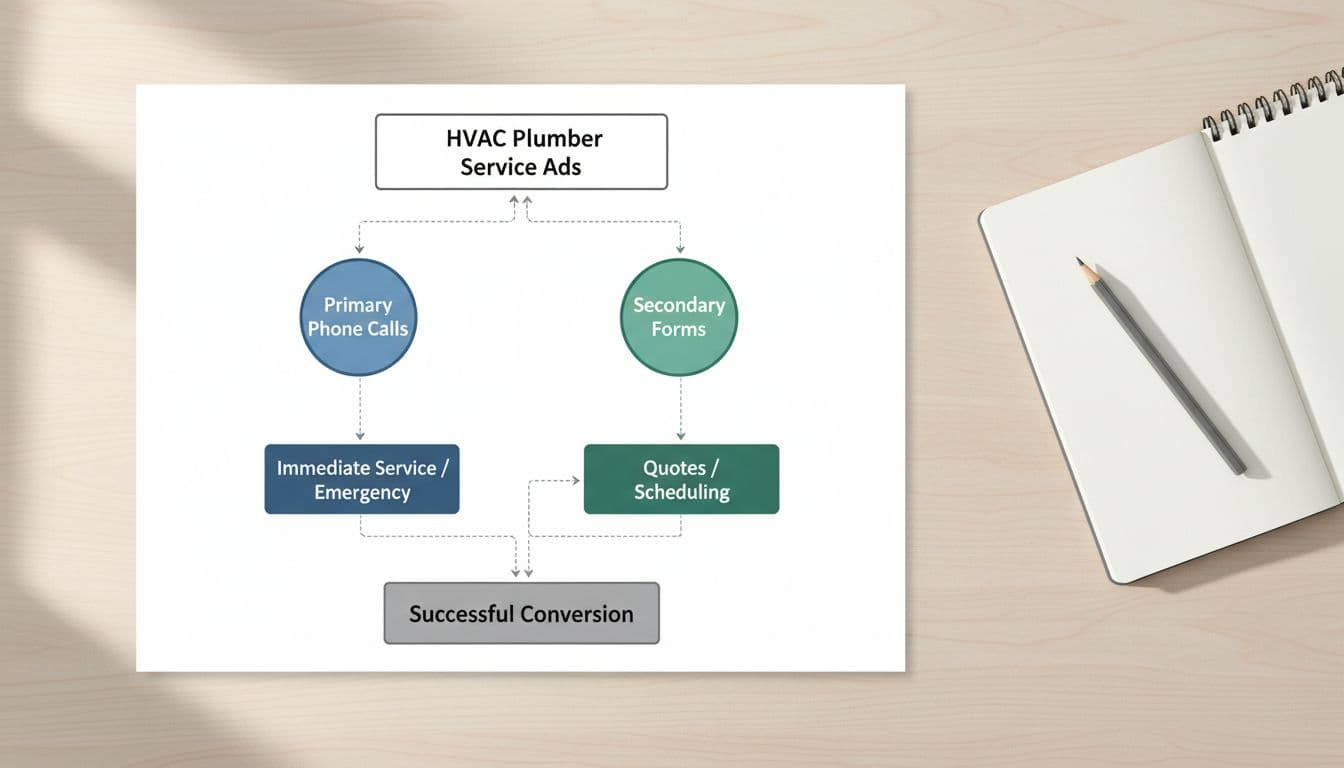
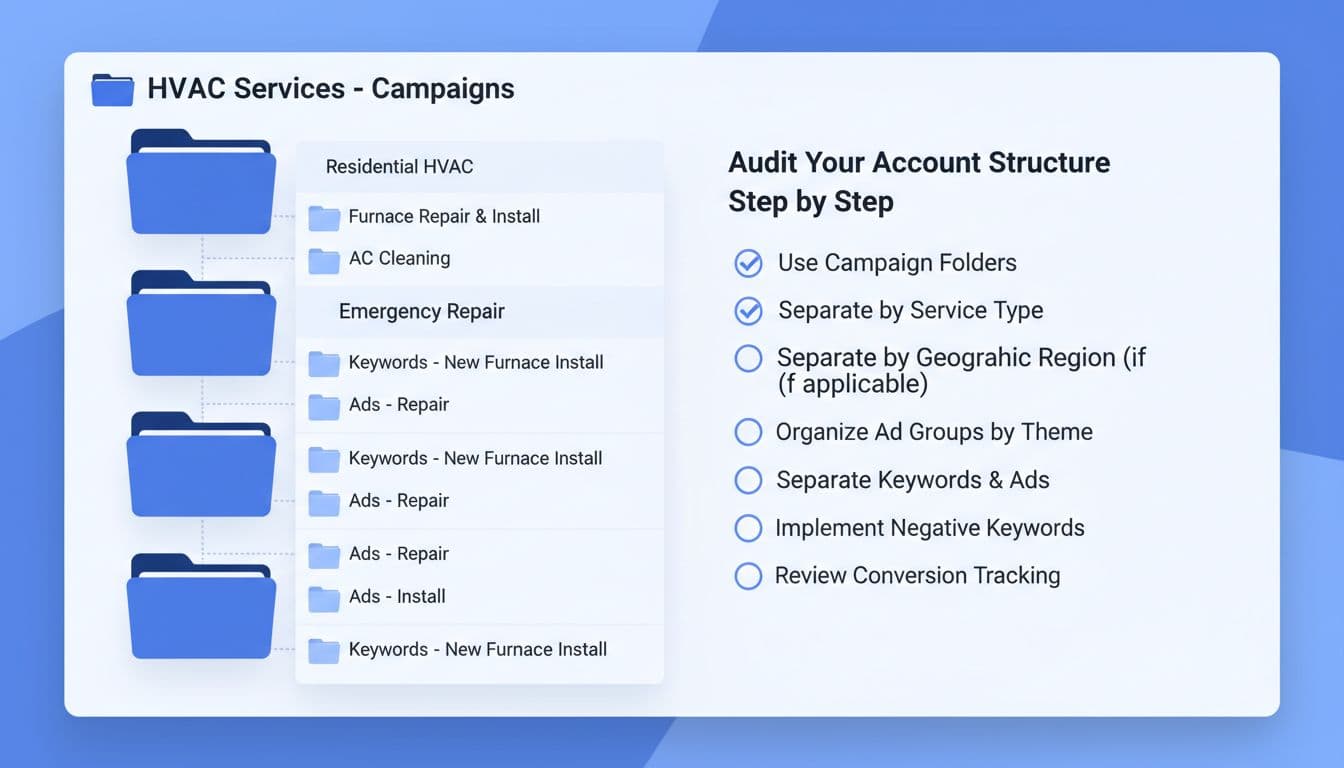
Keep competitor traffic in its own search campaign. Don't mix it with brand or general non-brand terms. That separation makes budgets, bids, and lead quality much easier to read. A solid foundation helps, and this guide on Google Ads campaign structure for qualified leads fits that approach well.

Start tight. Use exact match and carefully selected phrase match around competitor brand terms. Add local modifiers if you serve a clear area, such as “Dallas HVAC competitor name” or “family lawyer competitor name Chicago.”

A few settings matter more than most:

  • Limit geography to real service areas.
  • Run during hours when calls can be answered fast.
  • Send traffic to a focused landing page, not your homepage.
  • Use form and call tracking from day one.

In 2026, that last point matters even more because new call-only ads are gone, and existing ones stop serving in February 2027. Use Responsive Search Ads with call assets instead. You'll keep phone leads in play without building around a format that's on the way out.

If you want a practical look at how others structure this tactic, this walkthrough of competitor campaigns offers a good outside reference.

Ethical keyword and ad copy rules that matter in 2026

Close-up of a laptop screen displaying the Google Ads editor interface with a keyword list featuring ethically used competitor brands, surrounded by a coffee mug and notes in dim office lighting.

Bidding on competitor brand terms is often allowed. Using a competitor's trademark in ad copy is a different issue, and restrictions can apply. That's where many service advertisers get sloppy.

The safe approach is simple. Target the search, but don't pretend to be the competitor. Skip headlines that name the rival unless you have clear legal grounds and have checked the policy risk in your market. Also avoid vague claims like “best” or “cheapest” unless you can back them up.

Instead, write to the buyer's real concern. Try angles like faster response time, direct owner access, financing, emergency availability, stronger proof, or a more specialized service.

Bid on competitor searches if it helps the searcher. Don't make the ad look like the competitor's ad.

This is where testing pays off. A med spa may win with “Doctor-led consultations.” An HVAC company may win with “Same-day repair.” A law firm may win with “Speak to an attorney today.” Then sharpen those messages with a Google Ads copy testing framework.

Bidding, budgets, and AI control in 2026

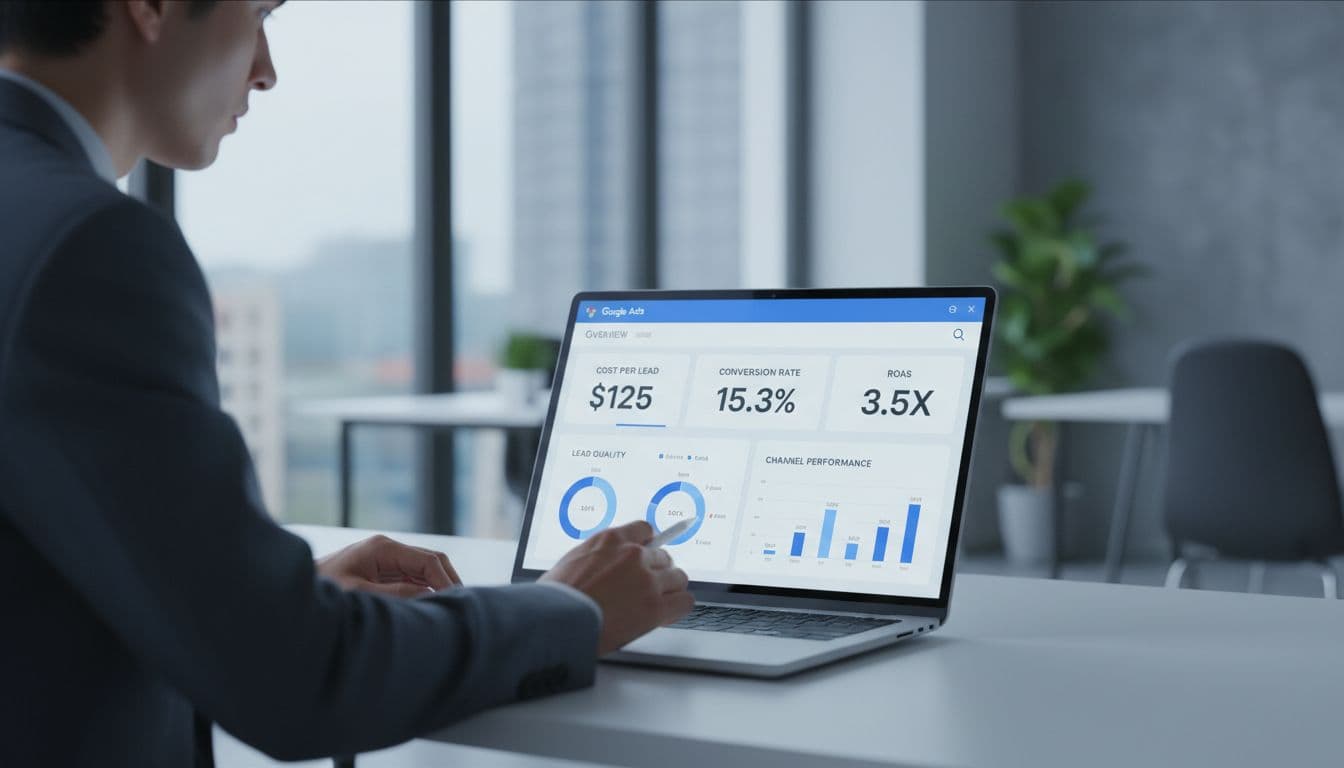
Dashboard charts displaying Google Ads metrics like CPA, ROAS, and impression share for service business campaigns targeting competitors, on a modern analytics tool screen in a conference room with natural light.

Google Ads keeps pushing more automation in 2026, and that can help if your conversion data is clean. It can also waste money if Google treats every form fill the same.

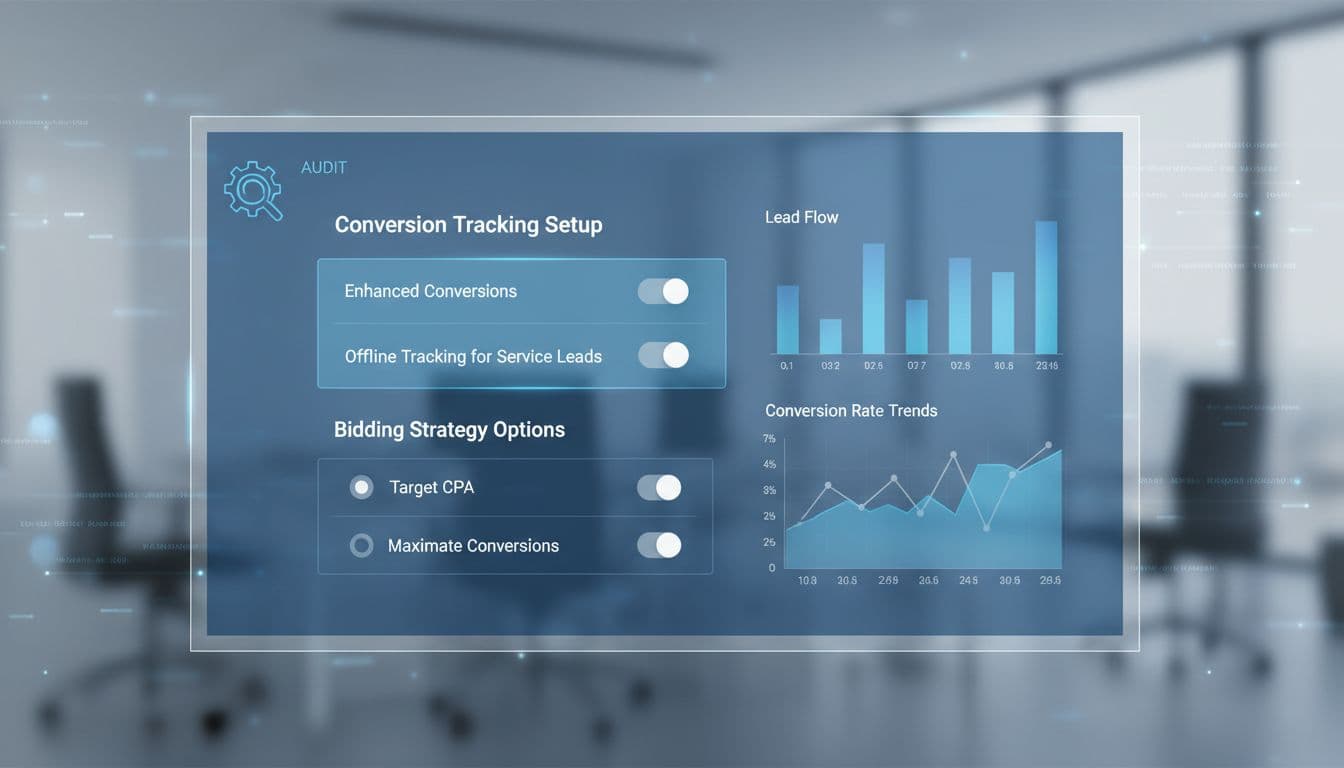
For most service businesses, competitor campaigns work best when you start with a modest budget and tight conversion tracking. Don't let smart bidding chase junk leads. Feed it qualified calls, booked consults, or sales-ready forms, not raw submissions.

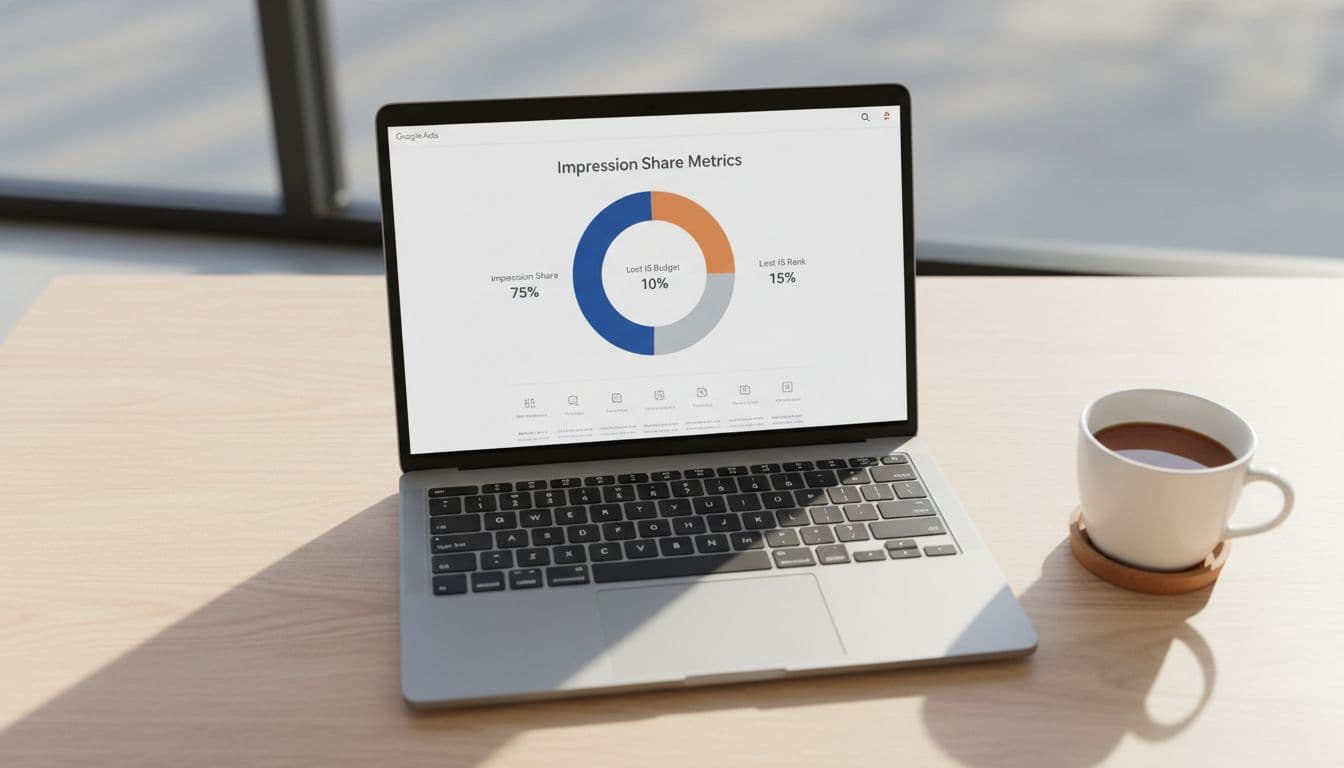
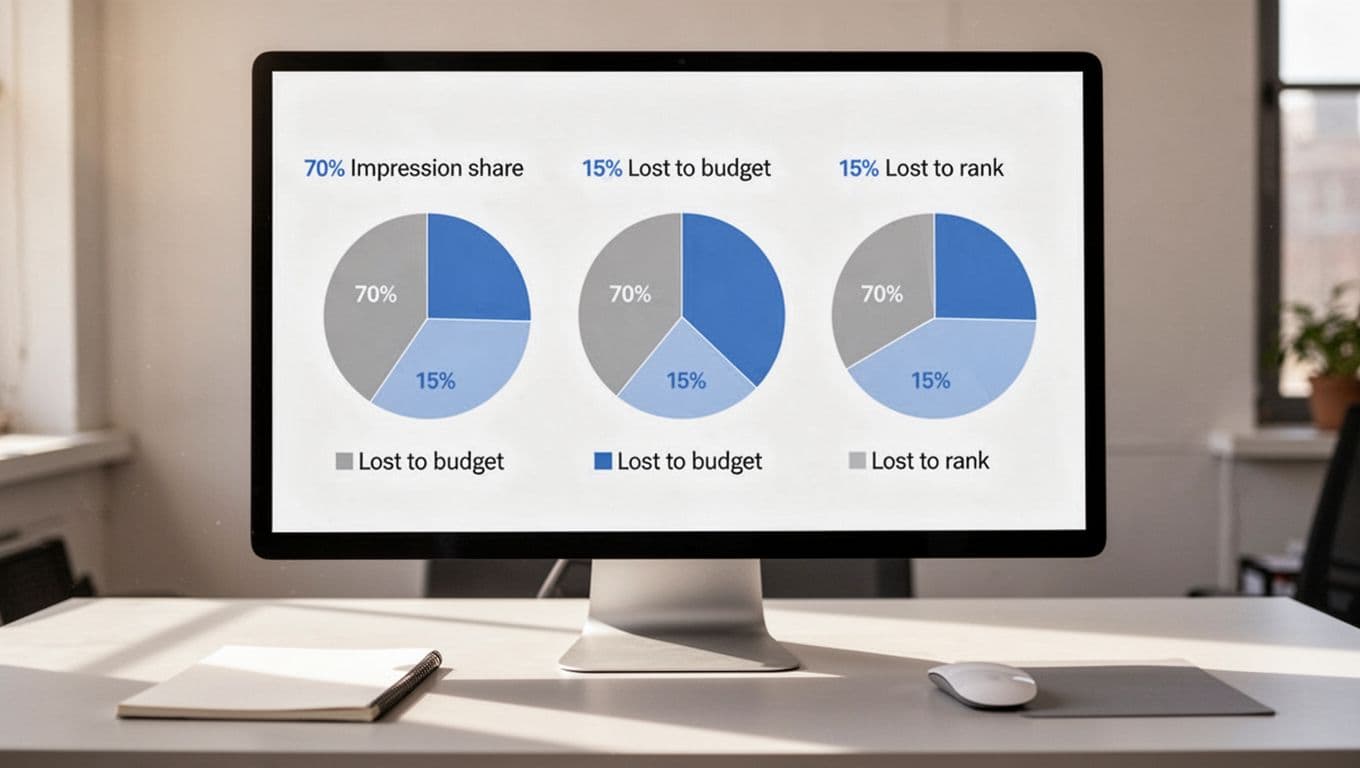
Separate budgets are important here. Competitor campaigns often have weaker click signals than branded search, so they shouldn't steal spend from your core lead engine. Watch impression share, search terms, and assisted conversions. Also use negative keywords aggressively, especially if AI-driven matching starts widening too far.
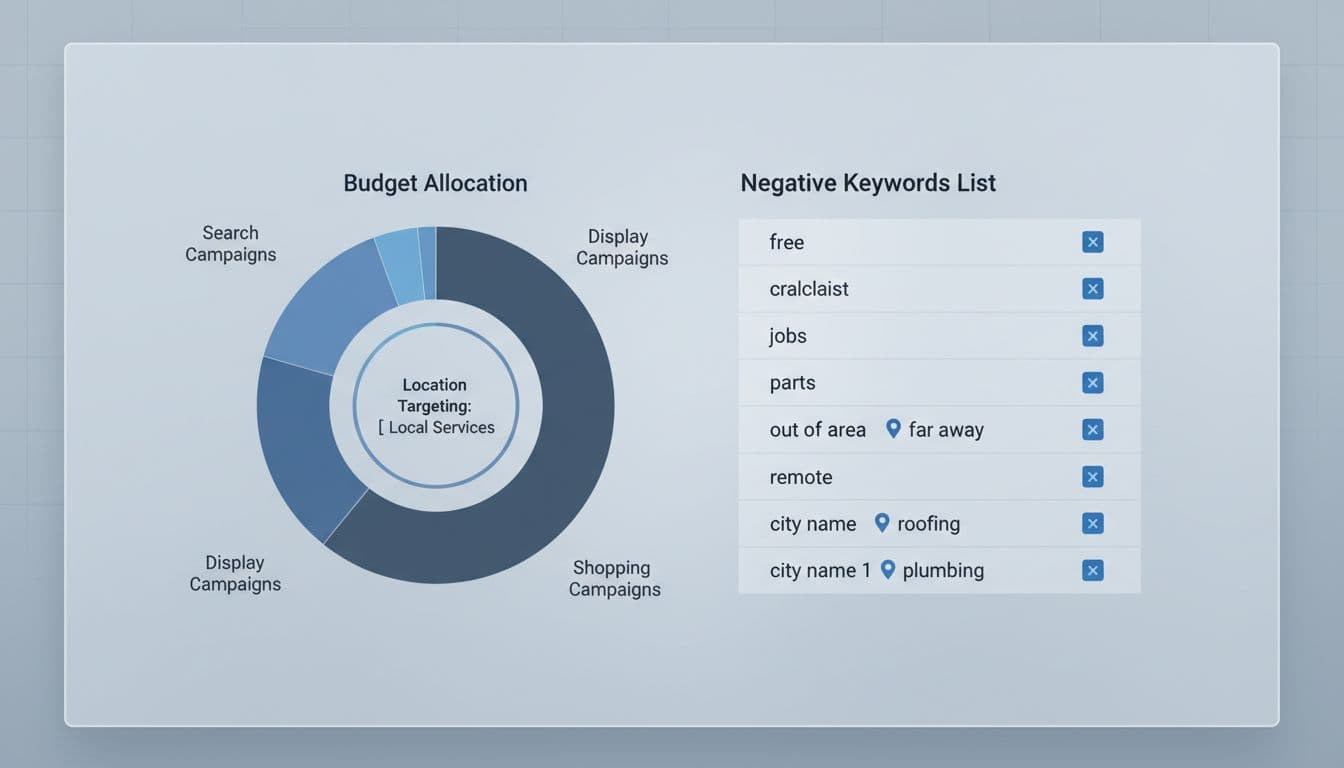
If you want a quick way to review live ads and auction patterns, this guide to Google Ads competitor analysis shows how marketers use Auction Insights and related research tools.

Track calls, forms, and closed revenue before you scale

A smiling HVAC service technician answers a phone call from a Google Ads lead in a cozy home setting with tools nearby and a happy customer in the background.

A competitor click is expensive, so your tracking can't stop at “lead received.” Tie calls to source. Score forms by quality. Import offline results when possible.

This is where service businesses often miss profit. A personal injury firm may get fewer leads from competitor terms, but signed cases may be worth far more. A plumber may see higher click costs, yet booked jobs still beat general search because the buyer was ready to switch. The same pattern shows up in B2B, where one qualified demo can pay for a month of testing.

After the campaign runs for a few weeks, review the actual queries. Trim weak terms, add negatives, and keep only the brands and variants that bring real sales conversations. This process gets easier when you use search terms mining for Google Ads.

The click is not the win. The closed deal is.

Competitor campaigns work best when you treat them like a precision tool, not a broad reach tactic. Keep the targeting tight, respect trademark boundaries, and feed Google better conversion data than your competitors do.

If your current campaign only reports clicks and form fills, fix that first. Once you can see which competitor searches turn into revenue, scaling gets a lot less risky.

Google Ads Remarketing Strategy for Service Businesses in 2026

Most service leads don't book on the first visit. They compare options, get distracted, or decide to wait until the problem feels urgent.

That's why google ads remarketing still matters in 2026. When you set it up well, it brings warm prospects back and turns missed clicks into calls, forms, and booked appointments. The key now is tighter audience building, cleaner tracking, and smarter follow-up.

Why Google Ads Remarketing Still Wins Service Leads

Remarketing works because service decisions often happen in stages. A homeowner may visit your plumbing page at night, then call the next morning. A person looking for dental implants or legal help may come back a week later after reading reviews and talking to family.

Clean modern illustration of a professional service business dashboard highlighting remarketing audiences for home services like plumbing, featuring retargeting funnel visualization, subtle Google Ads icons, and a business owner viewing charts in a bright office.

In other words, remarketing is a smart callback. It reminds people who already know your business. Because of that, the traffic is warmer and usually easier to convert than cold traffic. Still, it won't fix a weak account. Start with a solid Google Ads campaign structure for qualified leads before you scale remarketing spend.

For most service businesses, these are the formats worth using first:

FormatBest useMain lead goal
Standard DisplayBring back recent site visitorsForm fills and appointment bookings
RLSA for SearchIncrease bids when past visitors search againCalls and high-intent form leads
YouTube or Demand GenStay visible during longer decision cyclesBranded searches and return visits

RLSA often gives the fastest win. If a past roofing visitor later searches “roof repair near me,” that's a far better signal than a random first-time searcher. Meanwhile, Display and video help you stay visible between visits. Google keeps adding more AI-led placements in 2026, but for most local lead generation, Search remarketing still gives the cleanest path to real inquiries.

Build Smaller, Smarter Audiences With Privacy in Mind

Broad “all visitors” lists are usually too blunt now. Smaller audiences often work better because the message can match the visitor's intent.

Illustration of building remarketing lists on Google Ads interface for a dental clinic, showing privacy-compliant audience segments on a laptop screen in a modern workspace with funnel icons and soft lighting.

Start with first-party actions that show buying intent. Good service-business audiences include pricing-page visitors, service-page viewers, form starters who didn't submit, and callers who reached a useful call length but didn't book. Also separate short-window and long-window lists. An HVAC repair list may work best at 7 to 30 days. A cosmetic dentistry or family law list may need 60 to 90 days.

Privacy rules also shape performance now. If your consent banner, tagging, and audience rules don't line up, list sizes can drop fast and reporting gets fuzzy. It helps to review Google's personalized ads policy update and a plain-English Consent Mode v2 guide with your marketer or developer.

The best remarketing audience is often the smallest one, the people who almost booked.

Keep existing customers separate from new prospects unless the campaign is for maintenance plans, follow-ups, or upsells. Also, if your agency uses Demand Gen and API-heavy workflows, watch Google's upcoming changes to Lookalike user lists. Duplicate list habits will be harder to manage after April 30, 2026.

Create Ads That Push Warm Leads to Act

A warm visitor doesn't need another generic brand ad. They need a reason to return now.

A relaxed designer at a modern creative studio desk creates remarketing ads for HVAC services targeting past website visitors, featuring phone mockups with service offers in a clean professional illustration with warm lighting.

Match the ad to the page they viewed. Someone who visited drain cleaning should see fast response, local trust, and a clear booking step. A dental visitor who checked implant pricing should see financing, reviews, and a consult offer. A legal prospect who read your custody page should see direct help, not a broad “learn more” message.

Keep the creative simple. One service, one offer, one CTA. For service businesses, the strongest CTAs are usually “Call now,” “Book appointment,” or “Get a quote.” Use call assets and lead form assets where they fit, but send traffic to a page built for one action. Don't send remarketing clicks to your homepage.

Google's AI features can widen reach, and a strong Performance Max setup for service leads can support remarketing goals. Still, keep a separate Search remarketing campaign for past visitors who search again. That gives you tighter control over bids, copy, and lead quality. Also refresh proof points often. Reviews, emergency hours, insurance accepted, or financing options can lift response without changing the whole campaign.

Target Local Areas and Measure What Closes

Local service campaigns waste money when they follow everyone everywhere. A dentist with one office doesn't need statewide remarketing. A plumber shouldn't pay to re-engage visitors outside the service zone.

Map illustration of geo-fenced local service area targeting in Google Ads remarketing dashboard for a plumbing business, featuring cityscape background and professional analytics theme in daylight.

Trim geography to the places you can serve well. Then bid harder on high-intent audiences inside your best ZIP codes or city clusters. Run stronger during staffed phone hours. If your team can't answer calls after 8 p.m., don't let remarketing push hard then. Also keep negative keywords tight, because Search remarketing can still burn spend on weak queries.

The bigger issue is measurement. Judge remarketing by qualified calls, booked appointments, and good form submissions, not by click-through rate alone.

Analytics dashboard tracks remarketing performance metrics for legal service leads including calls and forms, with graphs showing optimization trends in a modern agency office; one relaxed analyst reviews the data.

Track calls over a useful length. Track thank-you pages. Import offline outcomes from your CRM, such as attended consults or sold jobs, so Google learns what a good lead looks like. This Google Analytics conversion tracking guide is a good refresher if your forms, call events, or booking pages aren't mapped cleanly yet. If you collect lead data across multiple states, review current US state privacy laws in 2026 before syncing everything across tools.

Google Ads remarketing works best when it acts like a smart follow-up, not a banner chase. Smaller audiences, tighter offers, and clean lead tracking beat broad reach every time.

If your campaign treats every past visitor the same, fix that first. Split audiences by intent, connect tracking to real outcomes, and measure booked appointments and qualified calls above everything else.

Google Ads Dayparting Strategy for Service Businesses in 2026

If your ads show after the phones go quiet, you're paying for attention you can't use. Google Ads dayparting fixes that by matching ad hours to real demand, staff coverage, and close rates.

For service businesses, timing shapes lead quality as much as keywords. A missed call at 9:30 p.m. can cost more than a pricey click. In March 2026, that matters even more, because Google now pushes harder to spend scheduled budgets inside the hours you allow.

Let's line your ad schedule up with how your team answers, books, and sells.

What Google Ads Dayparting Really Means

A clean desk in a small service business office with a wall calendar marked for 8am-6pm business hours, computer screen showing a vague schedule graph, soft daylight, and one person reviewing papers in the background.

Dayparting is ad scheduling. You choose the days and hours when a campaign can run. For local services, that choice changes who calls, when they call, and whether your team can respond.

A dental office may want tight business-hour coverage. A 24/7 plumber may keep nights live, but only if calls reach a real person. That gap is why schedules should follow operations, not guesswork.

Results improve when schedules sit inside a clean account structure. If emergency repairs and routine estimates live in the same campaign, timing gets messy fast. A stronger Google Ads campaign structure for leads lets you give each service its own hours, budget, and landing page.


Mobile intent matters, too. Many home service searches happen right when the problem appears. That phone-first behavior is one reason Google Ads works so well for home services.
Why Service Businesses Need Dayparting

Hourly clock face segmented to highlight peak business hours like 8am-5pm in green for high leads and evenings in red for low leads, in a simple infographic style on white background with realistic lighting.

A click at 8:15 a.m. often behaves nothing like one at 10:45 p.m. During staffed hours, people call, talk, and book. After hours, they may bounce, hit voicemail, or submit a form and forget you by morning.

Still, after-hours traffic isn't always bad. Some people research at night, especially for legal, dental, and high-ticket work. If your team calls back at 8 a.m., those form leads can close well. If follow-up slips until noon, they go cold.

This quick guide shows the pattern many local advertisers see:

Service typeBest first test windowWatch closely
Emergency plumbing or HVAC6 a.m. to 10 p.m.Late-night call answer rate
Roofing and remodeling7 a.m. to 7 p.m.Weekend research forms
Dental and legal8 a.m. to 6 p.m.Evening form quality
Electrical and handyman7 a.m. to 8 p.m.Lunch-break mobile calls

Start here, then check your own data. A solid day and time performance analysis will show where qualified leads cluster. Pair those hours with your Google Ads bid strategy guide so smart bidding doesn't push hardest into weak slots.

Step-by-Step Guide to Set Up Dayparting

A person sits at a desk in a modern office, using a laptop to adjust sliders on a vague dashboard interface for ad schedule settings, with one hand on the mouse and natural lighting. Realistic photo style, screen angled, no text, logos, or extra people visible.

Start with the last 60 to 90 days of search data. Segment by day of week and hour of day. Then split results by calls, forms, booked jobs, and closed revenue.

Follow this process:

  1. Map your service lines: Separate emergency, same-day, and estimate-based jobs. Each type behaves differently, so one schedule rarely fits all.
  2. Match ad hours to call coverage: Run call-heavy campaigns only when a person, or a good answering service, can respond.
  3. Keep form-first coverage longer: If evening forms turn into real jobs, keep those hours live, but send traffic to a short form page, not a call-first page.
  4. Set schedules at the campaign level: Apply different hours by service, location, or device behavior. Don't force one master schedule on everything.
  5. Review search terms by time: Bad late-night queries often appear in patterns. Use search terms mining for Google Ads before you widen or shrink hours.

A tighter schedule doesn't always mean a safer budget.

As of March 2026, Google aims to spend the full monthly budget of scheduled campaigns inside the hours you allow. So if you only run weekdays, you may need a lower daily budget to keep the same monthly spend.

Optimize Dayparting for Lead Quality

Split scene contrasting a plumber receiving a daytime phone call in a workshop with tools around, and a nighttime website form submission on a phone; realistic style with natural lighting differences, exactly two people, no interaction.

Lead quality lives where schedule and response time meet. A daytime call answered on the second ring is gold. The same click sent to voicemail is often worthless, even if Google counts it as a conversion.

Track calls and forms separately. Then go one step further and import offline outcomes from your CRM. That shows which hours produce booked consults, sold jobs, or high-value cases, not only cheap leads. Google's bidding learns more from sales than from noisy top-line leads.

A local example makes this clear. A roofing company may pause call-focused ads after 7 p.m. but keep form ads running until 10 p.m. Meanwhile, a 24/7 plumber might stay live overnight, because mobile searchers want help now and the phones are staffed.

Keep call assets and call-heavy landing pages tied to real answering hours. Outside those hours, reduce coverage or switch to form-first pages with fast morning follow-up. For deeper testing ideas, this advanced ad schedule bidding guide offers useful examples.

A 9 p.m. lead isn't bad. A 9 p.m. lead with no reply until tomorrow usually is.

2026 Dayparting Updates and Pro Tips

Modern analytics dashboard on a large screen in an empty conference room, displaying colorful hourly performance bars and line charts for ad metrics. Bright professional lighting, realistic photo with screen slightly angled, no text, people, logos, or distractions.

The biggest 2026 change is budget pacing. A campaign set to Monday through Friday can still try to hit a full 30.4-day monthly budget. Google won't run ads outside your schedule, but it can spend harder inside it, up to 2x your daily budget on a given day.

Watch hourly impression share and cost per lead for two weeks after any change.

Another common miss is using one schedule for every campaign. Brand, emergency, routine service, and remarketing traffic don't share the same rhythm. Nor do calls and forms. Split them.

There isn't a new AI dayparting button as of late March 2026. AI-driven placements and bidding still depend on the schedule and conversion data you feed them. Add negatives, because junk searches often rise after hours. A targeted negative keywords template for services helps trim that waste.

The best Google Ads dayparting schedule looks a lot like your front desk, dispatch board, and sales process. When those line up, lead quality rises and wasted clicks drop.

Start with staffed hours, test after-hours forms only where follow-up is fast, and judge every slot by booked revenue.

Then audit your last 90 days and cut one weak time block this week.

Google Ads Location Targeting for Local Service Businesses in 2026

Every wasted click from the wrong town feels like paying for a service call you'll never book. That's why Google Ads location targeting matters even more in 2026.

Google keeps adding automation, and that can widen reach fast. Still, local service businesses win by matching campaigns to real service areas, drive times, and job value. Start with the map, then build the campaign around it.

Why Precise Location Targeting Saves Your Ad Budget

Illustration of a city map highlighting targeted service areas for a local plumber business, featuring radius circles around key neighborhoods in a clean, professional style with blues and greens.

The best account map should look a lot like your dispatch board. If your team covers 12 ZIP codes well, don't target 40 because they're nearby.

Broad targeting often brings cheap clicks and weak leads. Many accounts still lose money through common location setting mistakes. A roofer who only works west of town shouldn't pay for east-side storm searches.

Your ads also work better when the landing page matches the area you target. That's one reason local SEO services for businesses often support paid traffic so well. The message stays consistent, and the lead feels like a fit from the first click.

Core Setup for Google Ads Location Targeting

Illustration of Google Ads dashboard screen showing location targeting setup with maps and radius sliders for a local service business campaign in a clean professional style.

For most service brands, simple beats fancy. Build campaigns around service zones, not whole states or oversized metro areas.

A strong starting setup looks like this:

  • Split areas by value: Keep high-margin suburbs separate from low-margin zones or dense city cores.
  • Keep lead-gen reach tight: Start with people in, or regularly in, your service area. Test interest-based reach in a separate campaign.
  • Add exclusions early: Remove cities, counties, or ZIP codes where drive time, permit limits, or low close rates hurt profit.

This structure makes reporting clearer, too. If the account itself needs cleanup, this guide to Google Ads campaign structure for qualified leads pairs well with a location reset.

Radius Targeting vs. City Targeting: Pick the Right One

Split view illustration comparing radius targeting circle on map versus city boundaries for local HVAC service, clean professional style.

Use this quick guide when you're choosing between radius and city targeting.

OptionBest fitWatch out for
RadiusOne hub, predictable drive timesCircles cross rivers, traffic, and weak neighborhoods
CityPeople search city names, legal borders matterMisses nearby areas outside city limits
BothMulti-city service businessesOverlap can hide poor-performing pockets

Radius targeting works best when crews leave from one base. City targeting works best when your ads and landing pages use city terms, for example, “HVAC repair in Naperville.”

Another practical take on how location targeting drives high-value local leads makes the same point. The map isn't the market. Travel time, local search habits, and job quality matter more than a neat circle.

Advanced Options: Geo-Fencing and Location Exclusions

Illustration of a geo-fencing polygon drawn around a service area on a city map, excluding certain zones for a pest control business in a clean professional style.

Most service businesses don't need true geo-fencing. In Google Ads, tight location targets plus smart exclusions usually do the heavy lifting.

That means cutting areas that look close on a map but don't work in real life. Think toll-heavy routes, licensing limits, mountain roads, hard-to-park downtown pockets, or neighborhoods where close rates stay poor. Those clicks can drain budget even when cost per click looks fine.

If a lead can't be booked at a profit, that location doesn't belong in the campaign.

Think like a dispatcher, not a tourist. If the crew hates the drive and the margin is thin, cut the area and move budget where jobs close faster.

2026 Updates You Need to Use Now

Clean professional dashboard icons showcasing 2026 Google Ads updates for locations of interest, Waze ads, and data exclusions in local targeting campaigns. Simple grid of five icons in a modern digital marketing style with polished business colors on a subtle background.

In March 2026, Google is pushing harder into AI-assisted reach. The biggest location change is Locations of Interest inside AI Max for Search. It helps you reach people searching for your area, even if they aren't there yet.

That can work for movers, attorneys, or contractors booking jobs before a customer arrives. Still, keep it in a separate test campaign so it doesn't muddy local lead quality.

Store-focused Performance Max campaigns can also place promoted locations on Waze in the U.S. That fits dentists, clinics, and showrooms better than in-home-only service brands. Google has also expanded data exclusions in PMax, which gives advertisers more control over audience overlap by location. For a wider view, see these Google Ads tips for 2026.

Track and Optimize for Better Leads

Analytics dashboard illustration showing Google Ads local campaign metrics with graphs of leads and spend by location for a dentist service area, in a clean professional style with charts and map overlay.

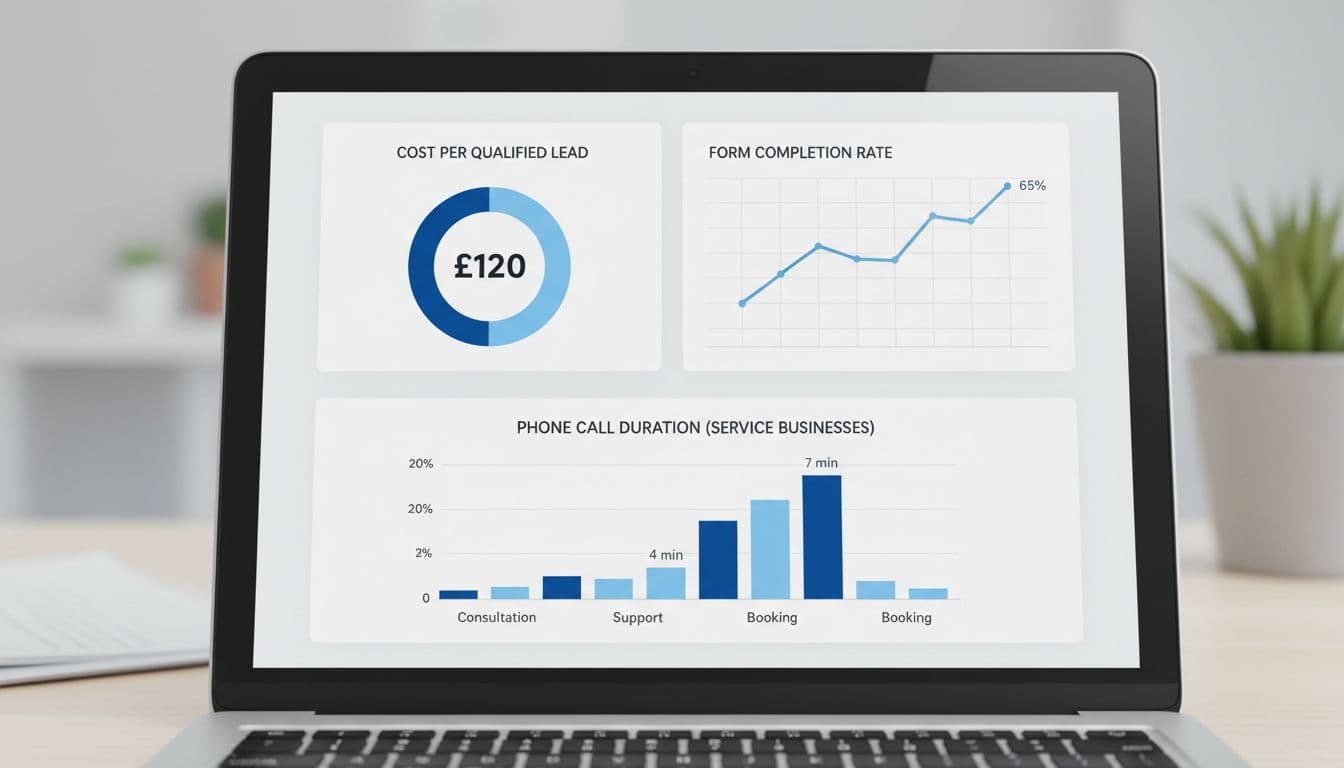
Click-through rate won't tell you whether a ZIP code deserves budget. Track calls answered, booked jobs, cost per qualified lead, and close rate by location.

Review these every week:

  • Search terms by area: Use search terms mining for Google Ads to spot strong city and neighborhood intent.
  • Lead quality by location: Compare spam, price shoppers, and booked jobs.
  • Spend versus travel cost: Pause areas that look good in-platform but hurt margin in real life.

In 2026, the best optimization often comes from removing areas, not adding them. Good accounts grow because the map gets smarter over time.

Good Google Ads location targeting isn't about reaching more map pins. It's about matching spend to the places where your team can win fast and profitably.

Tighten the map, review location data every week, and let lead quality decide where the next dollar goes. Great local PPC starts with an honest service area.

Google Ads Ad Assets Strategy for Better Service Leads in 2026

A strong ad can still waste money if the wrong asset shows beside it. In 2026, Google Ads ad assets do more than fill space, they shape trust, clicks, calls, and lead quality.

For service businesses, that matters fast. A homeowner with a broken AC, a patient comparing dentists, or a legal prospect looking for help will judge your offer in seconds. The right asset mix helps them choose you, and helps unqualified clicks filter themselves out.

Why Google Ads ad assets matter more in 2026

Service ads now win or lose on clarity. Your headline starts the conversation, but assets often close the gap between interest and action. They give people extra paths to click, stronger reasons to trust, and quick proof that you serve their area.

A smiling business owner holds a mobile phone in a bright office, displaying a responsive Google Ads search ad for a local plumbing service with ad assets like sitelinks, 24/7 callouts, prominent phone number, location pin, and plumber images, surrounded by rising call icons and lead forms.

Google also gives assets real weight in ad visibility. As explained in this complete guide to all asset types, assets can influence Ad Rank, not only click-through rate. That means a weak setup can hurt reach before the lead even happens.

There's another 2026 shift. Call-only ads ended in February, so call response now sits inside broader Responsive Search Ad setups. For service brands, that pushes asset strategy closer to account structure. If your campaigns are messy, your assets usually are too. A clean Google Ads campaign structure for qualified leads makes better asset matching possible.

Choose assets that match local search intent

Not every search needs the same next step. A search like “emergency plumber near me” calls for speed. A search like “best cosmetic dentist in Kolkata” needs more proof and more context. Good asset strategy works like a receptionist, it routes people to the right door.

A service business owner sits at a desk in a modern home office, focused on selecting Google Ads assets in the dashboard interface on their laptop screen, targeting local intent keywords like 'plumbing repair near me'. The photorealistic scene features soft window lighting, a service van model, phone nearby, and hands relaxed on the keyboard.

This quick framework keeps asset choices practical:

Search intentBest assetsWhy it works
Urgent repairCall, location, sitelinksShortens time to contact
Research phaseSitelinks, callouts, imagesBuilds confidence before contact
Multi-location searchLocation, sitelinks, snippetsHelps the nearest branch win
Seasonal demandPromotions, sitelinks, calloutsGives a timely reason to act

Use account-level assets only for messages that apply everywhere. Otherwise, go tighter. A law firm with family law and injury campaigns should not share the same sitelinks. A dental group with three clinics should attach location assets carefully, so the nearest office shows.

Build trust with sitelinks, callouts, and structured snippets

These are your trust-building workhorses. Sitelinks move people to the pages they already want, such as AC repair, financing, reviews, or service areas. Callouts add short proof points, like “licensed and insured” or “same-day appointments.” Structured snippets list categories, such as services, brands, or amenities.

Close-up illustrative view of a Google Ads responsive search ad on desktop for HVAC services, featuring sitelinks, callouts, and structured snippets to build trust.

For an HVAC company, four smart sitelinks might be “AC Repair,” “Heating Installation,” “Financing Options,” and “Service Areas.” For a dentist, callouts might highlight “Weekend Hours,” “Sedation Options,” and “Insurance Help.” For a lawyer, structured snippets can list “Practice Areas: Divorce, Custody, Mediation.”

If a callout sounds like a slogan, rewrite it.

Keep these assets concrete. “Trusted experts” says little. “Background-checked techs” says much more. If you want a broader reference point, this breakdown of Google Ads assets explained is useful. Still, service advertisers should write for anxious local buyers, not for generic traffic.

Add visual punch with image, location, and promotion assets

Image assets help when the service is hard to picture before the click. Real office photos, technicians at work, vans, treatment rooms, and before-and-after context often beat polished stock shots. People trust what looks familiar and nearby.

Tablet held loosely by two hands in a cozy dentist office waiting room displays Google Ads with smiling patients, location map pin on clinic, and 20% off first visit promotion. Realistic landscape photography style with warm ambient lighting, no text, logos, or people visible besides hands.

Location assets do heavy lifting for local intent. They tell Google, and the searcher, that you're close enough to matter. That's especially useful for clinics, home services, and multi-branch firms. Meanwhile, promotion assets work best when the offer is simple and believable, like a furnace tune-up special or discounted first exam.

In 2026, Google's Asset Studio tools can speed image and video production. That's helpful, but review every asset like a cautious owner. Wrong uniforms, fake tools, or odd interiors can hurt trust fast. If you also run Performance Max campaigns for service leads, image quality matters even more because those assets travel across placements.

Capture leads fast with call assets and lead forms

For high-intent searches, the shortest path usually wins. That's why call assets remain essential for plumbers, locksmiths, roofers, urgent care clinics, and other fast-response services. Since call-only ads are gone, attach call assets to your main search ads and set schedules around real answer times.

A plumber in a workshop setting with tools checks his phone notification for an instant lead from Google Ads, displaying lead form submission success and incoming call asset; photorealistic with dynamic lighting.

Lead form assets help when people can't call right away. Keep the form short. Name, phone, ZIP code, service type, and preferred time are often enough. Every extra field lowers completion rate.

The bigger point is lead quality. Track call duration, booked jobs, and sales outcomes, not only form fills. When you feed CRM results back into Google Ads, bidding gets smarter. That's where your Google Ads bid strategy for service businesses starts aligning with revenue, not vanity conversions.

Test, measure, and refine your ad assets

Assets are not “set and forget.” Service markets change by season, by location, and by urgency. A sitelink that works in winter may drag in summer. A promotion that lifts clicks might still send poor leads.

A marketing specialist reviews Google Ads asset performance charts on a computer dashboard, displaying CTR and conversion lift metrics, in a contemporary office with coffee mug, realistic digital art style with cool blue lighting.

Review asset performance monthly. Check which sitelinks assist conversions, which callouts show often, and which image assets pull cheap but weak traffic. In 2026, reporting has improved, especially across automated campaign types, so you can see more of what each asset contributes.

Use three simple rules. Refresh stale assets, remove vague ones, and promote the assets tied to qualified leads. For a wider view, these 2026 Google Ads best practices offer a useful benchmark. Still, your own booked jobs, calls, and close rates should make the final call.

The best Google Ads ad assets strategy is simple at heart. Match each asset to buyer intent, local proof, and the next action you want.

Start with one live campaign this week. Cut the generic assets, tighten the trust signals, and make it easier for the right prospect to contact you. That's where better lead quality usually begins.

Google Ads Match Type Strategy for Service Businesses in 2026

Loose targeting can fill your pipeline with junk fast. In 2026, strong Google Ads accounts win by getting better leads, not more clicks.

That changes how you use google ads match types. Automation is stronger now, but control still matters. If your setup is sloppy, Google can scale waste right along with opportunity.

What Google Ads Match Types Mean for Service Leads

Clean modern illustration of Google Ads match types icons (broad, phrase, exact) arranged in a strategy flowchart on a central laptop dashboard for service business leads, featuring blue, white, and orange accents in polished SaaS style.

For service businesses, match types are less about textbook definitions and more about lead intent. Google now reads meaning, context, and past conversion data, so even exact match is not as narrow as it once was.

Still, the basics matter. Broad match finds related searches. Phrase match keeps you closer to a service theme. Exact match protects your best terms. Inside a clean Google Ads campaign structure for qualified leads, each one has a job.

Here's the simple view:

Match typeBest useMain risk
BroadFind new search demandWeak lead fit
PhraseKeep service intent tighterLower reach
ExactProtect high-value termsSlower scale

For a plumber, broad match on plumber might catch “burst pipe help tonight.” That can be great. It can also catch research traffic you never wanted.

How Automation Changes Match Type Choices in 2026

Clean modern illustration of Google Ads automation gears integrating with match type controls like smart bidding and audience signals, displayed on a single computer screen bidding dashboard in a simple desk setup.

Google now blends match types with Smart Bidding, audience signals, device data, time of day, and location. That means the match type alone no longer decides where you show.

Broad match often performs best when paired with strong bidding and real conversion data. Phrase and exact still help, but they are no longer the whole steering wheel. If you're tuning both together, this guide on Google Ads bid strategy for service businesses fits right into the process.

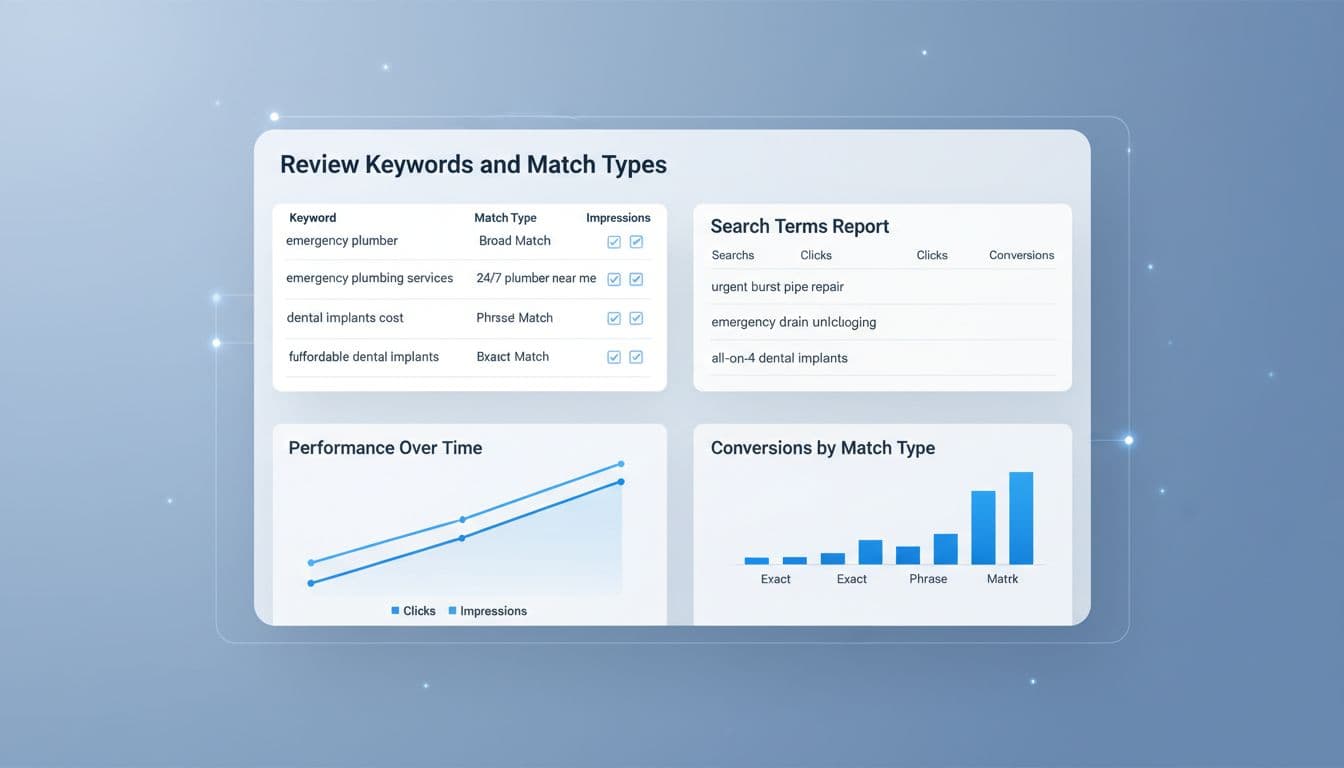
AI Max pushes this even further by expanding beyond your typed keywords. That makes search term review more important, not less. For added context, this overview of match types, negative keywords, and search terms shows how loose matching now works.

Broad match without clean conversion tracking is like hiring a receptionist who books every caller, even the wrong ones.

Phrase and Exact Match for High-Intent Calls and Forms

Clean modern SaaS-style illustration depicting phrase and exact match keywords for plumber service queries on a search results page, featuring lead quality icons like phone calls and forms in blue, white, and orange colors.

Phrase and exact match still shine when the search tells you the buyer is close. Think [emergency plumber], “AC repair near me,” [DUI lawyer], or “botox appointment near me.”

These terms usually deserve their own ads and landing pages. A roofer bidding on storm damage terms should not send traffic to a generic home page. A med spa pushing lip filler consults should not mix that traffic with broad skin care queries.

Use phrase and exact for terms tied to strong close rates, high job value, or urgent intent. Then watch search terms weekly. If “cheap,” “DIY,” “training,” or “salary” keeps showing up, block them fast.

Using Broad Match Smartly for Growth

Clean modern illustration of a flowchart depicting broad match keywords refined by negative keywords and smart bidding for HVAC business ads, with search terms funneling to quality leads using blue, white, and orange accents.

Broad match is not reckless by default. It becomes reckless when you pair it with weak data, loose geos, and no negatives.

An HVAC company can use broad match on furnace repair if the campaign has strong call tracking, booked-job imports, tight service areas, and a solid negative list. In that case, Google may find searches like “heater blowing cold air” that never sat in your keyword list.

On the other hand, a new electrician account with thin data should start tighter. Build trust first. Then test broad match in a controlled ad group, not across the whole account. If you also run cross-network automation, this guide to Performance Max strategies for service businesses helps keep lead quality in view.

Real Examples From Home Services, Legal, and Med Spas

Clean modern illustration of service business examples featuring a plumber truck and roofer tools next to a Google Ads dashboard with match types, local map targeting, and conversion tracking icons in blue, white, and orange SaaS style.

A plumber might keep exact match on [emergency plumber] and [water leak repair], phrase match on “drain cleaning,” and broad match on sewer repair. Negatives would cut out DIY, parts, school, and jobs.

For an HVAC brand, “AC repair near me” may stay in phrase and exact, while broad match tests around cooling problems. Search term reports often surface winning language faster than brainstorming does.

Law firms need more caution because bad leads cost more. A personal injury firm may use exact and phrase heavily until offline case data feeds back into bidding.

Med spas sit in the middle. Broad match can work for treatments with clear buyer intent, but only if the landing page matches the promise and the form screens out poor-fit inquiries.

Build the Full Stack Around Match Types

Clean modern illustration of layered Google Ads strategy featuring match types, negatives, landing pages, location pins, and analytics charts for med spa leads. Integrated graphic elements in blue, white, and orange with SaaS dashboard vibe, soft lighting, no text, one chart prop, no humans.

Match types never work alone. They depend on the rest of the system.

Start with tight location targeting. A roofer serving three counties should not target the whole state. Next, match each keyword theme to a landing page that answers the search clearly. Then feed back real outcomes, not only form fills. Booked estimates, qualified calls, and signed jobs teach Google what a good lead looks like.

Search term analysis still matters, even with partial visibility. Keep trimming negatives, split out strong queries, and pause terms that bring chatter instead of customers. If you want a broader view of current changes, this short read on Google Ads match types in 2026 offers a useful outside perspective.

The strongest strategy in 2026 is simple: use match types to guide intent, then let conversion data decide how much freedom Google gets.

If your tracking is solid, broad match can uncover demand you would have missed. If your tracking is weak, tighter phrase and exact match will protect your budget until the account matures.

Audit your search terms, negatives, landing pages, and lead tracking this week. That one review often tells you whether your next dollar buys growth or waste.

A Practical Google Ads Copy Testing Framework for Service Businesses in 2026

Two service companies can buy the same click and get very different leads. That's why Google Ads copy testing matters more in 2026. AI now mixes assets fast, so weak messaging burns budget sooner.

The goal isn't prettier ads. It's more qualified calls, better estimates, and more closed jobs. This framework shows what to test, how to run clean experiments, and how to judge winners like an owner, not just a media buyer.

Why Test Ad Copy in Google Ads

A professional marketer sits at a desk in a modern office, intently reviewing Google Ads performance data on a laptop screen, focusing on ad copy metrics like CTR and conversions with visible charts.

In 2026, Google gives you more ways to test, from Search Experiments to early Performance Max asset-set A/B tests. Still, automation doesn't fix bland copy. It only exposes it faster.

For service businesses, a few words can change lead quality. “Free estimate” attracts one click. “Emergency plumber in Dallas” attracts another. “Commercial only” filters out the wrong jobs.

Think of your ad as the first line of your front-desk script. Kaomi's guide to ad copy testing makes the same point: change one variable at a time. Also, keep campaigns clean with a solid Google Ads campaign structure for qualified leads.

Your Step-by-Step Testing Framework

Realistic photo of a whiteboard featuring a clean, modern infographic flowchart illustrating the Google Ads ad copy testing process with simple icons for plan, create variants, launch, analyze, and scale winner steps in a bright room.

Here is a simple framework that works for most local service accounts.

  1. Pick one goal: higher CTR, lower CPL, or better lead quality. Choose one main win condition.
  2. Write one hypothesis: for example, “Adding ‘licensed and insured' will improve conversion rate.”
  3. Control the variable: test one angle at a time. In responsive search ads, pin the assets you want to compare.
  4. Split traffic cleanly: use Experiments in Search. In Performance Max, use asset-set tests if volume allows.
  5. Wait long enough: most service accounts need 2 to 4 weeks. If possible, get around 50 conversions per version.
  6. Log the lesson: record dates, audience, landing page, and the result.

Test one promise at a time, or you won't know what caused the lift.

Low-volume accounts can use CTR as an early clue. Still, final decisions need conversion and sales data. Your bidding model shapes results too, so align tests with your Google Ads bid strategy for services and keep the process as clean as CausalFunnel's 2026 playbook recommends.

Key Ad Elements to Test

Split screen on a computer monitor compares headline-focused ad (left) and description-focused ad (right) for plumbing service, viewed at an angle with blurred screens in a modern desk setup and natural light.

The best tests compare one message angle against another, not random rewrites.

  • Headlines: problem-led versus benefit-led. Example, “No Hot Water Today?” against “Same-Day Water Heater Repair.”
  • Descriptions: test reassurance and next step. “Book online in minutes” versus “Call now, licensed tech dispatched today.”
  • Offers: compare free estimate, fixed-fee inspection, financing, or same-day appointment.
  • Trust signals: try “licensed and insured”, review count, years in business, or warranty language.
  • Urgency: use real timing, like “24/7 response” or “appointments this week.”
  • Location modifiers: add city, suburb, or neighborhood names that match the search and landing page.
  • Qualification messaging: phrases like “commercial HVAC only” or “minimum project $2,000” can cut junk leads.

If you want more copy ideas, SmartSites' guide to writing better Google ad copy is a useful reference. If you're testing across channels, keep the same angle inside a tight Performance Max setup for service leads.

Metrics That Define Winners

Dashboard screenshot mockup on tablet displaying Google Ads metrics like CTR, conversion rate, and cost per lead graphs for service business such as plumbing leads, with screen at slight angle, blurred details, hand resting nearby on office table under realistic lighting.

Use this scorecard when you review a test.

MetricWhat it really tells you
CTRDoes the message stand out and match intent?
Conversion rateDid the click turn into a call or form?
Cost per leadAre you buying leads efficiently?
Lead qualityDo leads fit area, budget, and job type?
Downstream sales impactDid those leads book and close?

The first three metrics arrive fast. The last two protect profit. Feed call outcomes or CRM stages back into Google when you can. Then compare “qualified lead”, “estimate booked”, and “job won” by ad version.

Don't pick winners on CTR alone. PPC Growth Studio's 2026 testing guide also warns against that shortcut.

Real Examples and Pitfalls to Avoid

Photorealistic before and after ad copy examples for HVAC repair service on two tilted phone screens in a cozy workspace with coffee mug and notes nearby, showing improved versions with higher engagement.

Here is a quick HVAC example.

Control: “Affordable HVAC Repair. Call Now.”
Variant: “No AC Tonight? Same-Day HVAC Repair in Phoenix, Licensed Techs, Financing Available.”

The second ad adds pain, place, trust, and a stronger offer. It may get fewer clicks, yet better calls.

A roofer can do the same with qualification. Test “Free Roof Inspection” against “Insurance Claim Roof Inspection.” CTR may fall. Lead quality may rise.

Common mistakes stay the same. Teams change too many things at once. They test on tiny budgets. They change the landing page mid-test. Or they stop after three days.

A quick wrap-up

Good Google Ads copy testing is simple. Test one idea, keep traffic clean, wait for enough data, and judge results by revenue, not vanity. If an ad filters better leads, keep it, even when CTR slips.

Google Ads Search Terms Mining Workflow for Service Businesses in 2026

If your Google Ads account gets clicks but too many weak leads, the problem often sits in one place, your search terms report. Search terms mining is how service businesses find what people actually typed, cut junk traffic, and turn strong queries into profitable growth.

In 2026, this matters more because searches are longer, voice-led, and matched by intent, not just exact wording. That means good campaign management feels less like guesswork and more like sorting gold from gravel.

Why search terms mining matters more in 2026

Clean modern vector illustration of a service business owner at a modern office desk reviewing a Google Ads search terms report on a laptop screen, showing query lists and metrics with charts in professional SaaS style.

A few years ago, you could watch short keyword phrases and react fast. Now, service businesses see longer, messier searches. Someone may type, “who fixes leaking water heater near me today.” Google often matches on meaning, not just words.

That helps reach new demand. It also opens the door to bad matches.

For local lead generation, one irrelevant theme can drain budget fast. Think “free advice,” “jobs,” “salary,” “DIY,” or “training.” Those clicks look real in the platform, but they rarely book revenue.

Good search terms mining fixes three things at once:

  • Wasted spend: You block low-intent traffic before it grows.
  • Lead quality: You push budget toward searches with service intent.
  • Campaign learning: You feed Google better signals over time.

If your structure is loose, mining gets harder. That's why a clean setup still matters, even in automated accounts. Both WordStream's account structure guide and this practical piece on what actually works in Google Ads in 2026 point to the same truth: intent, data quality, and account design now matter more than giant keyword lists.

Build campaigns that make mining easier

Illustration of a structured Google Ads campaign setup workflow for service businesses, displaying account structure with SKAGs, single keyword groups, and Performance Max considerations in a flowchart style on a digital dashboard.

Search terms mining starts before the first click. If campaigns mix services, locations, and funnel stages, the report becomes a junk drawer.

For service businesses, separate campaigns by service line, location intent, and brand vs non-brand. Within each, keep ad groups tight enough that you can spot patterns fast. This guide on Google Ads campaign structure for qualified leads is a strong model.

A simple mining-friendly setup looks like this:

  • Emergency service
  • High-value core service
  • Long-tail problem searches
  • Brand protection
  • Competitor, if allowed and profitable

Then treat broad match carefully. Broad can work well in 2026, but only when paired with strong conversion data, clear landing pages, and steady review. For automated campaigns, keep Search and Performance Max campaign setup for services distinct in your reporting, so you know where query quality slips.

Bad structure hides waste. Clean structure makes waste obvious.

A weekly SOP for pulling and tagging search terms

Modern illustrative workflow of pulling search term reports from Google Ads dashboard and exporting to spreadsheet with columns for queries, impressions, and conversions, in a clean SaaS style on a laptop screen in a workspace.

Run this workflow every week. In faster-spending accounts, do it twice.

  1. Pull the report for the last 7 to 14 days, split by campaign and conversions.
  2. Add lead-quality columns in a sheet, such as booked job, qualified call, spam, job seeker, and wrong location.
  3. Tag each query as one of four types: high intent, research, irrelevant, or risky.
  4. Sort by spend first, then clicks, then conversions. Waste usually hides in spend, not volume.
  5. Check landing page fit. A good query can still fail if the page misses the need.
  6. Promote or block. Add winners as exact or phrase keywords. Add losers as negatives.
  7. Log themes, not just single queries. “repair cost,” “DIY,” and “jobs” are patterns.

For example, a plumbing company shouldn't only look at CPL. It should ask, “Did this query create a real service call?” That's why offline feedback matters. If you use Smart Bidding, pair this review with the right Google Ads bid strategy for service businesses, or Google may learn from weak leads.

Turn good terms into keywords, bad terms into negatives

Infographic diagram showing keyword harvesting workflow: good search terms like 'emergency plumber near me' sorted to exact match keywords, bad terms like 'plumber jobs' marked as negatives, in abstract digital flow with branching paths.

This is where search terms mining pays off. Don't promote every query that converted once. Promote the ones that match your service, location, and sales process.

Here's a fast decision table:

Search termActionWhy
emergency plumber near meAdd as exactStrong service intent
same day drain cleaning costAdd as phraseGood problem + urgency
plumber jobsAdd negativeJob seeker, not buyer
how to fix clogged sinkAdd negative or watchDIY intent
plumbing school near meAdd negativeTraining intent
best plumber reviews in dallasKeep, test landing pageLocal comparison intent

Use shared negative lists for repeat junk themes, like jobs, salary, course, training, DIY, free, parts, wholesale, and map-only locations you don't serve.

Still, don't go wild with negatives in large-volume accounts. Some high-scale campaigns now perform better with fewer blockers because Google's automation needs room to learn. Smaller service accounts usually need tighter control.

A good rule is simple: block clear junk, watch mixed-intent terms, and promote proven buyer language.

Automate the workflow without losing lead quality

Sleek vector graphic diagram of an automation workflow for ongoing search terms mining in Google Ads 2026, featuring scripts, rules, AI insights, new term alerts, and lead quality scoring integration for service businesses.

Automation helps, but it won't save a bad process. In 2026, the best setup blends machine help with human review.

Use alerts for sudden spend spikes, new query themes, and drop-offs in qualified lead rate. Push CRM outcomes back into Google Ads when you can. A booked estimate means more than a form fill. A sales-qualified lead means more than a 20-second call.

Keep this checklist short:

  • Review new query themes weekly
  • Audit auto-created assets monthly
  • Compare qualified leads by campaign type
  • Watch search terms after landing page edits
  • Refresh negatives by theme, not one by one

If you want a deeper process for ongoing review, this search term report optimization guide is useful.

The best accounts don't try to control every match. They build a repeatable filter, then teach Google what a good lead looks like.

Search terms mining is that filter. Do it every week, and your account gets cleaner, cheaper, and smarter. Skip it, and you'll keep paying for people who were never going to call.

Choosing the Right Google Ads Bid Strategy for Service Businesses in 2026

Picking bids in Google Ads used to feel like turning a faucet by hand. In 2026, it's closer to setting the pressure on a smart system that keeps adjusting behind the wall. For service businesses, your Google Ads bid strategy now shapes lead volume, lead quality, and how fast budget burns.

Google automates more than it did a year ago, but profit still depends on your setup. The right choice comes down to tracking quality, conversion volume, and whether all leads are worth about the same. That's why plumbers, dentists, roofers, med spas, and law firms shouldn't all bid the same way.

Why Bid Strategy Matters More in 2026

A confident local plumber in work uniform stands in front of a van with tools, checking a tablet displaying ad performance graphs, set in a modern suburban neighborhood with natural daylight lighting.

In 2026, automated bidding is the default for most Google Ads accounts. Google now adjusts bids using signals like device, location, time, and search behavior in real time. Because of that, the bid setting you choose changes who sees your ad, not only what you pay.

That matters even more for service businesses because every lead doesn't carry the same value. A quick plumbing repair call may bring in a few hundred dollars. A roofing replacement or implant consult can be worth much more. When bidding lines up with real business value, the system pushes harder for the right searches.

Smart bidding can amplify good tracking, but it can't repair bad tracking.

So, control hasn't vanished. It moved upstream. Your job is to set clean conversion actions, solid lead values, and realistic targets.

Core Google Ads Bid Strategies Service Businesses Should Know

Clean dashboard interface on a laptop screen displaying Google Ads bidding options like Manual CPC and Maximize Conversions, centered on a wooden desk with a coffee mug nearby in an office setting under soft window light.

Here's the quick version of the main options:

StrategyBest whenMain risk
Manual CPCNew account, tiny data set, tight testsToo much hands-on work
Maximize ClicksYou need traffic for researchWeak lead quality
Maximize ConversionsCalls and forms are tracked wellBad tracking trains the system wrong
Target CPALead flow is steadyLow targets can choke volume
Maximize Conversion Value / Target ROASLeads vary a lot in valueNeeds clean values and enough data

For most local lead gen accounts, Maximize Conversions is the first strong option. After volume stabilizes, Target CPA can help hold costs in line. If one lead is worth ten times another, then Maximize Conversion Value or Target ROAS may fit better.

Data volume matters. Around 20 to 30 recent conversions can get automation moving, but 30 to 50 per month is a safer range for value-based bidding. That's why setup comes first. Before changing bids, tighten your tracking with this Google Ads account setup checklist for leads and compare your approach with these advanced bidding strategies for 2026.

Manual CPC still has a place, but mostly as a short test tool. In other words, it's rarely the long-term winner for active lead generation in 2026.

How to Pick the Right Strategy for Your Lead Flow

Focused dentist office receptionist at desk setting up Google Ads campaign on computer in modern clinic interior with dental chairs in background, warm lighting, realistic photo with one person hands on keyboard.

Start with a simple question: are most leads worth about the same?

If the answer is yes, keep it simple. An HVAC company focused on repair calls in one metro area can often do well with Maximize Conversions. Later, once results settle down, Target CPA can help shape cost per lead.

On the other hand, some businesses have wide value gaps. A dental office may want implant leads, not basic cleaning requests. A law firm may value injury cases far above general legal questions. A plumbing company may treat emergency jobs very differently from small fixes. In those cases, import offline conversions from your CRM and assign values to real outcomes. Then a value-based strategy starts to make sense.

Tracking quality decides whether that move works. If your system only counts form fills, Google can't tell a junk lead from a booked job. Also, don't force Target ROAS too early. Without enough clean data, it's like asking a GPS to find the fastest route without a map.

If you're testing broader campaign types, this guide to Performance Max campaign setup for service leads is useful. For many home service brands, Local Services Ads can also support search campaigns, and this Local Service Ads guide for contractors shows where pay-per-lead placement may fit.

Optimization Tips That Improve Lead Quality and Scale

Simple illustrative growth chart with upward arrow depicting increased leads and ROI from Google Ads, background service icons like wrench and tooth, blue and green tones, clean modern style.

Once you pick a strategy, most gains come from better inputs, not constant bid edits. Track qualified leads, booked calls, sold jobs, and revenue where possible. When Google gets real sales feedback, it learns faster and bids better.

Also, use value rules when they match reality. You may want to bid more for emergency service calls, high-ticket cosmetic treatments, or ZIP codes that close at a stronger rate. If your business has busy seasons, add seasonality adjustments before the rush hits.

Then scale with patience. Big, sudden budget jumps can throw off learning. In most cases, smaller increases work better, especially when lead volume is still uneven. Watch cost per qualified lead, booking rate, close rate, and revenue per lead together.

In short, the best Google Ads bid strategy is the one your data can support today. Build around clean tracking, honest lead values, and enough volume to teach the system. Do that well, and Google's automation becomes a strong helper instead of an expensive guess.

Google Ads Budget Pacing Template for Service Businesses 2026

Set a daily budget and hope it works out? That's how many service businesses burn through spend on Monday, then go quiet by Friday. A simple Google Ads budget pacing template gives you a daily target, a lead goal, and a clear rule for when to push harder or pull back.

This matters even more in 2026. Google can now pace more aggressively inside ad schedules, so weekday-only or business-hours campaigns may spend faster than before. Below is a practical template you can build in Sheets or Excel, plus the formulas and rules that help HVAC, plumbing, dental, legal, and local service campaigns stay in control.

Why budget pacing matters for service businesses

Split screen laptop comparison shows left side chaotic red overspend graph exhausting budget early and right side smooth green pacing line; service business office desk with coffee mug, realistic photo in natural daylight, one person's hands on desk.

Budget pacing is simple: compare where spend should be today with where spend actually is today. If planned spend by the 10th is $1,000 and you've already spent $1,450, you're over pace. If you've spent $720, you're under pace.

For service businesses, bad pacing feels like a leaky bucket. Calls come in hard for two days, then lead flow fades before the month ends. Google still uses monthly math. Your real cap is daily budget times 30.4, and one day can still reach 2 times your daily budget. Since the March 2026 pacing change for ad scheduling, the system can also push harder during your allowed hours. See this monthly pacing recalculation breakdown before you change budgets.

Google paces to available demand, not to your cash flow. Your template closes that gap.

Core elements of a pacing template

Photorealistic view of a spreadsheet template on a desktop laptop screen showing budget pacing columns for daily spend target, actual spend, leads, and CPA in a simple service business workspace with notepad and soft office lighting.

Your sheet doesn't need fancy charts. It needs a few columns you can trust. Start with one tab for the month and one for campaign detail.

Here is the core structure:

ColumnFormula or useWhy it matters
DateCalendar dayAnchors pacing
Planned spendMonthly budget ÷ 30.4Sets the target
Actual spendFrom Google AdsShows real pace
Variance %(Actual ÷ Planned) – 1Flags over or under
LeadsCalls + formsTies spend to demand
CPLSpend ÷ leadsChecks efficiency
Booked jobsFrom CRMMeasures lead quality

Add one notes column for promos, outages, weather, or staffing issues. Those details explain strange days fast. Also, if the account foundation is messy, start with this Google Ads account setup checklist. Clean tracking makes pacing numbers much more useful.

Step-by-step setup for your budget pacing sheet

Clean illustrative icons on a whiteboard in a service business meeting room depict sequential steps: budget setup, monitor pacing, adjust bids, forecast leads. Bright even lighting, simple style, no people, text, or extra elements.

Keep the setup simple, then review it in five minutes a day.

  1. Set the monthly target: Pick the spend you can truly support. If the budget is $3,000, your pacing target is $3,000 ÷ 30.4 = $98.68 per day.
  2. Split by campaign type: Most service accounts work best with 60 to 70 percent in Search, 20 to 30 percent in Performance Max, and the rest in brand or remarketing. If you use PMax, this Performance Max setup for service leads can help protect lead quality.
  3. Create guardrails: Mark 0 to 5 percent over pace as green, 6 to 10 percent as yellow, and over 10 percent as red.
  4. Set a review rhythm: Check spend daily, lead quality twice a week, and booked jobs weekly. That keeps you from reacting to every wobble.

Forecast leads and set CPA/CPL guardrails

Calculator and notebook on a desk for calculating leads forecast and CPA targets for Google Ads, with HVAC tools like a wrench in the background; realistic photo with warm desk lamp lighting.

A good pacing sheet predicts lead volume, not just spend. Use three simple formulas:

Expected leads = Monthly budget ÷ Target CPL
Expected customers = Leads × Lead-to-job close rate
Expected revenue = Customers × Average job value

Say a plumbing company plans to spend $6,080 this month. Its target CPL is $95, and 35 percent of leads book. That forecast gives you 64 leads and about 22 jobs. If the average job is $850, that's roughly $18,700 in booked revenue.

Now set your ceiling. If your max CPA for a sold job is $270 and 35 percent of leads become jobs, your max CPL is $94.50. Once CPL sits above that for several days, pacing alone won't fix the problem. Improve conversion rate, tighten targeting, or reduce spend.

For cleaner forecasts, count only qualified calls and real form leads. Don't count junk conversions. This budget pacing explained clearly is useful if your team needs a quick reset on the math.

Adjust for seasonality and know when to push or pull back

Calendar page marked with seasonal peaks for HVAC services including summer AC repairs and winter heating high spend periods, overlaid with a graph showing budget adjustments in a home office infographic style.

Service demand rarely moves in a straight line. HVAC spikes in heat waves. Dental can dip around holidays. Legal and emergency home services often jump with local events and weather. So add a seasonality multiplier column based on the last 12 months.

If June usually drives 30 percent more search demand than your average month, use a 1.30 multiplier. A $4,000 base budget becomes $5,200. If February runs at 0.80, reduce that same budget to $3,200 unless lead quality stays unusually strong.

Increase spend when search impression share is lost to budget, qualified lead rate holds, and CPL stays inside guardrails. Pull back when spend rises but booked jobs flatten. Also slow down if no-show rates climb or search terms get messy. A strong negative keywords template for home services helps stop waste before you blame the budget.

Use 2026 Google Ads features without losing control

Modern Google Ads dashboard interface on a monitor displaying budget pacing status (on track, under, over) with charts in a professional marketer workspace. Realistic screenshot blend with screen glow, laptop at angle, no people, logos, or detailed UI text.

This year's biggest change is pacing with ad scheduling. If you run only weekdays or business hours, Google may spend faster during those windows to hit the same monthly cap. So don't set daily budget from active days. Set it from the monthly goal, then divide by 30.4.

For short promos or peak seasons, Campaign Total Budget can help because it works from a fixed amount instead of a loose daily average. Meanwhile, Search should still carry most of the spend for high-intent local queries. Use Maximize Conversions when lead volume is steady. Then test Target CPA once you have enough clean conversion data. Keep a close eye on lead quality if Performance Max starts soaking up spend.

Google Ads budget pacing isn't about squeezing every cent out of the platform. It's about matching spend to lead quality, sales capacity, and seasonality. Build the template, review it often, and trust your guardrails more than your gut. When the month starts to drift, you'll know exactly what to change, and why.