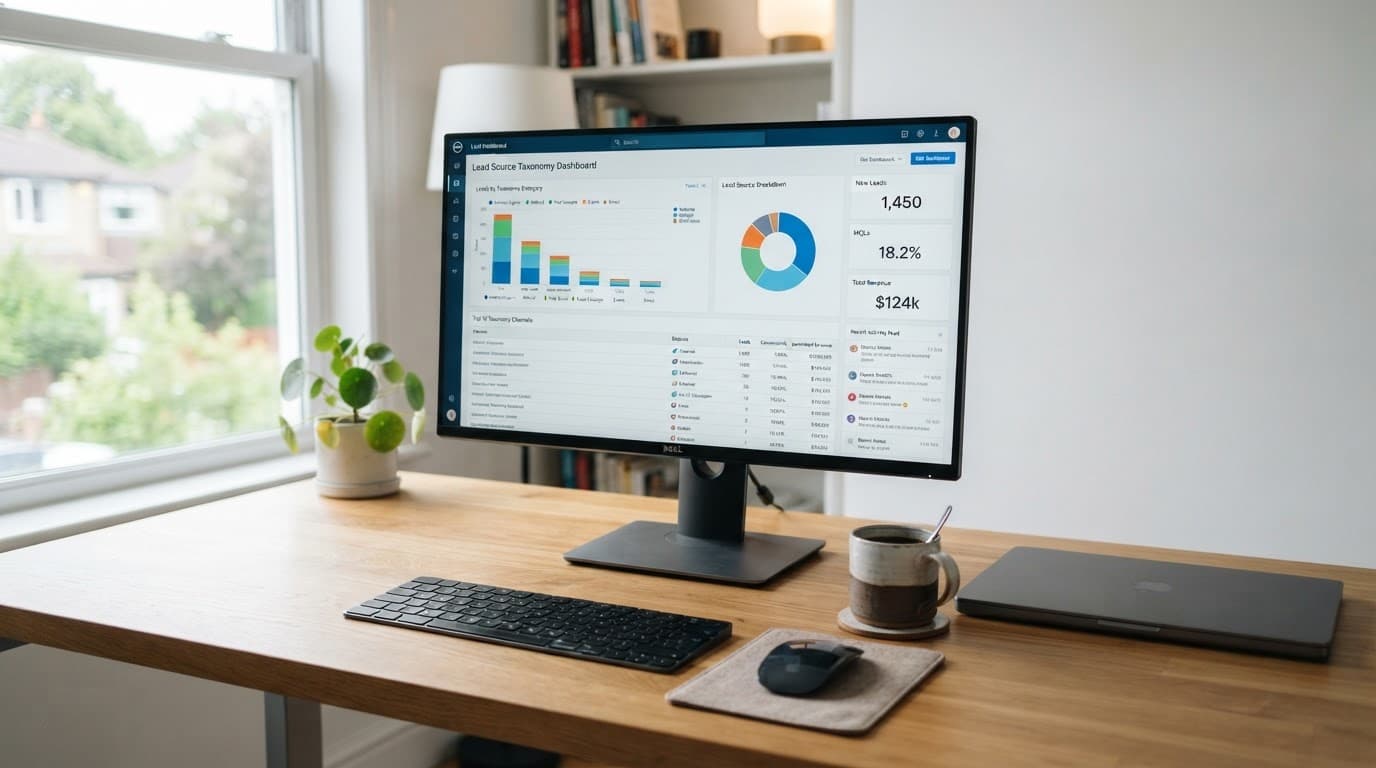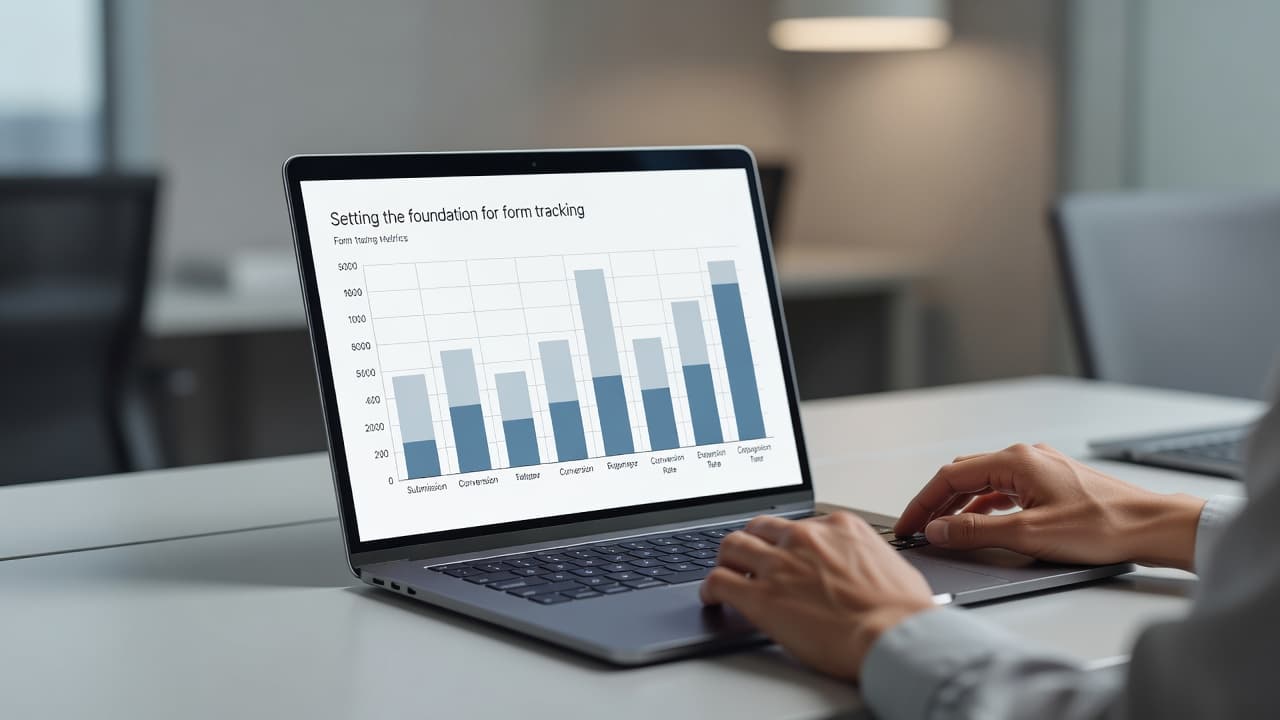
A Practical Google Ads Audit Template for Service Businesses in 2026

Bad leads cost more than bad clicks. In 2026, a service business can show decent click-through rates and still waste money on calls from the wrong city, weak form fills, or people who never book.

A solid Google Ads audit template fixes that. It helps owners, in-house teams, and agencies judge what matters: qualified leads, booked jobs, and revenue. It also keeps Google Ads aligned with your DIgital Marketing plan, including SEO, Social Media Marketing, Website Development, and the rest of your Performance Marketing efforts.

Why Your Service Business Needs a Google Ads Audit in 2026

Google Ads now leans hard on AI, local intent, and business data. That helps good accounts grow faster, but it also makes bad setup more expensive. If your Google Business Profile has old hours, missing services, or weak reviews, your ad quality suffers. If your location targeting is too broad, AI can spend into areas you never serve.

Person in office reviews sleek laptop dashboard with charts showing ad metrics like cost per lead and ROAS.

For a plumber, dentist, lawyer, or HVAC company, the audit starts with one question: are you buying leads that can turn into paying work? If not, the problem is rarely one setting. It is usually structure, tracking, targeting, and offer fit working against each other. If you want to compare your process with another framework, this 2026 audit checklist is a useful benchmark.

Essential Metrics Beyond Clicks and Impressions

Service businesses don't need prettier dashboards. They need a scorecard tied to sales. That means moving past clicks, CPC, and raw conversions.

Laptop screen shows charts and graphs for lead quality metrics in blue and white.

Use this quick audit table to spot weak reporting:

MetricWhy it mattersRed flag
Cost per qualified leadShows if leads match your service and areaLow CPL, poor close rate
Call duration or booked-call rateShort calls often mean bad intentMany calls under 30 seconds
Appointment or estimate rateTells you who moves forwardForms submit, but no bookings
Revenue by campaignConnects ads to real jobsBest-looking campaign closes least

For local services, also watch direction clicks, review response time, and CRM outcomes. Google's automation is stronger when your data is clean. It is weaker when every form fill counts the same.

If your CRM says the leads are bad, the audit has already found the real issue.

Audit Your Account Structure Step by Step

Start with campaign design. Most service accounts get messy because they mix too many goals. One campaign tries to sell emergency repairs, maintenance plans, and branded searches at once. That blurs budget, search terms, and bidding signals.

Folder tree view shows campaign folders and ad groups organized for HVAC service in modern blue-white UI.

Split campaigns by service line, location, or lead value. A dental office might separate implants from general cleaning. An HVAC business should separate emergency repair from seasonal tune-ups. Keep branded search apart from non-brand. Also confirm that location settings use presence, not broad interest, when you only serve defined areas.

If your setup needs a cleaner blueprint, this Google Ads campaign structure guide is a solid reference. Also check that your Google Business Profile is connected and current, because local trust signals now affect ad strength more than many teams realize.

Review Keywords and Match Types

Broad match can work in 2026, but only when the account has sharp negatives and clean conversion data. Without those guardrails, it becomes an open door for low-intent traffic.

Sleek blue dashboard displays match types, search terms panels, and performance graphs.

Audit search terms every week. Look for phrases that signal research, job hunting, free help, DIY intent, or the wrong geography. A lawyer may need to block “free legal forms.” A plumber may need to exclude “salary,” “course,” or distant suburbs. Keep high-intent queries close to the ad copy and landing page. Match types matter less than intent alignment.

Also note that Google's older search automation keeps moving toward AI-led intent models, and Dynamic Search Ads are expected to shift into AI Max later in 2026. That makes search-term mining more important, not less.

Optimize Ad Copy and Extensions

Good service ads don't chase clever lines. They answer the search. State the service, the area, the response time, and the proof. “Emergency AC repair in South Dallas” will beat vague copy almost every time.

Angled view of clean ad preview interface showing responsive search ads, local service extensions, and lead form assets with subtle blue accents.

Audit whether your ads mention trust signals such as reviews, years in business, financing, or same-day service. Then check assets. Call assets, location assets, lead form assets, images, and short videos can lift local performance, especially inside Performance Max. Google is rewarding stronger creative inputs in 2026, including custom images and short video.

Then compare the ad to the landing page. If the ad promises 24/7 repair, the page must show that fast. If the page is slow, cluttered, or off-message, the account leaks money no matter how strong the ad looks.

Check Conversion Tracking and Bidding

This section decides whether automation helps or hurts. Many service accounts still count every call, every form, and every page action as equal. That trains Smart Bidding on junk.

Modern blue-white dashboard shows conversion tracking setup, offline leads, bidding options, and lead flow charts.

Track the actions that predict revenue: qualified phone calls, booked estimates, consultation requests, and closed jobs from your CRM. Use enhanced conversions and offline imports. Also move toward Data Manager API workflows, because old methods lose value as privacy rules and Google data handling keep changing in 2026.

For bidding, value-based rules beat flat lead goals. An implant consult should carry more value than a teeth-cleaning inquiry. An emergency HVAC call should weigh more than a maintenance form. If you need a deeper framework, this guide to Google Ads bid strategy helps map bidding to real lead value. For a broader view of current privacy, PMax, and tracking checks, see this Google Ads optimization checklist.

Budget Allocation and Negative Keywords

An audit should show where spend belongs, and where it should stop. Budget should follow margin, close rate, and service priority, not habit.

Sleek blue pie chart shows budget allocation next to negative keywords list interface.

Use these checks during review:

  • Put more budget behind services that close well, not services that only click well.
  • Separate branded, competitor, and non-brand campaigns so one does not hide the other.
  • Review device, daypart, and location reports for waste.
  • Refresh negative keywords every week, especially in broad match and Performance Max accounts.

Performance Max can work well for local services when the data is clean and the asset group is tight. It fails fast when it runs with loose geo settings and weak negatives. If you want a bigger worksheet to score your account, this 50-point audit template is worth saving.

Final Thoughts

A useful audit is not a long spreadsheet. It is a clear way to find which parts of the account create booked work and which parts only create noise.

Before you raise budgets or change bids, ask what your CRM says about lead quality. If you want a second set of eyes on your account, Get In Touch With Us.

Google Ads RSA Pinning for Service Businesses in 2026

Too much pinning can turn a smart ad into a stiff one. For service businesses, that often means fewer calls and weaker lead quality.

That risk matters more in 2026 because call-only ads are gone. Responsive Search Ads now carry more of the load, especially in HVAC, plumbing, legal, dental, roofing, and other home service campaigns.

A strong RSA pinning strategy gives you control where you need it, without choking off Google's testing.

What RSA pinning actually does in 2026

Over-the-shoulder view of marketer at desk viewing Google Ads Responsive Search Ad editor with pinned headlines highlighted on laptop.

Pinning locks a headline or description into a set position. Headline 1, Headline 2, Headline 3, Description 1, or Description 2. Google says on its responsive search ads help page that if text must appear in every ad, you should pin it, and when possible give that slot two or three approved options.

Because call-only ads ended in early 2026, many service advertisers now rely on RSAs plus call assets. That makes headline control more important, but it also makes over-pinning more dangerous. Google is leaning harder into automation this year, so heavy pinning fights the direction of the platform.

The mistake is copying old expanded text ads and pinning almost everything. Once you do that, the RSA loses much of its ability to match the query, device, and context. For service businesses, the point isn't more control at all costs. The point is controlled flexibility.

Where pinning helps, and where it hurts

Smartphone and laptop on workbench show local plumbing and HVAC search results with highlighted ads.

Pin when a message must show every time. That includes legal wording, license claims, brand terms in branded campaigns, and offers you can't afford to hide, such as “24/7 HVAC Repair” or “Free Roof Inspection.”

However, don't lock down local intent too hard. If you serve many cities, pinning “Dallas Plumber” in every slot can reduce relevance for nearby searches. In non-brand lead-gen campaigns, pin the service or offer in H1 more often, then let city, urgency, trust, and price signals rotate in the other lines.

Brand control also depends on campaign type. In branded search, pinning your business name in H1 is often smart because the query already shows intent. In cold local searches, a service-first H1 usually beats a brand-first one unless your name carries strong trust in that market. For legal and dental advertisers, compliance text often belongs in a pinned description, not a pinned headline.

This also needs to line up with the rest of your funnel. For many small firms, DIgital Marketing isn't split into neat boxes. SEO, Performance Marketing, Social Media Marketing, and Website Development all shape what happens after the click. A clean qualified leads campaign framework makes pinning easier to test.

Sample headline structures for local service ads

Computer screen at angle shows Google Ads previews for HVAC and plumbing, service truck outside window on office desk.

A good service ad usually has one anchor and several flexible lines. On non-brand search, the anchor is often the service type or urgent offer. On branded search, the anchor is often your business name.

If every row in your ad says the same thing, Google has nothing useful to test. If every row says something different, the message gets sloppy. The best middle ground is one fixed promise and several rotating support lines.

This quick table shows the pattern.

BusinessPin in H1Sometimes pin H2Leave unpinned
HVACEmergency HVAC RepairLicensed Local TechsAC Not Cooling?, Same-Day Service, Financing Available
Plumbing24/7 Plumber Near YouNo Trip FeeBurst Pipe Repair, Fast Arrival, Book Today
LegalPersonal Injury LawyerFree Case ReviewNo Fee Unless You Win, Speak With an Attorney
DentalEmergency DentistSame-Day VisitsTooth Pain Relief, Most Insurance Accepted
RoofingRoof Repair ExpertsFree Roof InspectionStorm Damage Help, Local Crew, Financing Options
Home servicesTrusted Local Home ServicesBackground-Checked ProsSame-Day Booking, Upfront Pricing

Notice the pattern. The pinned line states the service, problem, or must-see offer. The unpinned lines handle proof, timing, financing, insurance, or city-level variation. Use Description 1 for pinned compliance text when you need it. Legal and dental advertisers often do this.

Dos and don'ts for compliance, brand control, and testing

Checkmarks and X marks beside simple icons for headlines, compliance, and brand control on neutral background.

Pinning is a control tool, not a default setting.

That approach fits what a recent RSA performance study found: partial pinning tends to beat full pinning on efficiency and conversion metrics.

  • Pin only the lines that must show every time.
  • Give pinned slots more than one approved option when you can.
  • Compare pinned and looser versions on qualified leads, not only CTR.
  • Don't pin all three headline positions.
  • Don't pin city names everywhere in multi-location campaigns.
  • Don't pin fake urgency, like “24/7,” if phones roll to voicemail at night.

Run the test long enough to get stable data, usually two to four weeks for local lead-gen accounts with steady volume. Then look at qualified calls, booked estimates, consults kept, and sales. A roofing ad with lower CTR can still win if storm-damage leads close better.

Before you compare winners and losers, fix tracking. If your forms, call reporting, or offline imports are messy, start with an account setup for qualified leads.

A simple framework for deciding when to pin

Flowchart icons show decision points for pinning versus not pinning ads based on performance data and control needs.

Use this short check before you pin anything.

  1. If the message must appear in every impression, pin it.
  2. If more than one approved line can do that job, pin two or three options to the same slot.
  3. If the campaign is still learning, leave most headlines unpinned.
  4. If lead quality is weak, pin a clearer service qualifier first, not the whole ad.

That last point matters for plumbers, HVAC companies, and other emergency services. If junk traffic is creeping in, a pinned H1 like “Emergency Plumber” can filter curiosity clicks faster than a generic benefit line. On the other hand, if volume drops after pinning, loosen H2 before you touch H1. If you want a second set of eyes on that tradeoff, Get In Touch With Us.

Final thoughts

The best RSA setups don't act like old text ads. They keep one or two lines fixed, then let the rest compete.

For most service businesses in 2026, partial pinning is the safer bet. Pin what protects the brand, the offer, or compliance, then judge the result on booked jobs and qualified calls.

LSA Invalid Lead Disputes in 2026: The New Workflow

A bad Local Services Ads lead still hurts. The difference in 2026 is that LSA invalid lead disputes no longer work like the old manual appeal process.

If you're a local service business owner, the job now is simple: rate bad leads fast, document what happened, and keep your settings tight. That sounds small, but it changes how you recover wasted spend and improve lead quality over time.

What changed with Local Services Ads lead disputes in 2026

Google's current system is built around automation. While Google's Local Services Help still talks about lead credits and disputes, most advertisers now deal with an automated review model instead of a manual case-by-case appeal. Recent reporting on the shift to automation also points to the same reality, as shown in this breakdown of automated LSA reviews.

Blue holographic dashboard scans phone recordings and lead data with green checkmarks in neon-lit server room.

That means you usually can't argue a bad lead with a person anymore. Instead, you rate the lead, choose the closest reason, and let Google's system decide whether a credit applies. Current 2026 reports say the review often happens within about 72 hours of the charge, and approved credits usually show on billing within 30 days.

The bigger surprise is what no longer gets credit. Many location mismatches and service mismatches are now treated as account setup issues, not invalid leads. If your ad reached someone outside your service area, or you forgot to remove a job type, the system may charge you anyway.

Google is judging lead validity, not whether the lead was ideal for your business.

That makes settings and daily lead review far more important than they were a few years ago.

The step-by-step workflow for a bad LSA lead

When a weak lead comes in, speed matters. A consistent process beats a heroic cleanup at the end of the month. If you want a second source on the newer review flow, this 2026 LSA lead credit guide lines up with what many advertisers now see inside their accounts.

Panels show business owner at workstation logging into dashboard, listening to call via headphones, selecting dissatisfied rating, typing notes.
  1. Open the lead in your Local Services Ads dashboard the same day it arrives.
  2. Listen to the call recording, or read the message, before rating it.
  3. Mark the lead as dissatisfied, then choose the closest reason available.
  4. Add short notes with facts, not emotion. “Sales call,” “duplicate caller,” or “wrong business” works better than “bad lead.”
  5. Save the outcome in your CRM or call log so your team sees the same history.
  6. Check billing later for the credit, because approvals can take up to 30 days to appear.

A good owner or office manager can do this in a few minutes per day. The key is to make it routine. Assign one person to review every charged lead before close of business. If calls are coming in after hours, review them first thing the next morning.

You should also coach whoever answers the phone to confirm two facts early, the caller's location and the exact service needed. If it's a mismatch, end the call politely and fast. Long calls on bad fits waste time, and they don't improve your odds of getting a credit.

Which leads are likely to get credit, and which are not

The fastest way to reduce frustration is to stop treating every weak lead like a disputable one. Some are poor quality. Others are clearly invalid.

Side-by-side in workshop: happy plumber talking on phone left, frustrated owner hanging up right.

This quick table shows the difference:

Lead scenarioCredit likelihoodWhy
Robocall, spam, or solicitationOften creditedNo real customer intent
Duplicate lead from the same person and issueOften creditedRepeated charge for the same contact
Caller wanted a different companyOften creditedWrong business
Real caller outside your target areaUsually not creditedOften treated as a settings issue
Caller wants a service you left enabledUsually not creditedOften treated as an account setup issue
Real prospect who hangs up, price shops, or decides not to bookNot creditedGoogle charges for the lead opportunity, not the sale

The main takeaway is simple. Local Services Ads charge for the chance to talk to a prospect, not for a booked job. So a real caller with low buying intent may still count as valid.

Business owner at desk with phone showing spam call, computer displaying wrong service map and duplicate lead alert.

That also explains why service-area mistakes hurt twice. You pay for the bad match, then you often can't recover the charge.

Documentation and habits that improve results

Even without manual appeals, documentation still matters. Clear records help your team rate leads the same way every time, and that gives Google's system better feedback over time.

Business owner at desk uploads screenshots, transcripts, and notes to laptop form in organized workspace with notepad and phone.

Keep four items for every questionable lead:

  • The call date and time
  • A one-line summary of what happened
  • The reason you selected in LSA
  • Any proof of duplication, spam, or wrong business

Then fix prevention issues every week. Review service areas, job types, hours, and booking settings. If your lead mix is sloppy, pair LSA with a stronger Google Ads campaign structure for leads so your broader search traffic is cleaner too.

Two team members at office table review LSA profile on tablet, checking service areas, job types, and screening icons.

LSA should support your broader DIgital Marketing plan, including SEO, Performance Marketing, Social Media Marketing, and Website Development. If you need help tightening lead quality across Local Services Ads and your wider paid search setup, Get In Touch With Us.

Conclusion

Bad leads still happen, but the winning response in 2026 is operational, not emotional. Review every charged lead quickly, rate it with clear facts, and keep your profile settings accurate.

The businesses that recover more spend usually do one thing better than everyone else: consistency. They don't wait for a bad month to notice a broken process.

Google Ads Impression Share Strategy for Service Businesses in 2026

If your ads disappear during peak hours, a competitor gets the call, not you. For plumbers, dentists, lawyers, med spas, and home service teams, google ads impression share is often the first clue that demand exists but your account isn't showing often enough.

Still, more visibility isn't always better. In 2026, the smart move is to win the right auctions, protect profit, and know when a lower share is perfectly fine.

Why impression share looks different in 2026

Top view of office desk with laptop displaying impression share metrics bar chart and coffee mug.

Search impression share is the percentage of eligible search impressions your ads actually received. If you showed 60 times out of 100 chances, your share is 60%.

That sounds simple, but 2026 has a wrinkle. After Google's double-serving change in 2025, competitors can appear twice on one search page, top and bottom. Because total possible impressions grew, your share can fall even when clicks and leads stay steady. So, don't panic over a one-week dip. Read trends over 30 to 90 days.

Also, keep impression share planning focused on Search. Since March 2026, Performance Planner no longer supports impression share goals for Display or Video. For service businesses, that's not a big loss because calls, forms, and booked jobs still come hardest from local search intent.

WordStream's overview of impression share makes the same point many owners miss: the metric matters most when the search itself matters.

Read the three metrics before touching bids

Computer screen shows three pie charts for impression share metrics on a desk with mouse and notepad.

Before you raise budgets, add three columns to your Search campaigns.

MetricWhat it meansUsual fix
Search Impression SharePercent of eligible impressions wonCheck budget and rank loss
Search Lost IS (budget)Missed impressions because daily budget ran outRaise or reallocate budget
Search Lost IS (rank)Missed impressions because Ad Rank was too lowImprove bids, ads, landing pages, assets

This table tells you where the leak is.

If Search Lost IS (budget) is high, the account is eligible but runs out of money. That's common in HVAC, plumbing, and emergency repair campaigns that spike after-hours. If Search Lost IS (rank) is high, your issue is competitiveness. Bid too low, weak ads, thin landing pages, or poor Quality Score can all drag rank down.

Don't chase a 90% share on every keyword. Chase it where a missed impression means a missed sale.

For a more detailed breakdown of why share drops, Heidi Sturrock's guide to falling impression share is a useful reference.

When a higher impression share is worth paying for

Business owner at wooden desk balances calculator against phone with leads on scale, blurred Google Ads logo behind.

A stronger google ads impression share strategy makes sense when searches are urgent, local, and high intent. Think “emergency plumber near me,” “DUI lawyer Dallas,” or “same day dentist.” In those cases, being absent hurts.

It's also worth pushing harder on branded search if competitors bid on your business name. For help there, see when to bid on brand terms.

On the other hand, don't overpay for generic research terms. A med spa doesn't need dominant share for every “skin care tips” search. A law firm shouldn't force top exposure on broad legal education keywords if consultations are already full. In many accounts, a 40% to 60% share on bottom-funnel terms beats 85% on loose traffic.

This is where SEO helps. If your site already ranks well for non-urgent queries, paid search can stay focused on the searches most likely to become calls.

The fixes that raise share without wrecking lead quality

Five flat icons depicting keyword match types, bidding slider, Quality Score stars, location pin, and ad extensions arranged horizontally on a clean whiteboard.

When rank loss is the problem, start with Ad Rank. That means bids, expected click-through rate, ad relevance, landing page experience, and asset impact.

A practical fix list looks like this:

  • Tighten campaign themes. Exact and phrase match usually work best for service keywords with clear intent. Broad match can work, but only with strong negatives and clean conversion data.
  • Push budgets where demand peaks. Emergency trades often need more spend at night and on weekends. Dental and legal accounts may do better during staffed call hours.
  • Narrow location targeting. A plumber serving three suburbs shouldn't pay for the whole metro area. Radius, city, zip, and service-area exclusions matter.
  • Improve assets. Call, location, sitelink, and structured snippet assets can lift Ad Rank and click-through rate.
  • Match ads to the search. If the keyword says “water heater repair,” the headline and landing page should say the same thing.
  • Clean up conversion quality. Import offline outcomes, not only form fills. Enhanced Conversions for Google Ads leads helps here.

Bidding needs the same discipline. Target Impression Share can work for branded campaigns or your highest-value local terms, but it shouldn't control the whole account. For most service businesses, a balanced setup uses smart bidding where lead quality is proven and manual limits where it isn't. If you need a tighter bidding framework, this Google Ads bid strategy guide is a solid next read.

Good Website Development also matters. Slow pages, weak trust signals, and poor mobile layouts hurt rank. So does weak form design. In other words, impression share is part of Performance Marketing, not a standalone fix.

What this looks like for real service businesses

Plumber in uniform holds tablet outside service van on sunny suburban street with tools in background.

An HVAC company may want aggressive share only for repair and replacement terms during hot weeks, then relax on maintenance keywords. A plumber should protect evenings, weekends, and high-margin jobs first. A dental office may focus on implants, emergency dental, and city-based searches, not every cosmetic query.

Law firms often need tighter filters because bad leads are expensive. Med spas should watch age, location, and landing-page match closely. Agencies managing client accounts need qualified pipeline data, not vanity leads, or smart bidding learns the wrong lesson.

Strong DIgital Marketing works best when paid search connects with Social Media Marketing, CRM follow-up, and local content. If your account has high lost rank, weak forms, and shaky call tracking, fix the system before buying more share. If you want a second set of eyes on that system, Get In Touch With Us.

Final thoughts

The best google ads impression share strategy in 2026 is selective. Win the searches that bring revenue, accept lower share where intent is weak, and separate budget loss from rank loss before changing anything.

If your ads keep vanishing, the answer isn't always more spend. Most of the time, the answer is better targeting, better pages, and better conversion quality.

A Practical 2026 Spam Lead Filtering Workflow for Google Ads and GA4

A bad lead doesn't only waste sales time. It also trains your ad account to chase more bad leads.

That's why spam lead filtering matters more in 2026 than it did a year ago. If you run Google Ads for a local service, B2B company, or lead-gen site, you need a workflow that keeps raw submissions for analysis but protects bidding from junk data.

Why Filter Spam Leads Now?

Isometric analytics dashboard shows spam leads filtered from qualified ones in a funnel with red flags and green checks.

As of April 2026, Google Ads has better call-quality tools, including AI-qualified call leads. That helps with robocalls. Form spam is still your problem to manage.

When fake submissions flood GA4 and Google Ads, Smart Bidding learns the wrong lessons. Cost per lead may look better while revenue gets worse. Small businesses feel this fast, because a few junk forms can skew a whole week.

Shared definitions matter too. Across DIgital Marketing, SEO, Performance Marketing, Social Media Marketing, and Website Development, every team should agree on what counts as a raw lead, a suspicious lead, and a qualified lead.

Step-by-Step Workflow Build

Sequence of isometric icons depicting GA4 event capture, ads filtering, CRM check, optimized bidding, and lead filtering pipeline in muted blue-green tones.

Build the workflow in this order, because each step depends on the one before it:

  1. Fire one raw lead event only after a real success state, such as a thank-you page or confirmed form response.
  2. Store lead_id, gclid, landing page, form type, source, medium, and key UTMs with the submission.
  3. Add a spam score with simple rules before you decide what goes back to Google Ads.
  4. Push every record into your CRM, even suspicious ones, so you can audit mistakes later.
  5. Import only qualified leads back into Google Ads as the primary bidding signal.

A simple logic model works well. If honeypot_hit=true or spam_score >= 70, mark the lead as suspicious. If the score is 30 to 69, hold it for review. If sales accepts it, send a qualified conversion later.

This split is the heart of good spam filtering. Raw leads help diagnosis. Qualified leads drive bidding.

Flag Suspicious Leads with GA4 Events

Flat-design dashboard visualizes GA4 events highlighting IP mismatches and rapid submits, arrows separating spam from real leads.

GA4 should not be your only filter, but it should be your early-warning system. Use one event for the raw submit, then attach parameters that explain why a lead looks risky.

This quick structure keeps reports readable:

EventPurposeUseful parameters
lead_submit_rawEvery confirmed form submitlead_id, form_type, landing_page
lead_quality_flagSuspicious behavior detectedspam_score, geo_mismatch, rapid_submit
lead_qualifiedSales or ops accepted the leadcrm_stage, qualified_value

Good filtering criteria are practical, not fancy. Start with submit time under 5 seconds, duplicate phone or email within 24 hours, country outside your service area, invalid ZIP code, junk name patterns, or a filled honeypot field. Google also explains how to use unwanted traffic filters in GA4, and this GA4 spam traffic guide shows useful patterns to review.

Keep one warning in mind:

A suspicious lead is not always a fake lead. Fast submits and short sessions can come from real users on branded search.

Apply Filters Directly in Google Ads

Isometric view of ads interface with conversion filters excluding bot traffic and low-quality leads, plus before-after charts.

Your biggest mistake is easy to spot. If lead_submit_raw is imported into Google Ads as a primary conversion, the system will optimize toward noise.

Keep raw submits as secondary for reporting, or don't import them at all. Instead, send back lead_qualified or sales_accepted_lead as the primary conversion. If you can tie email or phone data back to Ads, use this enhanced conversions setup for Google Ads leads.

Also review traffic by search term, device, location, and hour. If spam clusters in one state, one partner site, or late-night hours, cut that segment before it poisons more data.

For extra protection, a bot traffic prevention guide for GA4 and Google Ads is worth skimming.

Loop in CRM Data for Smarter Decisions

Flat diagram shows data flow from CRM sales qualification to marketing filters via GA4 and Google Ads icons with leads pipeline.

CRM feedback is where this workflow gets smarter. You don't need a huge RevOps stack either. Even a few statuses can help: Spam, Duplicate, Bad Fit, Contacted, Qualified.

That sales outcome should feed back into marketing each week. When one campaign sends lots of “Bad Fit” leads, the issue may be ad copy or targeting, not bots. When one source sends “Spam,” the issue is likely filtering.

If GA4 and the CRM disagree, fix the mismatch before you touch bidding. A good GA4 CRM reconciliation guide will help you match lead IDs, dates, and stages so you can trust the data.

QA Checklist and Pitfalls

Dashboard checklist shows QA items for spam filters with green checks, red flags, and warning icons.

Before you trust the workflow, test it end to end:

  • Submit one clean form and confirm the raw event, CRM record, and qualified import all match the same lead_id.
  • Submit one fake form with the honeypot filled and make sure it never becomes a bidding signal.
  • Check that button clicks do not fire lead events.
  • Review top spam rules weekly, because bots change.
  • Compare valid lead rate against qualified lead rate, not lead count alone.

Be careful with hard blocks. A real prospect may use a VPN, type a messy name, or submit in three seconds because they already know you. Score-based filtering is safer than blanket exclusion.

The best setup is simple: track every real submission, label quality fast, and only teach Google Ads with outcomes you trust. If your forms, GA4, and ad account aren't lining up, Get In Touch With Us and fix the workflow before more budget drifts into junk.

Server-Side GTM Setup for Lead Gen Websites in 2026

If your ads report 50 leads but your CRM shows 37, the missing 13 often vanished before the hit left the browser.

In 2026, browser limits, stronger blockers, and tighter consent rules make browser-only tracking less dependable. A solid server-side GTM setup gives lead gen websites cleaner conversion data, better attribution, and more control over what gets shared.

That matters most when every form fill, call, and qualified lead can change budget decisions.

Why server-side GTM matters on lead gen sites

A server-side GTM setup sends tracking data to a server container you control, then forwards it to GA4, Google Ads, Meta, LinkedIn, or other tools. That extra stop often cuts data loss and reduces messy duplicate logic.

Diagram comparing client-side vs server-side GTM tracking flows for lead gen websites: left side shows browser sending data directly to vendors with blockers; right side shows browser to server container then to vendors using clean lines, icons, and bright colors.

For lead gen sites, the gain is simple. You protect high-value actions like successful form submits, click-to-call events, and later-stage qualified leads. You also get a cleaner path between analytics and CRM reporting, which makes a GA4 lead tracking checklist far easier to keep stable.

Recent server-side tagging best practices for 2026 point to the same issue: browser-side loss is growing, not shrinking. For small teams, DIgital Marketing, SEO, Performance Marketing, Social Media Marketing, and Website Development all depend on the same source data. When that data breaks, every report starts to argue with the next one.

Server-side tracking won't make data perfect, but it removes a lot of avoidable loss.

What you need before you touch the container

Start with a clean base. You need one web GTM container, one new server container, a GA4 property, and a plan for where lead data should end up after the website collects it.

Icons diagram of prerequisites for server-side GTM including cloud server, domain setup, and GTM containers, arranged in a checklist flow with simple line art in professional tech style.

Hosting choice matters too. Managed options like Stape are faster for small teams. Google Cloud Run gives more control, but it asks more from your technical setup. Either way, use a same-site subdomain such as analytics.yoursite.com, not a third-party hostname. That keeps tracking closer to your own domain and helps first-party context.

Also decide three things before launch: your consent rules, your event names, and your lead_id strategy. If the lead record in your CRM can't match the web event later, attribution still breaks. For a broader reference, Trackingplan's sGTM guide is a useful outside read.

The core server-side GTM setup steps

The actual build is not hard, but the order matters.

Clean blueprint-style flowchart showing the main path for server-side GTM container installation: create container, deploy server, update client GTM, transport map, with arrows connecting empty boxes in monochromatic tones with accents.
  1. Create a new Server container in GTM.
  2. Deploy it to your chosen host, then connect your custom subdomain.
  3. In the server container, confirm the GA4 client is available and receiving requests.
  4. In your web container, update the GA4 tag so hits route through the server endpoint, commonly with server_container_url.
  5. Preview both containers before you publish anything.

If your team last touched server-side tagging a while ago, review current templates and client behavior. A lot changed during 2025, so old screenshots can mislead. After the server receives GA4 traffic, keep your web container light. Let the browser capture intent, and let the server decide what each vendor should receive.

A practical build walk-through for lead capture flows is available in this GA4 server-side tracking for lead generation guide.

Configure tags for real lead events, not vanity actions

This is where many setups go off track. Fire on success, not on hope. A form button click is not a lead if validation fails or the request never reaches the backend.

GTM dashboard mockup showing three configured tags for lead events: form_submit, qualified_lead, and phone_call. Blurred screens with focus on tag list and triggers in realistic angled UI screenshot style.

Use this simple event map:

Event Fire when Helpful parameters
form_submit Success message, thank-you page, or confirmed XHR form_id, lead_type, page_type, lead_id
phone_call Click on tel: or connected call from call platform placement, page_type, call_source
qualified_lead CRM or backend marks the lead as valid lead_id, value, currency, lead_stage

Keep personal data out of GA4. Don't send names, email addresses, or phone numbers there. If you need stronger ad matching, pair the setup with enhanced conversions setup for Google Ads leads. For qualified_lead, send the event from your CRM or backend into the server container, then forward it where needed.

Test consent and data flow before launch

Preview mode is not optional. Test the web container, the server container, and the final hit in GA4. Then test again on mobile, because click-to-call behavior often differs from desktop.

Infographic flowchart depicting the server-side Google Tag Manager (GTM) testing process, including preview mode, debug requests, and GA4 event validation with sequential steps, checkmarks, green/red paths, and tool icons.

Check four things every time: the event fires once, the right parameters are present, consent state is respected, and no self-referrals appear from booking or form tools. Consent Mode v2 still matters with server-side tagging. Your server can filter and control data better, but it should not ignore consent choices. This 2026 Consent Mode v2 guide is a helpful comparison point.

If a redesign is coming, keep this website migration SEO checklist nearby, because new templates often break working triggers.

What gets better after launch

After launch, watch the gap between platform leads, GA4 leads, and CRM leads. The goal is not perfect matching. The goal is a smaller, explainable gap.

Side-by-side before-and-after charts in dashboard style: left bar chart with gaps showing poor data accuracy, right with full bars for improved attribution; rising line graph for data quality, blue tones, professional, no labels.

A good server-side GTM setup usually improves lead capture consistency, reduces unassigned traffic, and gives ad platforms cleaner conversion signals. It also gives you more control over privacy filtering before data leaves your stack. When reporting still disagrees, use a GA4 CRM reconciliation guide to find whether the problem sits in attribution, identity, or sales-stage logic.

The missing leads from the start of this post usually come from setup gaps, not campaign failure. Fix the tracking path, and your numbers become much easier to trust.

If you want help building or auditing the setup, Get In Touch With Us before the next form update or campaign launch.


Build a Call Recording QA Framework for Better Lead Quality in 2026

Bad leads rarely look bad in a dashboard. They sound wrong on the call, when the caller asks for a service you do not offer, has no budget, or is nowhere near your market.

A solid call recording QA framework turns those moments into usable data. In 2026, AI transcripts, auto summaries, and live prompts make review faster, but the real win is simple: better lead quality, better coaching, and clearer feedback between marketing and sales. For marketing leaders, sales ops, contact center managers, QA teams, and small business owners, that loop matters more than ever.

Why Your Team Needs a Call Recording QA Framework Now

In a modern office bathed in natural daylight, a sales manager and QA specialist collaborate intently, reviewing call recording transcripts displayed on dual monitors with hands resting on the desk and a laptop nearby.

When you review calls by source, weak patterns stop hiding. One landing page sends high-intent buyers. Another sends price shoppers. A paid keyword may look fine in reporting but keep attracting the wrong service request.

That matters because lead quality is not only a sales issue. In many small businesses, DIgital Marketing, SEO, Performance Marketing, Social Media Marketing, and Website Development all shape who calls and what they expect. A good QA program shows whether poor results come from bad traffic, a weak script, slow follow-up, or a broken handoff.

In 2026, many teams can search transcripts, tag objections, and compare outcomes within minutes. Some tools now flag missed qualification questions during the call, not days later. Start with proven call center QA best practices, then pair the findings with a tighter Google Ads campaign structure for qualified leads if paid search is a major source.

Core Components of an Effective Call Recording QA Framework

Diagram-like visualization of call QA framework components including recording, scoring, feedback loop, and agent training icons arranged in a cycle on a whiteboard in a conference room. Clean modern style with soft lighting, no people, no text, no logos, no watermarks.

Most small businesses do not need a giant scorecard. They need a system that answers four questions: Was the lead a fit, did the agent handle the call well, was the next step clear, and did marketing attract the right person in the first place?

Build your framework around five parts:

  • Record and tag calls by source, campaign, landing page, and agent.
  • Score the same few behaviors on every reviewed call.
  • Connect scores to booked meetings, qualified opportunities, and sales.
  • Coach agents weekly with clips from real calls.
  • Share themes with marketing and sales ops every month.

If marketing and sales use different rules for “qualified,” QA turns into opinion.

Also set rules for consent, storage, and access. That keeps the process safe and useful. A practical sales call recording guide covers the legal side. Then connect call outcomes to enhanced conversions for Google Ads leads so source quality is based on real outcomes, not guesswork.

Sample QA Criteria and Scoring Rubric

Close-up of a QA scoring rubric table on a computer screen displaying criteria like greeting, qualification questions, and close with scores in contact center software dashboard, realistic angled view with soft office lighting.

Start with a short rubric. If you score too many things, reviewers drift and agents ignore the feedback. Keep the focus on lead quality, conversion readiness, and clean handoffs.

This simple model works well for service businesses:

QA area Weight Full-score standard
Opening and trust 10 Clear greeting, sets purpose, confirms caller context
Qualification depth 25 Captures need, location, budget, timeline, decision role
Fit and urgency 25 Confirms service fit, urgency, and buying intent
Next-step control 20 Books appointment or sets a specific follow-up
CRM and compliance 20 Logs source, notes, consent, and outcome correctly

Set score bands before rollout. A score of 85 to 100 means the call was sales-ready. A 70 to 84 call needs coaching. Anything under 70 needs manager review because the agent likely missed fit, urgency, or the close. Run twice-monthly calibration sessions, and use a simple call center QA checklist to keep scoring steady across reviewers.

Key KPIs to Measure Lead Quality Improvements

Dashboard charts on a large screen in a meeting room showing rising KPIs like lead qualification rate, conversion rate, and agent score in modern blue-toned analytics style. Realistic rendering with graphs and metrics, no people, text labels, or logos.

A QA score by itself is not a business metric. The real test is whether lead quality improves across sources, agents, and outcomes. This same view helps contact center managers spot training gaps and helps marketing leaders trim bad spend faster.

Track a small KPI set and review it every month:

  • Qualified lead rate by source
  • Appointment set rate after the first call
  • Lead-to-opportunity rate by agent and campaign
  • No-fit or wrong-service rate by landing page
  • Average QA score and coaching completion
  • Speed to follow-up on high-intent calls

The most useful view compares source quality with conversion readiness. If organic traffic grows but no-fit calls rise, review your pages with this lead-gen SEO audit checklist 2026. If paid volume rises while booked jobs stay flat, the issue may sit in targeting, landing-page promise, or agent handling. QA makes that visible fast.

Step-by-Step Implementation Guide for 2026

Step-by-step infographic style showing implementation workflow for call QA with plan, record, review, train, measure icons in sequence on an office desk with notebook, bright natural light, clean illustrative style, no people, no text, no logos.

Implementation works best in phases, not a big launch. A small team can stand up a useful framework in 30 days if the scope stays tight.

  1. Write one shared lead definition. Include fit, service area, budget, urgency, and decision-maker status.
  2. Tag every recorded call by source, campaign, landing page, and agent.
  3. Review the first 100 calls and note where scorers disagree.
  4. Adjust the rubric until it matches real buying behavior, not script trivia.
  5. Coach from call clips, then track whether the same issue drops the next month.
  6. Report findings to both marketing and sales, then fix the source or the script.

In 2026, AI can cover far more than random spot checks. Still, human review matters because tone and context change meaning. If volume is rising, learn how to audit sales calls at scale so managers spend time coaching instead of hunting through recordings.

Common Pitfalls and How to Avoid Them

A contact center agent with headset checks notes on their phone during a call to avoid poor qualification pitfalls, resulting in a happy customer on screen. Features a modern desk setup in realistic style with warm lighting, exactly one agent.

Most QA programs fail in ordinary ways. Teams grade script use harder than lead fit. They review only star reps or weak reps, so they miss the middle. Managers coach agents but never tell marketing that a keyword, ad, or form is attracting junk. Some teams also keep call files with loose access rules, which creates risk.

The fix is simple. Score for business outcomes first. Sample calls across all agents and sources. Hold one monthly meeting where marketing, sales, and QA listen to the same themes. That is where Website Development gaps, ad-message mismatch, and poor routing start to show up. Recent 2026 tools can flag missed questions in real time, but teams still need calibration so everyone judges calls the same way.

A bad lead stops looking mysterious once you can hear the pattern. A strong call recording QA framework turns that pattern into cleaner campaigns, sharper agents, and more sales-ready conversations.

If your call data, ad data, and CRM still live in separate places, Get In Touch With Us and build a process that improves lead quality without adding busywork.


GA4 Cross-Domain Tracking for Lead Gen Funnels in 2026

If your ads send visitors to one domain, your form lives on another, and your thank-you page sits somewhere else, GA4 can split one visit into pieces. That means bad attribution, inflated direct traffic, and reports you can't trust.

For small businesses spending on GA4 cross-domain tracking and lead generation, this is no small bug. It affects DIgital Marketing, SEO, Performance Marketing, Social Media Marketing, and Website Development because every team ends up reading different numbers. The fix is simple in theory, but details matter.

Why cross-domain tracking matters in lead gen funnels

When GA4 is set up well, it treats a visitor moving from domain A to domain B as one journey. In 2026, that still depends on one core rule: use the same GA4 Measurement ID and web stream across every domain in the funnel.

A small business owner at a desk in a cozy home office looks at a laptop screen showing an analytics dashboard with multiple website domains and lead funnel charts. Natural daylight from a window illuminates the realistic scene with one person only.

GA4 now passes the _gl linker parameter automatically when your domains are configured correctly, so the same client ID can follow the user across sites. Google's own cross-domain measurement guide explains that flow clearly.

A common lead funnel looks like this: a landing page on your main site, a booking form on a separate scheduling domain, then a thank-you page on another branded domain. Without cross-domain setup, GA4 often starts a new session in the middle. Your ad click gets credit for the first page, but the lead may show up as direct or as a referral from your own site.

If your own booking domain shows up as a top referrer, your funnel is broken.

What you need in place before setup

Start with the boring stuff. It saves hours later.

Top-down photorealistic view of a clean setup checklist on a notepad next to a computer keyboard and mouse, listing items like GA4 property, domains, and GTM container in a bright office setting with no readable text or extra objects.

Use one GA4 property for the whole funnel. Put the same Measurement ID on every domain involved. If you're using Google Tag Manager, keep naming and firing rules consistent across containers. If these are only subdomains, GA4 usually handles them with the same tag, so extra cross-domain rules may not be needed.

Next, confirm that your consent tool can share consent across domains. In 2026, that matters more because denied consent can create gaps that look like broken attribution. Many teams now pair this with server-side GTM for better reliability.

Also, make sure your CSP allows Google Analytics requests on every domain. For a broader event structure, this GA4 lead tracking checklist is a useful companion before you touch the funnel.

How to set up GA4 cross-domain tracking step by step

The setup is short, but each step carries weight.

Hand-drawn whiteboard diagram in a conference room showing the tracking flow from domain A landing page to domain B form to domain C thank you page, connected by arrows with GA4 icons.

Go to GA4, then Admin -> Data Streams -> your web stream -> Configure tag settings -> Configure your domains. Add every root domain used in the funnel. “Contains” is usually enough for small business setups.

Then add those same domains to List unwanted referrals. This second step matters because cross-domain setup alone doesn't always stop self-referrals. A recent GA4 cross-domain setup walkthrough shows the full path.

After that, check your links. When a visitor clicks from one domain to the next, GA4 should append _gl to the URL for the handoff. You do not need to build old-school manual linker code like Universal Analytics often did.

Finally, protect attribution beyond GA4. Send utm_source, utm_medium, utm_campaign, click IDs, and a unique lead_id into your CRM at form submit. Otherwise, GA4 may look clean while your sales data still falls apart. This is where a solid UTM governance template pays off.

A practical multi-domain funnel example

Picture a paid search campaign driving traffic to offersite.com. The visitor clicks “Book a demo” and moves to bookingportal.com. After submitting, they land on thankyoubrand.com, and the lead pushes into HubSpot or Salesforce.

Three devices on a modern office table showing a lead funnel sequence: laptop with landing page ad, phone with booking form, and desktop with CRM dashboard success, arranged sequentially with soft lighting.

A strong setup tracks the same session across all three domains, fires the lead event only on real success, and passes campaign data into the CRM. Google's lead generation form reporting guide is helpful for mapping the right funnel steps in GA4.

This matters when you run Google Ads, Meta ads, or email at the same time. If the CRM only stores the final touch, your Performance Marketing team may overvalue branded search. If it stores nothing, Social Media Marketing may look weak even when it started the journey.

Keep both first-touch and latest-touch values in the CRM. Also, never add UTM tags to internal links between your own pages. That rewrites source data and breaks attribution by force.

How to fix broken sessions, self-referrals, and attribution loss

Most problems come from three causes: different Measurement IDs, missing referral exclusions, or bad CRM handoff.

A frustrated analyst in a dimly lit late-evening office highlights error logs with red marks on a computer screen showing graphs of broken sessions, illustrating debugging cross-domain problems. Realistic scene with one person, relaxed hands on keyboard, and blurred screen details.

If sessions break between domains, verify the same GA4 ID loads everywhere. If self-referrals appear, update the unwanted referrals list. If leads show as direct in the CRM, inspect the form and hidden fields, not GA4 alone.

A few quick checks help fast:

  • Preview tags in GTM and confirm page views fire once, not twice.
  • Open both domains and compare the GA4 client ID during a test journey.
  • Watch DebugView while moving from landing page to form to thank-you page.
  • Check whether the lead record stores UTMs, click IDs, and lead_id.

If your tracking issues keep touching ad spend, reporting, and site changes at once, a full-service digital marketing partner can help connect the media and measurement pieces.

Testing habits that keep the data clean in 2026

A smiling analyst in a bright modern workspace reviews a validation dashboard across dual monitors showing unified sessions and green checkmarks for successful testing verification. The back view captures hands on the desk with screens slightly out of focus and no visible text.

Run one live test every time you launch a new landing page, new form tool, or new thank-you domain. That includes Website Development changes, because a small redirect tweak can break a clean handoff.

Check Realtime, DebugView, and the CRM record on the same test. Then repeat on mobile, because consent banners and browser privacy settings often behave differently there. For extra implementation detail, this step-by-step GA4 guide from DevriX is a solid reference.

Clean cross-domain data isn't about making GA4 prettier. It's about knowing which campaigns create leads, which pages close the form, and which channels deserve more budget. When one visit stays one visit from click to CRM, the whole funnel gets easier to trust.

Enhanced Conversions for Leads Setup Guide for 2026

If your Google Ads account treats every form fill like a win, bidding learns the wrong lesson. If you're searching for enhanced conversions leads setup, this enhanced conversions leads approach makes the goal simple: send better first-party lead data back to Google in a privacy-safe way.

As of April 2026, Google is rolling out a more unified setup to boost conversion tracking and conversion measurement accuracy, so menus may look a little different across accounts. The core process stays the same, and once your tagging, consent, and CRM data line up, the system is much easier to trust.

Key Takeaways

  • Enhanced conversions for leads improves Google Ads bidding by sending hashed first-party user data (like email or phone) from offline conversions, bridging messy multi-device lead journeys.
  • In 2026, expect a unified account-level setup with multiple data sources (tags, Data Manager, API), but start with one conversion action for safer testing.
  • Prerequisites include a Google Ads conversion action, GTM lead trigger with data access, consent handling, and CRM integration for qualified offline imports.
  • Test with real leads using diagnostics, GA4 DebugView, and Tag Assistant; common issues are triggers, mapping, or consent—matching can take 24-48 hours.
  • Prioritize privacy with SHA256 hashing, clear consent, and clean data to avoid junk signals, turning better measurement into lower CPA and higher ROAS.

What enhanced conversions for leads actually does

Clean modern illustration of enhanced conversions concept showing data flow from website lead form to Google Ads dashboard with hashed user data and conversion increase.

Enhanced conversions leads adds hashed user-provided data, such as email or phone strings, to your offline lead import process. Google uses that data to improve matching after someone clicks an ad and converts later.

That matters because lead journeys are messy. A person may click on mobile, fill a form on desktop, then close the deal after a sales call. Google's own help page on enhanced conversions for leads explains the matching model and the data rules.

For small businesses, enhanced conversions leads means less guesswork, better signals for smart bidding algorithms, and more high-quality leads.

Why this setup matters more in 2026

Dashboard-style visual of Google Ads interface highlighting benefits of enhanced conversions, featuring charts with improved conversion rates and ROAS for leads, rising performance metrics, blue-white martech aesthetic, and simple icons for privacy-safe tracking.

Google started allowing multiple data sources in April 2026 for enhanced conversions leads, which means tags, Data Manager, and API-based inputs can work together. Google has also said the separate web and lead settings are moving toward a single account-level switch by June 2026.

That change helps, but better measurement still depends on strong inputs and a clean Google Ads campaign structure for qualified leads. If you spend across Digital Marketing, SEO, Performance Marketing, Social Media Marketing, and Website Development, cleaner lead data improves return on ad spend and lowers cost per acquisition with reliable conversion tracking, helping every report make more sense.

Prerequisites before you turn anything on

Step-by-step icons in clean SaaS UI style showing prerequisites checklist: Google Ads account, GA4 property, GTM container, consent mode, and lead form example. Numbered steps 1-4 in blue and white colors with no extra text or people.

Get these pieces ready first:

  • A Google Ads conversion action for the lead event you want to improve.
  • A lead form submission or thank-you-page trigger in Google Tag Manager or gtag.js.
  • Access to user-provided fields via CSS selectors or Javascript variables; email is the main one (requiring SHA256 hashing), while phone (in E.164 standard) and address can help.
  • Consent handling in place, especially if you operate under GDPR or similar laws.

If your thank-you page doesn't expose the lead data, automatic capture may fail.

The most common setup problem is simple: the form fires, but the user data never reaches the tag.

Step-by-step setup guide in Google Ads

Sequential UI panels illustrating Google Ads setup for enhanced lead conversions: navigating tools and conversions, creating enhanced lead, selecting lead form, and hashing options in a simple blue-white dashboard style with no text or people.

Interface labels may shift a bit during the 2026 rollout of enhanced conversions leads. If you see separate options now, that's normal. Google's account-level enhanced conversions guidance is the best reference if your menus differ.

  1. Open Google Ads, then go to Goals > Conversions > Settings and turn on enhanced conversions leads for your conversion goal where available.
  2. Pick whether you want account-level coverage or to start with one conversion action. For most small businesses, one lead action is the safer first test.
  3. Accept Google's customer data terms, then choose your collection method, usually GTM, gtag.js, Data Manager, or API.
  4. In GTM, create or update the Google Ads tag so it sends user-provided data when the lead event fires. Match the correct conversion ID and label.
  5. If your sales team qualifies leads later, import that offline event from your CRM. If not using an API, you can use the offline conversion import method via GCLID uploads. Google's developer guide for enhanced conversions leads covers API-based imports.
  6. Publish changes, submit a real test lead, then check diagnostics before you scale spend.

A practical example helps. Say a local clinic gets consultation requests. Count the form submit, but also import converted leads like “appointment booked” from the CRM. That second signal gives bidding better feedback than raw form volume alone.

How GA4, GTM, and your CRM should work together

Clean martech flowchart illustrating Google Tag Manager tags for GA4 events, lead data flow to Google Ads, consent banner, and CRM sync icons in blue and white, no text or people.

GA4 doesn't replace Google Ads enhanced conversions for leads matching, but it helps you audit the journey. Send the same form event to GA4 and Google Ads, and keep naming consistent so reports stay readable.

GTM is usually the control center. Your website captures the form event, GTM passes the first-party customer data (while some legacy systems still rely on the Google Click ID or GCLID for the handoff), and the CRM database closes the loop later as the source of truth. If you also run Meta, align your naming and handoff rules with your Meta Conversions API for lead tracking setup so one platform doesn't report leads differently from another.

Testing and troubleshooting without wasting budget

Clean SaaS-style testing dashboard featuring green verification check, test leads table, highlighted common errors, and GA4 debug view in simple blue-white UI with no text or people.

Run one real test lead with a valid email to verify your enhanced conversions leads setup. Then check Tag Assistant, GA4 DebugView, and the Google Ads diagnostics panel.

If something breaks, the cause is usually one of these: the wrong trigger, automatic event detection left unmanaged causing duplicate triggers, missing consent, bad field mapping, or a mismatch between the conversion action and the tag. Matching imported data can take 24-48 hours to appear, so don't panic after five minutes. An automated import schedule is best for CRM health. Google's upgrade guide for offline imports is useful if you already import CRM conversions.

Frequently Asked Questions

What are enhanced conversions for leads?

Enhanced conversions for leads adds hashed user-provided data, such as email or phone, to your offline lead imports, helping Google match ad clicks to later conversions across devices. This reduces guesswork for Smart Bidding, especially for small businesses tracking form fills to sales. Google's matching model uses this first-party data for more accurate signals than click-based tracking alone.

What prerequisites do I need before setup?

You'll need a Google Ads conversion action for your lead event, a form submission trigger in GTM or gtag.js with access to user fields (email hashed via SHA256, phone in E.164), and consent handling for privacy laws like GDPR. If your thank-you page doesn't expose data, automatic capture may fail. A clean campaign structure also helps maximize benefits.

How do I set up enhanced conversions for leads in Google Ads?

Go to Goals > Conversions > Settings, turn on enhanced conversions for your lead goal, accept data terms, and choose GTM, gtag.js, or API. Update your GTM tag to send hashed data on the lead event with matching conversion ID/label, then import qualified CRM outcomes. Publish, test a real lead, and check diagnostics—interface may vary during 2026 rollout.

How do I test and troubleshoot the setup?

Submit a real test lead with valid email, then verify in Tag Assistant, GA4 DebugView, and Google Ads diagnostics. Common fixes: correct triggers, field mapping, consent, or duplicates from unmanaged events. Offline matching takes 24-48 hours; use scheduled CRM imports for reliability.

What privacy best practices should I follow?

Hash customer data (SHA256 for email) before sending, collect explicit consent where required, and use only necessary first-party fields. Avoid junk like spam or duplicates to prevent bad bidding signals. This keeps you compliant while improving data quality for real growth.

Privacy-safe best practices that protect data quality

Clean illustrative icons in blue and white depicting hashed data, consent mode toggle, EU compliance badges, and a secure lock on a lead pipeline.

Use first-party customer data only. Hash customer data before sending it to comply with privacy regulations and Google's customer data policies, collect clear consent where required, and keep only the fields you need.

Also, don't send junk. If spam leads, job seekers, or duplicate form fills enter the system, Smart Bidding learns from bad examples. The cleanest setups pass both the initial lead and the later qualified outcome, assigning the correct conversion value. That is where enhanced conversions leads becomes a real growth tool, not another tag to maintain.

If your setup touches forms, CRM stages, and ad platforms at once, Get In Touch With Us for a second set of eyes.

Better lead tracking doesn't start with more clicks. It starts with better signals.

When Google can tell a weak form fill from a real sales opportunity through enhanced conversions leads, your budget has a much better chance of finding high-quality leads.

Local Services Ads Optimization for Home Services in 2026

Most home services companies don't lose Local Services Ads leads because demand is weak. They lose them because the setup is loose, the map is too wide, or the phone sits unanswered.

That matters more in 2026. Local services ads optimization now depends on a verified Google Business Profile, strong review flow, and fast lead handling. Start with the foundation, then tighten the account.

Key Takeaways

  • Build a complete, verified Google Business Profile first—it's now required for Local Services Ads and powers rankings, reviews, and trust signals.
  • Tighten service areas to proximity-strong zones and select job types based on profit margins and close rates to avoid weak leads.
  • Respond to leads in minutes (under 5 for emergencies) and request Google Business Profile reviews right after jobs to maintain top performance.
  • Pace budgets by lead type and day, screen/dispute invalid leads, and track offline conversions in your CRM for real revenue insights.
  • Treat Local Services Ads as an extension of your local SEO: fix the foundation before scaling spend.

Why Local Services Ads work differently in 2026

A home service business owner portrayed as a plumber checks the Local Services Ads dashboard on a laptop in a modern office with tools in the background and natural daylight lighting.

Local Services Ads still sit at the top of the Google search results page, and you still operate on a pay-per-lead model. But the rules have tightened in the local search landscape for contractors. A Google Business Profile with the Google Verified badge is now required to run, and reviews live under that Google Business Profile instead of a separate LSA review system.

So, if your Google Business Profile is thin or suspended, your Local Services Ads can stop cold. That's why smart operators now treat Local Services Ads like an extension of their Google Business Profile, not a side channel.

A good rule is simple: fix trust signals first, then scale spend. The old LSA app is gone, too, so teams should manage leads in the web dashboard and tie that flow to dispatch and CRM. If you want a broader view of current setup standards, this contractor LSA setup guide and this complete Local Services Ads guide both line up with what contractors are seeing in the field.

Build a complete profile before you touch budget

A plumber in a home office with plumbing tools nearby types details like service areas and photos into their Google Business Profile on a computer under bright indoor lighting.

Profile completeness is not busywork. It's your storefront, your proof, and a major ranking factors contributor.

Start by matching your business name, phone, license details, hours, and service list across LSA and Google Business Profile, which directly impacts your ad rankings. Then add high-quality photos. A plumber with fresh water heater installs looks more credible than a profile with three dusty stock shots from 2022.

Keep this checklist tight:

  • Fill every service field that matches real jobs you want.
  • Remove old numbers, old addresses, and weak photos.
  • Complete license verification and background checks to build trust.
  • Link the verified Google Business Profile and use its review link.
  • Check hours, holiday coverage, and emergency availability.

This also helps the rest of your local search visibility. A strong profile supports Maps, branded search, and your wider local SEO for home services.

If your profile feels half-finished, your ad rankings usually look half-finished too.

Pick job types and service areas with margin in mind

HVAC technician outdoors near a van with equipment, holding a tablet showing map outline for selecting service areas and job types in Local Services Ads, sunny day, realistic photo, one person with relaxed hands, no text.

Many owners think bigger coverage means more leads. In practice, it often means more weak leads. In Local Services Ads, Google heavily favors proximity to the customer, so tight service areas usually beat a giant map.

Choose job types based on profit, close rate, and crew strength. If your HVAC team wants installs but keeps paying for low-value thermostat calls, trim the list. If your plumbing team closes drain calls fast, keep them, but separate after-hours coverage from standard work in your scheduling rules.

This quick comparison helps pick job types and service areas:

VerticalBest Job TypesService Areas Strategy
PlumbersDrains, leaks, water heatersTight radius around fast-response zones
HVACRepair, replacement, tune-upsFocus on dense neighborhoods with tech coverage
ElectriciansPanels, rewires, EV chargersTarget areas with higher-ticket home upgrades
RoofersInspections, repairs, replacementsNarrow to storm-hit or high-demand service pockets

The same logic behind Google Ads location targeting strategies applies here. Cut the edges first. Then expand only after close rates hold up and Absolute Top Impression Rate improves in competitive zones. For vertical-specific ideas, compare this plumbing LSA playbook with this HVAC LSA guide.

Grow reviews steadily and answer leads fast

Electrician business owner smiling while reading positive customer reviews on his phone after a job, in a workshop background with electrical tools. Warm lighting and realistic style convey review management satisfaction.

Customer reviews now carry even more weight because they sit on your Google Business Profile. That means customer review quality and velocity both matter. Ten old five-star customer reviews won't carry a slow month forever.

Ask for the customer review right after the job, while the result is fresh. Text the GBP review link within two hours. Train techs to ask for an honest review about speed, clean-up, and communication. Those details help more than bland praise.

At the same time, responsiveness and response time can make or break LSA performance.

A slow answer turns a paid lead into a donation to Google.

Set a real response standard for top responsiveness. For emergency trades, that means under five minutes during staffed hours. For cleaners or landscapers, same-hour follow-up may be fine, but it still needs ownership. Handling message leads promptly is as important as answering phone calls. Fast follow-ups on missed calls boost your booking rate. Missed calls should route to dispatch, then to backup staff, not a dead voicemail box.

Frequently Asked Questions

What’s required to run Local Services Ads in 2026?

A verified Google Business Profile with the Google Verified badge is now mandatory, and reviews live there instead of a separate LSA system. The old LSA app is gone, so manage everything via the web dashboard tied to your dispatch and CRM. Incomplete or suspended profiles will halt your ads cold.

How should I choose service areas and job types?

Focus on tight radii around fast-response zones and high-margin jobs your crews excel at, like drains for plumbers or repairs for HVAC. Wider maps often deliver weak leads since Google favors proximity. Test and trim based on close rates and Absolute Top Impression Rate before expanding.

Why is fast lead response so critical?

Slow answers turn paid leads into lost opportunities, while top responsiveness boosts rankings and booking rates. Aim for under five minutes on emergencies and same-hour follow-ups otherwise, routing missed calls to dispatch. Handling messages promptly is as key as phone calls.

How do I track true performance beyond leads?

Tag leads as booked, sold, or bad fit, dispute invalids quickly, and upload offline conversions to show revenue like $350 repairs or $9,000 installs. Review cost per lead, ROAS, and close rates weekly by job type. Pace spend to avoid burning budget on low-value days or types.

How can I grow reviews effectively?

Request honest Google Business Profile reviews via text link within two hours post-job, focusing on speed, clean-up, and communication. Steady velocity and quality outweigh old stars, directly impacting LSA rankings. Train techs to ask while results are fresh.

Pace spend, screen leads, and grade revenue offline

Roofer focused on laptop in truck cab reviewing budget pacing and leads, with charts showing spend and conversions under dashboard lighting. Realistic photo of one person, no text or extra hands visible.

More budget isn't always better. If lead quality drops after you widen service areas or add weak job types, you're buying volume, not profit.

Watch pacing by day and by lead type. If Mondays burn half the weekly budget, cap lower-value coverage or tighten the map. Roofing may need burst budgets after storms. Cleaning companies often do better with steadier pacing through the week.

A landscaper uploads offline conversion data from a clipboard into the Google Ads interface on a desktop computer in an office with plants and tools, under soft natural light.

Then build a lead-screening routine with call quality analysis:

  1. Tag each lead as booked (including direct booking), estimate, sold, bad fit, or disputed.
  2. Dispute invalid leads fast, especially wrong service, spam, duplicate, or outside-area calls.
  3. Review close rate, cost per lead, return on ad spend, and sold revenue by job type every week.

This is where offline conversion quality matters. Google can count a lead, but only your CRM shows whether that lead became a $350 repair or a $9,000 install, revealing your true lead quality. Also, if Local Services Ads work beside Search campaigns, keep those campaigns clean with a negative keywords template for home services.

The shops that win in 2026 aren't chasing every lead. They're screening, disputing, and feeding budget toward the calls that turn into real jobs.

Local Services Ads can still be a strong channel for plumbers, HVAC companies, electricians, roofers, cleaners, and landscapers in home services. But the account only works when the business behind it works fast and stays tight.

Start this week with three moves: clean up your profile, shrink your service area to your best zones, and set a hard response-time rule. Better input creates better leads for Local Services Ads.